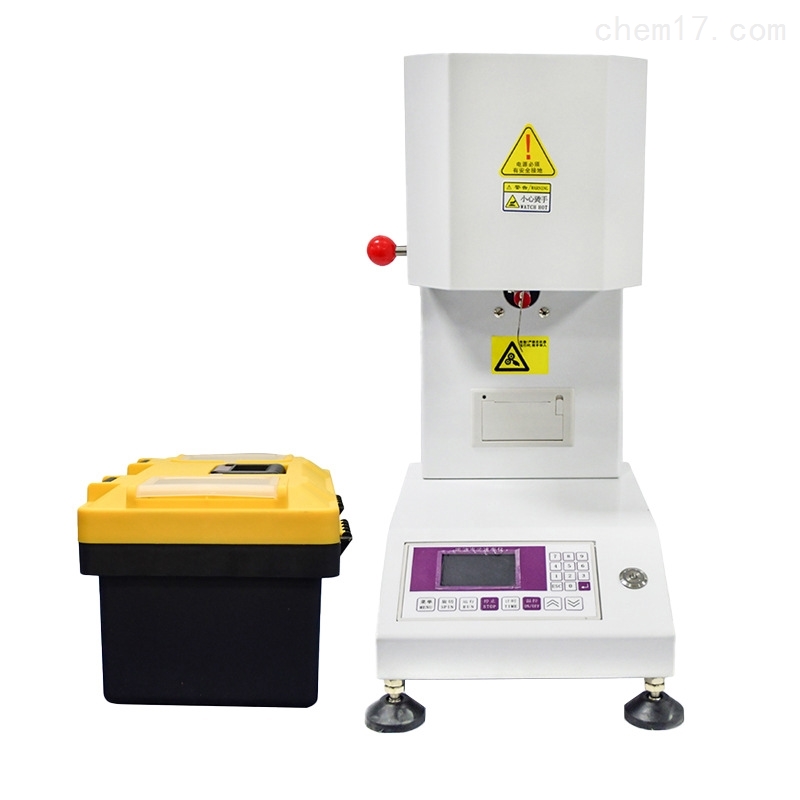

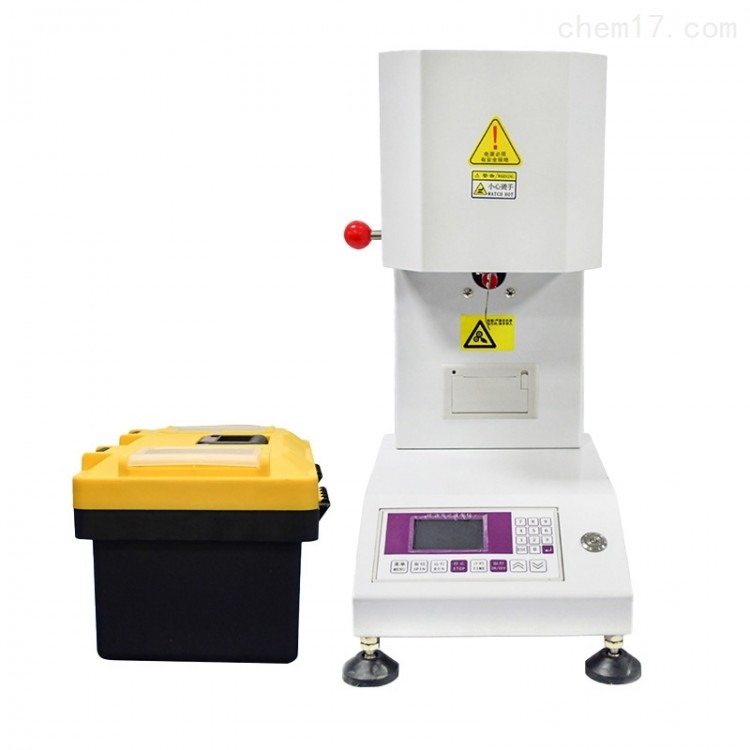









Melt Flow Rate (MFR) refers to the amount of thermoplastic material extruded under specified conditions within a certain period, which is also the mass of the melt passing through a standard die capillary every 10 minutes, measured in g/10 min. In the plastic production of industrial enterprises and the research of scientific and research units, the melt flow rate is often used to indicate the physical properties such as fluidity and viscosity of high polymers in the molten state. The higher the value, the lower the viscosity of the high polymer material, and the better the processing fluidity; conversely, a lower MFR value reflects poorer processing properties of the material.
Melt Flow Index Meter Technical Parameters:
| Temperature Range | 0℃-400℃ |
| Temperature Fluctuations | ±0.5℃ |
| Temperature Display Resolution | 0.1℃ |
| Barrel diameter | Φ9.55mm±0.025mm |
| Mold inner diameter | Φ2.095mm±0.005mm Φ1.180mm±0.010mm |
| Power Supply | AC220V 50Hz |
| Dimensions | 250mm×400mm×500mm |
| Net Weight | Approximately 70 kg |
I. Overview
A Melt Flow Indexer is an experimental device used to measure the melt flowability of plastic materials. It is commonly employed for quality control and product evaluation, particularly widely used in the plastic processing industry. The LT-908 Digital Melt Flow Rate Tester assesses the flow properties by heating a solid plastic sample under a specific temperature and applying a certain pressure to observe its melt flow capability. This instrument can provide the Melt Flow Index (MFI) or Melt Flow Rate (MFR) of plastic materials, which are crucial parameters for the plastic production process and product performance.
Section II: Features and Applications:
Melt Flow IndexerUsed to measure the melt flow rate of various high polymers in their melt flow state. It indicates the mass or volume of melt passing through a standard die every 10 minutes at a certain temperature and load, represented by MFR or MVR. It is applicable to engineering plastics with high melting temperatures such as polycarbonate, polyarylsulfone, fluoroplastics, nylon, as well as plastics with lower melting temperatures like polyethylene, polybutylene, polypropylene, ABS resin, and polyformaldehyde resin. Widely used in plastic production, plastic products, petrochemical industries, and related educational institutions, research units, and inspection and quarantine departments. Complies with the requirements of GB/T 3682 "Determination of Melt Mass Flow Rate and Melt Volume Flow Rate of Thermoplastic Plastics" and ISO 1133 standards.
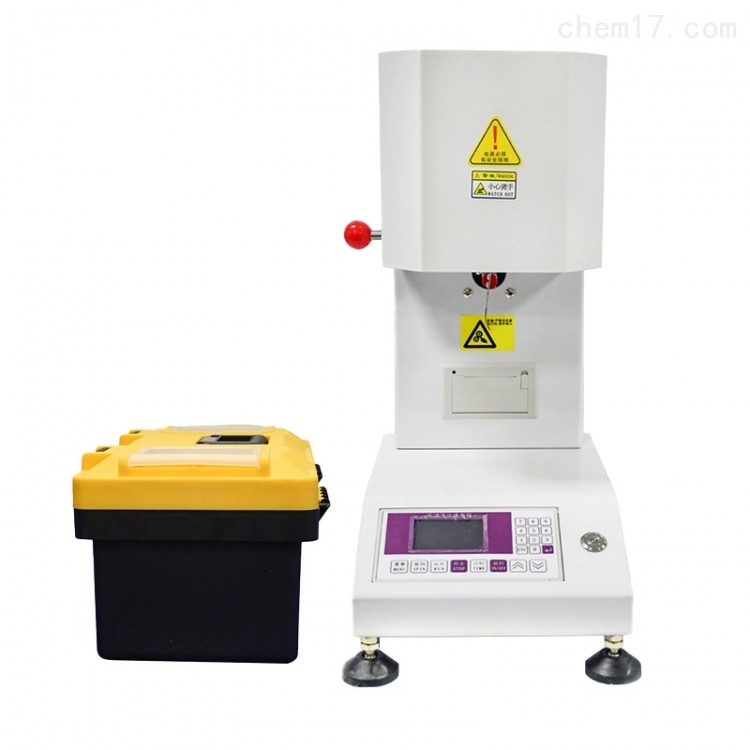
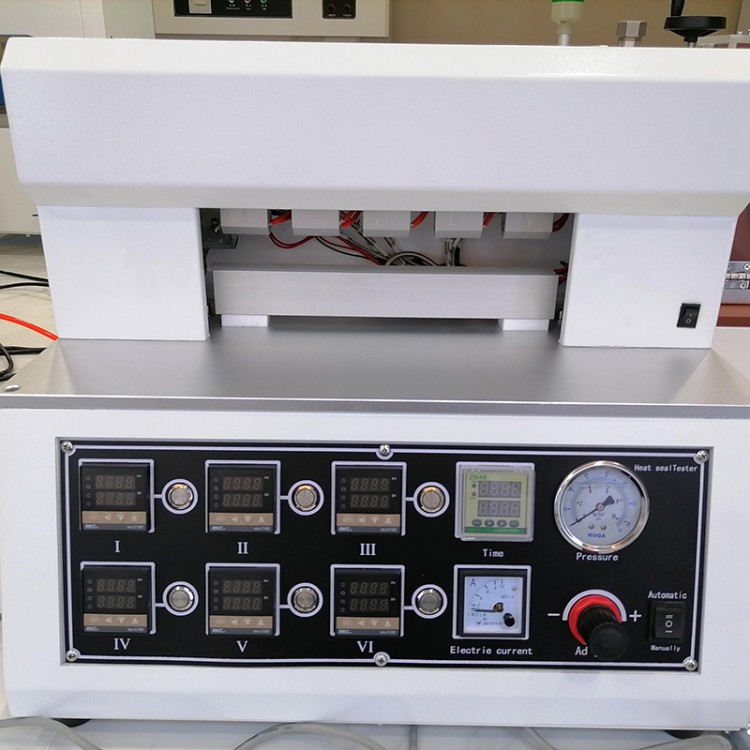
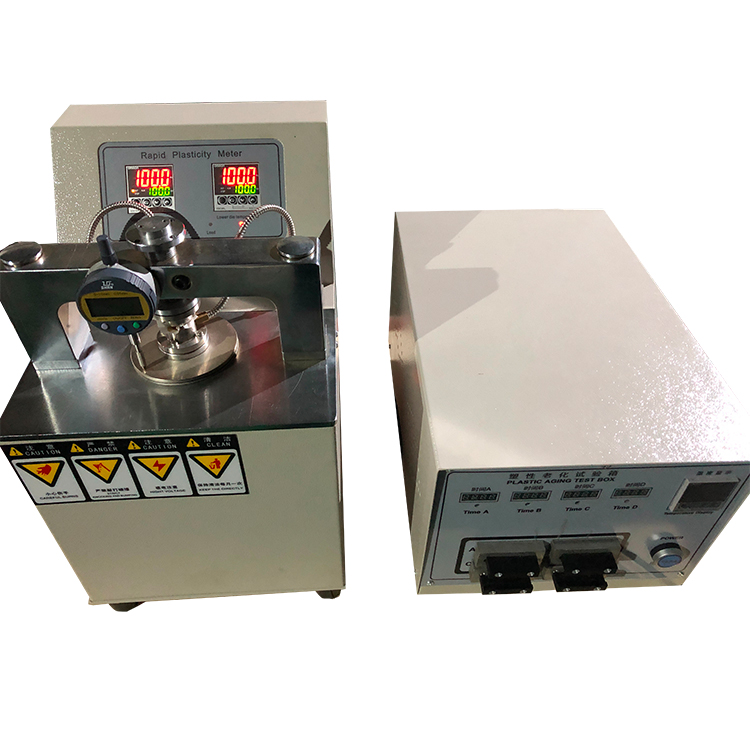
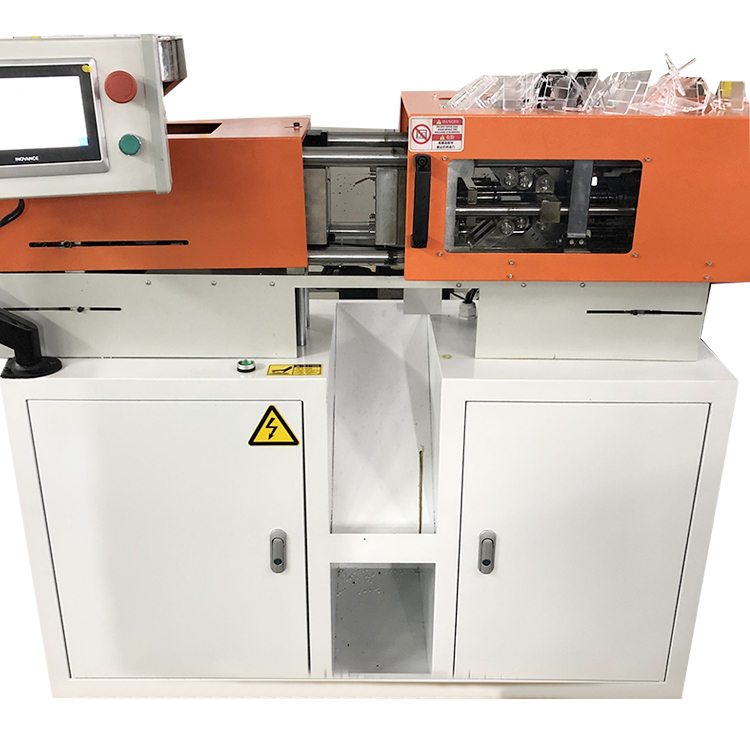
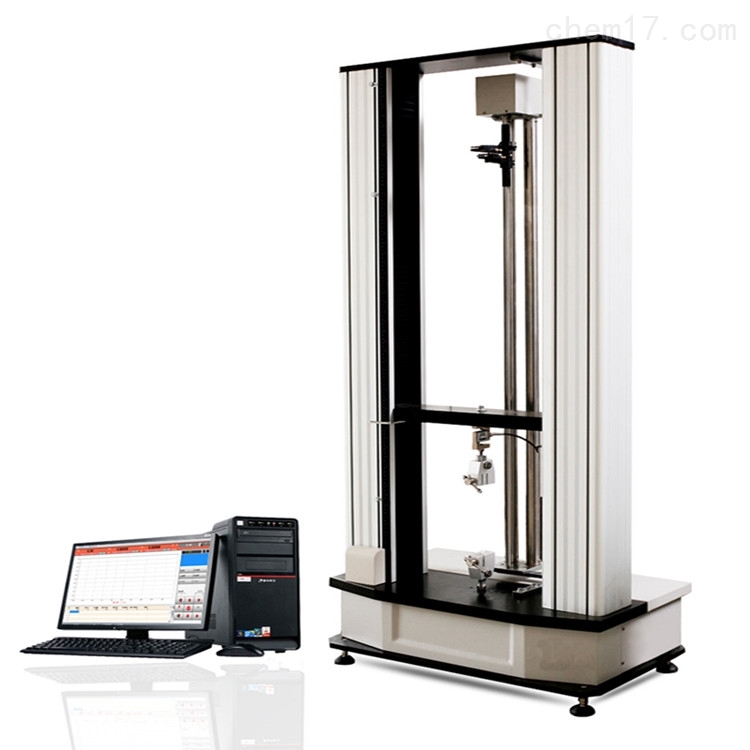
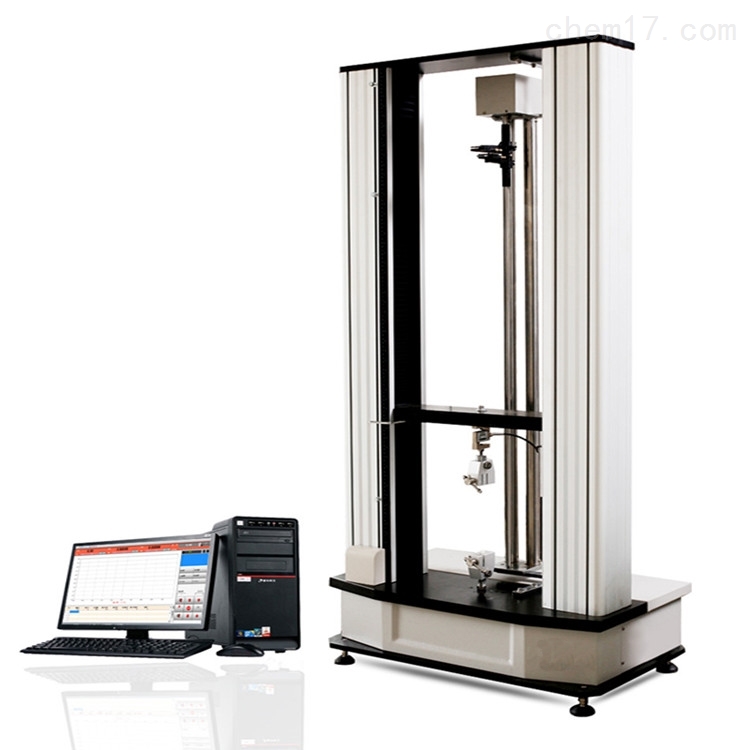
Melt Index Gauge Product Display Image