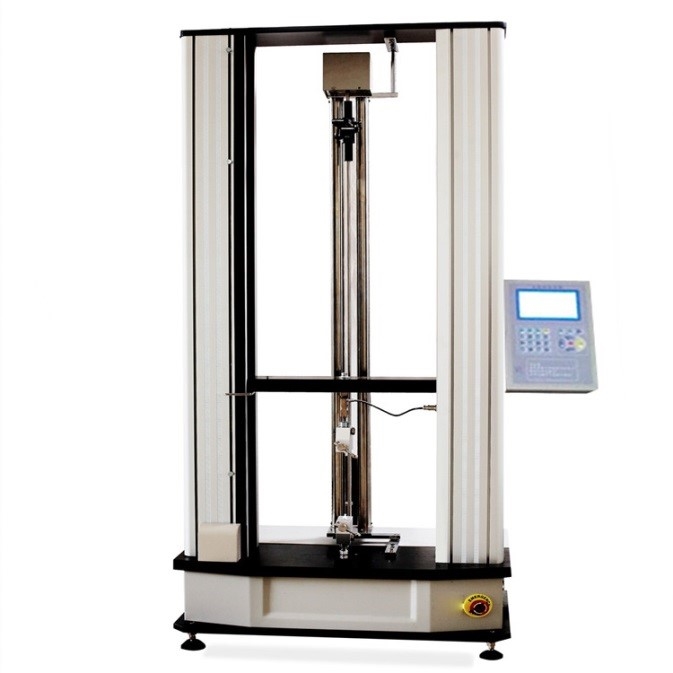

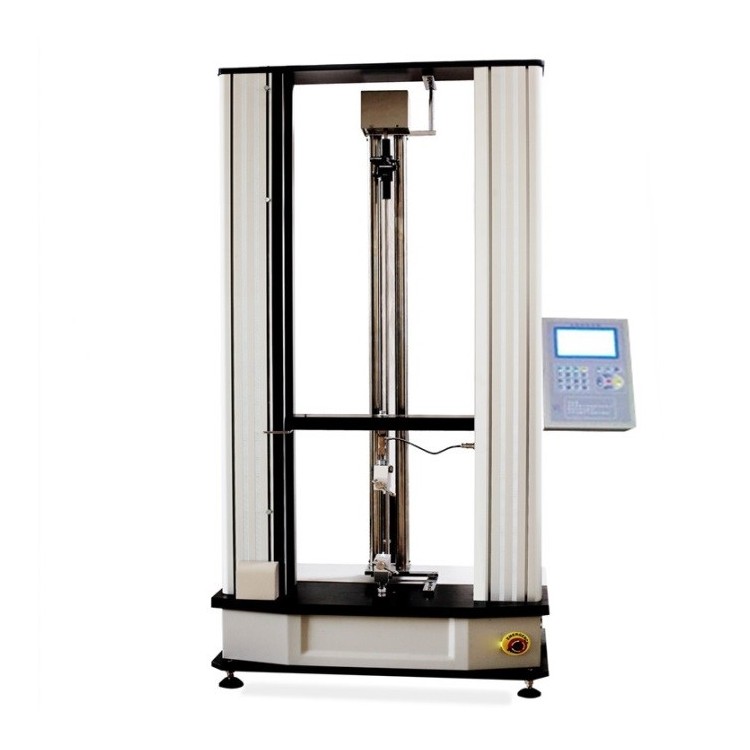

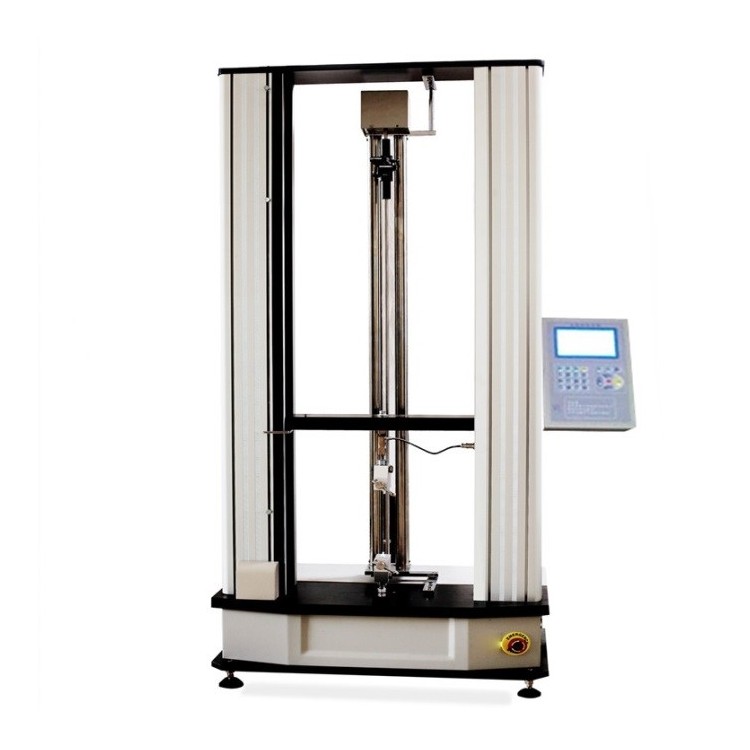


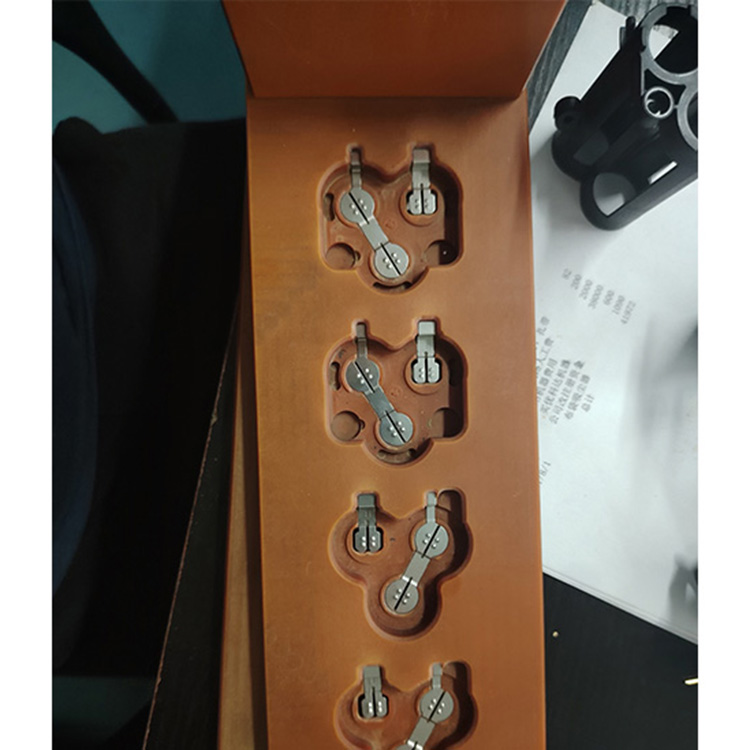
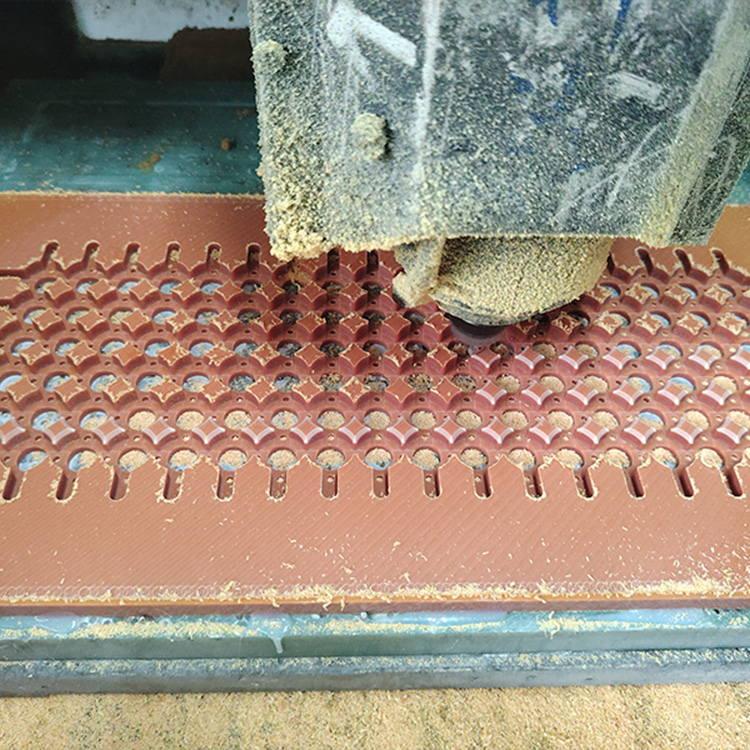





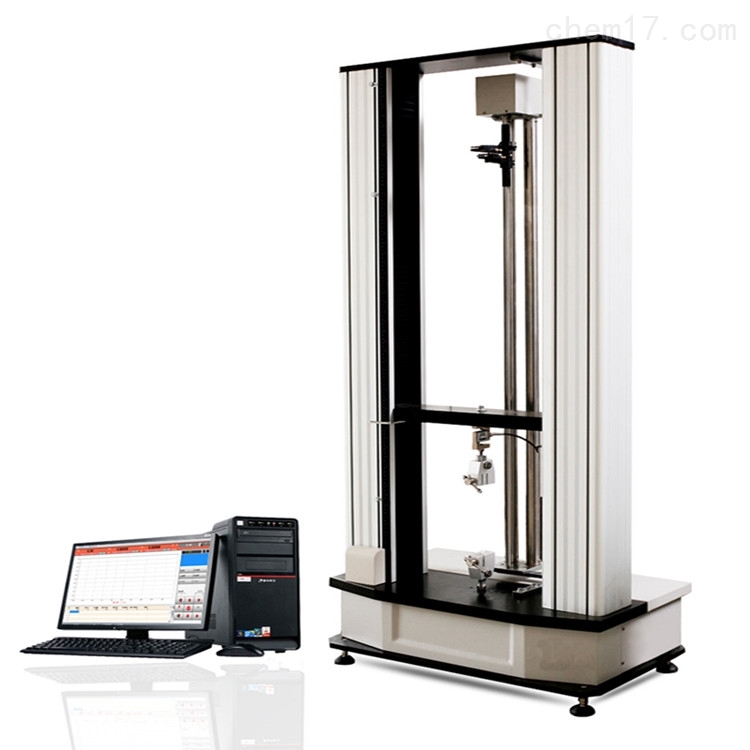
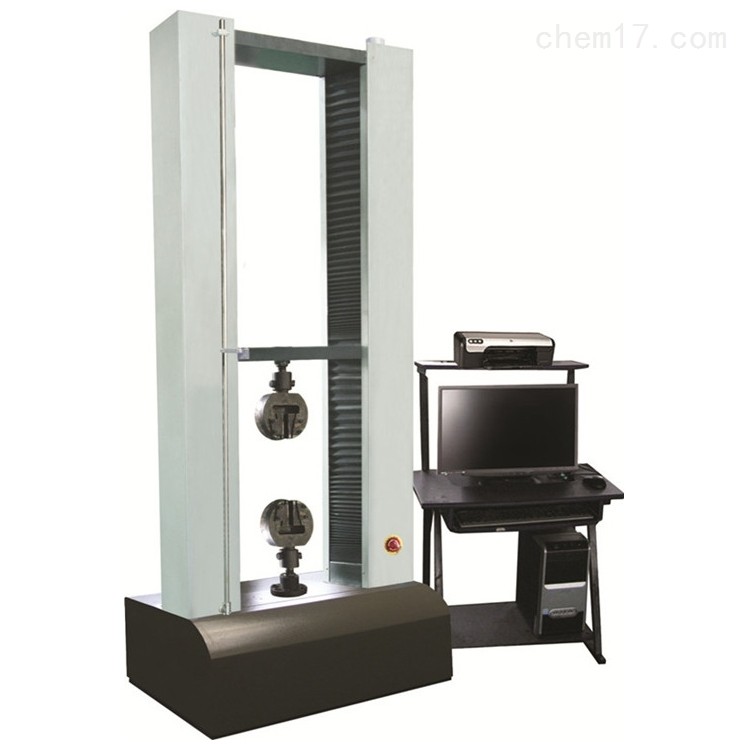
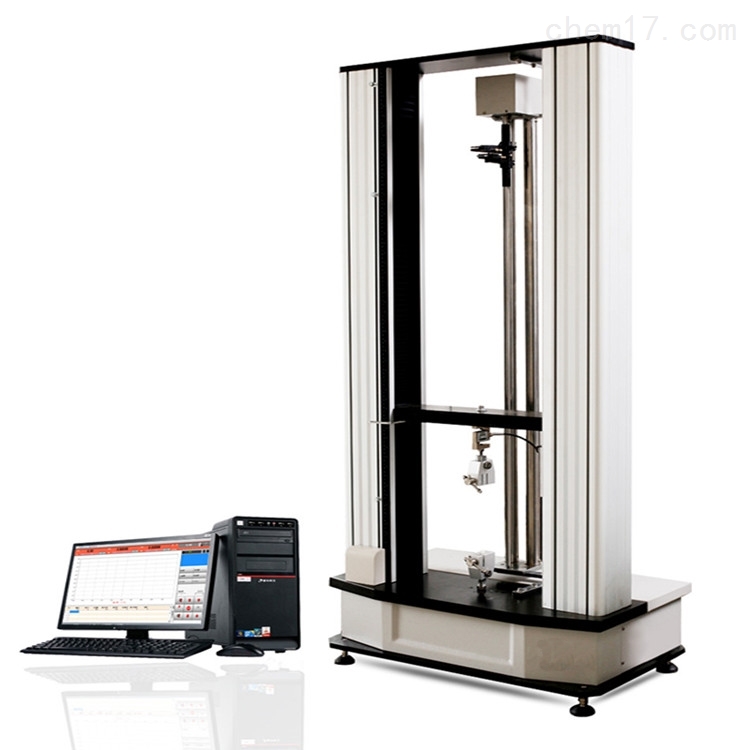
Machine Model: LT-802, LCD DisplayTensile Testing Machine
1. Liquid crystal displayTensile testing machineUsage
The LT-802 LCD display tensile testing machine is primarily used for mechanical property tests such as tension, compression, bending, tearing, peeling, and shearing on various non-metallic and metallic materials.
2. Liquid Crystal Display (LCD)Tensile Testing MachinePerformance Features
A. Equipped with high-precision sensors, offering advantages such as high accuracy and good linearity.
B. The power system utilizes a stepper motor + driver + ball screw + synchronous belt transmission, ensuring smooth operation and zero noise.
C. Display: LCD screen, easy and convenient operation.
D. Units of force are interchangeable, with units such as T, Kg, N, kN, etc.
E. Professional safety equipment with upper and lower travel limit protection to stop the machine, and automatic power-off protection for leakage.
F. Upon completion of the test, data such as force, yield strength, tensile strength, elongation, etc., can be automatically calculated according to the test requirements.
Section 3:液晶屏显拉力试验机 Applicable Standards: GB/T, ASTM, DIN, JIS, BS, etc.
Four. Technical Parameters of LCD Display Tensile Tester
A. Sensor Range: Selectable from 100N to 10KN
B. Test Force Display Resolution: 1/10,000
C. Test Force Indication Error: ±0.5%
D. Large deformation indication error: ±1%
E. Displacement Rate Range: 5-500 mm/min
F. Test Space: 900mm (including clamp)
G. Test Width: 350mm
Power Supply: 220V / 50Hz
I. Power: 400W
J. Machine dimensions: Approx. 540×900×1600 mm (Length x Width x Height)
K. Machine Weight: Approximately 180 Kg.
►Tensile Testing MachineDaily Maintenance Tips
Maintain cleanliness of the tensile testing machine, electronic equipment, and laboratory environment according to relevant requirements.
2. As per the user manual, cleaning and maintenance of the ball screw on the testing machine is required at specified time intervals. Clean with gasoline or other solvents and apply lubricant after cleaning.
3. If conditions permit, it is recommended to add a voltage stabilizer to the tensile testing machine.
4. Ensure the operating environment meets the specifications outlined in the manual, and prevent dust, corrosive substances, and water from entering the tensile testing machine.
5. Be mindful to apply rust prevention to parts prone to rust or those not in use for extended periods, and perform regular maintenance.
6. Be mindful to replace lubricating oil for the main unit equipped with a reducer according to the specified time and brand.
WeChat Official Account

Scan to follow Official Account