







【Product Overview】
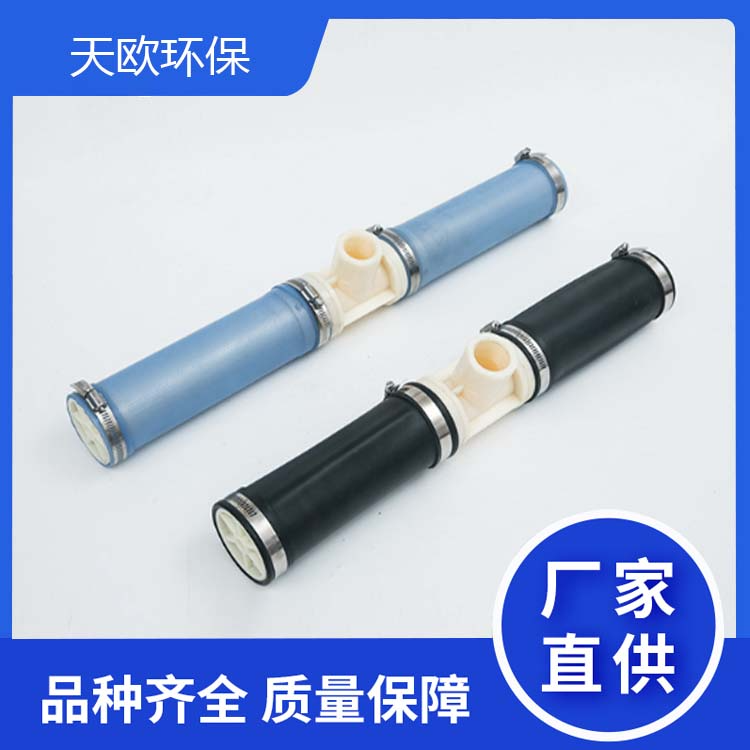
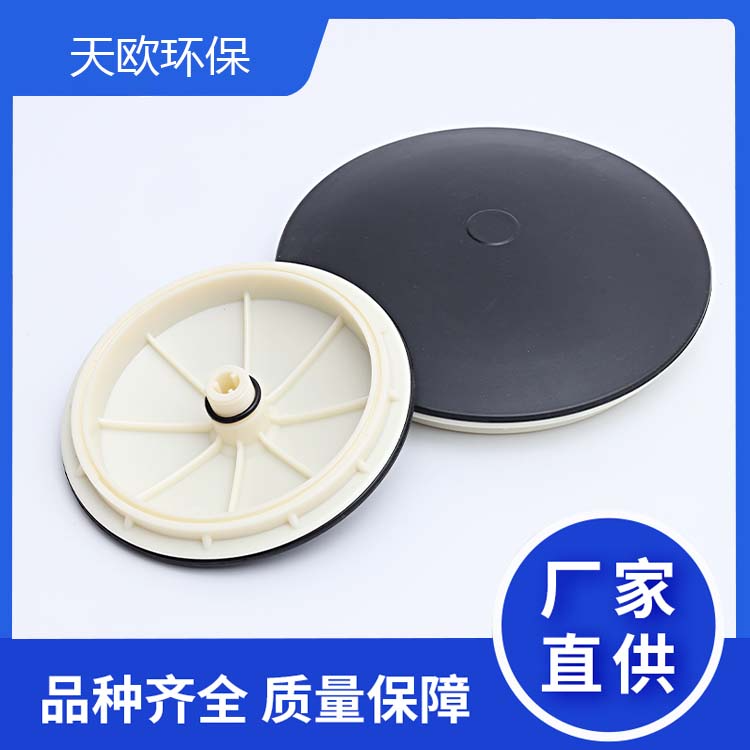
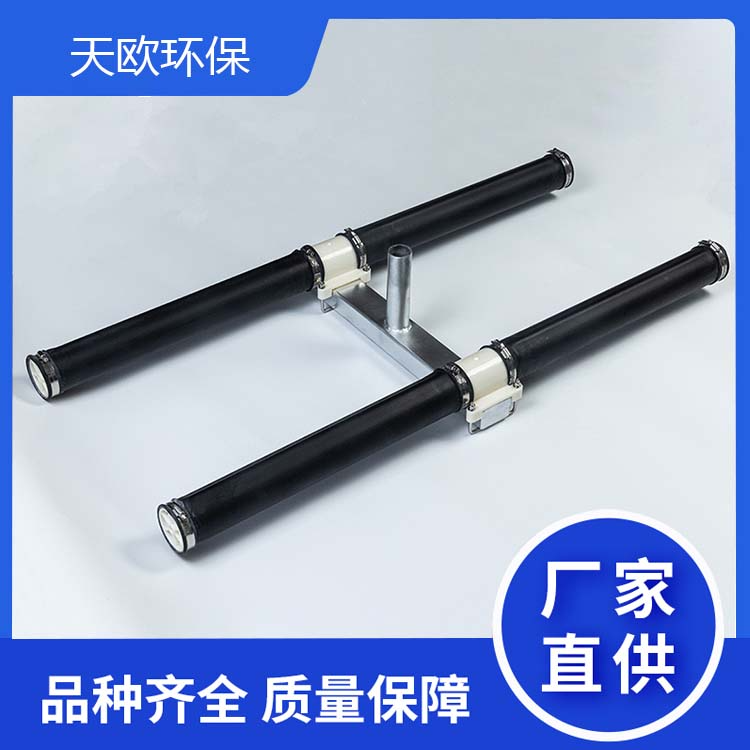
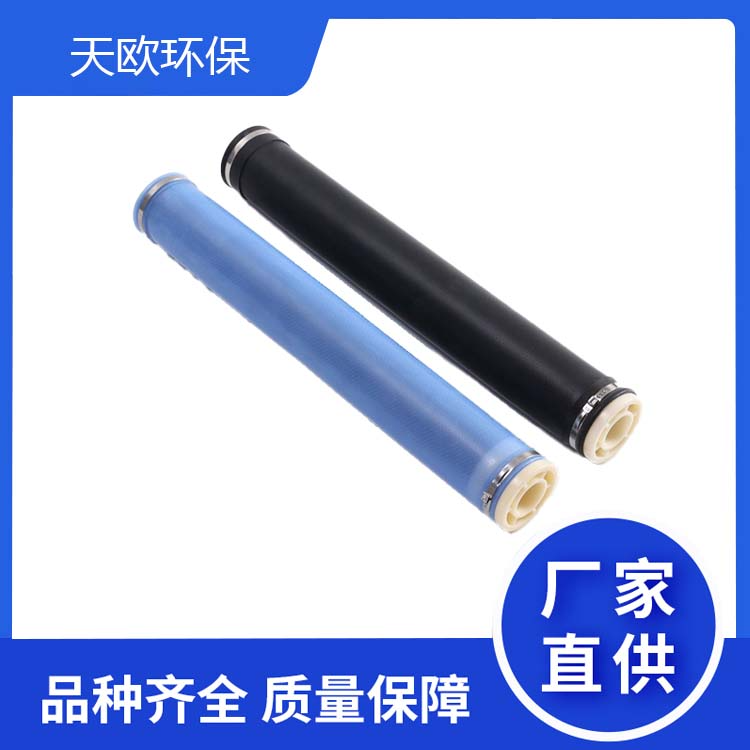
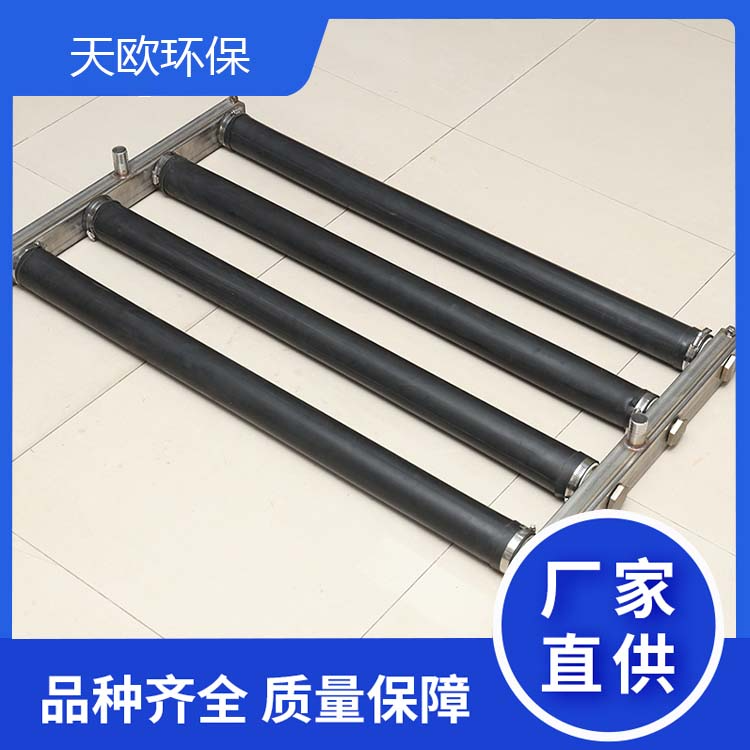
Our newly developed tubular rubber aeration device is primarily used for oxygenation in urban sewage and organic industrial wastewater treatment systems. It boasts simple structure, high oxygen utilization rate, reliable performance, non-clogging gas holes, no backflow of wastewater, uniform circumferential stress, long service life, easy installation and maintenance, and cost-effective system pricing. This product has long been reliant on imports, but through our in-depth research, we have elevated its performance to match international standards for similar products, thus saving a significant amount of foreign exchange for the country and advancing research in the micro-porous aeration field in China.
【Product Construction】
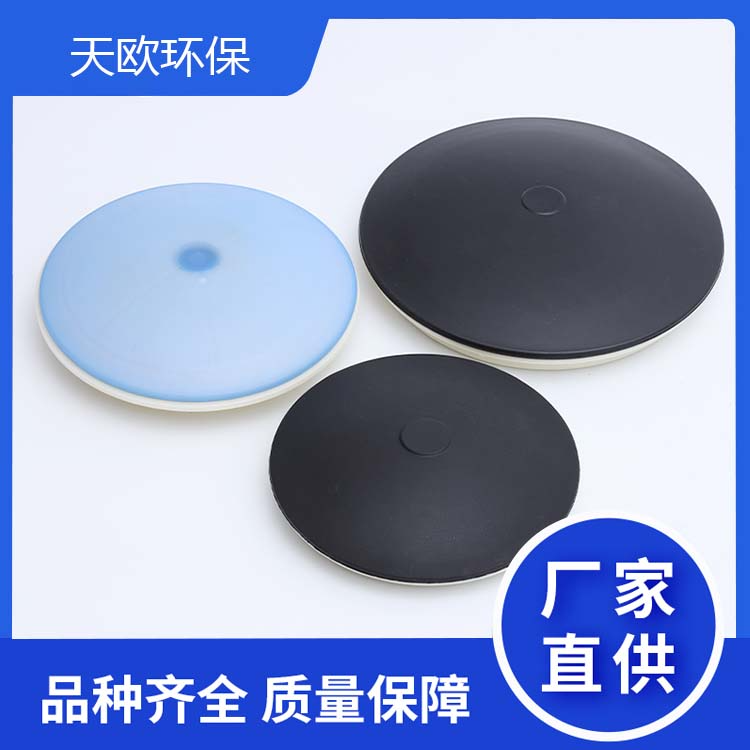
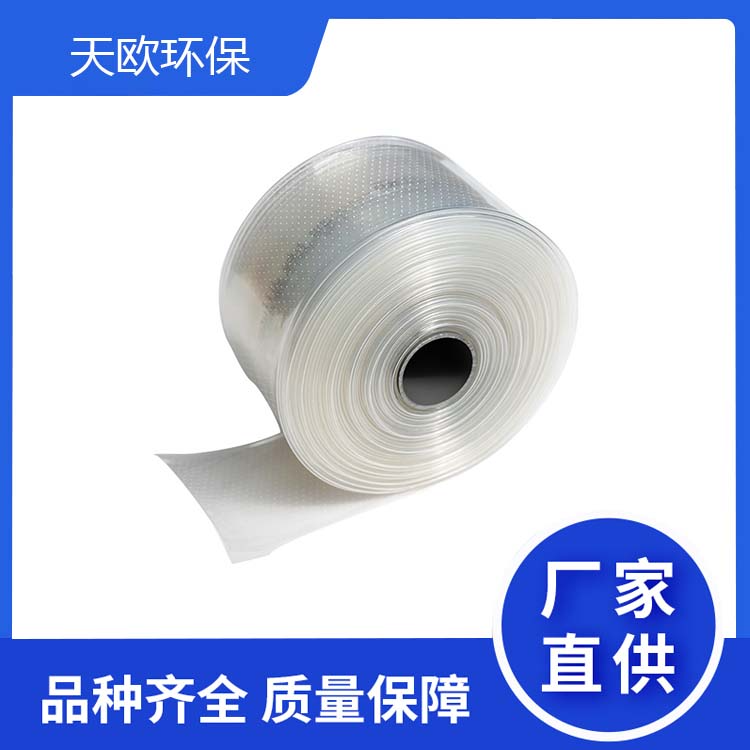
Rubber membrane tubes are made of silicone and三元乙丙橡胶(EPDM), featuring high heat resistance, ozone resistance, acid and alkali resistance, and excellent chemical stability. Compared to general rubber membranes, they can significantly extend their service life.
The aeration holes are in a linear elongated shape, providing excellent tensile and instantaneous closure properties. During aeration, they release micro-bubbles with a diameter less than 3mm, achieving a high oxygen utilization rate of 25-35%.
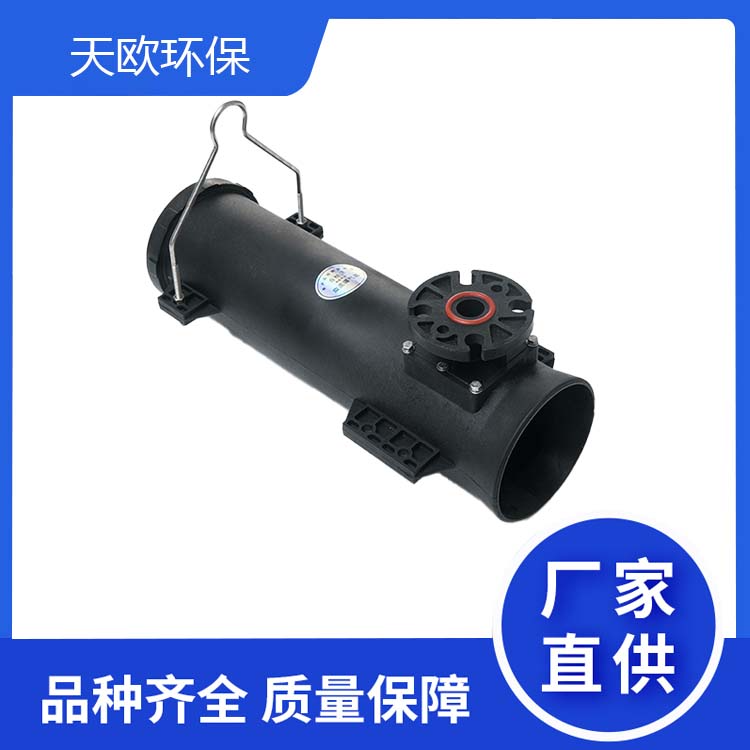
The support body is designed as hollow and filled with water, significantly reducing the buoyancy of the aeration device in the water.
The use of gas channels ensures rapid and even distribution of air in the aeration device, leading to uniform stress on the aeration membrane tubes, extending their lifespan and enhancing the uniformity of bubble release, thereby improving aeration efficiency. The gas channels are narrow grooves, and the rubber membrane tube areas above them are not pierced with aeration holes. When the supply of gas is stopped, the rubber membrane tightly adheres to the gas channels, preventing the occurrence of backflow of wastewater.
【Technical Specifications】