






















Product Description
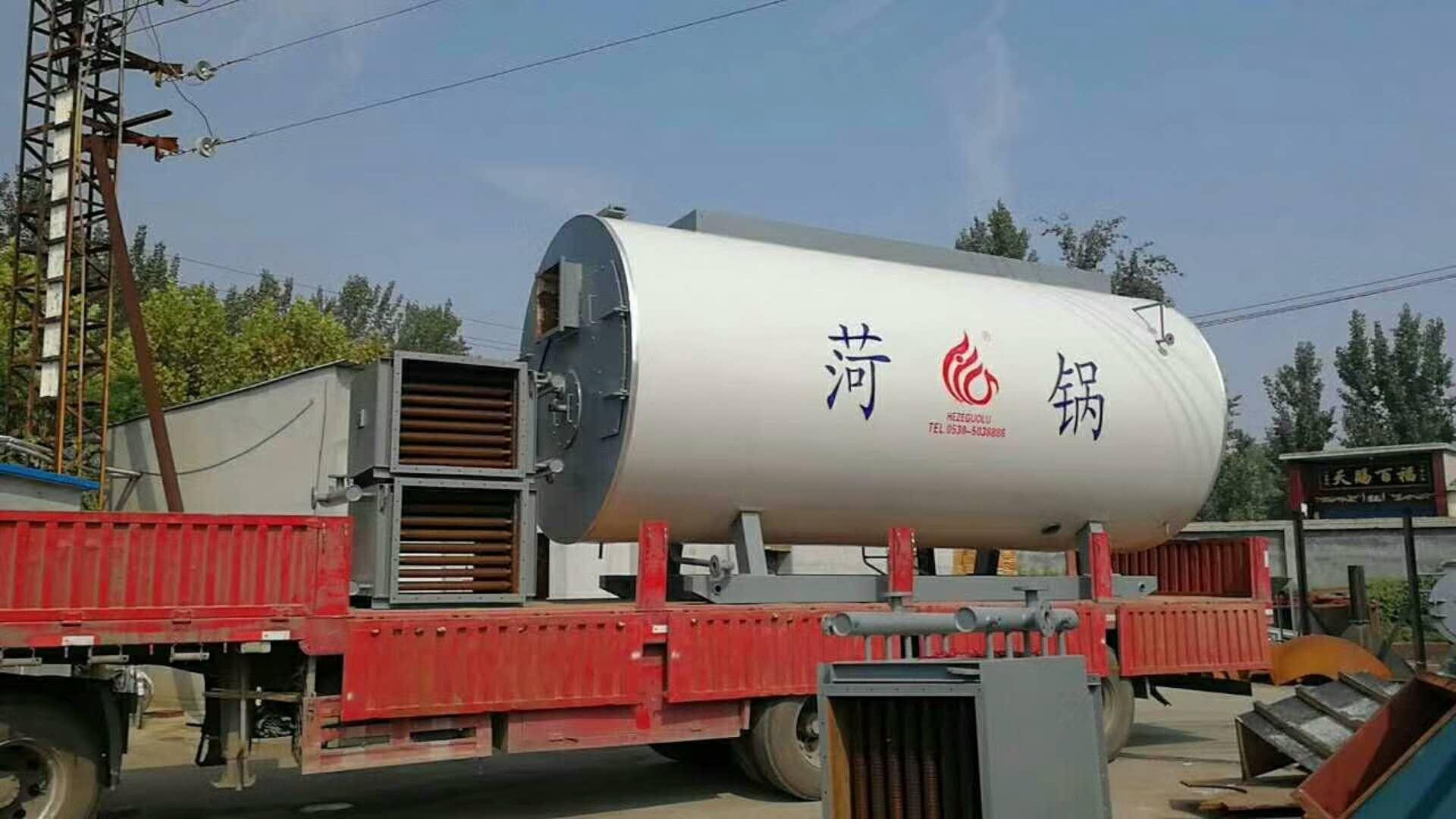
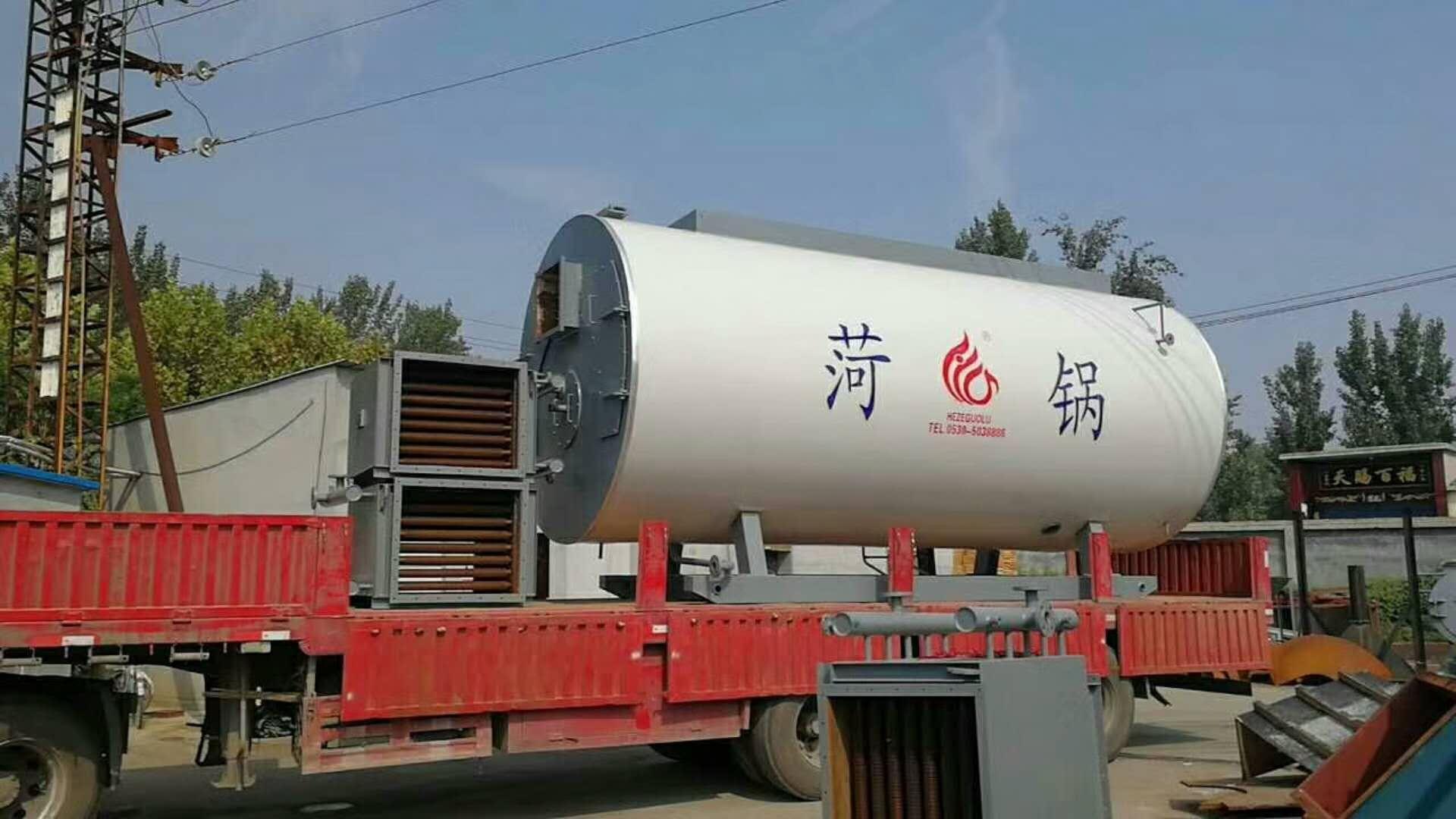
Brand He Guo Group Model CFW-60/0.8
Material: Stainless Steel, Diameter: 2916mm
Application Range -162℃ Volume 60000L
Heat Exchange Area - See drawing m², Ambient Temperature - See drawing °C
Wall Thickness: 8mm, Outer Dimensions: φ2916*14929mm
Origin: Shandong Heze
Jiangxi 60-cubic-meter LNG Storage Tank, Hunan 100-cubic-meter Natural Gas Storage Tank, 30-cubic-meter LNG Storage Tank Price

1.2 Pre-Pressure Regulation Preparation
1.2.1 Tool Preparation: explosion-proof wrench, two pairs of gloves, two sets of protective gear.
1.2.2 Job Preparation
Wear personal protective equipment, including antistatic clothing, static-free shoes, safety helmets, etc.
Ensure that devices prone to static electricity, such as mobile phones and computers, are placed in a safe area, and check if the surrounding environment meets safety standards and working conditions.
Before entering, rub your hands on the static discharge unit to release static electricity.
Verify that all pressure adjustment tools, such as explosion-proof wrenches, are fully stocked.
Check that the tank's pressure gauge, level gauge, thermometer, flammable gas detector, and safety valve are functioning normally.
Check if the pipeline valves, pressure gauges, and safety valves are in normal working condition.
(7) Prepare all explosion-proof tools
1.2.3 LNG Storage Vessel Gas Supply Process:
All valves on the tanks to be pressurized, except for the root valve and the emergency shutdown valve, are in the closed position.
Open the lower tank inlet valve and the booster liquid and vapor phase valves, check that both valves of the booster vaporizer are in the open position.
Open the low-temperature cutoff valve before the gasifier, the ambient temperature flanged ball valve after the gasifier, and all valves required to be opened in the pressure regulation system.
When the gas supply rate is less than 1000-2000 Nm3/h, one storage tank is sufficient to meet the gas supply requirements.
5. Flow:
5.1 When the tank pressure rises above 0.15MPa higher than the outlet pressure, slowly open the liquid outlet valve to initiate the gas supply operation.
5.2 Record the liquid storage tank number and the start of gas supply.
5.3 Pay close attention to the tank's liquid level, pressure changes, and variations in the flow and pressure at the exit during gas supply.
1.2.4 Operation Procedure for Self-pressurization of LNG Tanks
During manual operation, open the valves: the boost liquid phase valve, the boost gas phase bypass valve, and the vaporizer inlet valve, allowing LNG to flow directly into the self-boosting vaporizer. After vaporization, it enters the LNG storage tank. At this point, closely monitor the pressure. Close the boost liquid phase valve when the pressure in the LNG storage tank reaches the required level.
Cautionary Notes:
During the operation of the LNG storage tank, the liquid level must be maintained at ≤90% for the upper limit and ≥15% for the lower limit. (2) When manually operating the self-pressurization system, it is strictly prohibited to leave the site unattended.
(3) When the self-pressurizing system is in operation, the pressure-reducing system should be in the off state.
Cautionary Notes:
During operation, the LNG tank must maintain a liquid level of ≥15%.
(2) When operating manually, it is strictly prohibited to leave the site unattended.
1.2.5 Risk Analysis and Countermeasures
During LNG tanker loading and unloading, operators should wear masks, antistatic work clothes, and antifreeze gloves, etc.
When unloading LNG tankers, the vehicle must not move to prevent the hoses from being pulled apart and causing a large LNG leak.
When LNG is inside the pipeline, both ends' valves cannot be closed simultaneously.
Keep hands and feet off low-temperature pipelines and equipment.
Under no circumstances should water, oil, mechanical impurities, etc., enter the pipeline to prevent blockages.
Absolutely no striking, using fire to bake, or spraying water on the frozen parts.
To ensure the safety of the working environment, operators must wear personal protective equipment, discharge static electricity from their bodies before entering the station, and no open flames are allowed within the site operation area. Additionally, non-explosion-proof tools and electronic devices are strictly prohibited.
Adhere strictly to the operation ticket system, following the steps outlined in the ticket. On-site operators must consist of at least two people: one to perform the operation and another to supervise, ensuring safety throughout the process.
Conduct safety training prior to operation, implement on-site safety precautions effectively. In case of danger, know how to evacuate and control the situation.
1.2.6 LNG Tank Maintenance and Care Procedure
Operations technicians at liquefied natural gas (LNG) stations must be familiar with the structure and principles of storage tanks and strictly adhere to operational procedures for LNG-related activities.
LNG operation technicians must be familiar with the performance and principles of storage tank accessories (pressure gauges, level gauges, temperature gauges, vacuum gauge valves).
The outer shell of the Liquefied Natural Gas (LNG) storage tank is an external pressure vacuum vessel; welding operations under negative pressure are strictly prohibited. 4. Conduct regular inspections of the outer shell of the storage tank to observe for any signs of icing or frost formation. Upon discovery of icing or frost, promptly report to the on-duty supervisor and station master. The on-duty supervisor or station master should immediately contact the manufacturer to investigate the cause and address the issue promptly. During the resolution process, closely monitor any changes in the icing or frost conditions. If there is a tendency for the incident to escalate, immediately initiate tank draining or halt the filling operation, and close the relevant emergency shutdown valves at the inlets and outlets.
Regularly inspect the storage tank's connecting pipes, valves, etc., for frost formation. Report any issues to the on-duty supervisor immediately, who will then arrange personnel to address the situation.
Regularly inspect the pressure gauge, level gauge, and thermometer on the storage tank to ensure the readings are normal. 7. Regularly check the sealing performance and operation of the connecting valves to ensure proper functioning.
Regularly inspect and calibrate safety valves, pressure gauges, level gauges, and thermometers according to regulations, ensuring proper operation and timely updating of equipment inventory records.
Regularly perform anti-corrosion treatment on the external cylinder of the storage tank and carry out visual cleaning and maintenance of the pressure gauge, level gauge, and thermometer on the tank.
Regularly perform rust removal and anti-corrosion treatment on the easy-to-rust areas such as pressure and level control valves of storage tanks.
11. Conduct annual or on-site operational vacuum level inspections of the storage tank to monitor its operational status.

Jiangxi 60 cubic meter LNG storage tank, Hunan 100 cubic meter natural gas storage tank, 30 cubic meter LNG storage tank price
Product Description
Brand Hoekou Group Model CFW-100/0.8
Material: Stainless Steel | Diameter: 3400mm
Application Range -162℃ Volume 100,000L
Heat Exchange Area See drawing sqm Ambient Temperature See drawing °C
Wall Thickness: 10/12mm, External Dimensions: 3424*16442mm
Origin: Shandong Heze
60-cubic-meter LNG tank price, 30-cubic-meter and 60-cubic-meter LNG storage tanks supplied by factory
3. LNG Tank Fault Inspection and Handling 3.1 Daily Inspection
3.1.1 Are the level gauges and pressure gauges functioning properly?
3.1.2 Are the stop valves, regulating valves, and safety valves in normal working condition?
3.1.3 Tank, piping, and valves for any leaks.
3.2 Regular Inspections
3.2.1 Pressure gauges should be calibrated annually and accompanied by a test certificate with a lead seal.
3.2.2 The safety valve should be calibrated annually and sealed with lead.
3.2.3 Low-temperature liquids should be analyzed every three to six months as needed for operations.
3.3 Troubleshooting
Fault occurred
Reason
Mitigation Measures
1. Abnormal inner tube pressure
(Raise or Lower)
A pressure gauge distortion
B tank vacuum reduced
Valve operation error
A pressure gauge
B-weight vacuum extraction
C conforms to the manual's operating requirements.
Level gauge distortion
Improper operation of the A level gauge valve
The B level gauge is damaged.
Reoperate as per requirements.
B Replace with New Level Gauge
3 External tank frosting
Vacuum Failure
B-laminate leakage
C Pearl-like sand sinking
A re-evacuate the vacuum
B pressure test and leak check, then evacuate air
C Balance Intermediate Layer Refilling Pearl Sand and Re-Extracting Vacuum
Note:
1. If the user needs to evacuate or re-install pearlescent sand in the sandwich, they must first empty the inner cylinder liquid and wait until the inner cylinder returns to room temperature before proceeding.
2. If users encounter issues that are difficult to handle, they can promptly contact our after-sales service department. Our company offers a three-year quality warranty for its products. We also provide repair services for products beyond the warranty period and for non-company products.
4. Cautionary Notes
4.1 The vacuum valve is sealed before the product leaves the factory. After the storage tank is delivered to the customer's site, the customer must ensure the protection of all pipeline valves during installation, particularly the vacuum valve, and strictly prohibit any collision or opening of the vacuum valve.
4.2 Do not empty the liquid in the storage tank unless it will be unused for a long period, to prevent the inner cylinder from overheating and requiring recooling when refilling, which would cause unnecessary losses.
4.3 The low-temperature liquid storage tank can be used to store liquid nitrogen, liquid oxygen, and liquid argon, among the three types of liquids. However, when switching to another liquid, the original liquid must be completely emptied and purged to a qualified standard before filling with the new liquid.
Note:
1. The fill valve opens when the liquid is nearly full, closes when liquid starts to flow, and stops the inflow. For the first filling, start from the top and then proceed to the bottom.
2. Open when discarding residual liquid.
3. Open the vent valve when the container pressure is too high.
4. The container automatically opens when over-pressurized. Normally, only one is used; if the working one fails, the other is immediately activated to ensure the safe operation of the storage tank. The damaged safety valve is then repaired and inspected, and promptly reassembled upon passing quality checks.
5. The inner cylinder automatically starts upon opening the pressure boost valve when the need for increased pressure arises.
6. The level gauge is often turned off during normal operation.
7. Burst upon overpressure; immediate replacement required post-burst.

Natural Gas Storage Tank Pricing - 100 Cubic Horizontal LNG Storage Tank, Factory Direct, Price Advantage, High Vacuum Level


现货液化天然气储罐制作-燃气导热油锅炉液化天然气储罐菏泽锅炉厂有限公司-专业制造液化天然气储罐多少钱-液化天然气储罐液化天然气储罐菏泽锅炉



















