




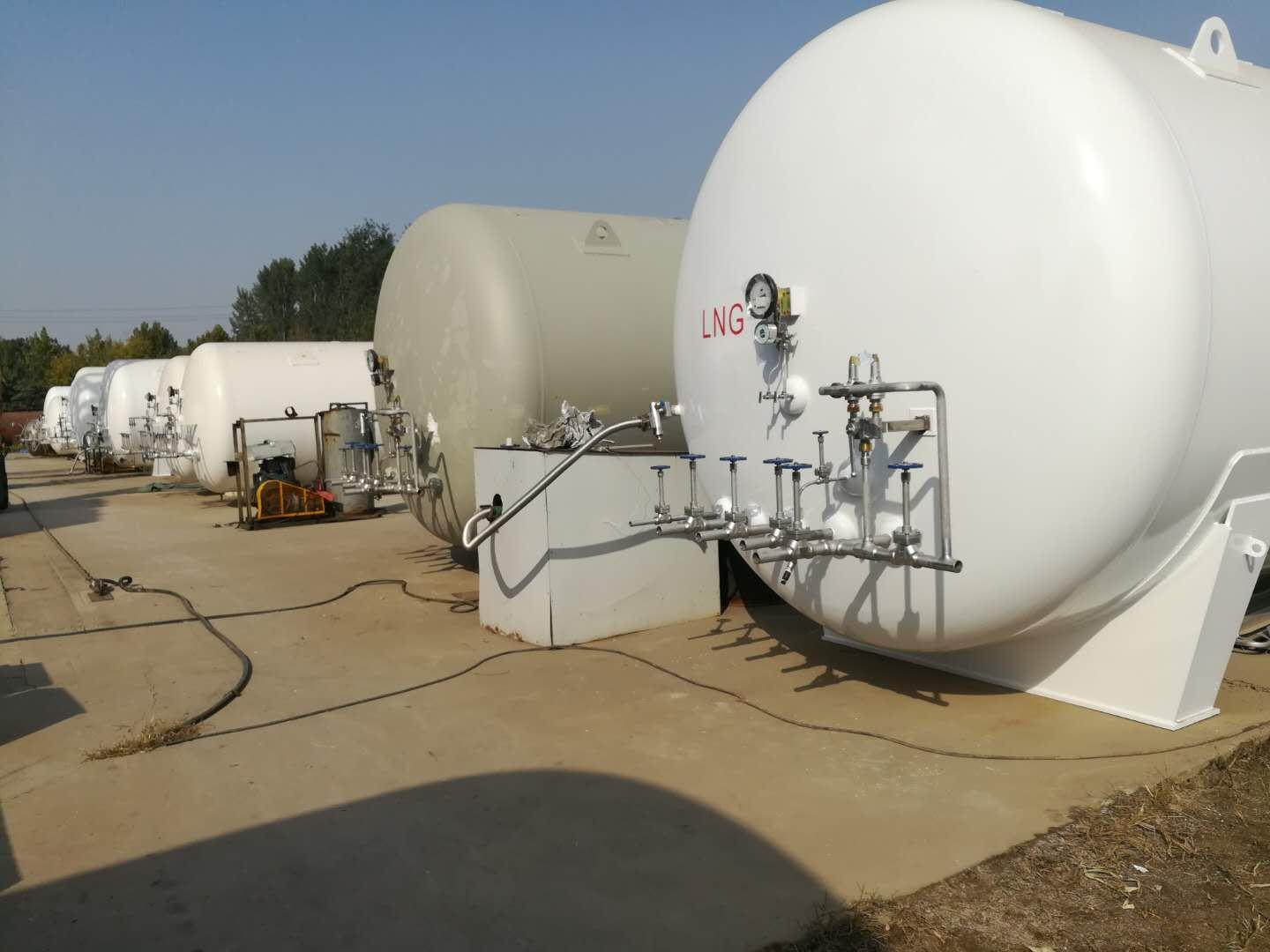
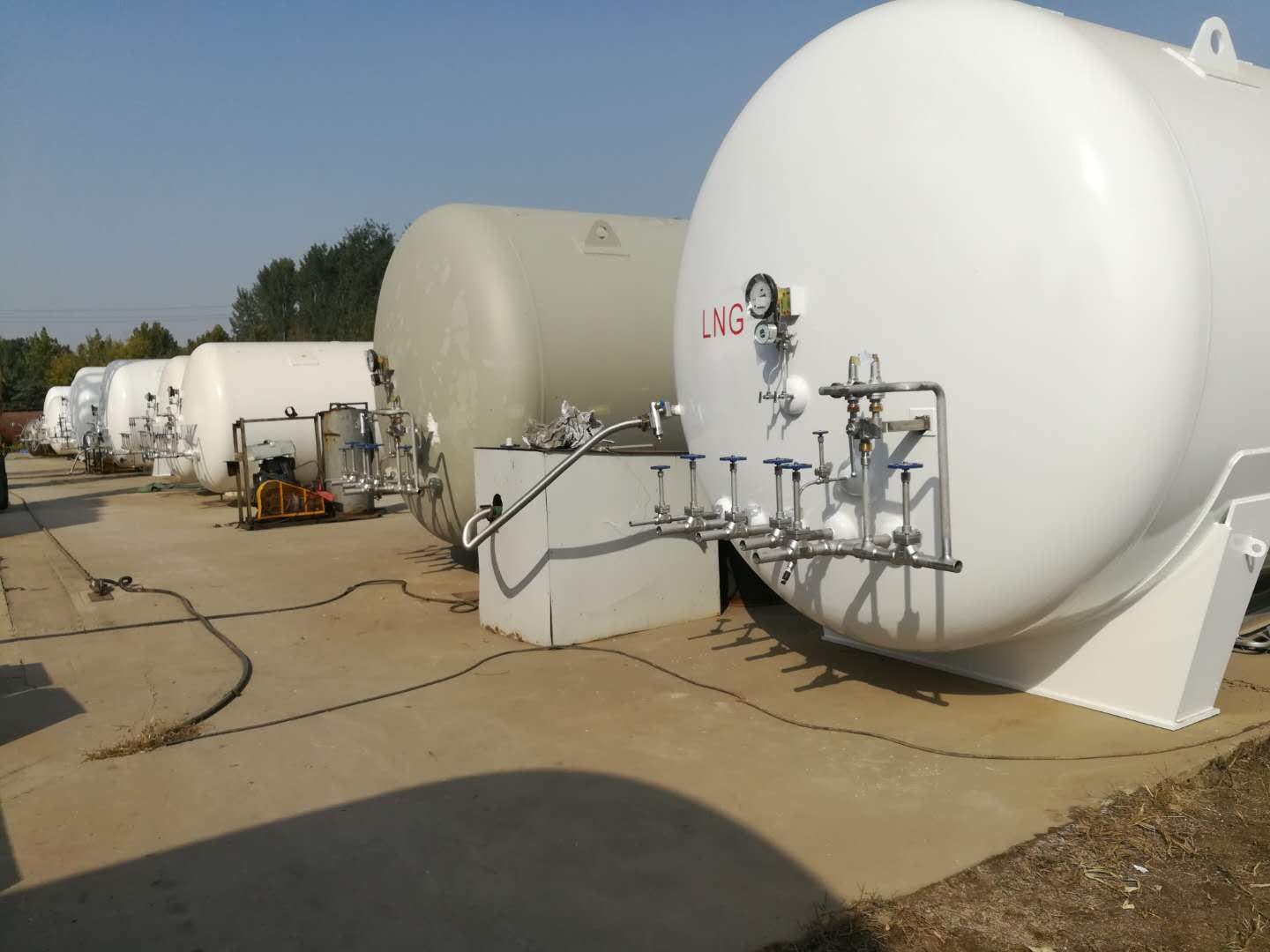


















30, 60, 100 cubic LNG storage tank vaporization station valves, piping materials, pipe fittings
Valve Selection and Design
Process system valves should meet the pressure and flow requirements for transporting LNG, while also having low-temperature performance of withstanding -196℃. Common LNG valves include pressure relief valves, pressure reducing valves, emergency shut-off valves, low-temperature stop valves, safety valves, check valves, etc. The valve material is 0Cr18Ni9.
2. Pipe, fittings, and flange selection and design
Pipes with medium temperatures ≤ -20°C are made of seamless stainless steel tubes for fluid conveyance (GB/T 14976—2002), with material 0Cr18Ni9. Pipe fittings are all made of seamless stamped fittings with material 0Cr18Ni9 (GB/T 12459). Flanges are of long-neck butt-welding steel pipe flanges with male and female faces (HG 20592), also with material 0Cr18Ni9. The法兰seal gaskets are of metal-wrapped type, with material 0Cr18Ni9. Fasteners used are special double-ended studs and nuts, with material 0Cr18Ni9.
Process pipelines with medium temperatures greater than -20°C, for nominal diameters ≤ 200 mm, use seamless steel tubes for conveying fluids (GB/T 8163), material No. 20 steel; for nominal diameters > 200 mm, use welded steel tubes (GB/T 3041-2001), material Q235B. All pipe fittings are made of seamless forged pipe fittings with material No. 20 steel (GB/T 12459). Flanges are used with raised face and neck welding steel pipe flanges (HG 20592), material No. 20 steel. The flange sealing gasket is a flexible graphite composite pad (HG 20629).
LNG process pipelines are installed using焊接 connections, with only necessary flange connections. Insulation is achieved in low-temperature process pipelines with polyurethane insulated supports and composite polyethylene insulated pipe shells. Carbon steel process pipelines are treated for corrosion resistance.
Section 6: Fire Protection Design for LNG Gasification Stations
The fire protection design of the LNG gasification station is based on the LPG section of CB 50028 "Urban Gas Design Code." A dike area is set around the LNG storage tanks to minimize the damage to surrounding facilities in case of an accident. A sprinkler system is installed on the LNG storage tanks with a sprinkling intensity of 0.15 L/(s·m²). The water usage for sprinkling is calculated based on the total surface area of the storage tank on fire. For adjacent storage tanks within a diameter of 1.5 times that of the fire tank, the calculation is based on 50% of their surface area. The water usage for fire hoses is selected according to GBJ 16 "Code for Fire Protection Design of Buildings" (2001 edition) and GB 50028 "Urban Gas Design Code" (2002 edition).



















