


















Low-temperature Storage Tank Performance:
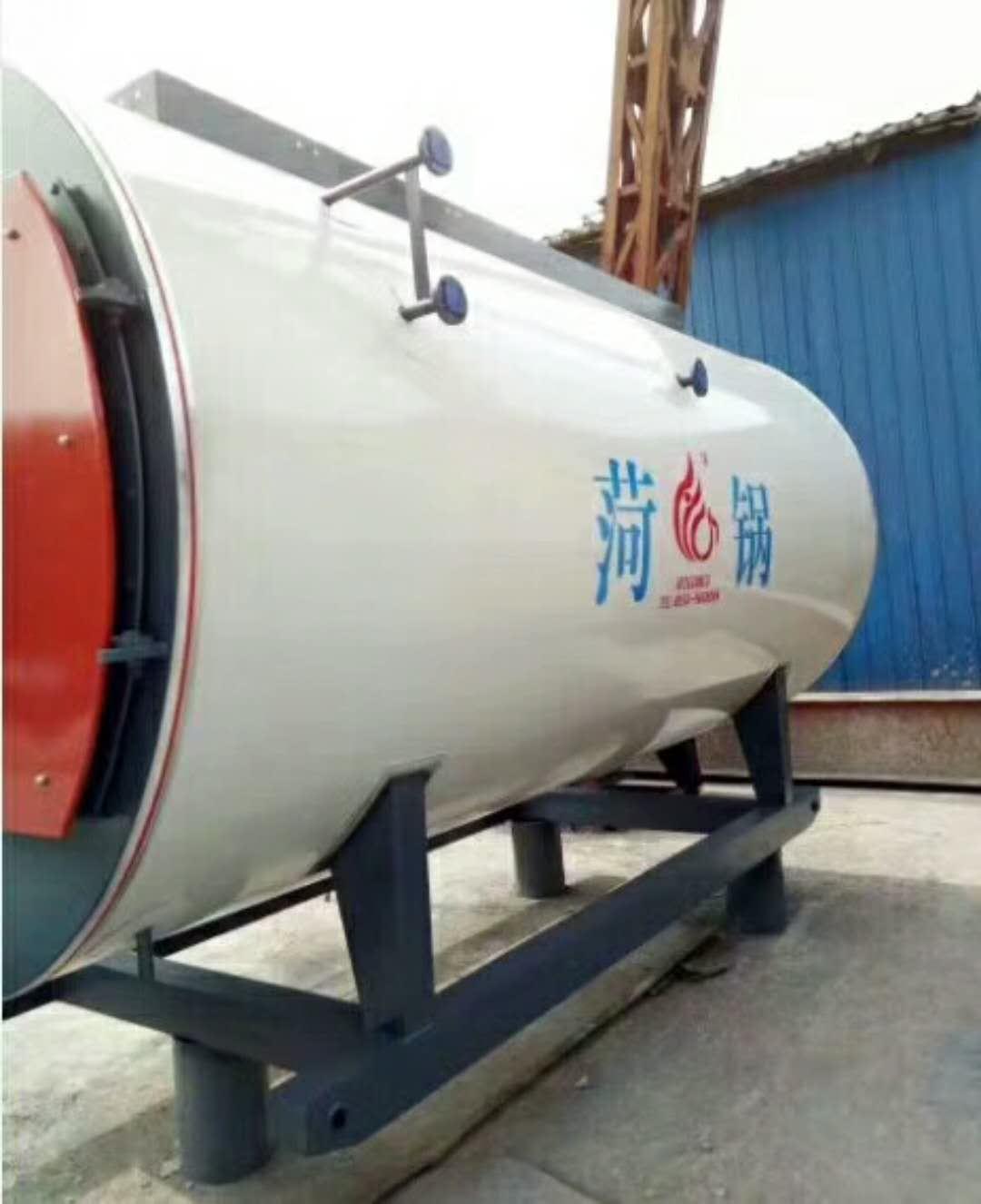
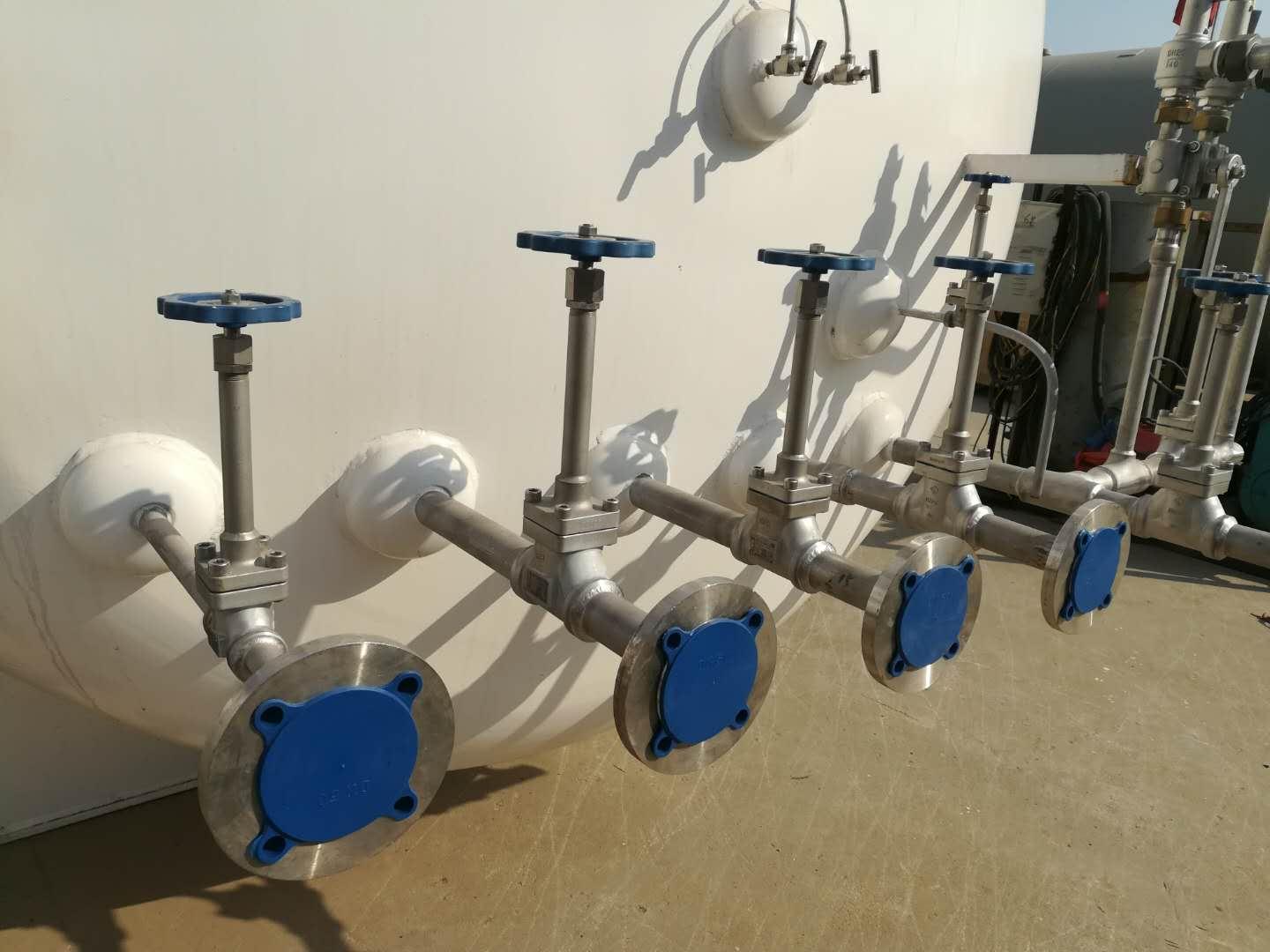
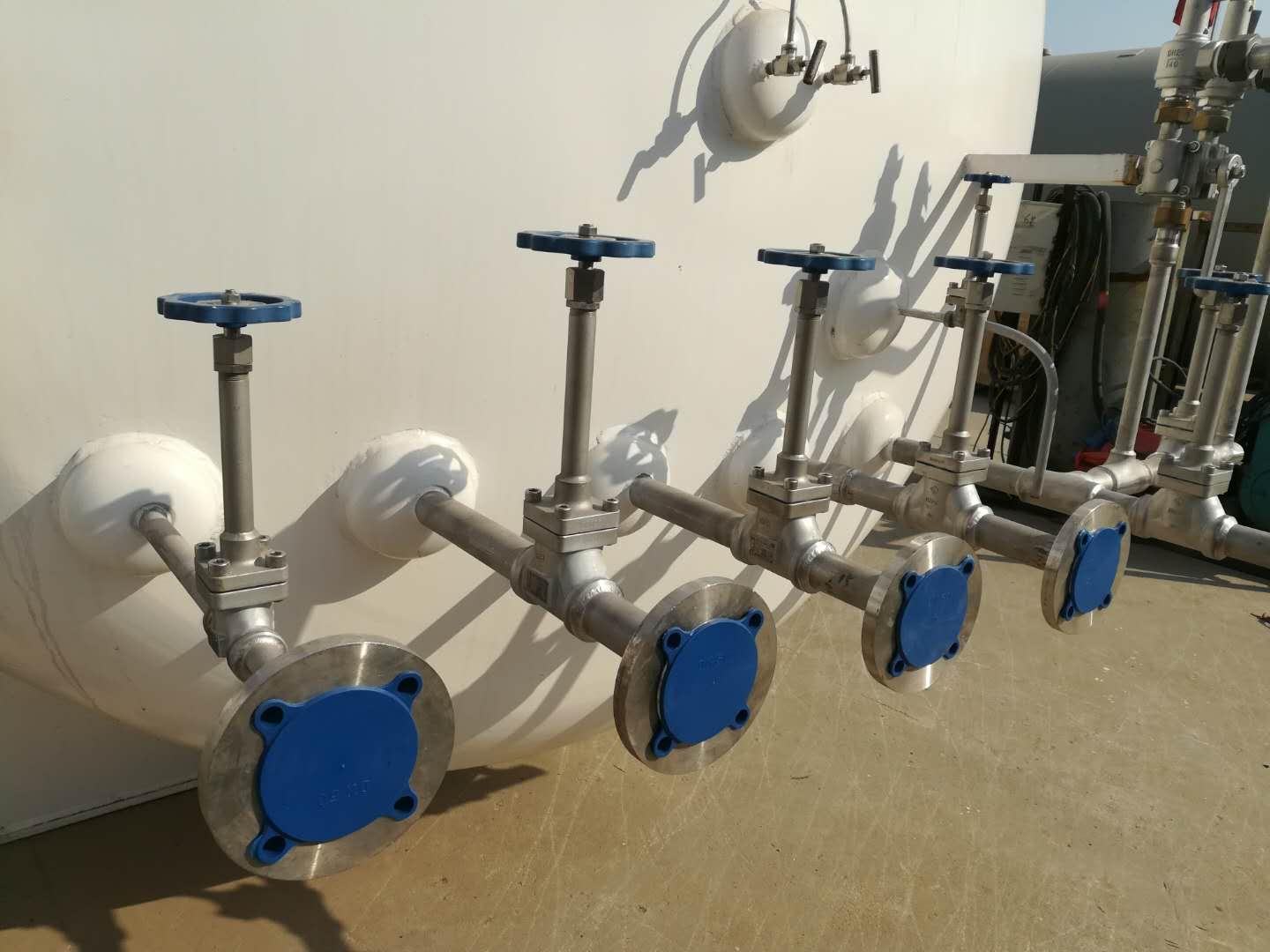
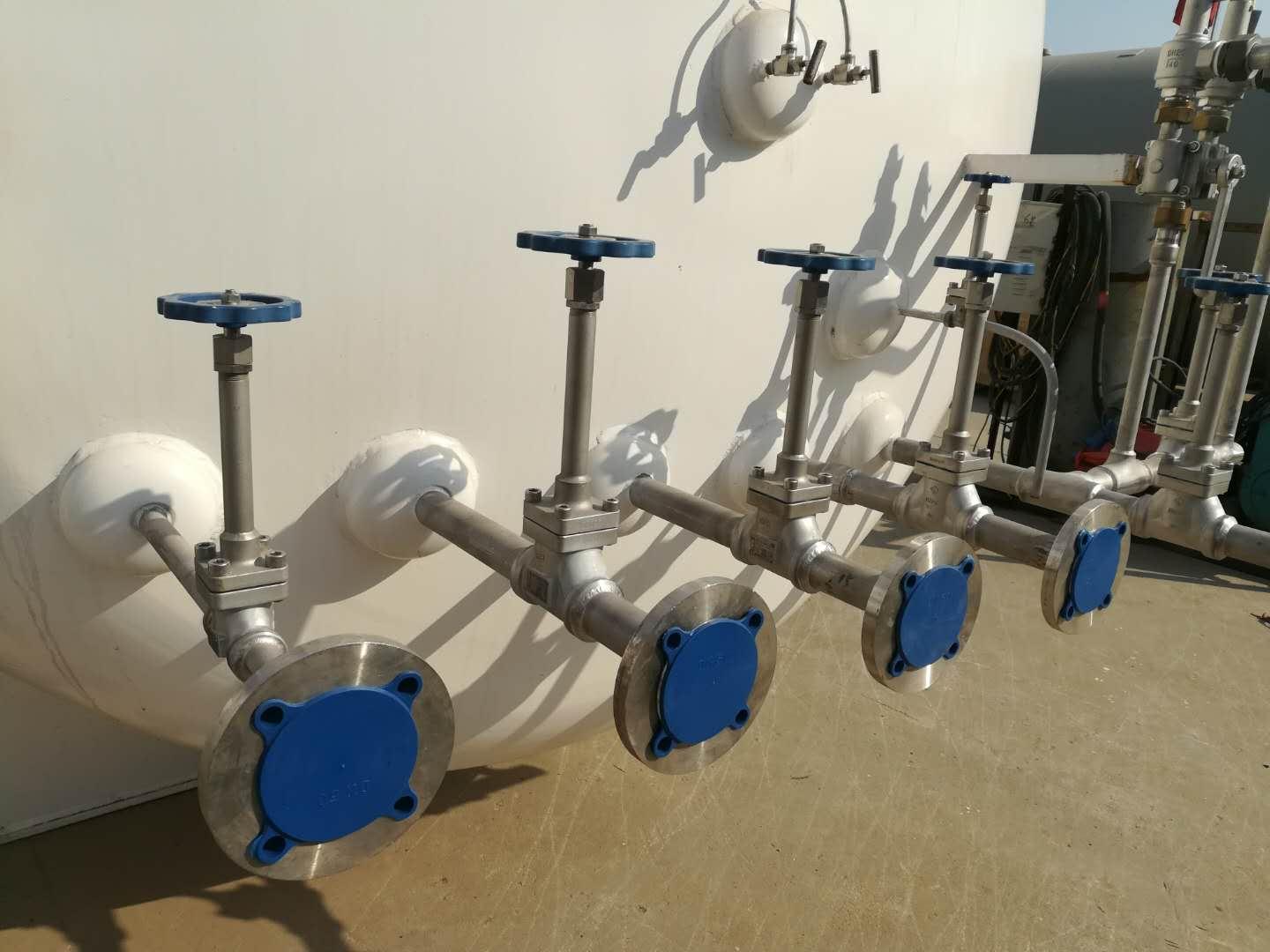
Low-temperature tanks, also known as liquid nitrogen tanks, low-temperature storage tanks, also known as liquid argon tanks, or liquid oxygen tanks, are vertical or horizontal double-layer vacuum insulated storage vessels. The inner shell is made of Austenitic stainless steel S30408; the outer shell material varies by user location and is selected according to national regulations as Q235-B or 345R. The inner and outer shell cavities are filled with insulating material pumice and vacuumed. The products are field inspected by the National Technical Supervision Bureau and a pressure vessel supervision and inspection certificate is issued. Product specifications range from 5 to 100 cubic meters, with working pressure of 0.8/1.6 Mpa. Nitrogen is a major raw material for the nitrogen fertilizer industry. In the metallurgical industry, nitrogen is primarily used as a protective gas, such as in rolling, galvanizing, plating, heat treatment, and continuous casting. Additionally, blowing nitrogen into the blast furnace can improve the quality of iron. It is widely used in the electronics, chemical, petrochemical, and glass industries.
Liquefied Natural Gas (LNG) Storage Tank
Liquefied Natural Gas (LNG) storage tanks are specialized products for storing liquefied petroleum gas, classified as special equipment and a type III pressure vessel. Made from 06Ni9DR material, these tanks undergo ultrasonic testing, hydrostatic and pneumatic testing, on-site inspection by the Technical Supervision Bureau, and are issued with pressure vessel inspection certificates. They are then completed with processes such as external rust removal and painting. The LNG storage tanks are subject to strict quality assessments for the material of the pressure components, exterior dimensions, weld quality, operational quality, installation quality, internal equipment, and safety accessories.
Routine physical and chemical tests of the drum material, such as mechanical properties and chemical composition.
Rigorous X-ray non-destructive testing and magnetic particle inspection are conducted on the welding joints, welds, tank ends, and the mutual geometric positions of all pressure components. Testing and verification of the product's sealing, pressure resistance, and all technical indicators that could affect the safe operation of the product.
Common structures of LNG tanks include: vertical LNG tanks, horizontal LNG tanks, vertical mother-child tanks, and atmospheric storage tanks.