




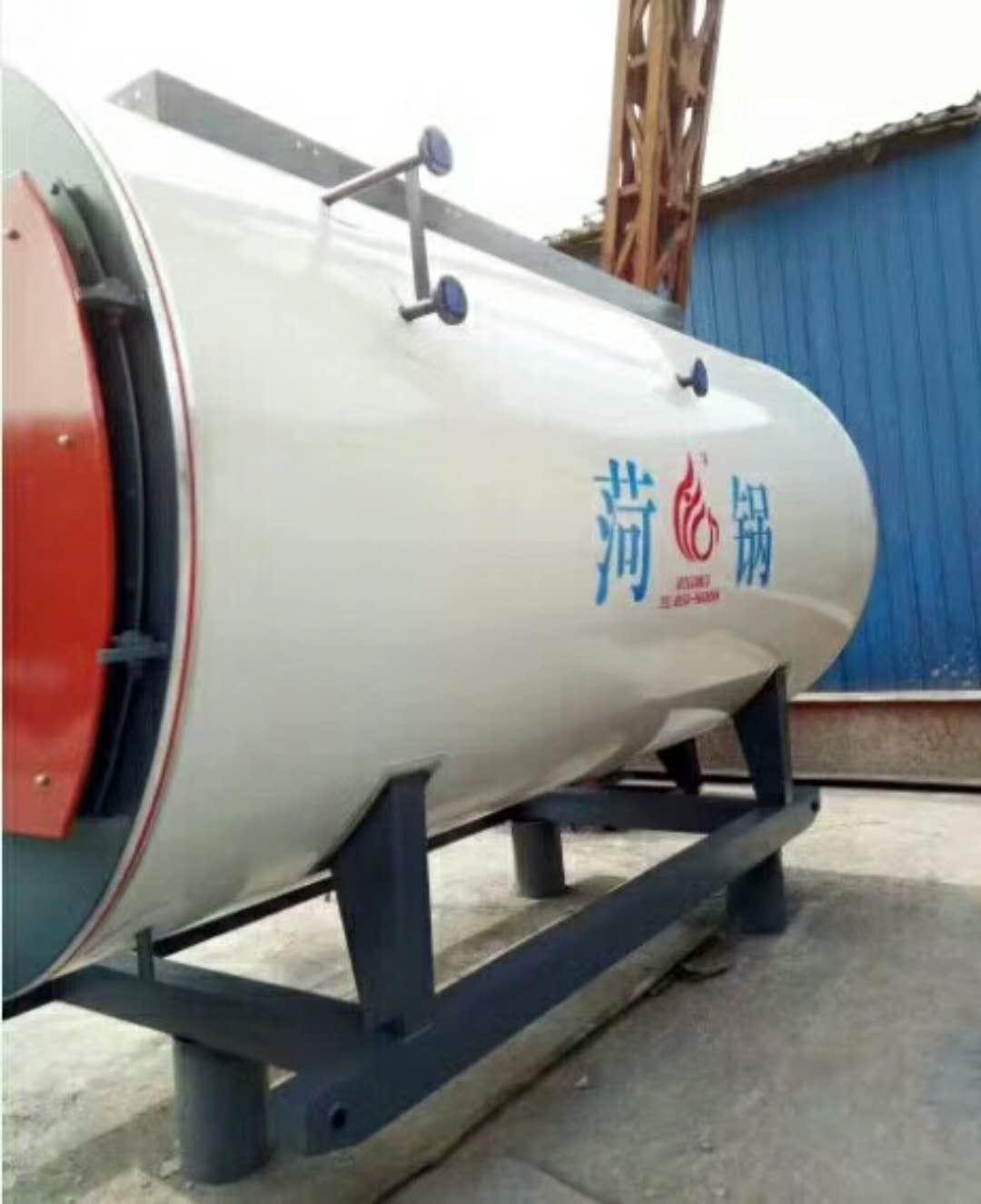
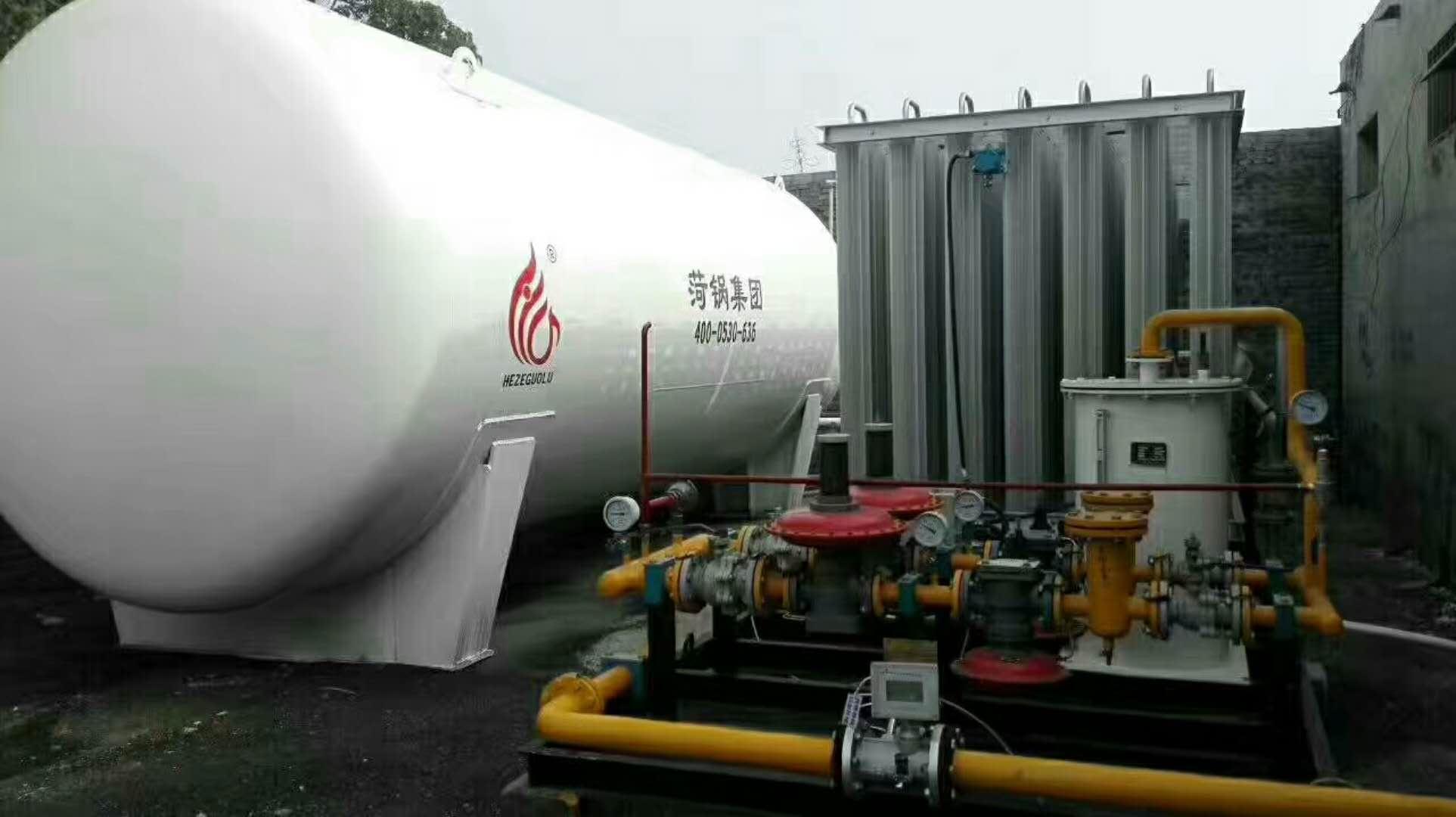


















He Cook Group 60 cubic meter LNG tank price
60-cubic-meter LNG storage tank is a low-temperature vacuum-insulated tank. It consists of a double-container structure with an inner container and an outer container. The materials used are Austenitic stainless steel, with the outer container material chosen as Q235-B or 16MnR based on the user's region. The space between the inner and outer containers is filled with insulating material pumice and vacuumed. The insulating material is filled with pumice in a heated state and then vacuumed.
60-cubic-meter LNG Storage Tank - Liquefied Natural Gas Storage Tank Application Scope
The product is suitable for industries such as steel, metallurgy, construction, chemicals, pharmaceuticals, food, glass, civil, and medical, and reduces gas consumption costs. It is the preferred liquid gas storage container across various industries.
Features of Liquefied Natural Gas Tanks
1. Liquefied Natural Gas Tank Models: Vertical and Horizontal
2. Tank Effective Volume: 2m3-100m3 (common volumes include 2m3, 3m3, 5m3, 10m3, 15m3, 20m3, 30m3, 50m3, 100m3) and can be custom-designed according to customer specifications.
3. Working Pressure: ≥0.2 MPa (Common pressures include 0.8 MPa, 1.6 MPa)
4. Storage Media: Liquid Oxygen (LOX), Liquid Nitrogen (LIN), Liquid Argon (LAr), Liquid Carbon Dioxide (LCO2), Liquefied Natural Gas (LNG), etc.
5. Design Pressure: 0.84 Mpa, 1.68 Mpa; Working Pressure: 0.8 Mpa, 1.6 Mpa
High impact resistance and strong shock absorption properties.
60-cubic-meter LNG Storage Tank: Advancements in Liquefied Natural Gas Storage Tanks
With the development of the gas industry and natural gas industry, the application of liquefied natural gas (LNG) storage tanks has become increasingly widespread. In addition to large and extra-large horizontal low-temperature storage tanks accompanying large LNG facilities and LNG receiving stations, air separation units, medium and small-scale LNG facilities, LNG storage and distribution stations, and LNG gasification stations generally equip medium and small-scale horizontal low-temperature storage tanks, with capacities typically below 10,000 m³. As the core equipment of such facilities, the choice of tank type significantly affects the overall cost and operation expenses of the unit. Selecting the appropriate type of horizontal low-temperature storage tank to meet the equipment requirements has become particularly important.
30, 60, 100 cubic meter LNG storage tank valve, pipe materials, and fittings
Valve selection and design
Process system valves must meet the pressure and flow requirements for transporting LNG and must also possess low-temperature performance of withstanding -196℃. Common LNG valves include pressure regulating valves, pressure reducing valves, emergency shutdown valves, low-temperature cut-off valves, safety valves, check valves, etc. The valve material is 0Cr18Ni9.
2. Pipe, fittings, and flange selection design
Pipes with medium temperatures ≤ -20℃ are made of seamless stainless steel tubes for fluid conveyance (GB/T 14976—2002) with material 0Cr18Ni9. Fittings are all made of seamless stamped fittings with material 0Cr18Ni9 (GB/T 12459). Flanges are used with long-neck socket-welding steel pipe flanges (HG 20592), made of 0Cr18Ni9. The sealing gasket for flanges is a metal-wrapped type, also made of 0Cr18Ni9. Fasteners are specialized double-threaded studs and nuts, made of 0Cr18Ni9.
Process pipelines with medium temperature greater than -20°C, use seamless steel tubes (GB/T 8163) for fluid conveyance when the nominal diameter ≤ 200 mm, material grade 20 steel; use welded steel tubes (GB/T 3041—2001) when the nominal diameter > 200 mm, material grade Q235B. Fittings are all made of seamless forged fittings (GB/T 12459) with material grade 20 steel. Flanges are convex face flanged steel pipe flanges (HG 20592), material grade 20 steel. The flange sealing gasket uses flexible graphite composite gasket (HG 20629).
LNG process pipelines are installed using焊接 connections, except for the necessary flange connections. Insulation is provided for low-temperature process pipelines with polyurethane insulated supports and composite polyethylene insulated pipe shells. Carbon steel process pipelines undergo anti-corrosion treatment.
Section 6: Fire Protection Design for LNG Gasification Stations
The fire protection design of the LNG gasification station is based on the LPG section of CB 50028 "Urban Gas Design Code." An embankment area is set around the LNG storage tanks to minimize the damage to surrounding facilities in case of an accident. A sprinkler system is installed on the LNG storage tanks with a sprinkling intensity of 0.15 L/(s·m²). The water usage for sprinkling is calculated based on the total surface area of the storage tank on fire. Adjacent storage tanks within a diameter of 1.5 times that of the fire tank are calculated at 50% of their surface area. The water usage for fire hoses is selected according to GBJ 16 "Code for Fire Protection of Building Design" (2001 edition) and GB 50028 "Urban Gas Design Code" (2002 edition).





















