























Maintain and repair
Routine Maintenance
The housing must not be subjected to any impact and operations must be performed according to regulations. External valve fittings should be kept clean and intact, with valves capable of smooth opening and closing, and regular calibration should be conducted as required. Under normal operation, a full inspection and maintenance of all valves, fittings, and instruments should be carried out annually, and vulnerable parts (such as valve seals) should be replaced promptly.
2. Insulation Performance Maintenance
One of the key requirements for low-temperature liquid storage tanks is excellent insulation performance, with the quality of vacuum being a crucial factor in insulation effectiveness.
Once the vacuum level of the storage tank is compromised, it cannot store low-temperature liquids. Therefore, special attention should be given to protecting the vacuum level of the storage tank. The explosion-proof device on the tank shell and the vent valve are directly connected to the vacuum interlayer. Do not disassemble this device unless the vacuum level in the interlayer is not compromised, or there is no need to replenish and re-evacuate with pumice sand. The vent valve is sealed with lead at the factory and must not be moved arbitrarily; otherwise, it will damage the vacuum level of the storage tank.
The tank shell is an external pressure vessel, bearing atmospheric pressure. It is strictly prohibited to strike or bump it to prevent damage to the shell and affect the vacuum degree.
3. Inspection
(1) Routine inspection
Is the valve in the correct open/close position?
2) Accuracy and reliability of pressure gauge and differential pressure (level) meter measurements.
3) Pipe and valve leaks and blockages.
4) If the container pressure reaches the set pressure of the safety valve and the valve does not operate, the safety valve's set pressure should be calibrated immediately to ensure the tank's safety.
5) Are the bolts on the turbocharger connection flange loose, and is there any deformation in the pipe?
(2) Regular maintenance
1) The pressure gauge is calibrated annually.
2) The safety valve is inspected annually.
3) Measure vacuum level annually.
4) Thermocouple vacuum gauges (purchased by the user, not within the supply scope) should be calibrated according to the instructions before each measurement.
5) Inspect the tank grounding resistance annually; less than 10Ω is considered acceptable. If greater than 10Ω, the connection status should be checked promptly.
(3) Vacuum Level Inspection and Re-evacuation
The tank's vacuum level is measured once a year. To measure, simply unscrew the protective cover of the metal thermocouple tube, insert the plug of the thermocouple vacuum gauge, and you can determine the interlayer vacuum level.
After several years of use, the vacuum level in the tank may drop to 65Pa, necessitating a re-evacuation. To enhance insulation properties, the tank should be emptied first and then heated with dry, oil-free air or nitrogen at 80-100℃ to remove moisture until it reaches room temperature. Secure the vacuum piping, start the pump to extract the moist air, and then open the vacuum valve to draw the vacuum.
To shorten the vacuum time, the container can be heated with dry, oil-free air below 100°C. The vacuum degree of the jacket seal should be ≤3Pa. If necessary, the user can contact the manufacturer regarding vacuuming matters, and both parties can agree on the specific process for re-vacuuming.
4. Fault Handling
(1) Safety Valve Troubleshooting
1) Safety valve leakage
The valve disc and seat sealing surface may experience leakage exceeding the allowable level under operating pressure, and the possible reasons are:
There is debris on the sealed surface.
If the installation is not fully cleaned with compressed air prior to use, or if solid impurities are mixed with the fluid during the trial operation, or if necessary actions are taken, debris can become trapped between the valve seat and the sealing surface. If it's easy to remove the debris, do so manually. However, if there's still leakage after removal, consider the following causes: the valve seat and sealing surface may be damaged; or debris may be embedded between the valve seat and sealing surface. If this situation is difficult for the user to handle, return it to the manufacturer for repair.
② Internal Pipeline Force
a) Human Factors
During the process of installing the safety valve on the pipeline, if it is forcibly rotated, the valve seat may rotate, and the position of the safety valve adjustment ring may change or the sealing surface may be forcibly worn. A decrease in operational performance may occur. If this situation arises, depending on the circumstances, it can be handled on-site by the user or returned to the factory for processing, but it is necessary to fully grasp the situation and make a quick judgment.
b) Internal Force Factors
The adverse effect of welding residue's force within the pipeline on the safety valve is almost identical to the issue mentioned above. Therefore, it is crucial to fully consider the absorption of the force within the pipeline during installation. This point is of utmost importance.
c) The set pressure of the safety valve is too close to the normal operating pressure of the equipment, resulting in an excessively low sealing face sealing pressure. This makes it more prone to leakage when the safety valve is subjected to vibration or fluctuations in the medium pressure. Under the condition of meeting the strength requirements, the set pressure of the safety valve should be appropriately increased during design.
③Spring relaxation reduces the set pressure, causing the safety valve to leak.
The primary cause of spring relaxation may be that after the safety valve has been checked, the adjustment screw of the safety valve was not tightened, causing it to loosen during equipment operation, resulting in spring relaxation, decreased pre-tension, and premature opening of the safety valve. The safety valve should be re-checked.
2) Inflexible safety valve operation
The reason may be:
Improper adjustment of the safety valve's regulating ring leads to an extended opening process or delayed return, which requires re-adjustment. By adjusting the lower regulating ring, increase the return seat pressure.
②The exhaust pipe of the safety valve has excessive resistance, causing significant back pressure during discharge, which results in insufficient opening height of the safety valve. By changing the exhaust pipe of the safety valve to a straight-through design and removing the intermediate bend, the safety valve will operate normally.
3) Safety valve frequent chatter or vibration
The reason may be:
The safety valve's discharge is excessive. The rated discharge of the selected safety valve should be as close as possible to the equipment's required discharge.
② The import pipeline diameter is too small or the resistance is too great.
③ Excessive resistance in the exhaust pipe causes overly high back pressure during emissions. Reduce the resistance of the exhaust pipe.
④Improper adjustment of the adjusting ring causes excessive return seat pressure. The position of the adjusting ring should be readjusted.
4) Operation of three-way valve A-5 during the replacement of the safety valve
① Normally, two safety valves operate simultaneously, meaning both channels open at the same time, with the handle positioned as shown in Figure 1.
②When replacing the safety valve, rotate the handle 90 degrees (as shown in Figures 2 and 3), close the side channel to be replaced, and evacuate the remaining medium in the channel, then replace the safety valve.
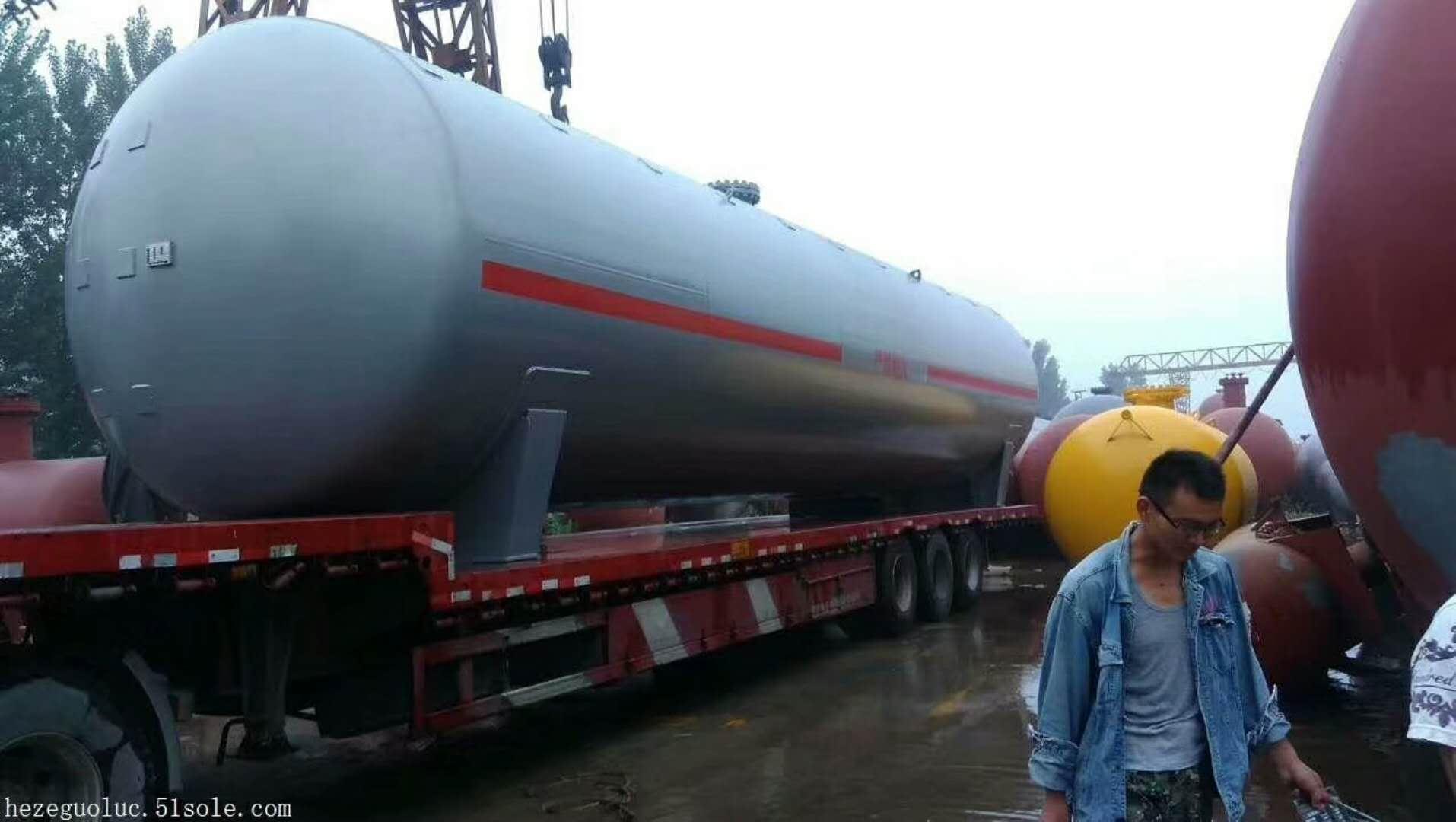
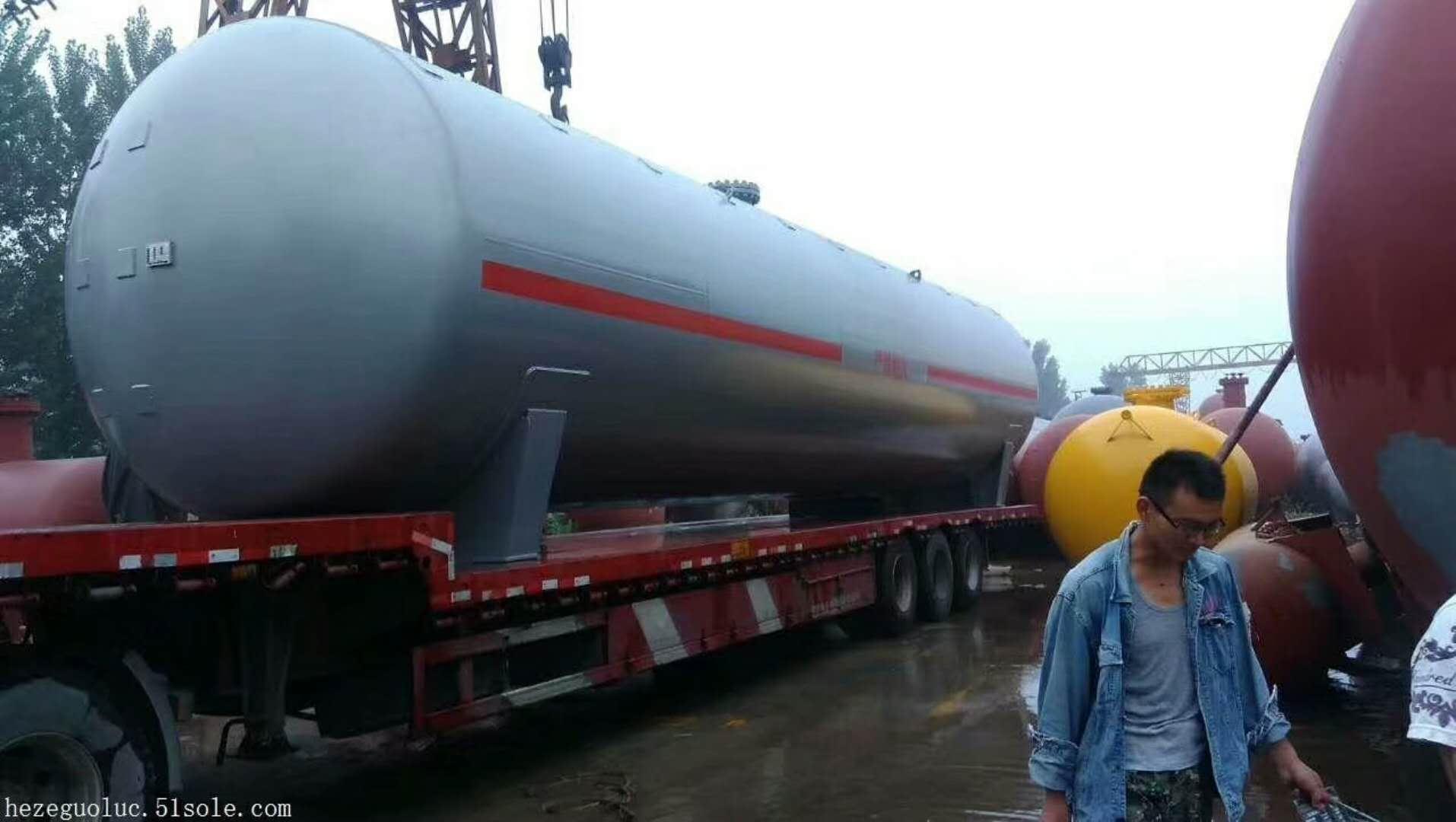
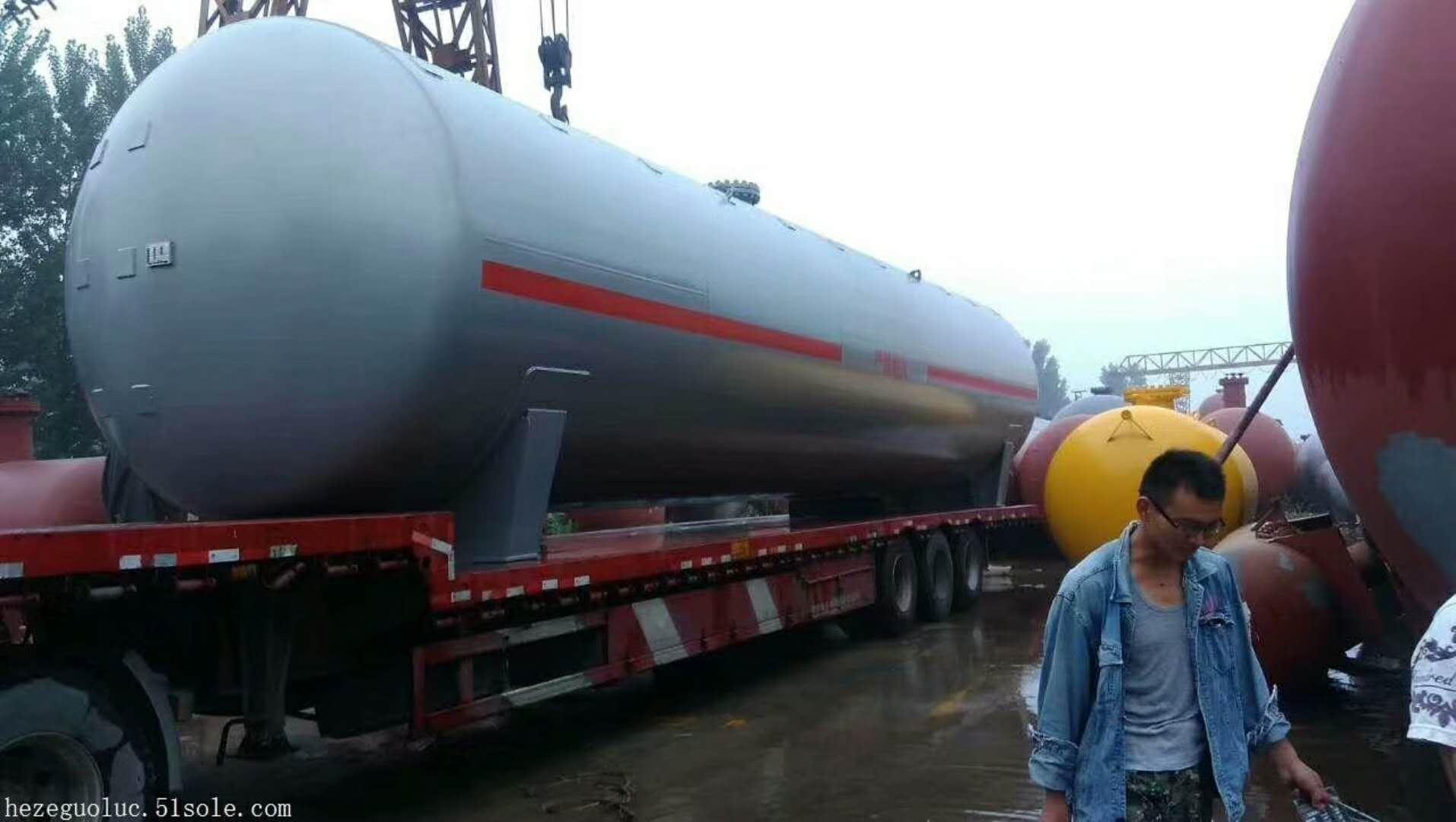
LNG storage tanks are essential storage containers for LNG fueling stations, an indispensable part of such stations. As a professional in the LNG industry, do you truly understand them? Let's delve into a detailed understanding of them below:
1. Packaging Style
LNG tanks typically come in vertical and horizontal types. Vertical tanks have the advantage of occupying less land area, are convenient to use, and, due to the gravity difference, reduce the power consumption of submersible pumps, saving electricity. However, vertical tanks usually exceed 10 meters in height, which can cause fear among nearby residents, making them unsuitable for urban settings. Horizontal tanks are the most commonly used type currently. Their drawback is that they require more land area, and there are safety distance requirements between the storage tanks and surrounding buildings and facilities both within and outside the station. According to GB50156, this increases the design complexity.
2. Insulation type
Common thermal insulation forms for LNG tanks include high-vacuum multilayer wrap insulation and pearl sand powder insulation. The latter, due to its lower cost, is more commonly used in practice.
3. Materials
The container is made of high-quality Austenitic stainless steel 0Cr18Ni9 sheet or imported 304 sheet; the outer container is made of high-quality carbon steel Q345R plate.
4. Safety Protection System
The safety protection system consists of tank accessories including: pressure gauges, level gauges, a fully enclosed safety valve with one in use and one in reserve at the root, overflow ports, and bursting disks.
5. Filling Form
LNG tanks can be filled via the top or bottom. Top filling uses cold liquid to liquefy the BOG gas inside the tank. Both methods can be employed, and the choice depends on the on-site conditions during the unloading process. It's quite complex and can't be explained in just a few sentences. Those with questions can private message for further discussion.
6Level Conversion
LNG液位换算质量容积及质量需要按照储罐厂家提供的数据,结合液厂的气质报告数据综合确定。
7Technical Requirements
General technical agreements require the design pressure for LNG tanks.0.8MPA, designed for -196°C, daily evaporation rate less than or equal to 0.20%. The actual working pressure of the tank is usually less than 0.8MPA's, the operating temperature is generally determined by the liquid's quality, around -100°.
A seemingly simple white large drum, but the waters are deep. How to choose the right storage tank that minimizes investment while meeting usage requirements? How to use the tank efficiently to reduce losses at the gas station and lower maintenance costs? Welcome to private message for more information.





















