



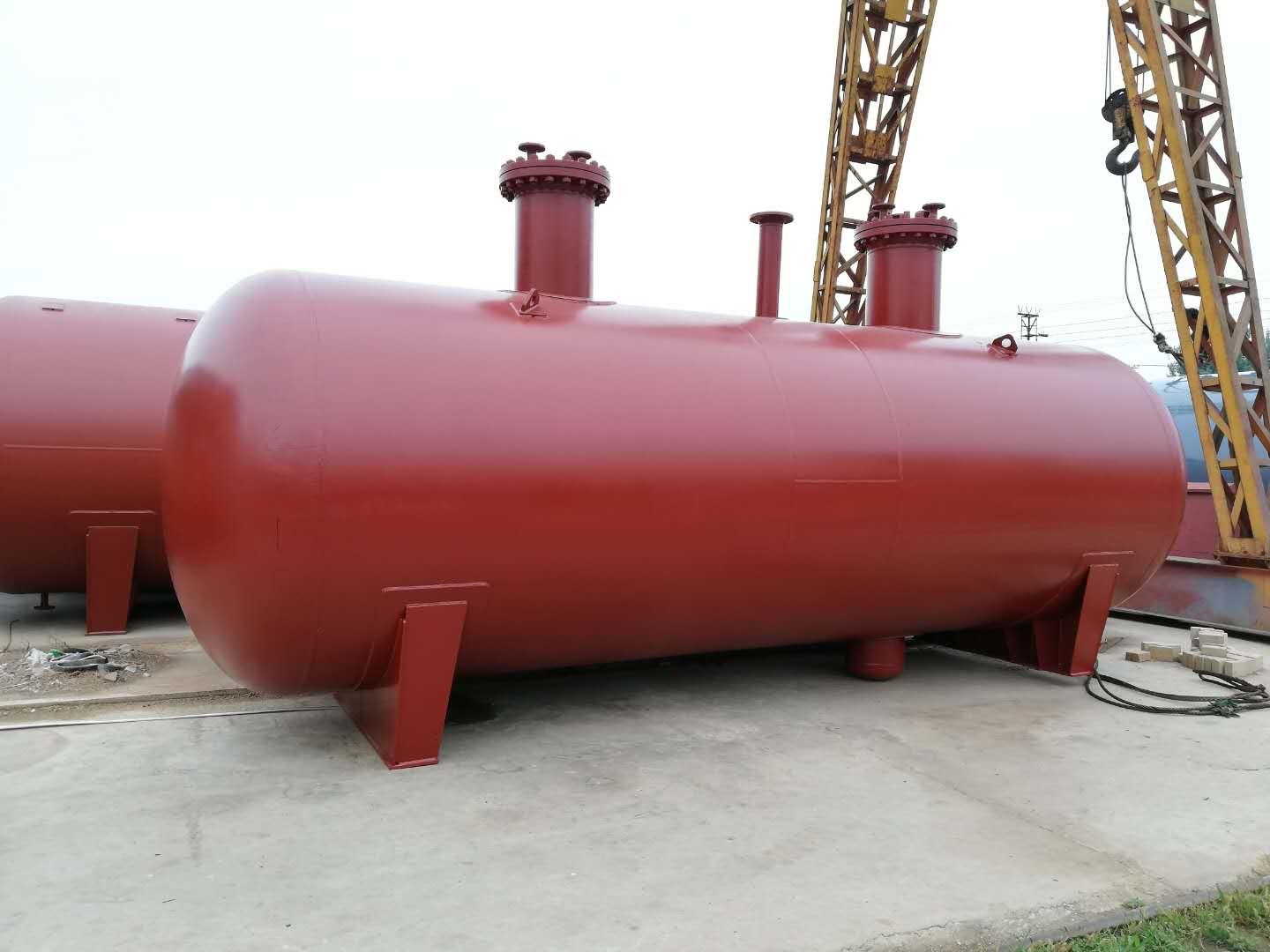

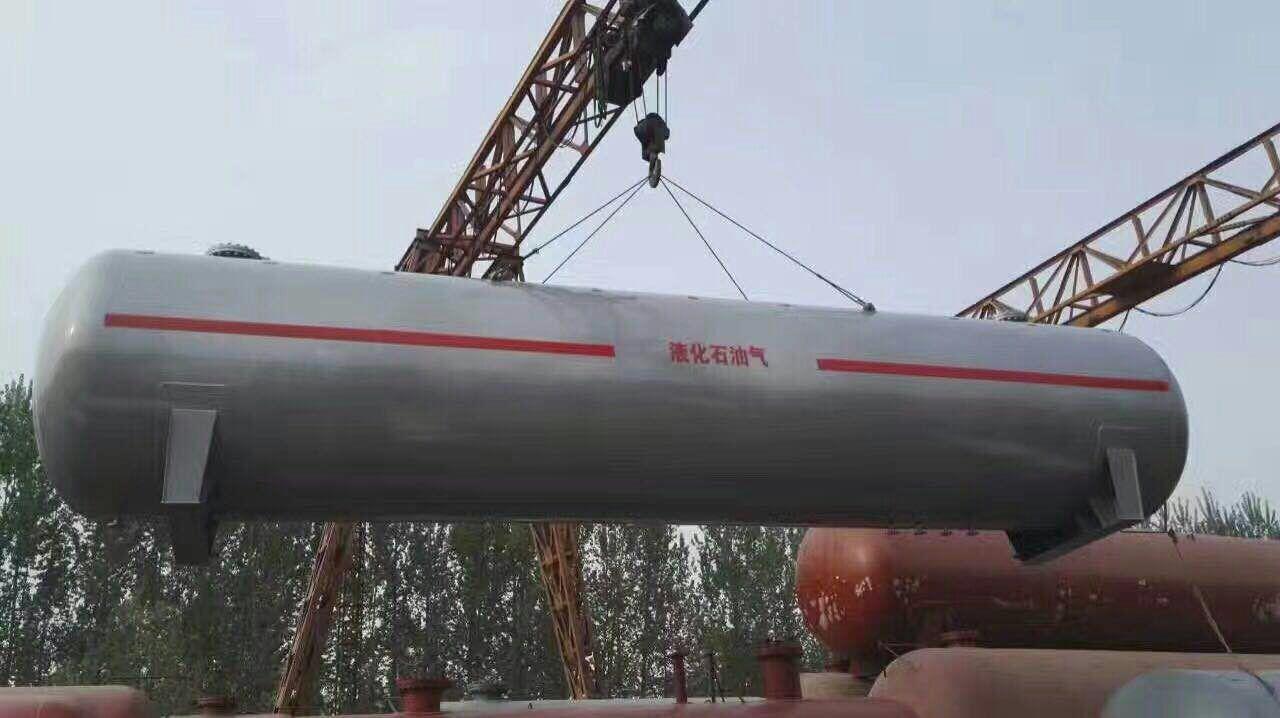
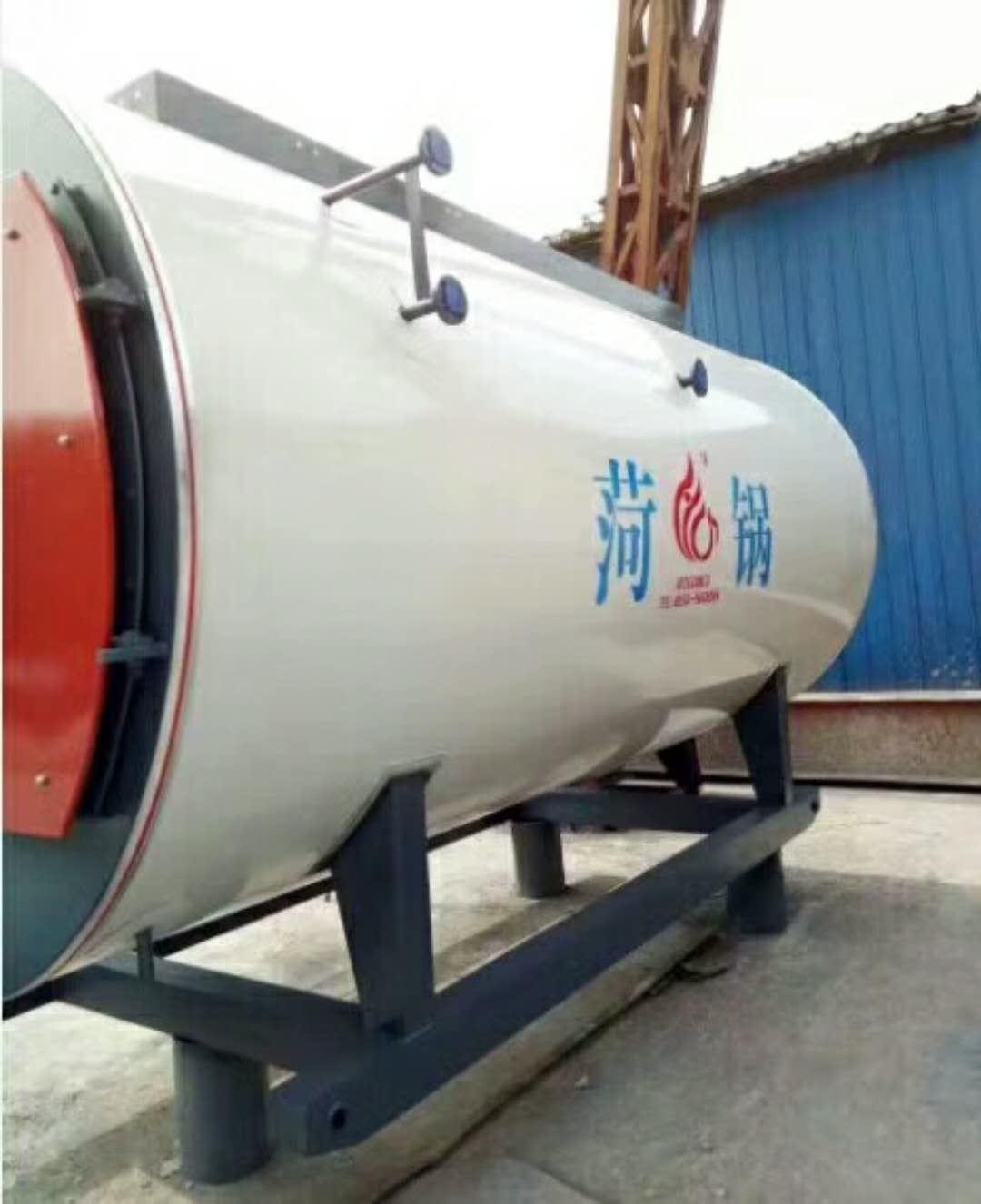


















An increasing number of companies require the use ofLiquefied Gas Storage TankSteel storage tanks are specialized equipment for storing various liquids or gases, essential for many companies to carry out normal production. Particularly when stockpiling various materials, a wide range of storage containers of different types and capacities are indispensable. Most oil storage facilities are above ground and predominantly metal structures.Liquefied Gas TankThe applications are extensive; this type of drum is necessary in various enterprises. Oil tanks, as storage equipment for oil and gas pipelines, are containers used for transporting and storing oil and gas. Storage tanks at the initial station of oil transportation pipelines are used for storing oil, collecting oil to ensure a stable oil flow rate, while those at the terminal stations are primarily used for receiving and storing oil. Oil is supplied to consumers through these tanks. The vast majority of plastic storage drums require molding and processing techniques. During the molding process, molds are under considerable pressure, utilizing widely adopted compression molding, which is formed through extrusion and molding. Large-scale components produced through molding processes must withstand significant pressure, necessitating particularly robust design and manufacturing of molding equipment, which poses great difficulty in processing and manufacturing, thus increasing costs. Corrosion-resistantLiquefied Gas Storage TankUtilizing rotational molding technology, these tanks demand high structural integrity from the frames. The frames must be strong enough to support the material, the mold, and the frame's own weight, all to prevent material leakage. Even for large-scale or extra-large plastic storage tank components, producing corrosion-resistant tanks does not require heavy machinery or molds. The process of manufacturing the mold is particularly convenient, with low production costs and a short cycle time.

Cautionary Notes for Using Natural Gas Storage Tanks: These are jacketed vacuum insulated powder-insulated pressure vessels used for storing and supplying cryogenic liquefied gases. They are widely used in industrial production. Analysis of hazardous characteristics of cryogenic liquids: Cryogenic liquids have low boiling points, high expansibility, strong asphyxiating, and strong oxidizing properties. Boiling points at 101.3 KPa: Liquid nitrogen at -196°C, liquid oxygen at -183°C, and liquid argon at -186°C. Contact with the human body can cause severe frostbite on the skin and eyes. In the event of a small leakage or internal leakage in valves and pipes, cryogenic liquids absorb heat from the surrounding environment, causing the leakage point to quickly frost and, in severe cases, freeze. If cryogenic liquids absorb high heat from the surrounding environment or a large amount of leakage, their volume will expand rapidly due to rapid vaporization. At 0°C and 101.3 KPa pressure, the volume of gases resulting from the vaporization of 1L of cryogenic liquids: nitrogen at 674L, oxygen at 800L, and argon at 780L. In closed containers or pipes, an increase in internal pressure due to the vaporization of cryogenic liquids can easily cause overpressure explosions. In the environment near cryogenic liquid storage tanks, the vaporization of leaked cryogenic liquids can easily form a rich gas area. High concentrations of nitrogen, argon, or carbon dioxide can easily cause asphyxiation injuries. Additionally, high oxygen concentrations can lead to oxygen-rich injuries. Oxygen is a strong oxidizer with a high oxidizing potential. Liquid oxygen can adhere to clothing fabric and, upon ignition, can easily cause flash fires, causing personal injury.





















