



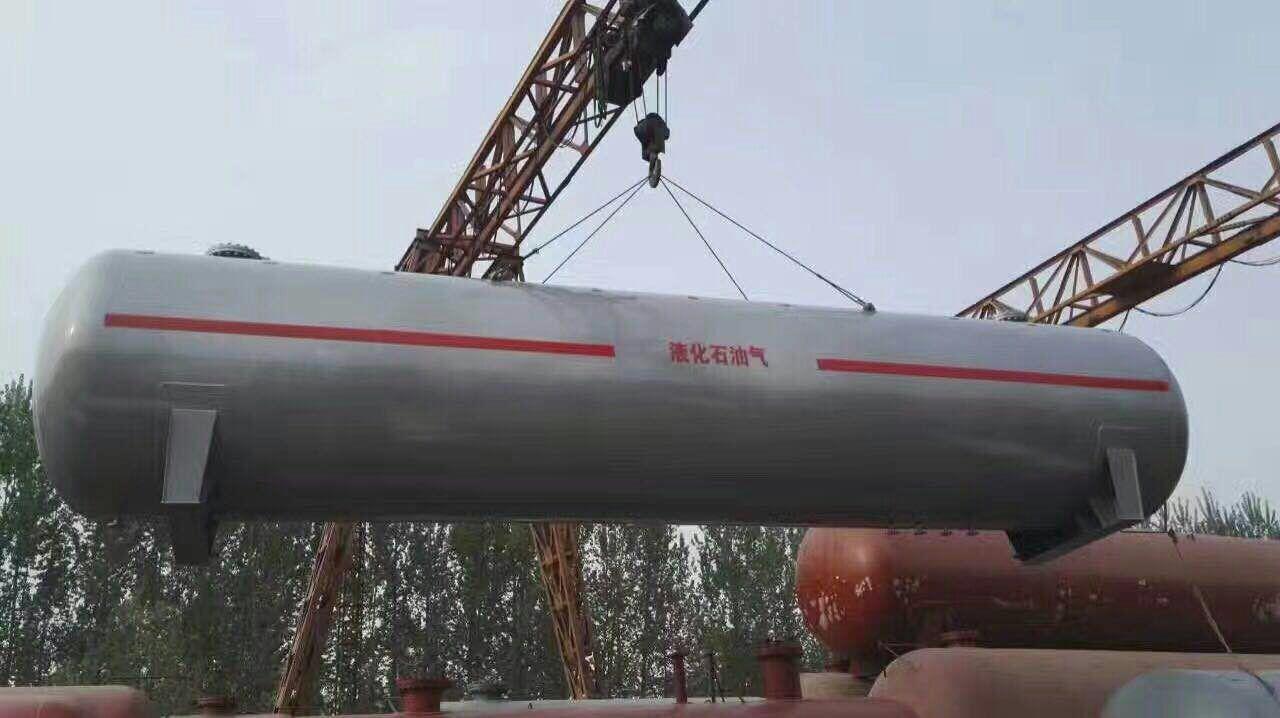

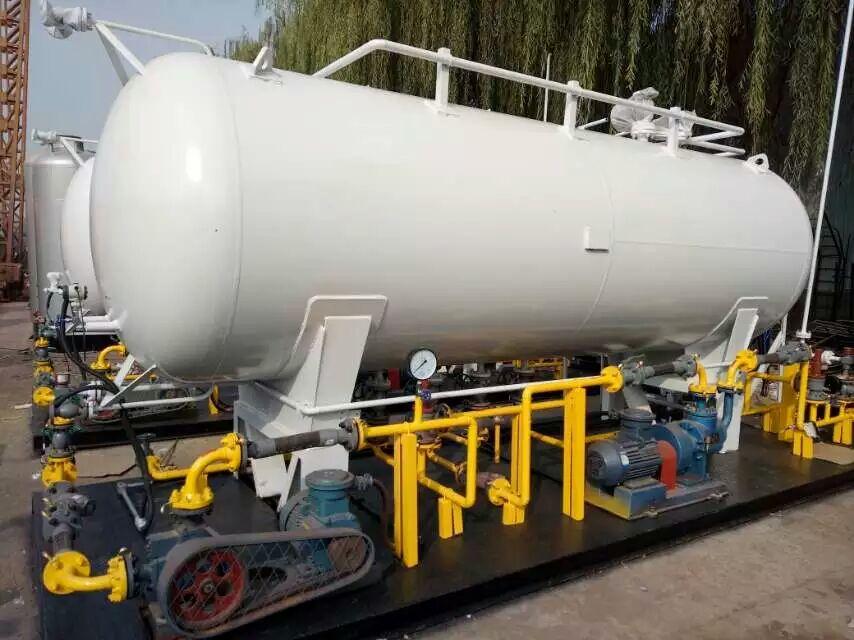
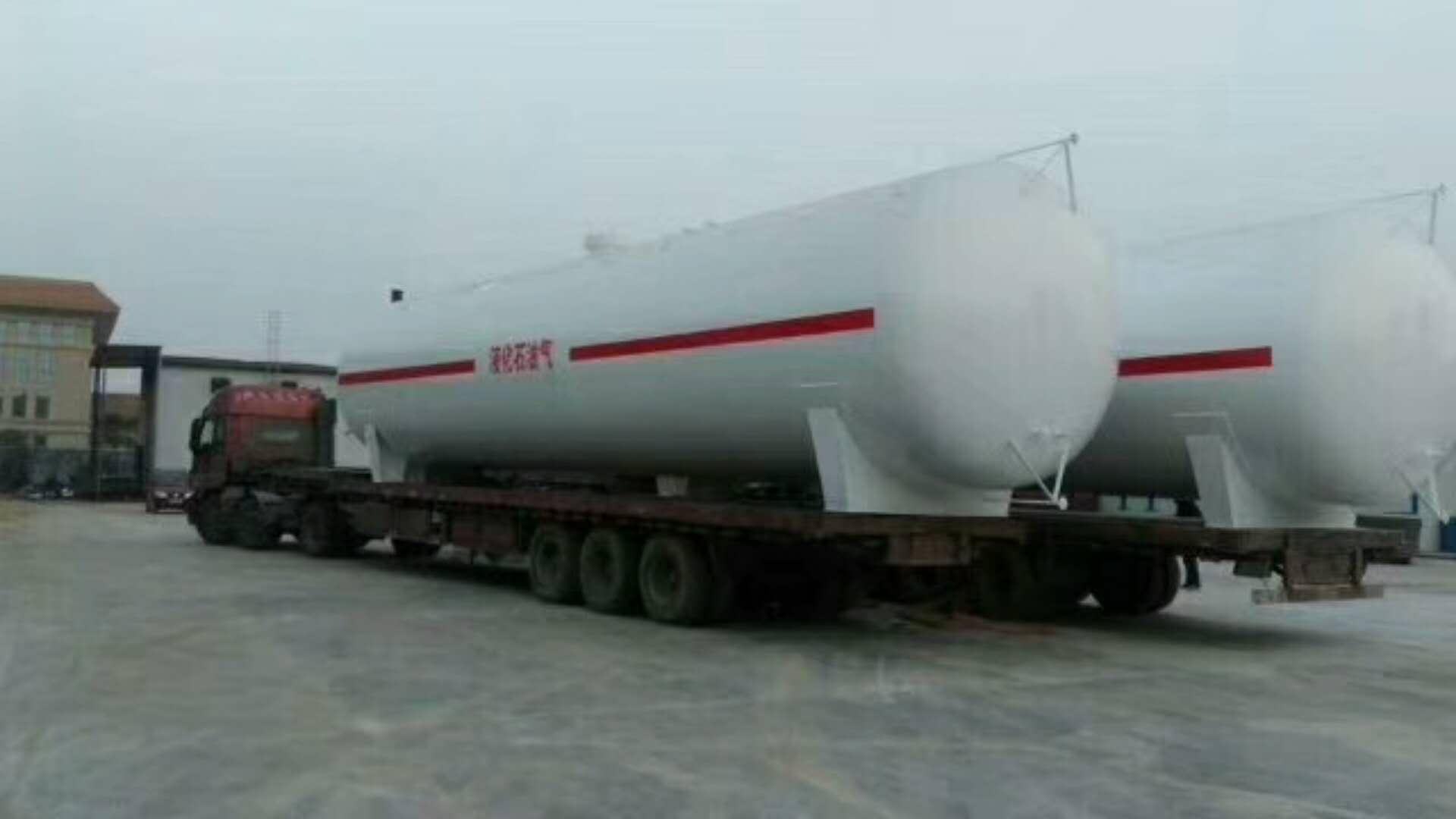


















Liquefied Gas Storage TankLeakage can be extremely dangerous.Liquefied Gas Storage TankWhen in use at any legitimate industrial site, comprehensive tank safety operation regulations and management systems should be established. 1. In case of minor leaks, the transporter should immediately close all pipeline valves of the tank and simultaneously halt the operation of surrounding equipment. Rapidly evacuate personnel from the leak-contaminated area to the upwind location (due to the storage of liquefied gas, it is easy to float in the air) and implement safety isolation. Cut off all ignition sources and, while ensuring safety, try to prevent the spread of the leak source as much as possible. 2. In the event of a large-scale leak, in addition to conducting the initial emergency response, immediately report to the local government, "119," and local environmental protection and public security traffic police departments. The report should include: the name of the incident unit, time and location of the incident, chemical name and amount of leakage, level of danger, presence of injuries or deaths, and the name and phone number of the person reporting.Liquefied Gas Storage TankInspection is a major operation for any liquefied gas terminal. Given the unique nature of simultaneous inspection of three tanks and the complete halt of the entire terminal's normal production operations for unloading inspections, thorough preparatory work in the early stages is particularly crucial.
The loading and unloading areas for liquid ammonia tanks should be prohibited near densely populated areas such as schools, hospitals, and residential districts. The quantity of liquid ammonia stored must be in compliance with national standards or regulations for major hazard sources, with the following locations and areas maintaining the required distance: 1. Residential areas, commercial centers, parks, and other densely populated regions; 2. Public facilities such as schools, hospitals, cinemas, and sports stadiums; 3. Water supply sources, waterworks, and protected water source areas; 4. Stations, docks (excluding those approved for hazardous chemical loading and unloading activities as per national regulations), airports, highways, railways, waterways, subway ventilation shafts, and entrances/exits; 5. Basic farmland protection areas, pastoral areas, fishing waters, and production bases for seeds, breeding animals, and aquatic seedlings; 6. Rivers, lakes, scenic areas, and nature reserves; 7. Military prohibited and managed areas; 8. Other areas protected by laws and administrative regulations.
液化储罐作为一种特殊的压力容器在化工行业中使用十分广泛,常用于运输一些强酸强碱物品,多年来的实践发现,液氨储罐很少发生强度破坏,大多数是由腐蚀裂纹引起的腐蚀破坏。 液氨储罐被腐蚀问题越发受到关注,很多安全问题都是液氨储罐耐腐蚀性不够强烈造成的,一般储罐内表面焊缝区的裂纹比较严重,且多数出现在环焊缝上,裂纹断口没有塑性变形,呈现出典型的脆性裂纹的特征。 裂纹多数为浅而长的表面裂纹,且有明显的分支,主干裂纹与焊缝方向垂直,尤其在手工电弧焊的引弧处和收弧处,T型接头处及封头环缝与简体纵焊缝交叉部位,裂纹更为严重。 液氨储罐厂家除了加强对焊缝的探伤检测外,还要加强对焊条的库存管理,更不能因为作业时工人焊接不同设备而彼此之间用错焊条,这就会给产品质量埋下隐患。


Available LPG Storage Tank Specifications - LPG Tank Models - LPG Storage Tanks - In-Stock LPG Storage Tank Sales Prices



















