



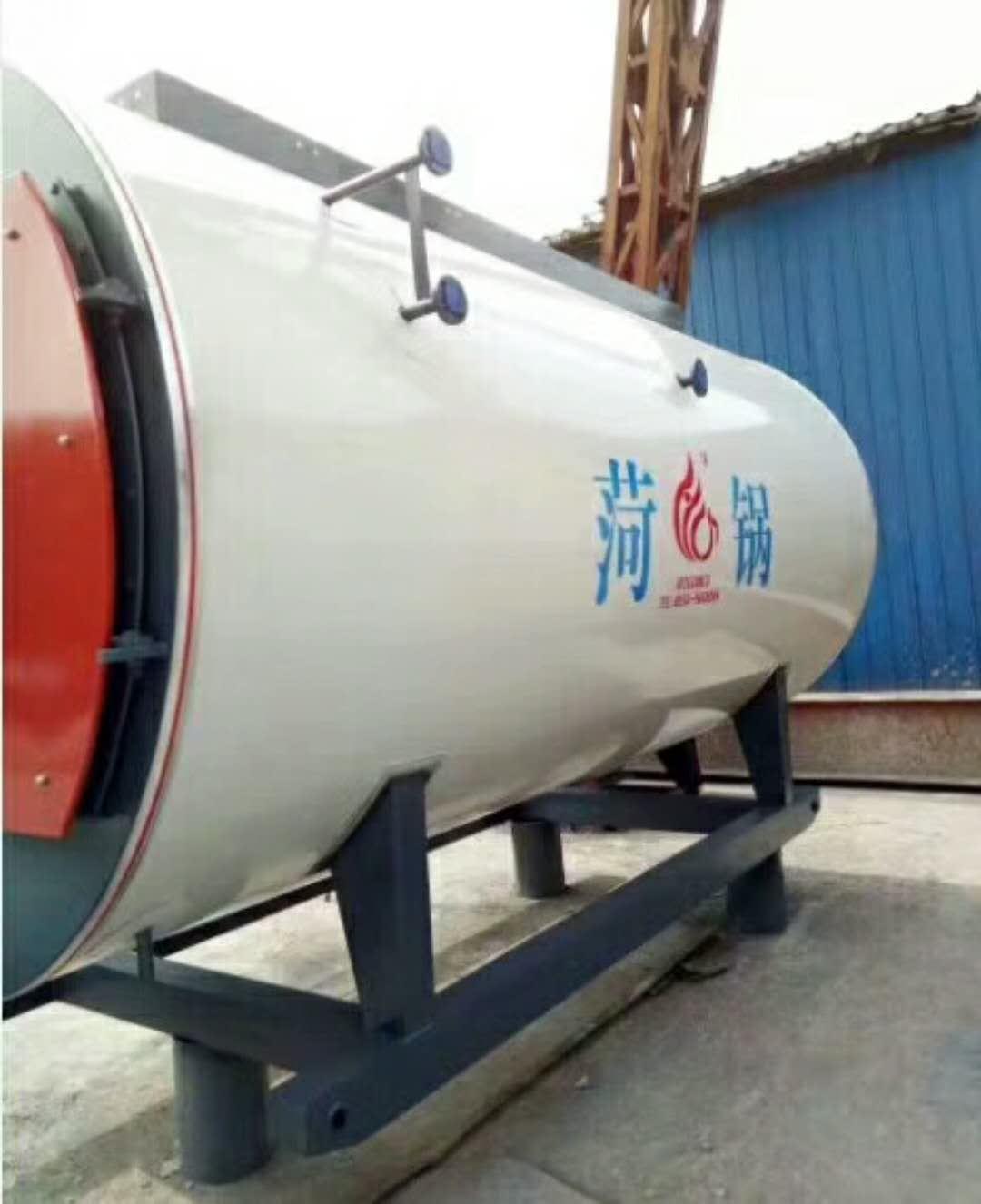

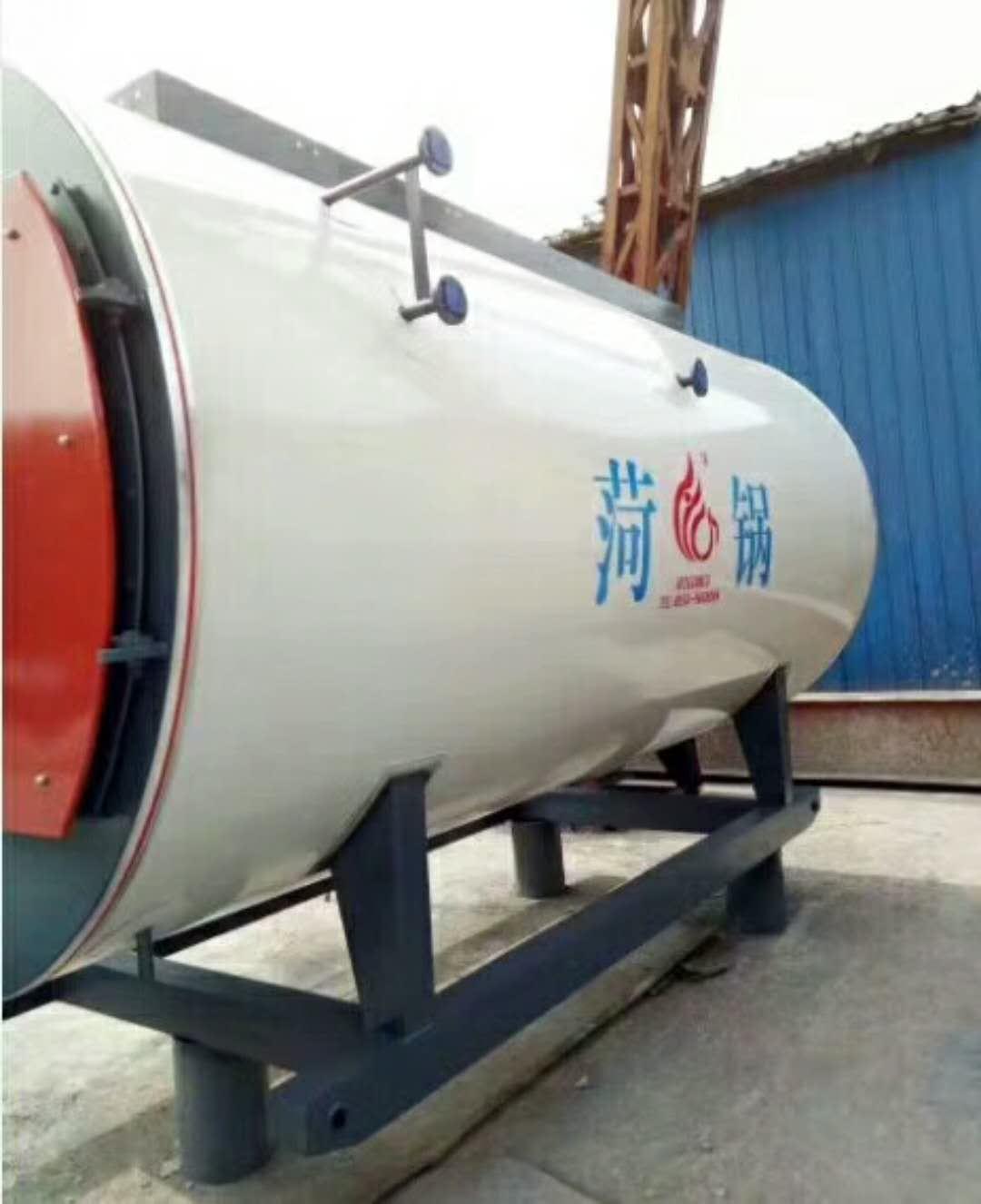
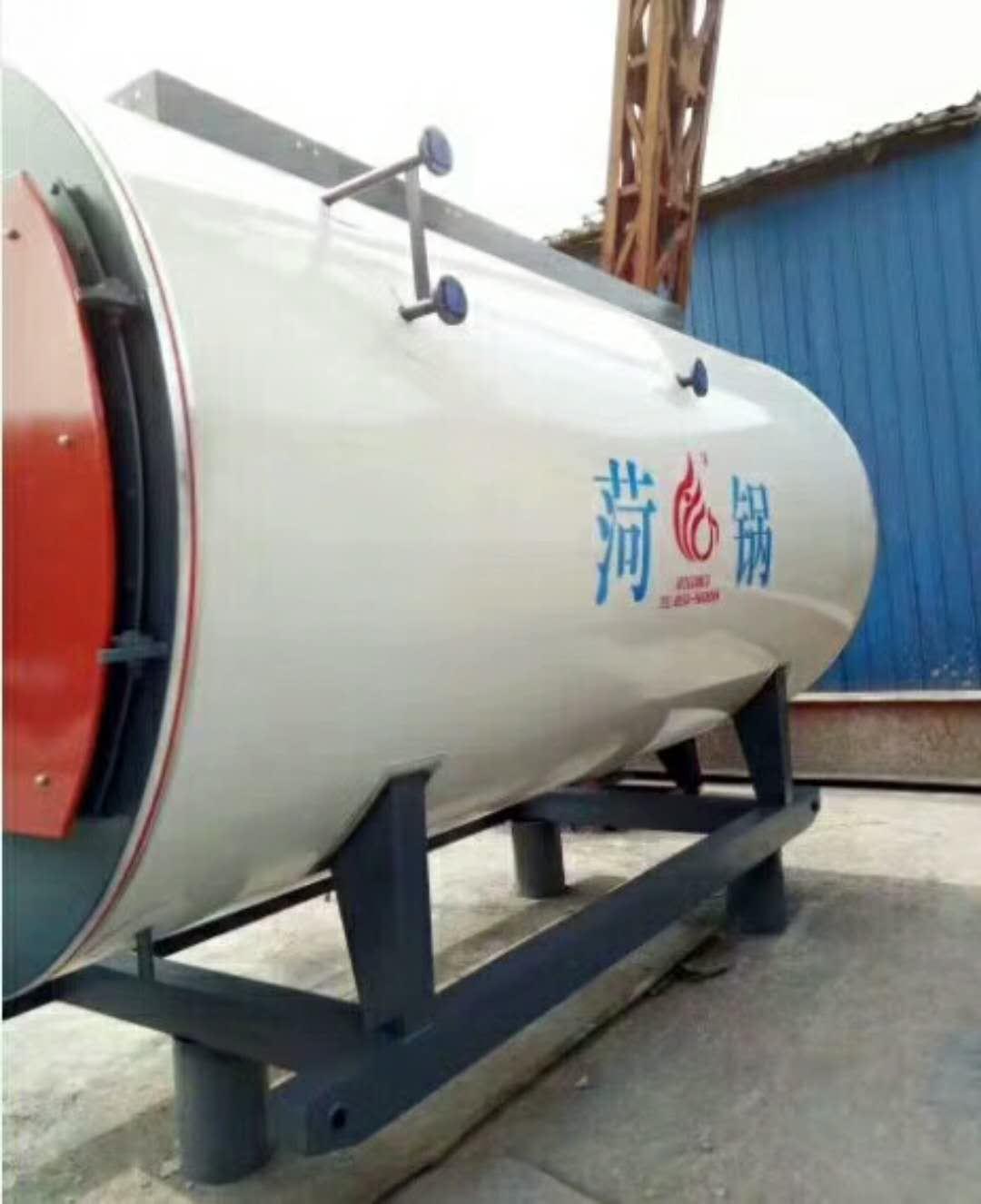



















Low-temperature storage tanks are primarily used in the industrial gas sector, with a vast range of applications. Industries such as steel mills, chemicals, oil, food, and aerospace all require gases. Industrial gases like oxygen, nitrogen, and argon, which are in high demand, are separated from air by air separation equipment, which compresses and liquefies the air, then separates the oxygen, nitrogen, and argon based on their different boiling points, before storing them in low-temperature storage tanks.
Liquefied Natural Gas (LNG)The tank features a long service life, compact structure, minimal land area, centralized control, easy operation, and maintenance. It is a double-layer fixed vacuum powder insulation low-temperature storage tank. The inner shell is made of stainless steel.,Outer shell materialQ235BOr16MnRThe liquid oxygen tank surface is coated with anti-corrosion materials through processes such as sandblasting, sweeping, and spraying, and utilizes a two-component rapid curing liquid paint.
Liquefied Natural Gas (LNG) storage tanks consist of the tank body, instruments, pipelines, valves, etc. These tanks are equipped with two types of liquid inlet methods, the upper and lower sections, which can be selected and used according to actual conditions.
The inner tank of the Liquefied Natural Gas (LNG) storage tank is equipped with a safety system consisting of dual safety valves. Under normal operation, one set is in operation and the other in standby. If the operating safety valve trips, the manual pressure relief valve is immediately opened to release pressure to the maximum working pressure of the tank. Simultaneously, the safety device is swiftly switched to the standby system using the manual handle, effectively ensuring the tank's safety. This safety system is composed of safety valves, explosion-proof devices, vent valves, and three-way ball valves, not only ensuring pipeline welding quality but also featuring excellent fire and static electricity prevention structures. Additionally, the safety relief openings on the housing are designed to ensure the overall safety and reliability of the equipment. The low-temperature pipelines are集中引出 to facilitate operation and control, with the outlet using DuraTube structure to meet low-temperature requirements and reduce stress caused by thermal expansion and contraction, ensuring the tank's safety. The vacuum valves are sealed with three "O" rings, effectively guaranteeing the reliability of the sandwich seal, and are made of full stainless steel with a compact design. A top-mounted suspension structure for the LNG storage tank has been researched and invented, making it convenient for transportation, lifting, and installation. A unique manhole design is customized to ensure cleanliness inside the inner tank when sealed. Vacuum isolation valves and a combined vacuum gauge valve are used on the LNG storage tank for measuring the vacuum level of the sandwich and for maintenance, extending the tank's lifespan and enhancing its quality. The LNG storage tank is equipped with a level gauge and a pressure gauge for local display of liquid level and pressure.
The LNG storage tank is a double-walled structure, comprising an inner tank, an outer tank, internal and external supports, an insulating layer, a pressure safety system, a vacuum pump, and a pipeline system. All vacuum-insulated structures rely on vacuum. Due to the high degassing rate and suction resistance of the insulating space materials, and the fact that the baking temperature of the sealing material cannot be too high and the degassing is slow, suction is difficult. To achieve the required vacuum level within the designed suction time, in addition to the vacuum pump and suction process, it also relates to the flow area of the annular suction pipes. To ensure a high vacuum level and improve the suction rate, a vacuum pump is installed at both ends of the equipment. One pump consists of three suction pipes, placed in the lower half of the annular space and leading out from the bottom. The other pump also consists of three suction pipes, but placed in the upper half of the annular space and leading out from the top, with the two groups of suction pipes crossing and overlapping along the length of the tank. By increasing the flow area of the suction pipes and using various auxiliary methods such as heating and nitrogen displacement, the vacuum achievement time for the annular insulating space with a volume of 100 m³ is reduced to one-third of the conventional structure.


Professional Natural Gas Storage Tank Customization - Wholesale Natural Gas Storage Tanks - Custom Natural Gas Storage Tanks - Natural Gas Storage Tanks for Sale



















