



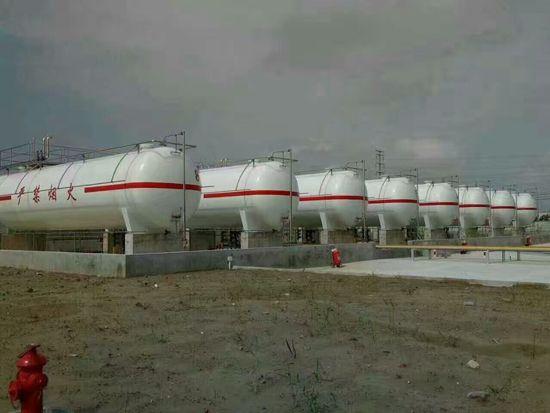



















The loading and unloading area for liquid ammonia tanks should be prohibited near densely populated areas such as schools, hospitals, and residential areas. The storage quantity of liquid ammonia must be in compliance with national standards or regulations for major hazardous sources, and the distance to the following locations and areas must meet national standards or regulations: 1. Residential areas, commercial centers, parks, and other densely populated regions; 2. Public facilities such as schools, hospitals, cinemas, and sports stadiums; 3. Water sources, water plants, and protected water source areas; 4. Stations, ports (except those designated and approved for hazardous chemical handling according to national regulations), airports, highways, railways, waterways, subway ventilation shafts and entrances/exits; 5. Basic farmland protection areas, pastoral areas, fishery waters, and production bases for seeds, breeding animals, and fish seedlings; 6. Rivers, lakes, scenic areas, and nature reserves; 7. Military restricted and management areas; 8. Other areas protected by laws and administrative regulations.
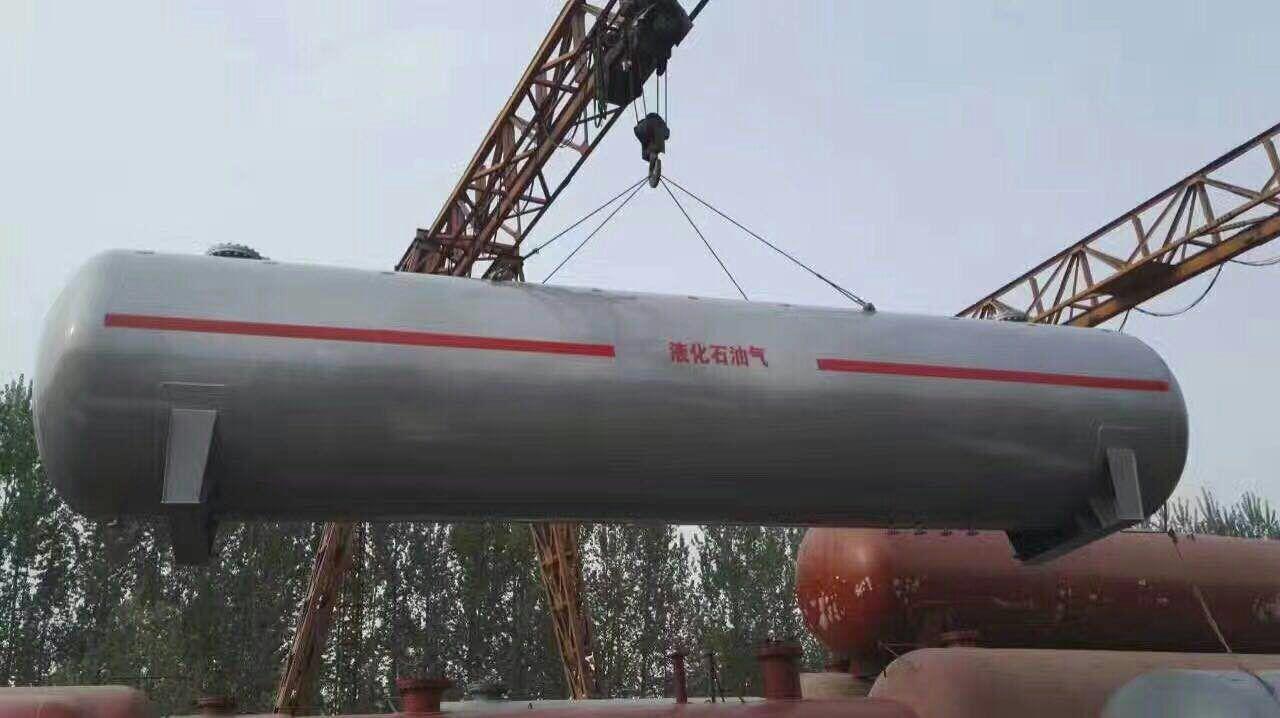
Liquefied ammonia storage tanks, as a special type of pressure vessel, are widely used in the chemical industry, often for transporting strong acids and alkalis. Over the years, it has been found that liquid ammonia storage tanks rarely experience strength failures, with most being caused by corrosion cracks. The corrosion issue with liquid ammonia storage tanks is increasingly being noticed, as many safety concerns arise from their insufficient corrosion resistance. Generally, cracks are more severe in the weld areas on the inner surface of the tank, mostly appearing on the annular welds, without plastic deformation at the crack tips, displaying typical brittle crack characteristics. The cracks are typically shallow and elongated with distinct branches, with the main crack perpendicular to the weld direction, especially at the start and end points of manual arc welding, T-joints, and where the head ring weld intersects with the longitudinal weld of the cylinder, where the cracks are more severe. In addition to strengthening the inspection of welds, manufacturers of liquid ammonia storage tanks must also enhance the inventory management of welding rods and ensure that different rods are not mistakenly used during operations involving the welding of different equipment, as this could compromise product quality.
Safety Precautions for Natural Gas Storage Tanks: Jacketed vacuum insulated powder insulation pressure vessels used for storing and supplying cryogenic liquefied gases. They are widely used in industrial production. Analysis of the hazardous characteristics of cryogenic liquids: They have low boiling points, high expansibility, strong asphyxiating properties, and strong oxidizing properties. Boiling points at 101.3 KPa: Liquid nitrogen -196°C, liquid oxygen -183°C, liquid argon -186°C. Contact with the human body can cause severe frostbite to the skin and eyes. A small leak of cryogenic liquids or internal leakage from valves can absorb heat from the surrounding environment, causing rapid condensation and frost formation at the leak point, which can severely lead to freezing. Cryogenic liquids exposed to high heat from the surrounding environment or large leaks absorb nearby energy, causing rapid vaporization and expansion. At 0°C and 101.3 KPa, the volume of gases produced by the vaporization of 1L of cryogenic liquids: nitrogen 674L, oxygen 800L, argon 780L. In sealed containers or pipes, increased internal pressure due to the vaporization of cryogenic liquids can easily cause overpressure explosions. In the surrounding environment of cryogenic liquid storage tanks, the vaporization of leaked cryogenic liquids can easily form a rich gas area. High concentrations of nitrogen, argon, or carbon dioxide can cause asphyxiation injuries. Additionally, high oxygen concentrations can lead to hyperoxygenation injuries. Oxygen is a strong oxidizer with intense oxidizing properties. Liquid oxygen can adhere to fabrics and, upon contact with a点火源, can cause a flash fire, potentially causing harm to individuals.


专业液化气储罐厂家-销售液化气储罐价格-专业定制液化气储罐哪家质量好-专业制造液化气储罐生产厂家



















