



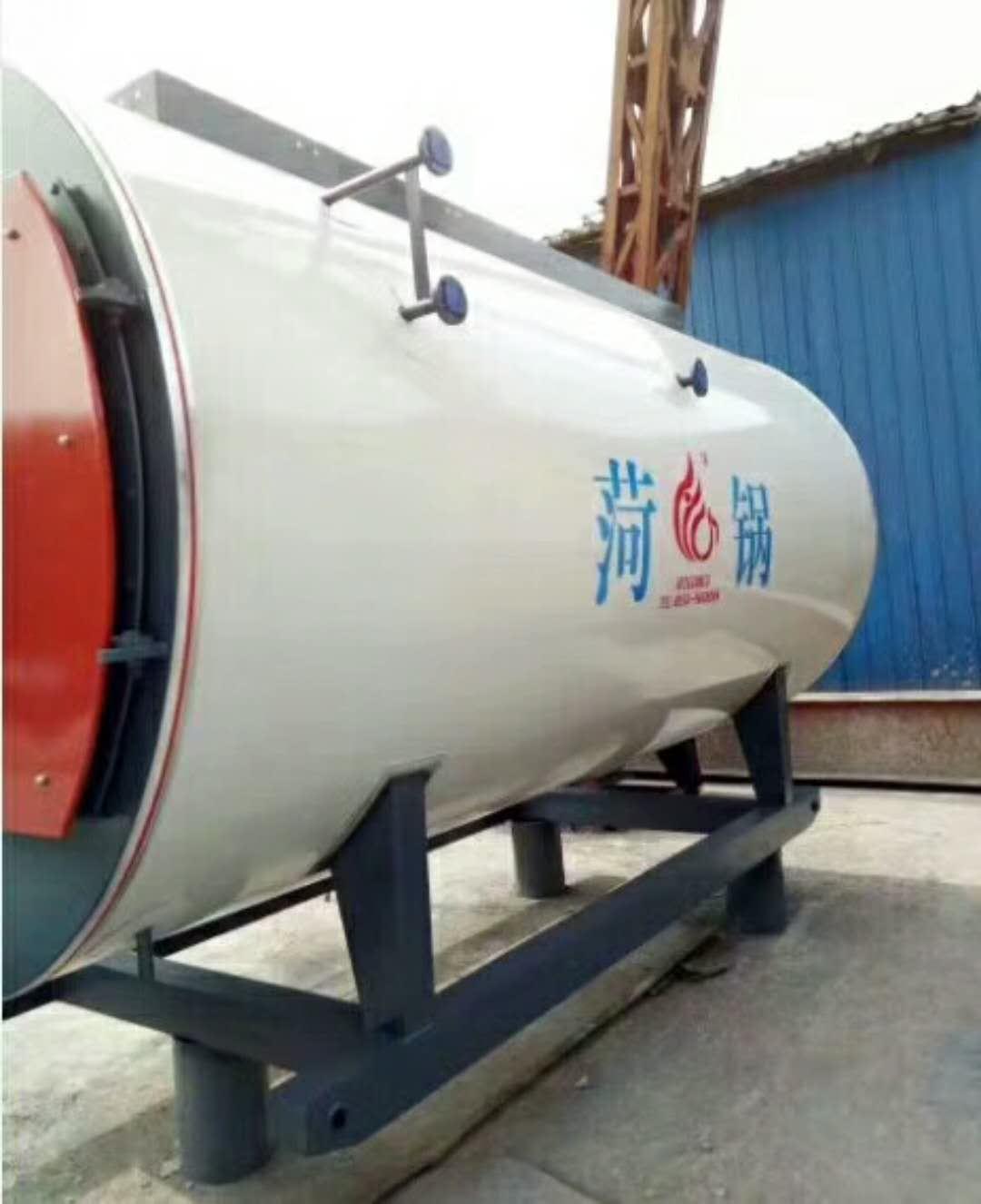

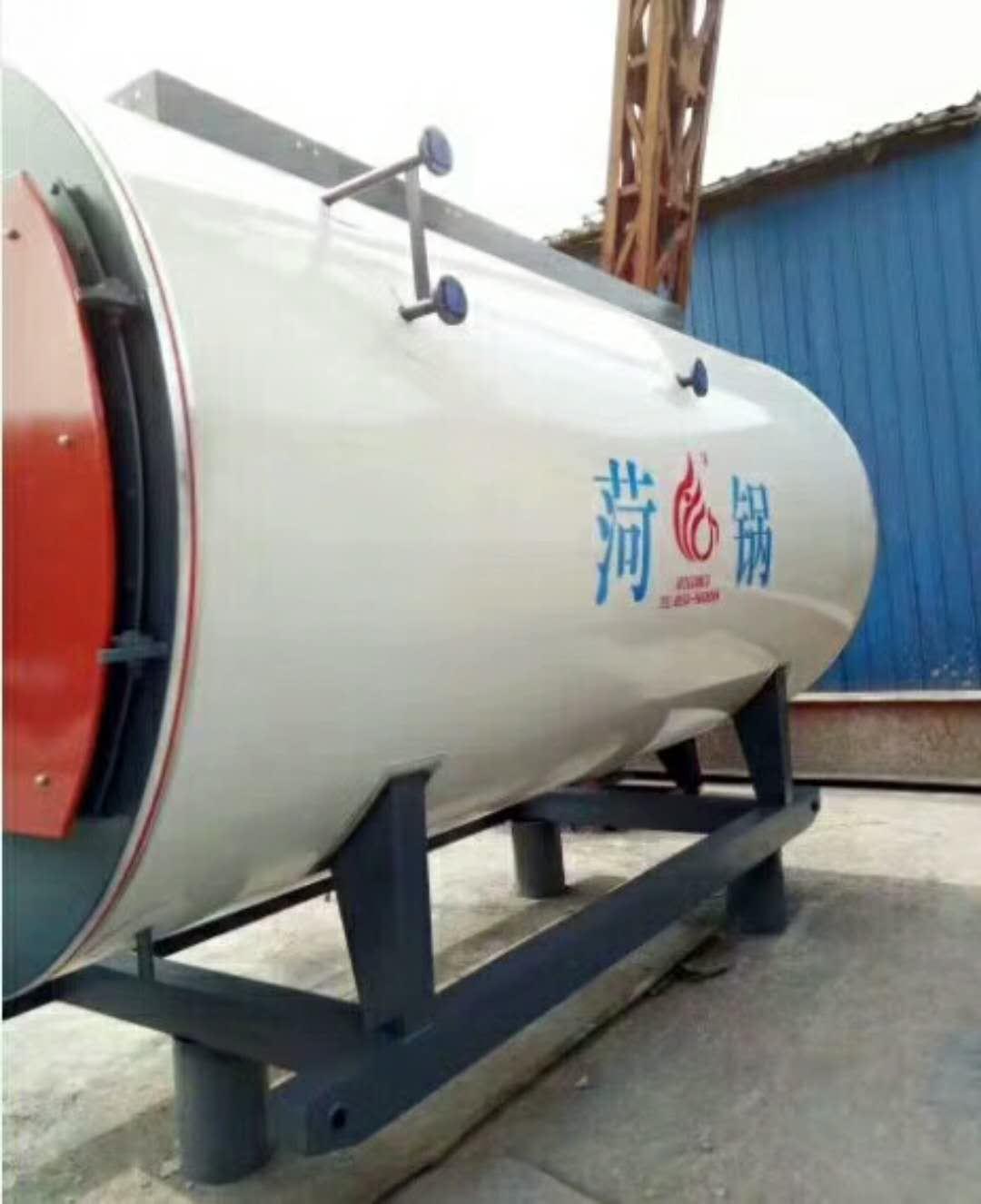
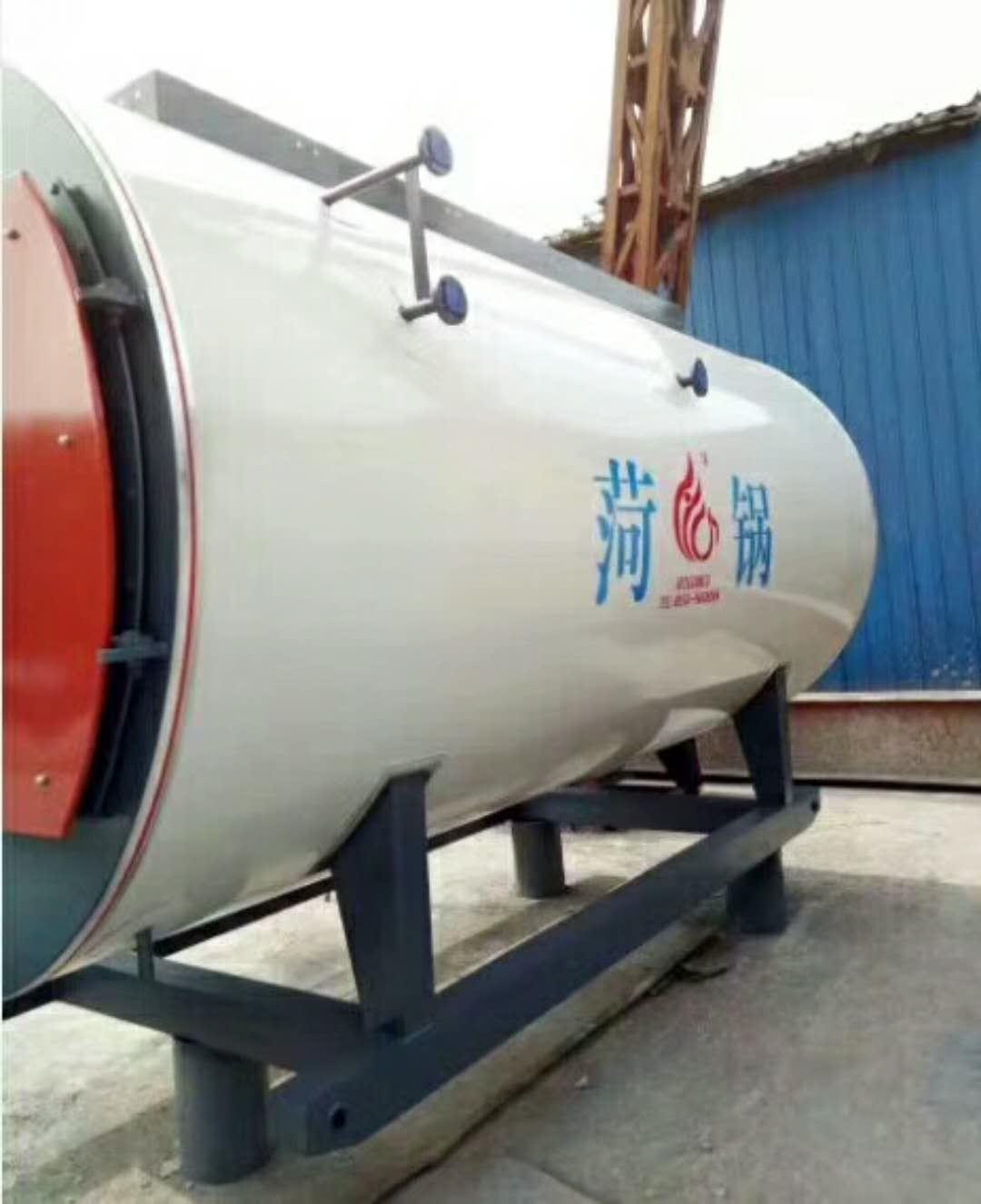



















Our company specializes in tank-type pressure vessels, which are one of our key products. These include LPG storage tanks, liquid ammonia tanks, liquid chlorine tanks, propane tanks, C5 storage tanks, and low-temperature storage tanks for liquid oxygen and nitrogen. Particularly, our LPG storage tanks have reached mass production levels with a continuous production line, and various models are available in stock.
Table of Performance Parameters for Class III Storage Tanks
Tank Type Product Model Effective Volume m3 Working Pressure MPa External Dimensions mm
LPG Storage Tank
[On the ground]
WG 1.77-1400-551.77DN1400×2750
WG 1.77-1400-10101.77DN1400×5980
WG 1.77-1600-10101.77DN1600×4400
WG 1.77-2000-20201.77DN2000×5650
WG 1.77-2200-25251.77DN2200×5800
WG 1.77-2200-30301.77DN2200×7100
WG 1.77-2600-40401.77DN2600×6600
WG 1.77-2600-50(B)501.77DN2600×8500
WG 1.77-2600-60601.77DN2600×10360
WG 1.77-3000-1001001.77DN3000×13200
WG 1.77-3600-1201201.77DN3600×10500
WG 1.77-3600-1501501.77DN3600×13500
WG 1.77-3800-2002001.77DN3800×16300
LPG Storage Tank
[Underground]
WDG 1.77-1400-551.77DN1400×2750
WDG 1.77-1600-10101.77DN1600×4400
WDG 1.77-2200-25251.77DN2200×5770
WDG 1.77-2200-30301.77DN2200×7100
WDG 1.77-2600-50501.77DN2600×8500
WDG 1.77-2800-60601.77DN2800×8740
WDG 1.77-3000-1001001.77DN3000×13200
Supply listed company He Guo brand LPG storage tanks, ranging from 5 cubic meters to 200 cubic meters of LPG storage tanks
The loading and unloading areas for liquid ammonia storage tanks should be prohibited near densely populated areas such as schools, hospitals, and residential districts. The quantity of liquid ammonia stored must be in compliance with national standards or regulations for major hazard sources, and the distances to the following places and areas must meet national standards or regulations: 1. densely populated areas such as residential districts, commercial centers, and parks; 2. public facilities such as schools, hospitals, cinemas, and sports stadiums; 3. water supply sources, waterworks, and protected water source areas; 4. stations, docks (excluding those approved for hazardous chemical handling according to national regulations), airports, highways, railways, waterways, subway ventilation shafts and entrances/exits; 5. basic farmland protection areas, pastoral areas, fishery waters, and production bases for seeds, breeding animals, and aquatic seedlings; 6. rivers, lakes, scenic areas, and nature reserves; 7. military prohibited and managed areas; 8. other areas protected by laws and administrative regulations.
Liquefied ammonia storage tanks, as a special type of pressure vessel, are widely used in the chemical industry for transporting strong acids and alkalis. Over the years, it has been found that liquid ammonia storage tanks rarely suffer from strength failure, with most incidents being caused by corrosion cracks. The corrosion issue of liquid ammonia storage tanks has garnered increasing attention, as many safety concerns arise from their insufficient corrosion resistance. Generally, cracks in the internal surface weld areas of storage tanks are severe, often appearing on circumferential welds, with fracture surfaces lacking plastic deformation, displaying typical brittle crack characteristics. Most cracks are shallow and elongated with distinct branches, with the main crack perpendicular to the weld direction, especially at the starting and ending points of manual electric arc welding, T-joints, and where the head ring weld intersects with the cylindrical longitudinal weld. In addition to strengthening the inspection of welds, manufacturers of liquid ammonia storage tanks must also enhance the inventory management of welding rods. It is crucial not to mix welding rods due to workers welding different equipment, as this can lead to hidden quality issues.


Professional LPG Storage Tanks Manufacturer - Sell LPG Storage Tanks - LPG Storage Tank Pricing - LPG Storage Tank Company



















