






















Liquefied Natural Gas Storage Tanks | Manufacturer of Liquefied Natural Gas Storage Tanks--Huzhou Boiler Factory Co., Ltd.

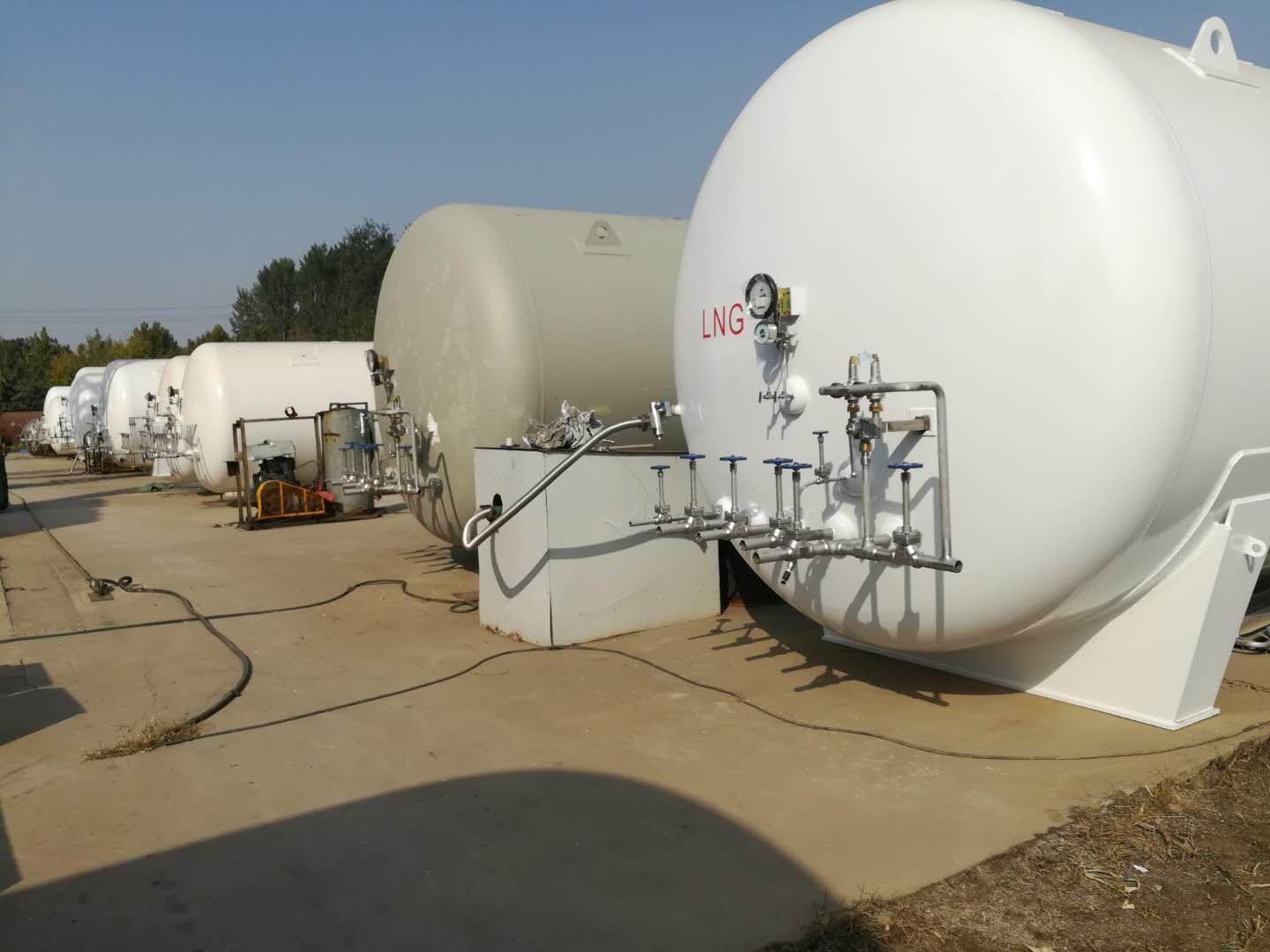
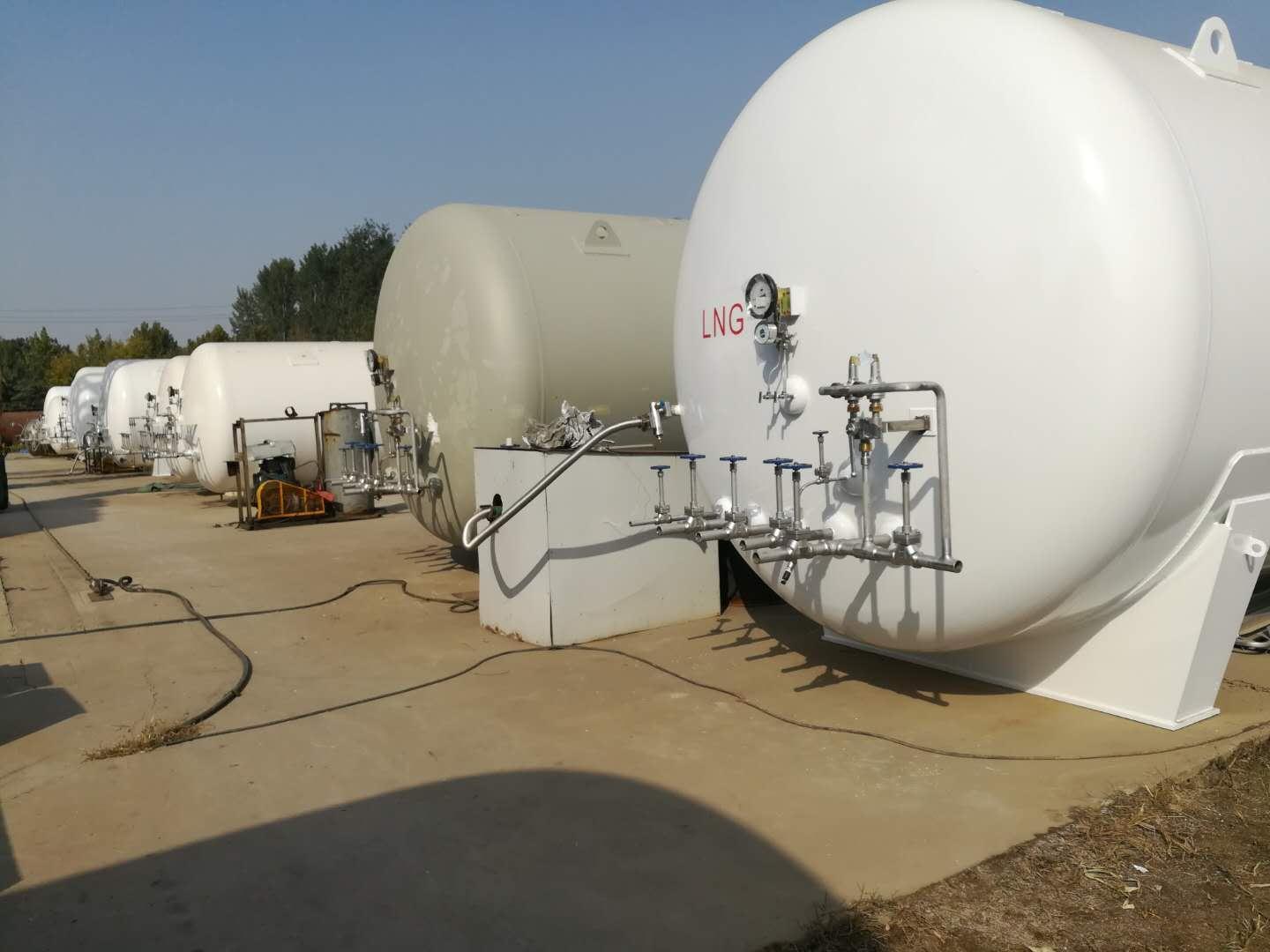
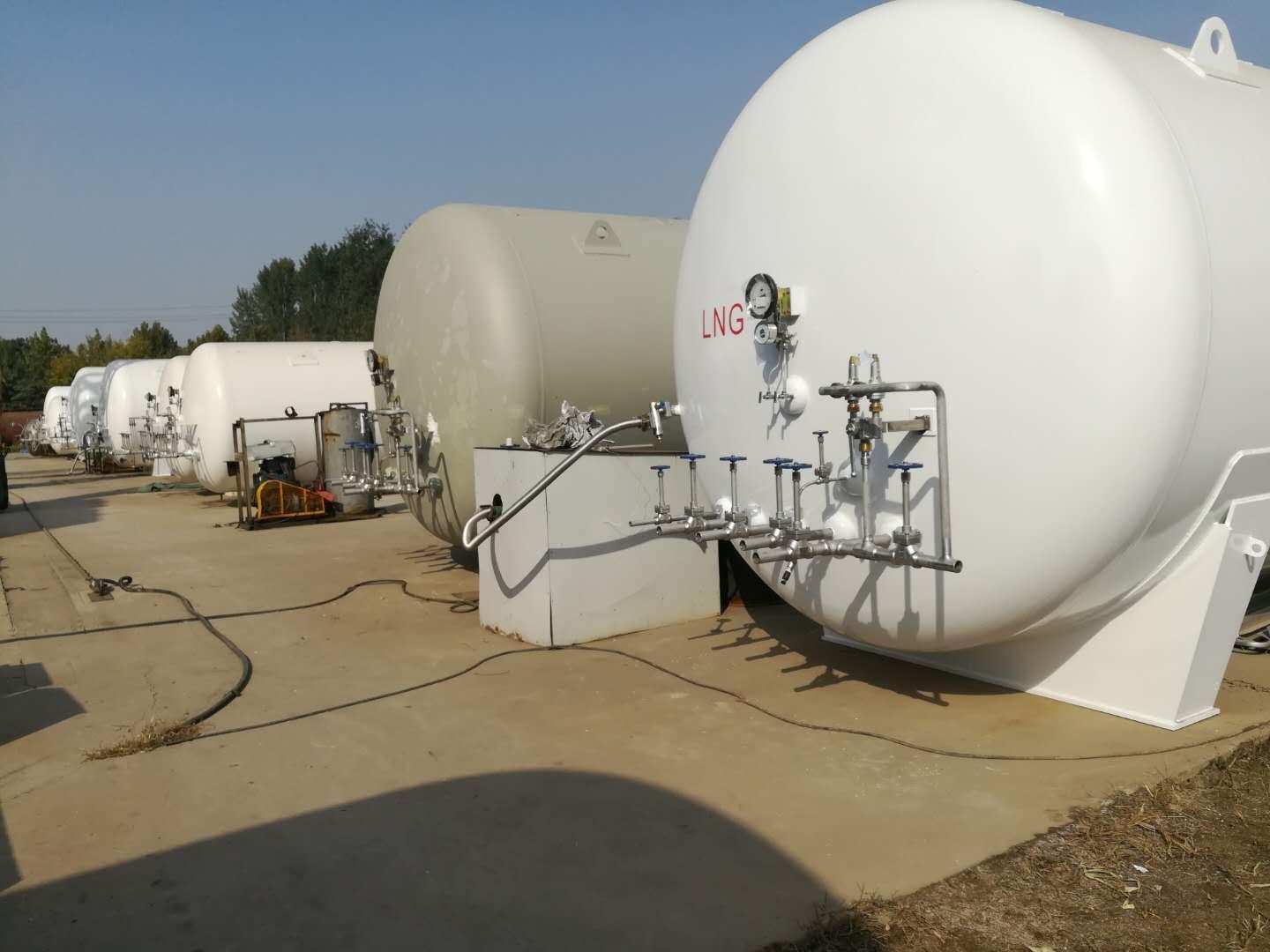
LNG storage tanks are specialized equipment designed for storing liquefied natural gas.TwoType pressure vessels, on-site inspection by the Technical Supervision Bureau, issuance of pressure vessel inspection certificate, completion of external rust removal and painting processes. Liquefied gas storage tanks undergo rigorous quality assessment for the material of pressure components, appearance dimensions, weld quality, operational quality, installation quality, internal equipment, and safety accessories. Widely used in industries such as industrial gases and gas, such as mechanical, chemical, metallurgical, and other units with high gas consumption, serving as centralized gas supply systems.The mostHigh-quality equipment. Features include long service life, small land occupation, easy operation, and centralized control. The leaked gas from LNG tanks is also very cold and can cause frostbite-like blisters on contact with the skin. Natural gas is an asphyxiant. The oxygen content in the atmosphere is approximately 21%, and when the oxygen content in the air falls below 18%, it can cause asphyxiation in humans.

LNG Storage Tank Operation Procedure:
Wear antistatic suits, shoes, and helmets, and keep devices prone to static discharge, such as cell phones and computers, in a safe area.
2. Check that the tank's thermometer, level gauge, pressure gauge, flammable gas alarm, and safety valve are functioning properly.
All valves of the tanks to be pressurized, except for the root valve and the emergency shutdown valve at the tank base, are in the closed position.
4. The lower liquid inlet valve of the tank is open, along with the boost liquid and vapor phase valves. Both the front and rear valves of the boost vaporizer are open.
5. Open the low-temperature cutoff valve before the vaporizer, the ambient temperature flanged ball valve after the vaporizer, and all valves required to be opened in the pressure regulating system.
6. A single storage tank is sufficient to meet the gas supply requirements when the gas flow rate is less than 1000Nm3/h up to 2000Nm3/h.
7. When the tank pressure rises above 0.15 MPa higher than the outlet pressure, slowly open the liquid outlet valve and start gas supply.
8. The LNG tank must maintain a liquid level at no more than 90% during operation, with a minimum liquid level of no less than 15%.
8. Attendants must regularly patrol during gas supply, monitoring the liquid level and pressure changes in the storage tanks, ensuring at least 3 records per day.
9. Regularly inspect the tank, welds, valves, etc., and take timely measures to address any gas leaks to ensure the LNG meets production requirements.

Operation Instructions
1. Utilize Security Management
(1) The user unit shall apply for and obtain the "Special Equipment Operation Registration Certificate" from the department responsible for special equipment operation registration at the location within 30 days before or after the product is put into use.
(2) Users shall comply with the relevant requirements of the "Special Equipment Operation and Management Regulations" to implement safety management for this product. This includes appointing a safety management supervisor, safety personnel, and operational staff, establishing various safety management systems, drafting operational procedures, and conducting inspections.
2. Pre-Use Preparation
Tanks and associated piping are installed and in place; after passing the acceptance inspection, prepare for pre-use.
The tank must be purged with dry nitrogen and pre-cooled with liquid nitrogen prior to first use. The purge pressure should not be less than 0.2 MPa.
Before blowing, loosen the connections at both ends of the differential pressure (level) gauge, and fully open the combination valve A9 of the differential pressure (level) gauge. Check if there is any moisture in the exhaust gas flow. If moisture is present, continue blowing until it stops. Tighten the connections at both ends of the differential pressure (level) gauge, and close the balancing valve to put the differential pressure (level) gauge into normal operating condition.
Before the tank is first filled with LNG, the liquid nitrogen or nitrogen inside the tank should be replaced with LNG gas. First, open drain valve A-6 to vent the nitrogen, then close the drain valve. Open vent valve A-12 and transfer LNG gas from the LNG tank container into the tank through the unloading platform. When the tank pressure reaches 0.1-0.2 MPa, close vent valve A-12, stabilize for 3 minutes, and then open drain valve A-6 to vent. Repeat this process 2-3 times, and the replacement is complete. Use a flammable gas detector or take a sample of the vented air for a点火 test to check the replacement extent.
Upon the first filling of LNG, pre-cool the tank or check the pre-cooling status of the tank previously.严格控制the rate of liquid inflow, and operate slowly. First, gradually open the upper inflow valve A-2, and transfer LNG from the tank car to the tank via the unloading platform. Due to the lagging vaporization process when LNG is transferred into the tank, closely monitor the rate at which the tank pressure increases. Ensure that the liquid inflow is minimal. When the pressure reaches 0.3 MPa, open the gas exhaust valve A-12 to reduce pressure; if necessary, close the upper inflow valve A-2. Through continuous inflow and exhaust, pre-cool the tank. After controlling the inflow rate for a period of time, when the tank pressure stabilizes and the liquid level indicator shows a certain level, gradually increase the opening of the upper inflow valve A-2, and open the lower inflow valve A-1.
3. First Filling Operation of Storage Tank
(1) Open the upper and lower inlet valves A-2 and A-1, filling simultaneously from top and bottom. During the filling process, monitor the differential pressure (level) gauge readings. Open the full indicator valve A-4, vent the gas in the storage tank, and immediately close the full indicator valve A-4 upon the release of LNG gas.
(2) Close the lower liquid inlet valve A-1 when the tank is filled to over 50% of its capacity.
(3) Upon reaching 85% capacity of the storage tank, close valve A-2, stop filling for 5 minutes to allow the liquid level in the container to stabilize. Then, reopen valve A-2 to continue filling and activate valve A-4 to indicate fullness. Close valve A-4 and A-2 immediately when liquid starts to flow from A-4, and stop filling.
4. Tank Refueling Operation Procedure
(1) After the initial formal filling, the gas phase pressure inside the tank should be reduced as much as possible during subsequent refilling.
(2) Fill both the upper and lower sections simultaneously. When the differential pressure (level) gauge indicates approximately 50% of the tank's volume, close the lower inlet valve A-1. When filled to about 85% of the tank's volume, close the upper inlet valve A-2, stop filling for 5 minutes to allow the liquid level in the container to stabilize. Then, reopen the upper inlet valve A-2 to continue filling and open the full indicator valve A-4. Continue filling until liquid starts to drain from the full indicator valve A-4. Close the full indicator valve and simultaneously close the upper inlet valve A-2, then stop filling.
(3) Monitor the pressure gauge and differential pressure (level) meter during the filling process. (If the pressure rises above the filling输送 pressure or near the safety valve pressure, open the exhaust valve A-12 to release an appropriate amount of gas from the storage tank to relieve pressure.)
(4) Fill out the operation record form.
5. Tank Pressurization Operation Procedure (Valves and equipment for this stage are to be provided and installed by the owner)
Using a supercharger can increase the pressure inside the tank, with the boost pressure controlled according to the drainage requirements and not exceeding the tank's maximum working pressure. The boost system of this tank is controlled by a pressure regulator valve, with the product pressure adjustment range being 0.2 to 0.8 MPa. The boost operation procedure is as follows:
Check if the pressure gauge is in working condition.
(2) Confirm the boost system pressure regulating valve is open.
(3) Gradually open the bypass valve.
(4) When stopping the draining, close the shutoff valve to prevent the tank pressure from rising.
(5) Important Notes:
1) During the operation of the LNG tank, the liquid level must be ≥15%.
2) When operating the boost system, safety must be a priority, and strict monitoring is required. Unauthorized personnel departure from the site is strictly prohibited.
6. Tank Pressure Reduction Procedure
Open vent valve A-12 to lower the gas phase pressure inside the storage tank to no more than the pressure set by the pressure regulator, then close vent valve A-12.
7. Tank Discharge Operation Procedure
(1) Inspect that the tank's pressure gauge, differential pressure (level) meter, flammable gas detector, and safety valve are functioning normally.
(2) Inspect that the pipeline valves, pressure gauges, and safety valves are in normal working condition.
(3) Prepare all explosion-proof tools and wear protective gear.
(4) Inspect the infusion line and open the drain valve A-6.


LNG储罐哪里有卖-LNG储罐加工-专用LNG储罐销售价格-特价LNG储罐加工



















