



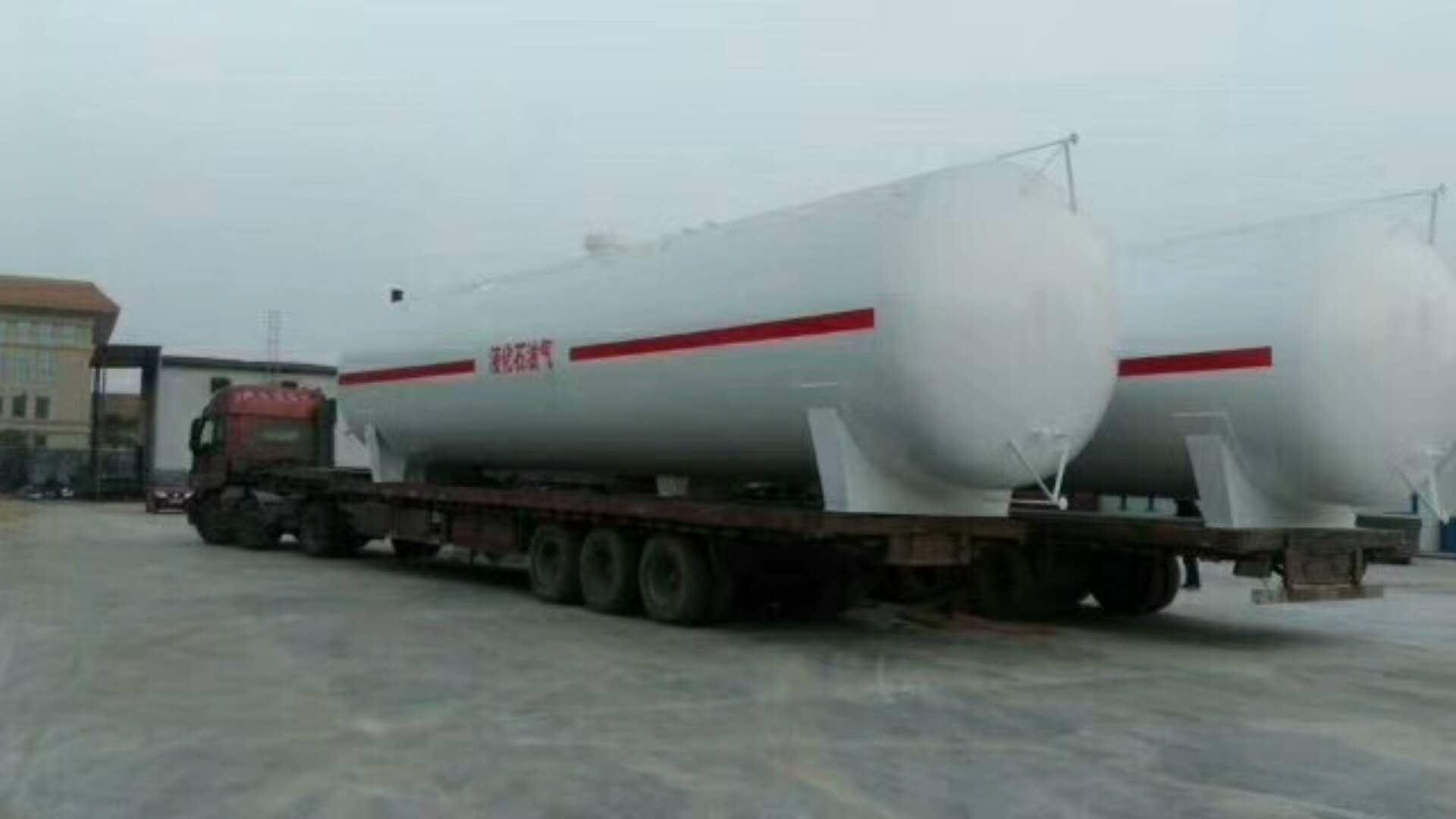

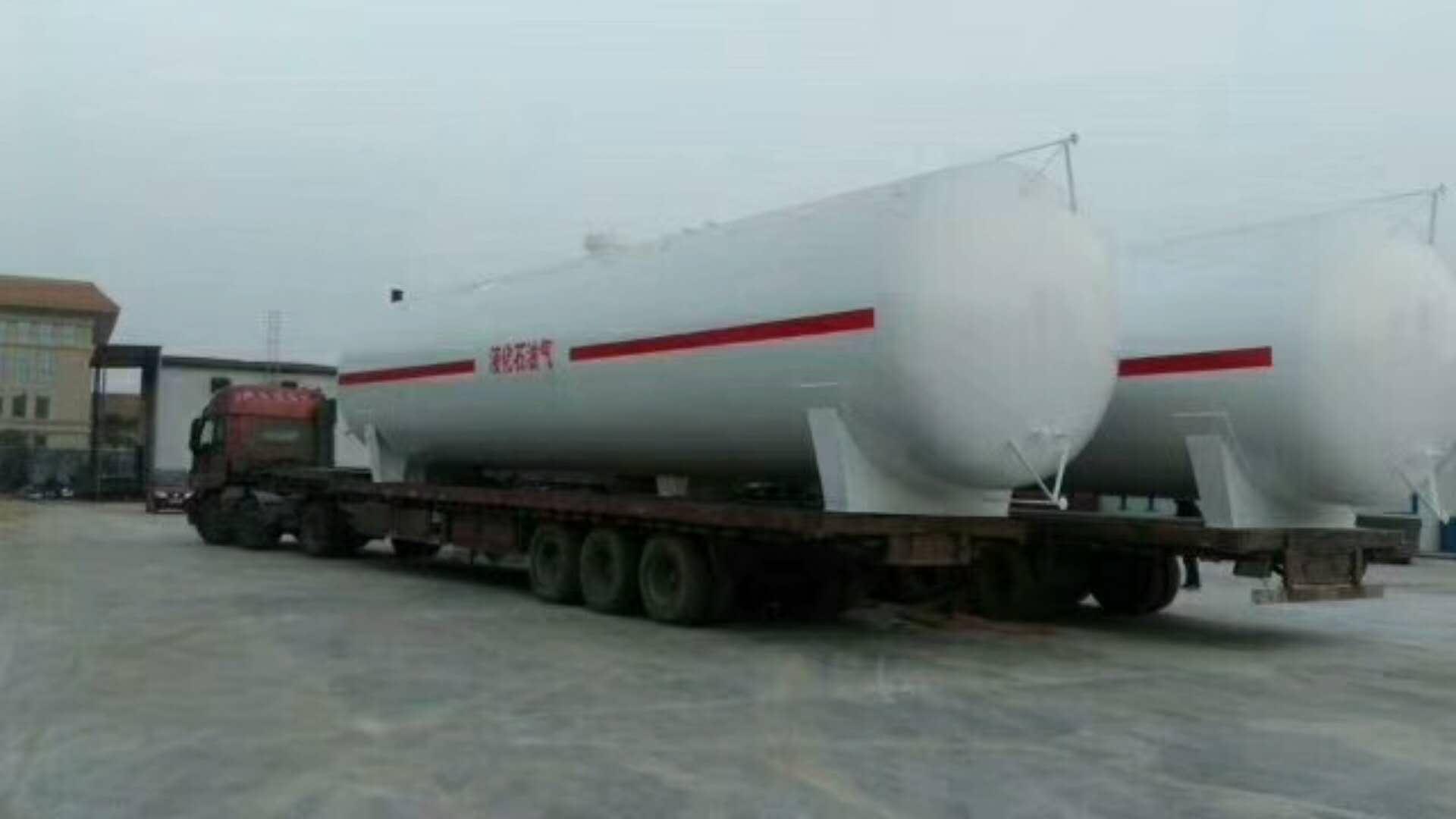
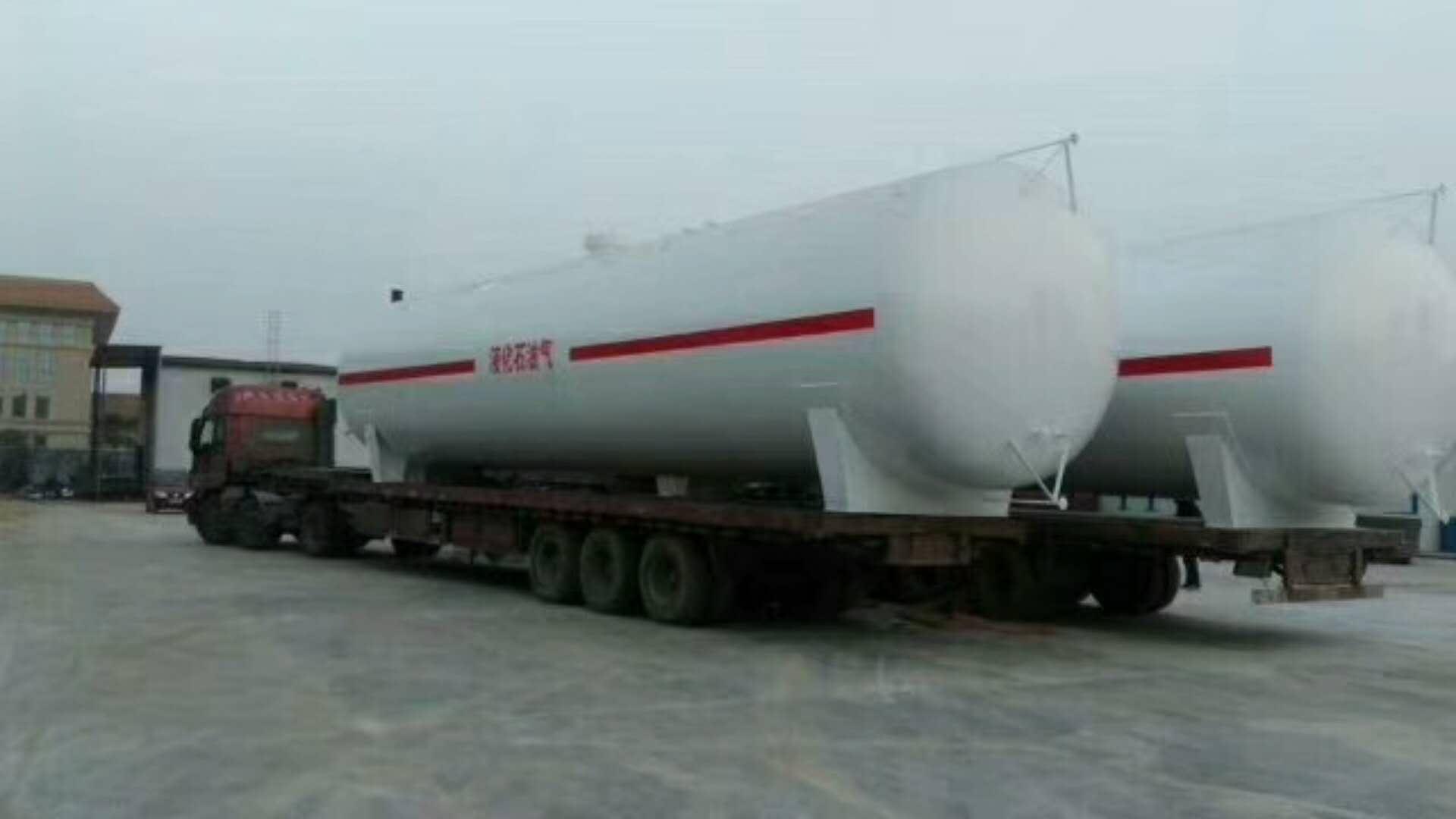


















Natural gas storage tanks, also known as low-temperature storage tanks, are vertical or horizontal double-layered vacuum insulated tanks. The inner shell is made of austenitic stainless steel, while the outer shell material varies by customer location, typically chosen as 345R according to national regulations. The annular space between the inner and outer shells is filled with insulating pearl sand and vacuumed. The product undergoes on-site inspection by the National Technical Supervision Bureau and is issued with a pressure vessel supervision and inspection certificate.

Natural gas tanks are the main equipment of LNG gasification stations, directly affecting the normal production of the stations and accounting for a significant portion of the construction cost. They can be classified into underground tanks, above-ground metal tanks, and metal prestressed concrete tanks. For LNG tanks, there are currently vacuum powder insulating tanks, positive pressure packed insulating tanks, and high-vacuum layer insulating tanks. Medium and small-scale gasification stations generally choose vacuum powder insulating low-temperature tanks. The tanks consist of an inner and outer layer, with the gap filled with pearly sand and evacuated to reduce the heat transfer from the outside, ensuring that the daily gasification rate of LNG within the tank is less than 0.3%.

Natural Gas Storage Tank
The operating pressure of the natural gas storage tank is 0.6-1.44 MPa, with an operating temperature of -162°C. (Available in vertical or horizontal configurations) The tank consists of two layers for its body. To minimize the transfer of external heat to the tank, a vacuum insulation structure with diatomaceous earth as the insulating material is used between the layers, isolating it from the atmosphere. This prevents the impact of atmospheric pressure or temperature changes and the entry of moist air into the insulation layer between the inner and outer tanks, effectively ensuring and enhancing the performance of the insulating material.

Natural gas storage tanks have high safety requirements. As they contain low-temperature liquids, in the event of an accident, the refrigerated liquid can evaporate in large quantities, with the vaporization rate being about 300 times that of its refrigerated state. This can form an explosive gas cloud in the atmosphere. Therefore, specifications such as API and BS require the use of double-walled tank structures and the application of containment principles. In the event of a leak in the primary tank, the secondary tank can completely contain the leaked liquid and evaporated gas, ensuring storage safety.


专业生产LNG储罐制造商-哪里有LNG储罐出售-哪家LNG储罐型号-知名LNG储罐价格



















