








Product Details

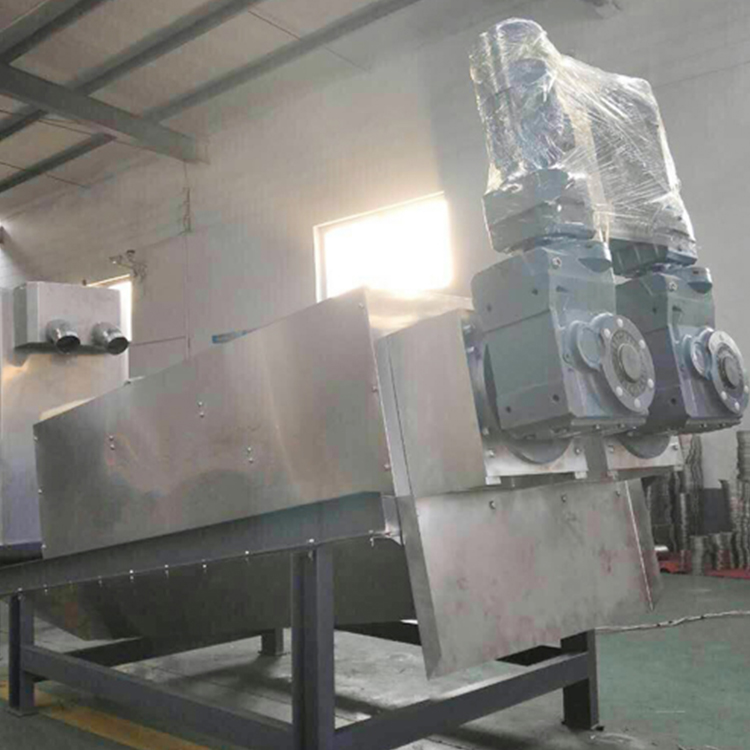
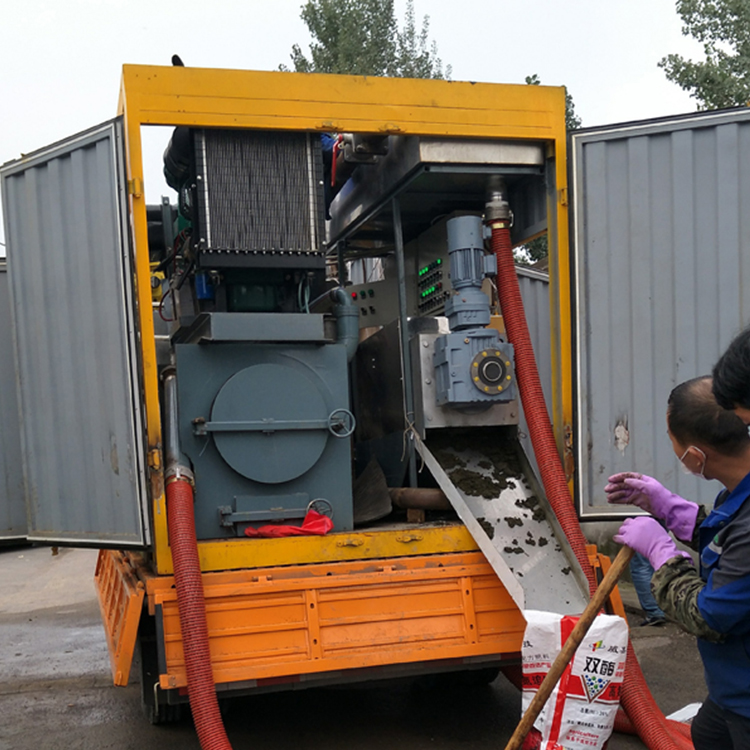
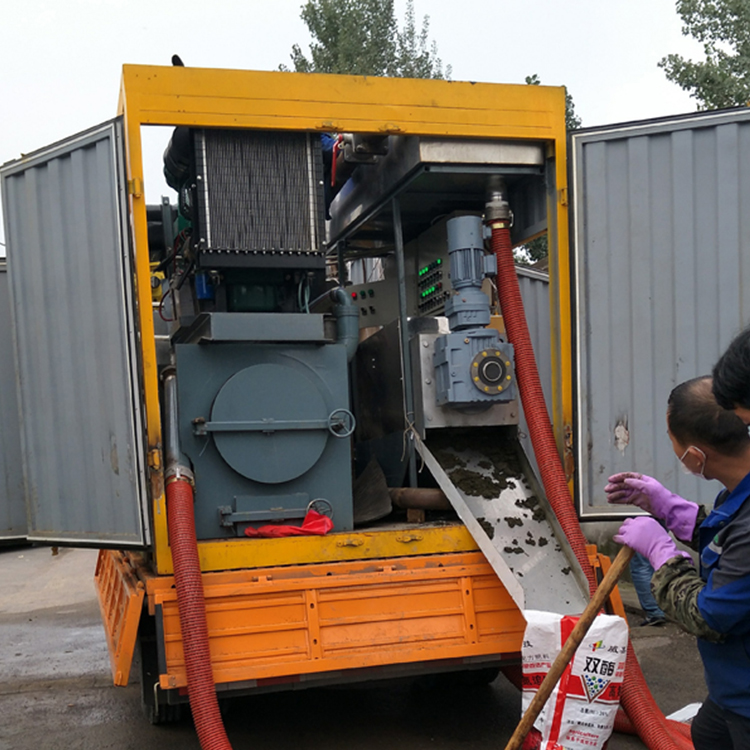
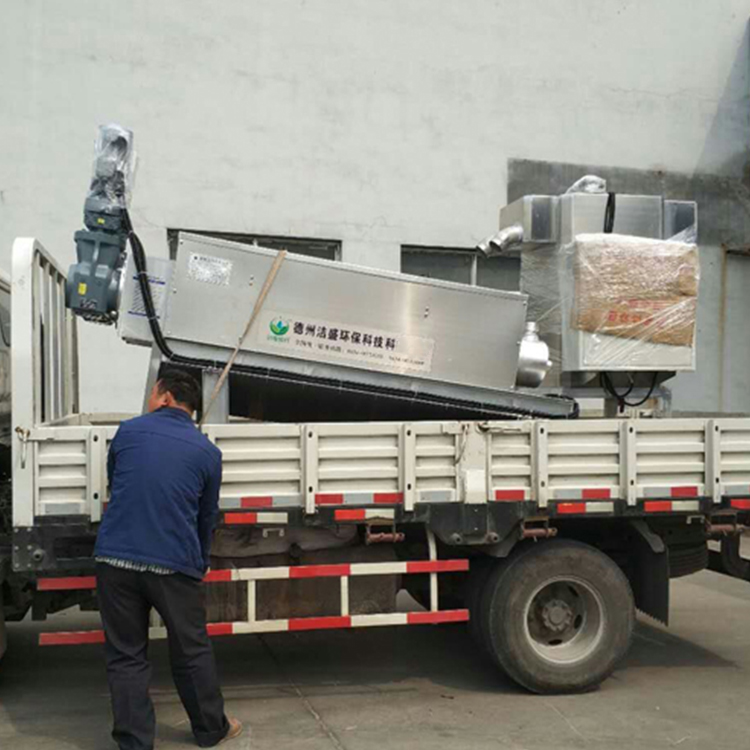
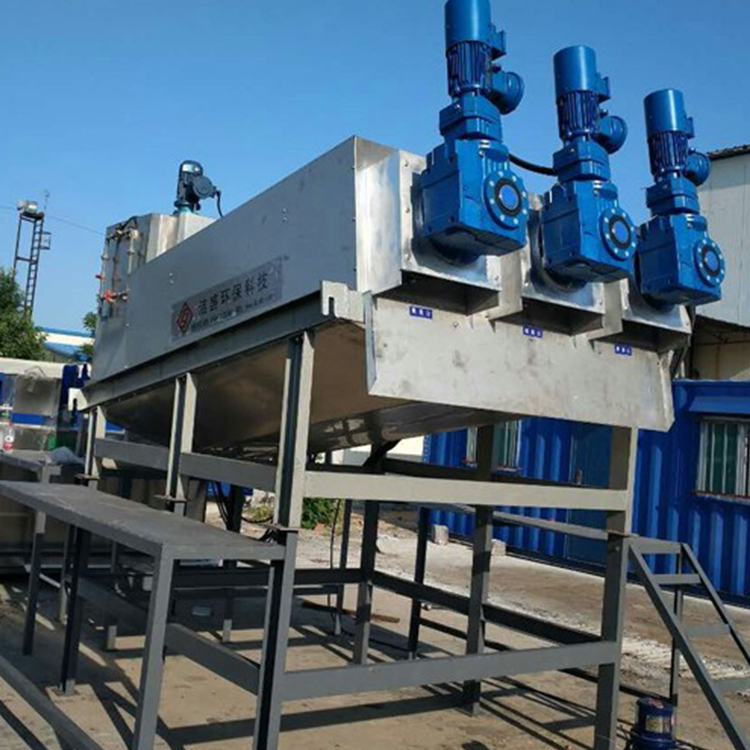
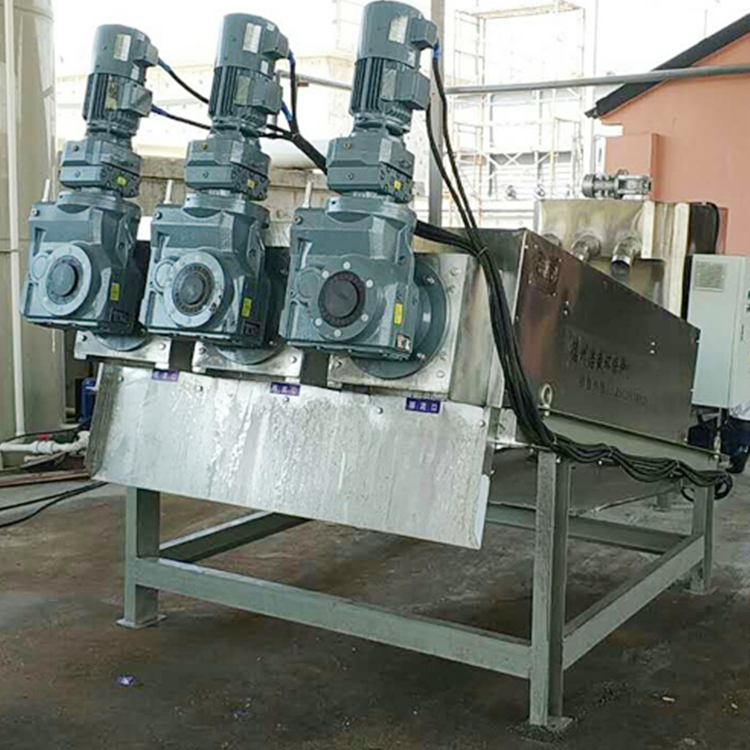
The screw press sludge dewatering machine adheres to principles such as force and water in the same direction, thin-layer dewatering, appropriate pressure application, and extended dewatering path, overcoming technical challenges like clogging, inability to process low-concentration and oil-containing sludge, high energy consumption, and complex operation faced by previous generations of dewatering equipment. It achieves the goal of efficient and energy-saving dewatering. The dewatering machine can achieve efficient flocculation under fully automatic operation, continuously complete sludge concentration and squeezing dewatering, and finally recycle or discharge the collected filtrate. It is widely used in municipal wastewater treatment projects and water treatment systems in industries such as food, starch, oil, pharmaceuticals, chemicals, papermaking, and leather.
Structural Principle
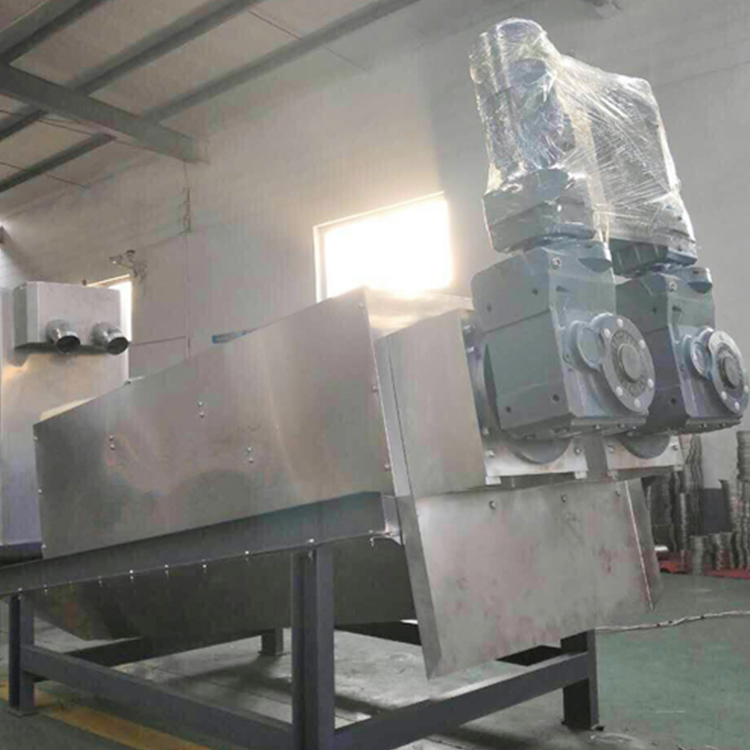
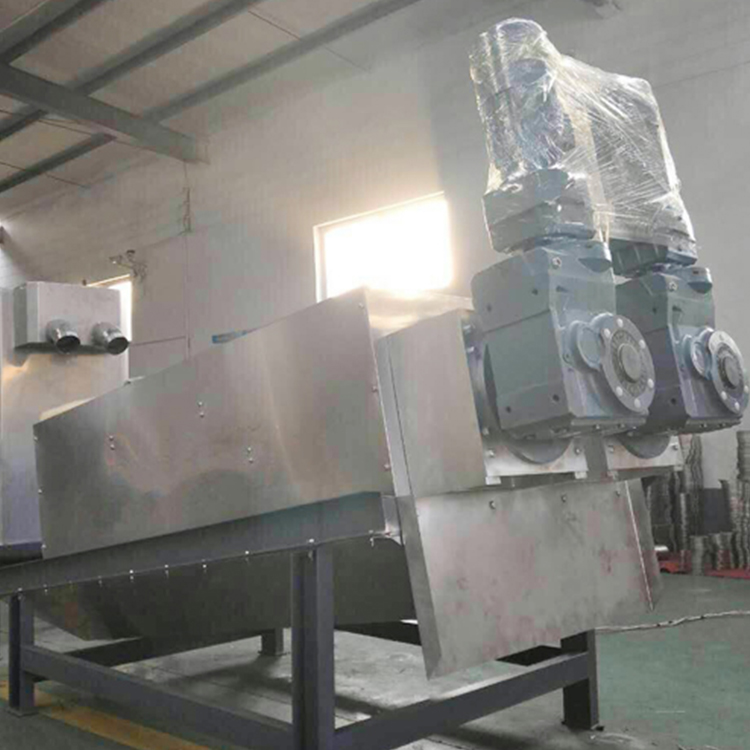
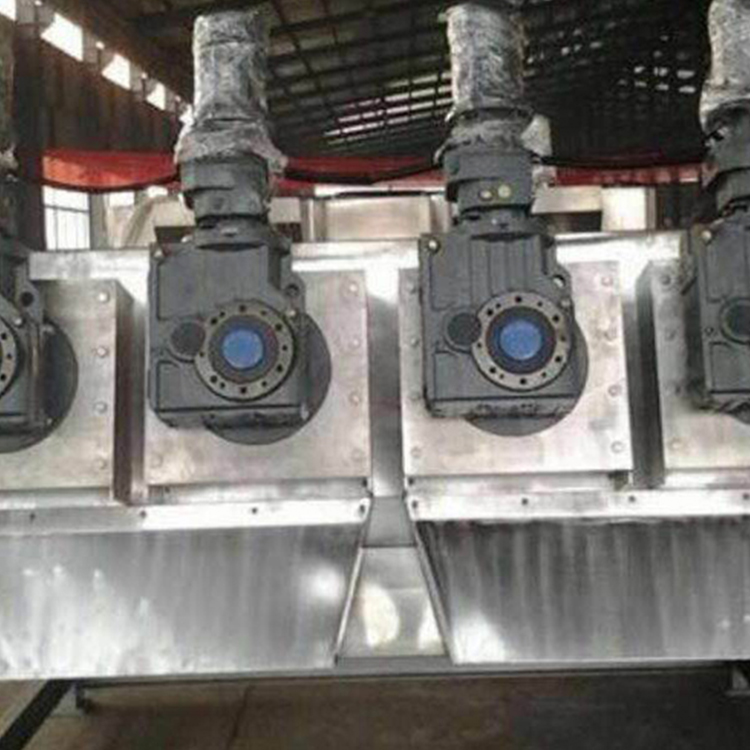
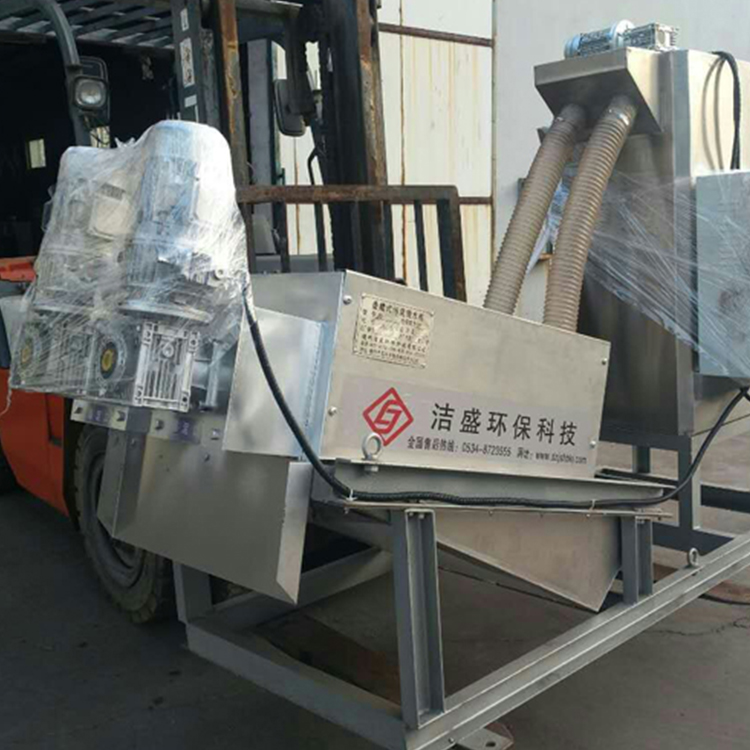
The Screw Press Sludge Dewatering Machine integrates a fully automatic control cabinet, a flocculation conditioning tank, the sludge concentration and dewatering unit, and a collecting tank into one. The main body consists of fixed rings and sliding rings stacked together, with a spiral shaft running through them, forming a filtration device. The front section is the concentration section, and the rear section is the dewatering section. The filter gap formed between the fixed and sliding rings, as well as the pitch of the spiral shaft, gradually decreases from the concentration section to the dewatering section. The spiral shaft continuously drives the rings to sweep the filter gap, preventing clogging. As the spiral shaft rotates, it propels sludge from the concentration section to the dewatering section, generating a significant internal pressure due to the back pressure plate's barrier, causing the volume to continuously shrink and achieving complete dewatering.