


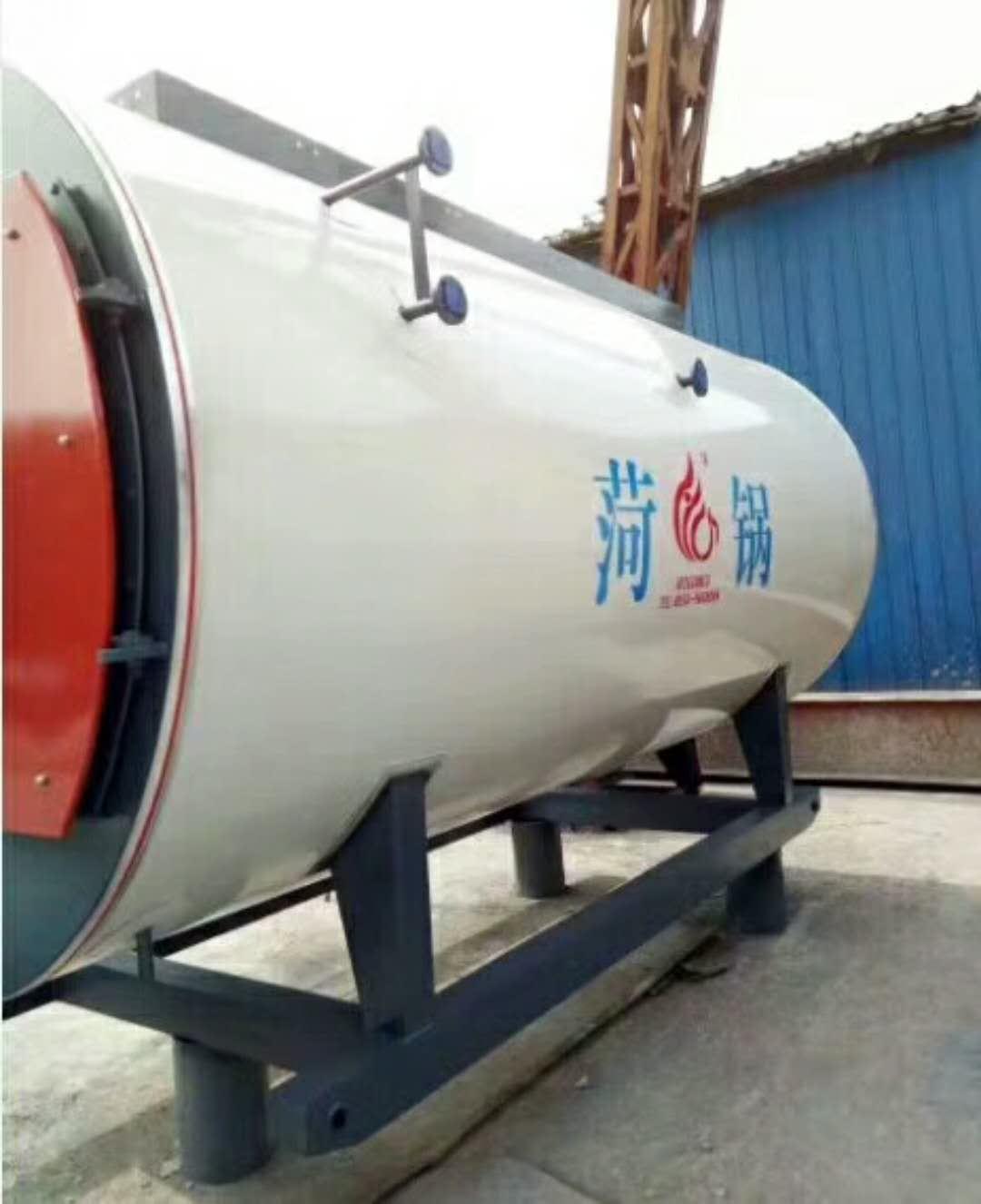

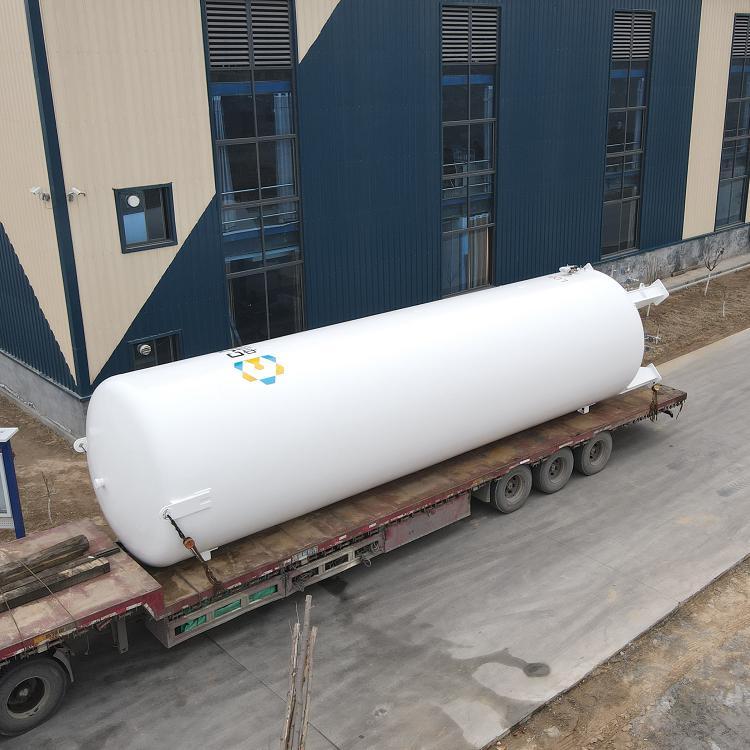
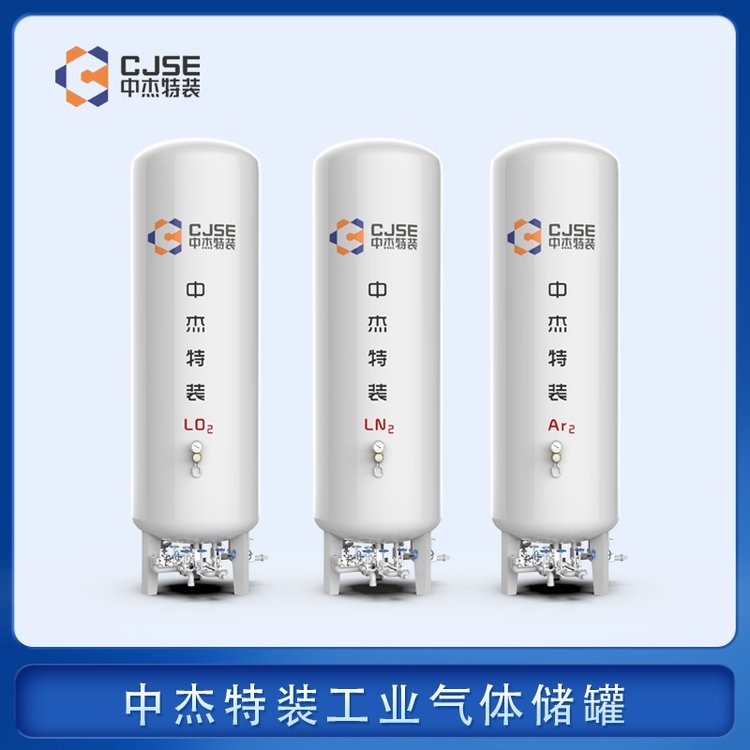


















Shandong Zhongjie Special Equipment's main products include: fuel (gas) boilers, organic heat carrier boilers, biomass boilers, waste heat boilers, and other boiler products; vacuum insulation cryogenic pressure vessels such as LNG storage tanks, oxygen-nitrogen-argon storage tanks, and CO2 storage tanks; pressure vessel products such as denitrification engineering equipment, heat storage and energy storage equipment, and complete chemical equipment sets; central air conditioning and HVAC equipment such as ground (water) source heat pumps, air source units, water-cooled screw units, and air-cooled modular units. Planned products include large-scale energy centers, LNG transport vehicles, LNG tank containers, and other green energy equipment.
In pressure vessel design, several common "thickness" parameters need to be considered:
Wall Thickness: Refers to the actual thickness of the pressure vessel wall, i.e., the thickness of the container wall. The selection of wall thickness should consider factors such as the design pressure of the container, the strength of the material, and its corrosion resistance to ensure the strength and safety of the container.
Bend Allowance: The bend allowance refers to the additional thickness added to the wall thickness during the manufacturing process to ensure the strength and shape of the container's bending section. The calculation and selection of the bend allowance should consider factors such as the container's bending radius and the material's bendability.
Corrosion Allowance: The corrosion allowance refers to the additional thickness added to the wall to account for internal or external corrosion effects on the container. The selection of the corrosion allowance should consider the working environment of the container and the corrosive nature of the medium, to ensure that the container can withstand the effects of corrosion throughout its service life.
These "thickness" parameters play a crucial role in pressure vessel design, affecting the container's strength, corrosion resistance, and safety. During the design process, it is necessary to reasonably select and calculate these thickness parameters, in accordance with relevant standards and regulations, considering the container's usage conditions and requirements, to ensure the design and manufacturing meet the specifications.
Liquid nitrogen tanks are equipment used for storing liquid nitrogen, widely applied in the following fields:
Frozen Food and Cold Chain Logistics: Liquid nitrogen tanks are used in the frozen food and cold chain logistics industry to freeze or refrigerate food and other perishable items, extending their shelf life and maintaining freshness. The low temperature of liquid nitrogen can rapidly freeze food, preventing bacterial growth and spoilage.
Medical Research: Liquid nitrogen tanks are extensively used in the field for cryopreservation of biological samples, cells, tissues, and more. The low temperature of liquid nitrogen effectively preserves the integrity and viability of biological materials, used in medical research, biomedicine engineering, and transplantation.
Laboratory Research: Liquid nitrogen tanks are utilized in scientific research and laboratories to provide liquid nitrogen as a coolant and freezing medium. The low temperature of liquid nitrogen can be used for cooling laboratory equipment, material research, superconducting electronics, and low-temperature physics.
Metalworking and Welding: Liquid nitrogen tanks are used in metalworking and welding for cooling and controlling metal temperatures. Liquid nitrogen can rapidly cool metal, enhancing its hardness and strength, and reducing deformation and stress.
Gas Storage and Supply: Liquid nitrogen tanks are also used for storing and supplying nitrogen gas. Liquid nitrogen can be converted into gaseous nitrogen through evaporation, used in applications such as gas shielded welding, gas fire suppression systems, gas analysis, and laboratory gas supply.
In summary, liquid nitrogen tanks are widely applied in the fields of frozen food, laboratory research, metalworking, and gas supply, providing storage and supply functions for liquid nitrogen at application sites.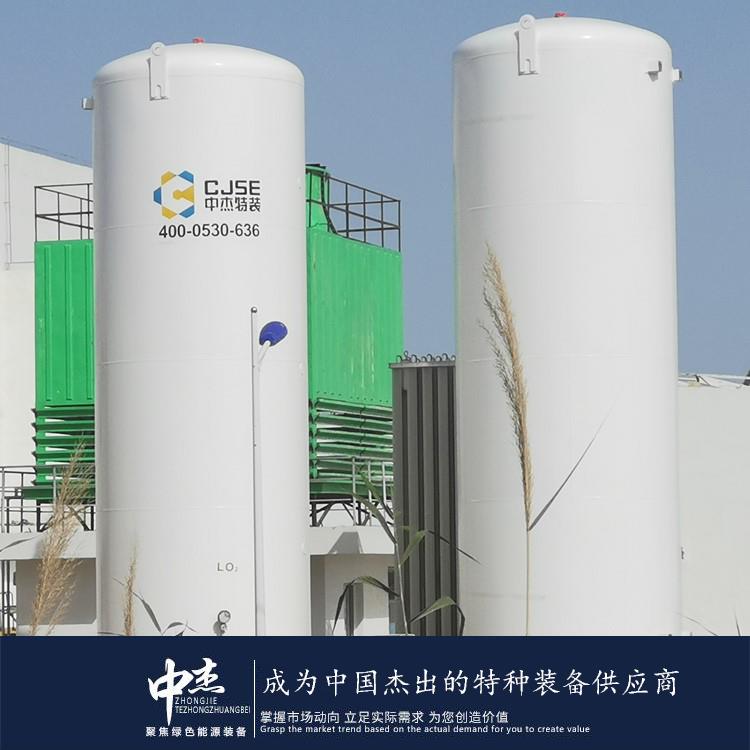
Operation procedures for liquid oxygen storage tanks should be established based on specific tank design and usage requirements. The following are some common contents of general operation procedures for liquid oxygen storage tanks:
- Operator Training: Ensure operators have received relevant training for liquid oxygen storage tanks, understanding the tank's structure, performance, operation procedures, and safety precautions.
- Safety Inspections: Conduct necessary safety checks before operating a liquid oxygen storage tank, including checking the tank's integrity, the sealing of valves and pipelines, and the condition of the insulation layer.
- Liquid Oxygen Supply: Ensure the liquid oxygen supply system is functioning properly, including inspecting the status of liquid oxygen supply pipelines, valves, and pressure gauges, and ensuring an adequate supply of liquid oxygen.
- Tank Pressure Control: Monitor the pressure of the liquid oxygen storage tank to ensure it is within a safe range. If necessary, control the tank's pressure by adjusting pressure valves or pressure relief devices.
- Leak Control: Regularly check the sealing of the tank and pipelines to ensure there are no leaks. In case of a leak, take immediate measures for leak control and notify relevant personnel.
- Fire Prevention Measures: Prohibit open flames and prevent sparks and high-temperature objects from contacting the tank around the storage tank. Establish fire prevention facilities and fire-fighting equipment, and check and maintain them regularly.
- Safety Distance: Maintain a certain safety distance around the liquid oxygen storage tank to prevent the spread of fires, explosions, and leaks.
- Maintenance and Repair: Regularly perform maintenance and repairs on the tank, including cleaning the tank, inspecting the insulation layer, valves, and pipelines, to ensure the tank operates normally.
- Waste Disposal: Properly dispose of waste generated by liquid oxygen storage tanks, including liquid oxygen residues, waste gases, and waste liquids, in accordance with relevant environmental protection regulations and standards.
Note that operation procedures for liquid oxygen storage tanks should be established based on specific tank design and usage requirements and should comply with applicable regulations, standards, and safety guidelines. When operating a liquid oxygen storage tank, cooperation with local regulatory agencies and individuals should be ensured to guarantee the tank's safety and reliability.
The use of liquid oxygen storage tanks requires special attention to the following safety precautions:
Training: Operators of liquid oxygen tanks must undergo training to understand the properties of liquid oxygen, safety operating procedures, and emergency response measures. Only trained personnel are authorized to handle liquid oxygen tanks.
Safety Operating Procedures: Establish and adhere to safe operating procedures for liquid oxygen tanks, including proper operational procedures, protective measures, and emergency response plans. Ensure operators follow the procedures to minimize accident risks.
Protection Measures: When using liquid oxygen tanks, necessary protective measures must be taken, such as wearing protective gloves and suits. Avoid direct contact with liquid oxygen to prevent frostbite.
Leakage Control: Conduct regular inspections of liquid oxygen storage tanks for leakage, and equip with leak detection and alarm systems. In case of a leak, immediate measures should be taken to control the leakage and perform repairs.
Fire Prevention Measures: Liquid oxygen has a high oxygen content and is prone to cause fires. To prevent and contain fires, fire barriers and fire-retardant coatings should be installed around liquid oxygen storage tanks.
Static protection: The accumulation of static electricity in liquid oxygen tanks may cause sparks, increasing the risk of fire. Measures such as using static-conductive materials and anti-static equipment should be taken to reduce the accumulation and release of static electricity.
Ventilation Requirements: Ensure adequate ventilation within the enclosed space of the liquid oxygen storage tank to expel vapors produced by the evaporation of liquid oxygen.
Shandong Zhongjie Special Equipment, welcome customers to our factory for negotiations and cooperation.
WeChat Official Account

Scan to follow Official Account



















