


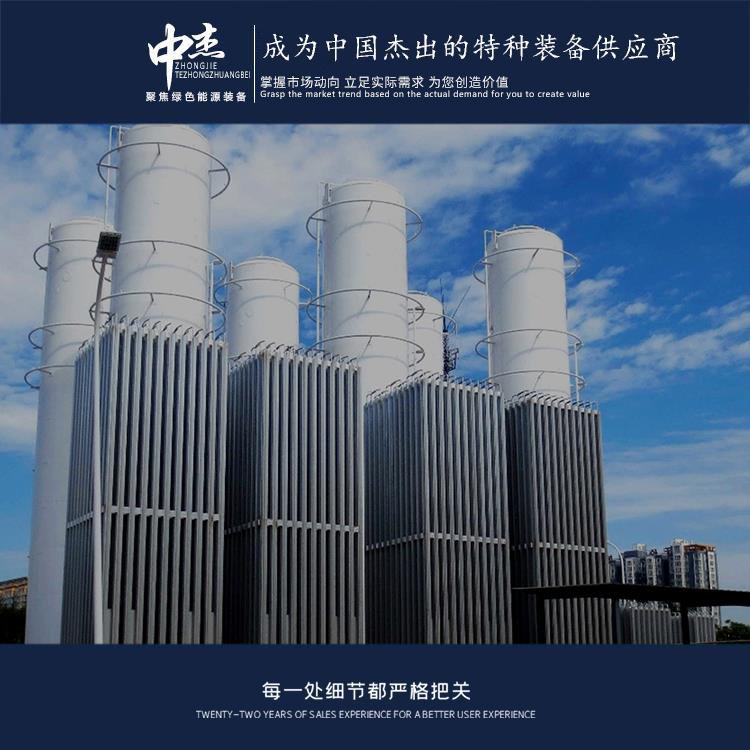

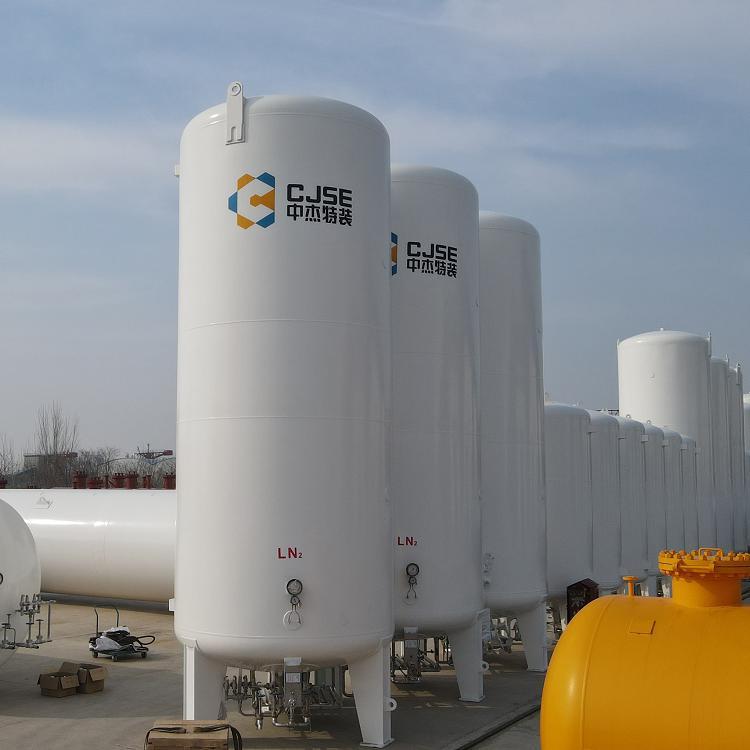
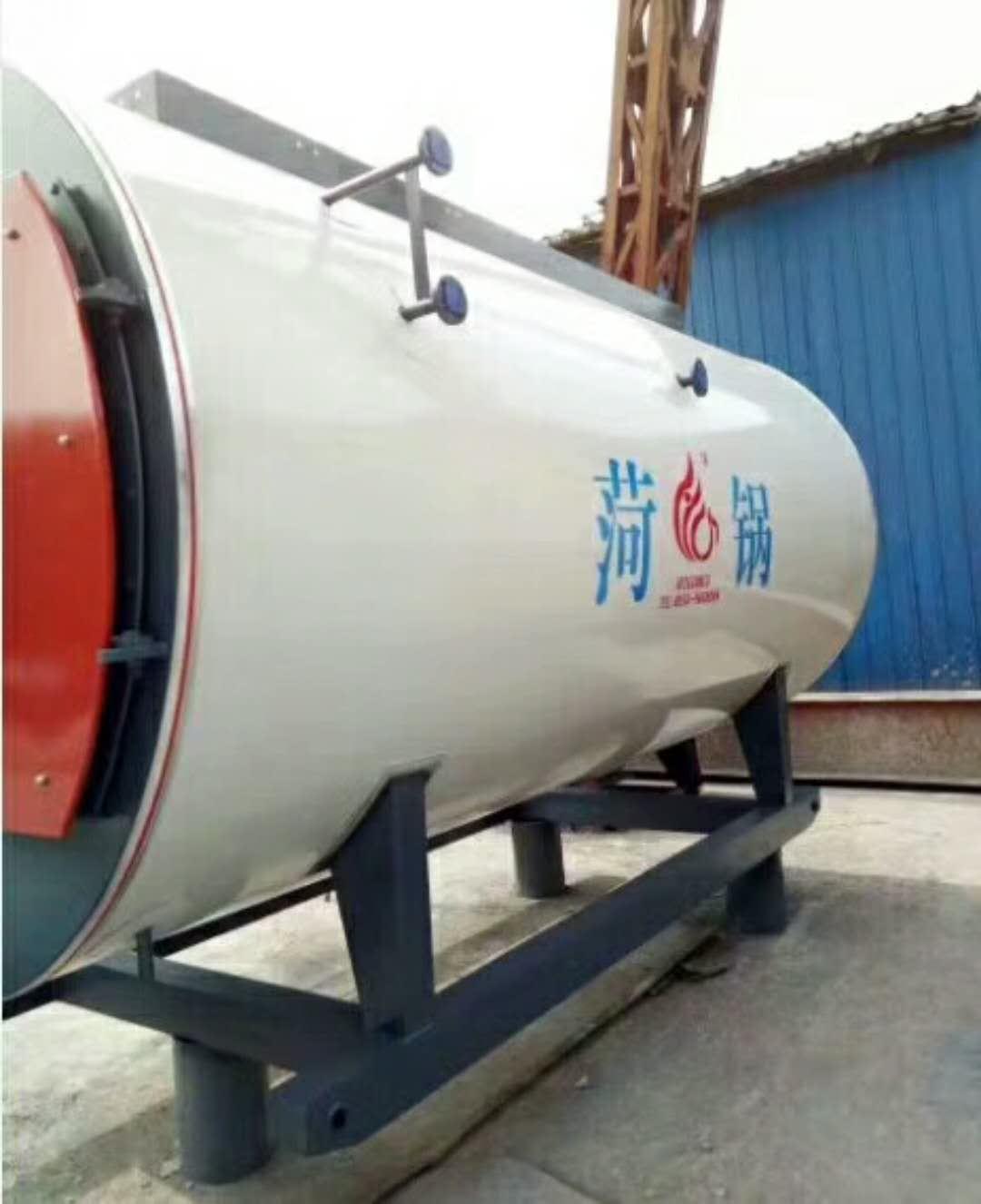


















Shandong Zhongjie Special Equipment's main products include: fuel (gas) boilers, organic heat carrier boilers, biomass boilers, waste heat recovery boilers, and other boiler products; vacuum insulated cryogenic pressure vessels such as LNG tanks, oxygen/nitrogen/argon tanks, and CO2 tanks; pressure vessel products such as denitrification engineering equipment, heat storage equipment, and complete chemical equipment sets; central air conditioning and HVAC equipment like ground (water) source heat pumps, air source units, water-cooled screw units, and air-cooled modular units. Planned products include large-scale energy centers, LNG transport vehicles, and LNG tank containers, among other green energy equipment.
Proper management regulations for the use of low-temperature liquid storage tanks encompass the following aspects:
Tank selection and installation: Choose a suitable low-temperature liquid storage tank and ensure it complies with relevant standards and regulations. The installation of the tank should be carried out by personnel and operated according to the manufacturer's instructions and requirements to ensure the stability and safety of the tank.
Safety Operating Procedures: Establish and implement safety operating procedures for liquid storage tanks, including start-up, shutdown, filling, venting, and other operational steps. Operators must undergo training to understand the characteristics of liquid storage tanks, safety precautions, and emergency response measures.
Safety Equipment and Protection Measures: Tanks should be equipped with necessary safety devices such as pressure sensors, safety valves, leak detectors, etc., to monitor and control the pressure and temperature of the tank. At the same time, operators should wear appropriate personal protective equipment, such as insulating gloves, protective clothing, etc., to ensure their safety.
Regular Inspections and Maintenance: Conduct regular inspections and maintenance on low-temperature liquid storage tanks, including checking the tank's appearance, sealing, and corrosion prevention measures. In case of any issues, promptly repair or replace the tank to ensure its proper operation and safety.
Waste Management: Abandoned low-temperature liquid storage tanks should be disposed of in accordance with relevant environmental protection regulations. The residual liquid in the abandoned tanks should be handled properly to prevent environmental pollution.
Tank Record and Tracking: Establish a tank usage record, including filling dates, filling quantities, usage status, etc. Additionally, it is recommended to set up a tank tracking system for monitoring and managing tank usage and maintenance.
Above are some common regulations for the management of low-temperature liquid storage tanks. Specific regulations may vary by industry and region. When using low-temperature liquid storage tanks, relevant laws and standards should be adhered to, and appropriate management measures should be formulated based on actual circumstances.
A 50-cubic-meter liquid oxygen tank refers to a storage tank with a capacity of 50 cubic meters. Liquid oxygen tanks are commonly used for storing and supplying liquid oxygen, for applications such as experiments, research, and more.
Key features and configurations of a 50 cubic meter liquid oxygen storage tank may include the following aspects:
Volume: A 50 cubic meter liquid oxygen tank can store a substantial amount of liquid oxygen.
Structure: Liquid oxygen tanks are typically designed with a double or multi-layered structure, filled with insulating material in between to minimize heat transfer and evaporation of the liquid oxygen. The tank material is usually stainless steel or aluminum alloy, offering excellent corrosion resistance and low-temperature performance.
Insulation Layer: The insulation layer of liquid oxygen storage tanks typically employs multi-layered insulation materials, such as polyethylene foam, glass fiber, and vacuum layers, to minimize heat transfer and evaporation of liquid oxygen.
Temperature Control System: Liquid oxygen tanks are typically equipped with a temperature control system to regulate the tank's temperature, maintaining the低温 state of the liquid oxygen.
Safety Equipment: Liquid oxygen tanks are typically equipped with safety devices such as pressure sensors, temperature sensors, and safety valves to ensure safe operation of the tank.
It's important to note that the use of liquid oxygen tanks must strictly adhere to relevant safety regulations and operating guidelines to ensure safe operation and usage. Liquid oxygen is highly flammable, so fire prevention measures must be taken when using liquid oxygen tanks, and fire sources must be kept away from the tank area.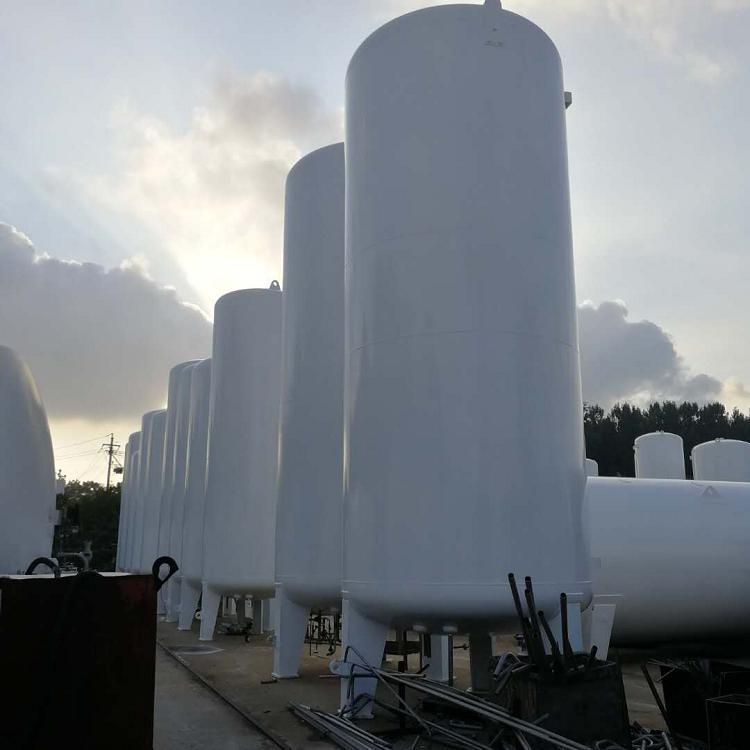
The reasons for not leaving liquid oxygen tanks empty for extended periods are mainly as follows:
Evaporation Loss of Liquid Oxygen: Liquid oxygen has a low boiling point, and prolonged storage without use will cause it to continually evaporate, leading to a loss of liquid oxygen within the storage tank. The evaporation rate of liquid oxygen is rapid, with daily evaporation amounts potentially reaching several percent of the tank's capacity. Extended periods of unused storage can result in wastage of liquid oxygen.
Safety Risk: Liquid oxygen is a strong oxidizer with high flammability and explosiveness. Prolonged emptying of the liquid oxygen storage tank increases the chance of contact between the liquid oxygen and the surrounding environment, thereby raising the risk of accidental fires and explosions.
Tank Damage Risk: Long-term storage of liquid oxygen can lead to internal oxidation reactions in the tank, accelerating corrosion and damage. Tank damage can affect its sealing performance and structural strength, increasing the risk of leaks and safety accidents.
Therefore, to ensure the safe storage and effective use of liquid oxygen, the liquid oxygen storage tank should be regularly maintained and serviced to avoid long-term disuse. When the tank is not in use, appropriate measures should be taken, such as sealing the tank and reducing the evaporation of liquid oxygen, to minimize losses and safety risks.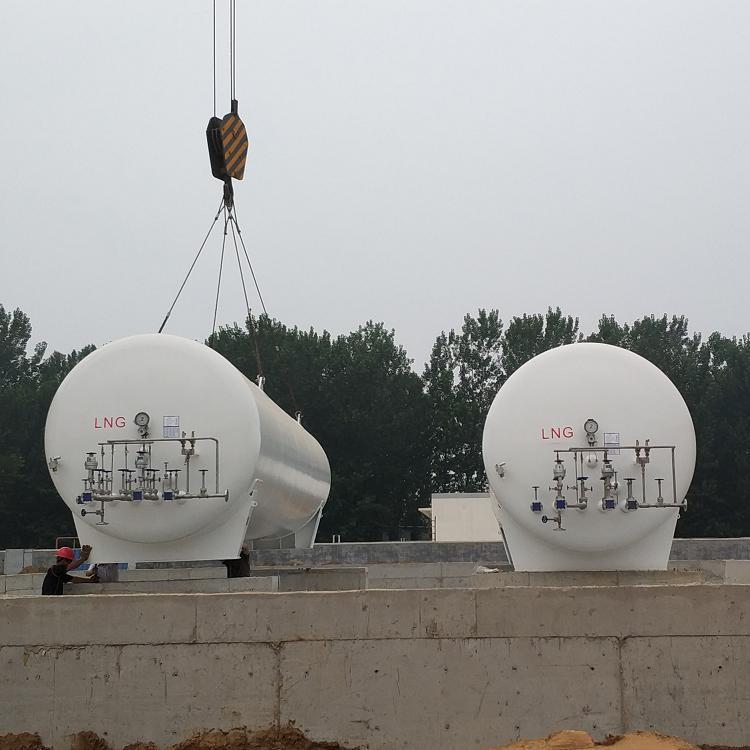
Routine inspections and maintenance of liquid oxygen storage tanks are crucial for ensuring their safe operation. The following are general steps for the daily checks and maintenance of liquid oxygen storage tanks:
Visual Inspection: Regularly inspect the tank's exterior, including the shell, welds, valves, and fittings. Pay attention to any signs of cracks, corrosion, or deformation.
Leak Detection: Utilize appropriate leak detection equipment to inspect for leaks in storage tanks and connections. Leak detection can be conducted using methods such as gas detectors or liquid oxygen detection agents.
Pressure Testing: Conduct regular pressure tests to inspect the tank's sealing and pressure resistance. Perform pressure tests according to relevant standards and regulations, and record the test results.
Valve and Fitting Inspection: Check if the valves and fittings of the tank are functioning properly, for any looseness or damage. Ensure the valves open and close smoothly and reliably.
Insulation Layer Inspection: Check for any damage or detachment in the tank's insulation layer. Repair or replace any damaged insulation materials to ensure effective insulation.
Cleaning and Drainage: Regularly clean the interior of the tank to remove accumulated impurities and dirt. Regularly drain to prevent contaminants and sediments in liquid oxygen from damaging the tank.
Safety Equipment Inspection: Check the safety equipment around the storage tank, such as fire separation zones and alarm systems, to ensure they are functioning properly.
Record and Document Management: Document the results of each inspection and maintenance, including the inspection date, contents, issues found, and corrective measures. Establish comprehensive management records and documents for tracking and managing the storage tank's operational status.
Note that inspections and maintenance of liquid oxygen tanks should be conducted by trained personnel and in accordance with relevant specifications and standards. Ensure safety during maintenance and operation, and consult experts for accurate guidance.
Shandong Zhongjie Special Equipment, welcome clients to our factory for business discussions.
WeChat Official Account

Scan to follow Official Account



















