


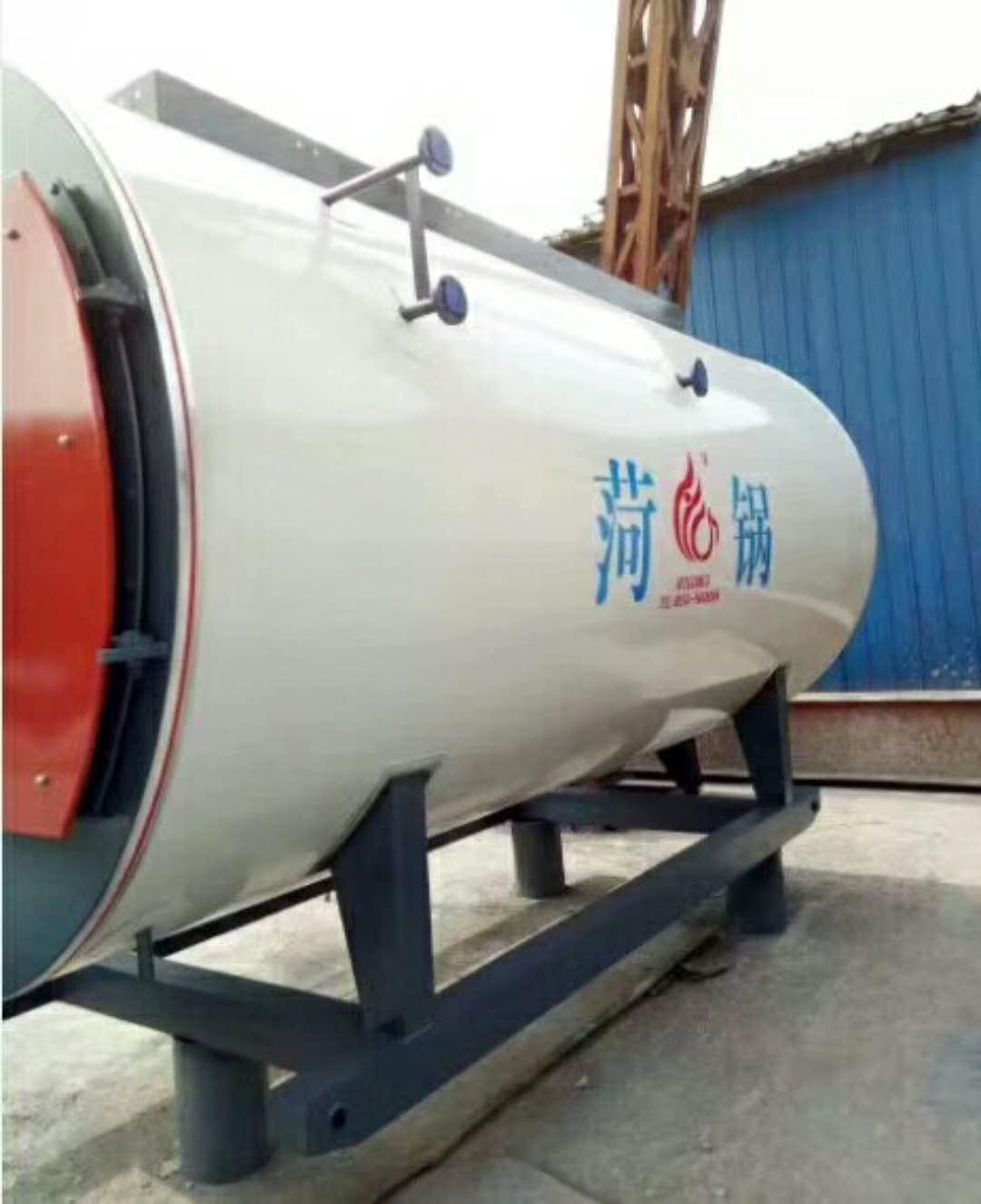

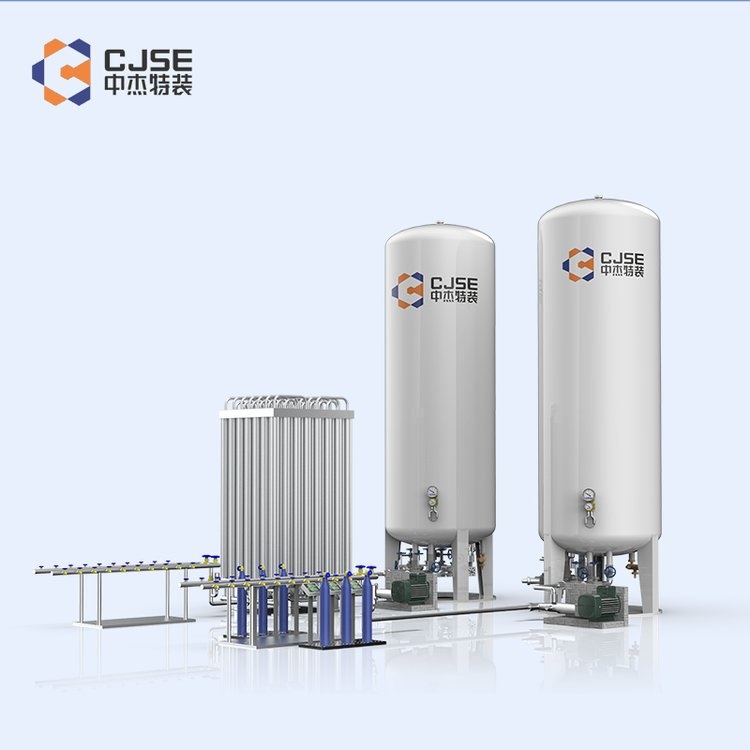
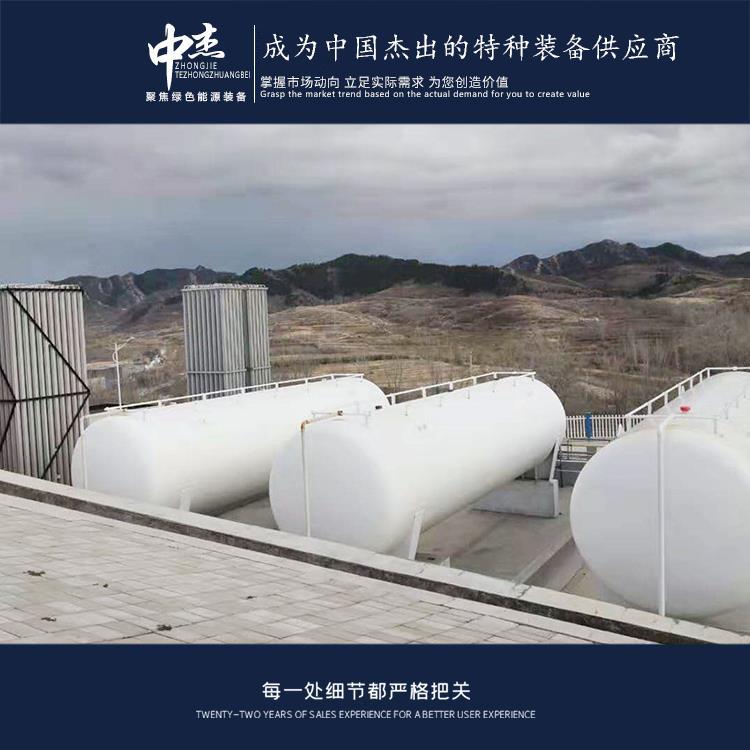


















Shandong Zhongjie Special Equipment specializes in products such as fuel (gas) boilers, organic heat carrier boilers, biomass boilers, waste heat boilers, and other boiler products; vacuum insulated cryogenic pressure vessels like LNG tanks, oxygen-nitrogen-argon tanks, CO2 tanks, etc.; pressure vessel products including denitrification engineering equipment, heat storage and energy storage equipment, complete chemical equipment sets, etc.; central air conditioning and HVAC equipment like ground (water) source heat pumps, air source units, water-cooled screw units, and air-cooled modular units. Planned products include large-scale energy centers, LNG transport vehicles, LNG tank containers, and other green energy equipment.
Carbon dioxide cylinders are safe when used and maintained properly, but can pose some dangers if safety procedures are not followed or there are incorrect operations. Here are some potential hazards associated with carbon dioxide cylinders:
- High-pressure hazard: Carbon dioxide cylinders are typically used to store high-pressure CO2 gas, thus posing a high-pressure risk. If the cylinder is damaged, overheated, or over-pressurized, it may explode or leak, causing personal injury and property damage.
- Asphyxiation hazard: Carbon dioxide is an asphyxiating gas, and high concentrations can displace oxygen in the air, leading to asphyxiation. When using carbon dioxide cylinders in enclosed spaces, ensure adequate ventilation and oxygen supply to avoid asphyxiation risks.
- Freezing hazard: Liquid carbon dioxide is extremely cold, and contact with it can cause cold injury. Proper operational procedures and the use of appropriate personal protective equipment must be followed to prevent cold injury.
- Fire hazard: Although carbon dioxide itself is not flammable, it can suppress oxygen supply at high concentrations, potentially extinguishing fires. However, if CO2 leaks into the air, it may form flammable mixtures, increasing the risk of fire.
To ensure safety, it is mandatory to follow relevant safety operating procedures and guidelines when using carbon dioxide cylinders and to receive necessary training. Regular inspections and maintenance of the cylinder, adhering to the manufacturer's recommendations and local regulations, can reduce potential hazards. In case of abnormal situations or leaks, appropriate emergency measures should be taken immediately, and relevant personnel should be notified.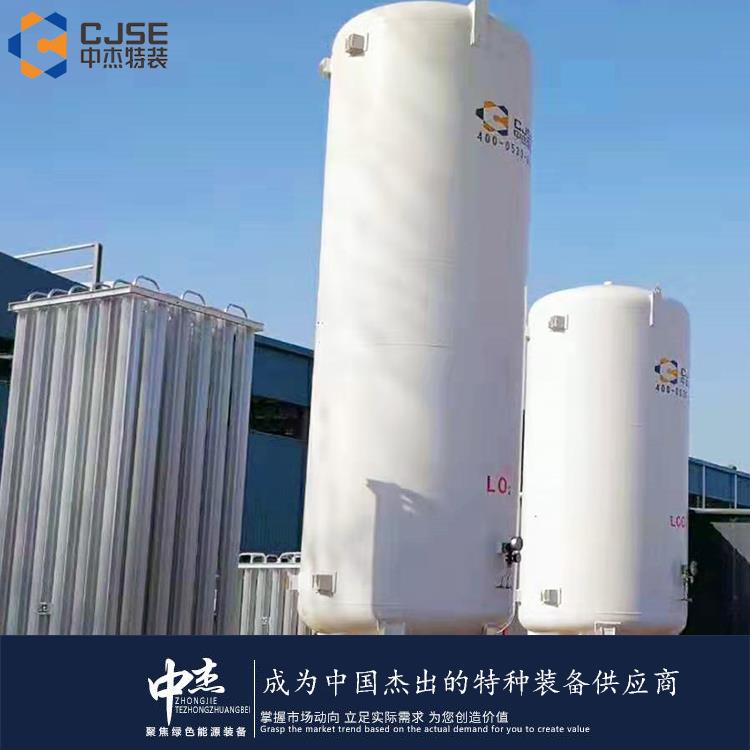
The testing and maintenance of liquid oxygen storage tanks are crucial for ensuring safe operation and extending their lifespan. Below is a general outline of the testing and maintenance procedures for liquid oxygen storage tanks:
- External Inspection: Regularly inspect the external surfaces of liquid oxygen storage tanks for corrosion, wear, and cracks. Promptly repair or replace any abnormalities found.
- Internal Cleaning: Regularly clean the interior of liquid oxygen storage tanks to remove accumulated impurities and dirt. Use appropriate cleaning agents and tools to avoid damaging the tank.
- Level Measurement: Regularly measure the liquid level to ensure it remains within safe limits in the storage tank. Use level gauges or other measuring equipment and record the results.
- Pressure Testing: Conduct regular pressure tests to verify the tank's pressure-bearing capacity. Pay attention to controlling pressure and time during testing to ensure safety and accuracy.
- Leak Detection: Regularly perform leak detection to ensure the tank's seal integrity. Use leak detection equipment such as gas detectors or foam leak detection agents.
- Valve and Pipeline Inspection: Regularly check the valves and pipeline connections of liquid oxygen storage tanks to ensure proper sealing and no leakage. Promptly repair or replace any issues found.
- Maintenance Records: Document the testing and maintenance activities of liquid oxygen storage tanks, including inspection dates, contents, and results. Records help track maintenance history and issue resolution.
- Scheduled Maintenance: Develop a regular maintenance plan based on the tank's usage and requirements. Maintenance includes lubrication, bolting, and replacing seals to ensure normal operation.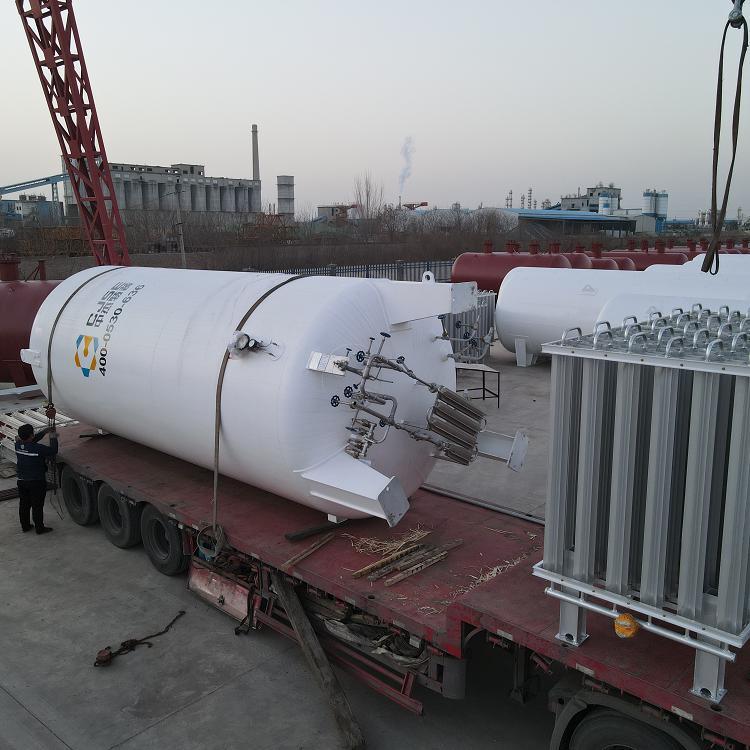
The reasons for regular inspections of low-temperature liquid carbon dioxide storage tanks are to ensure their safety performance and normal operation. Due to the tanks' exposure to low temperatures and high pressures, there are inherent safety risks such as leaks and structural failures. Regular inspections can detect potential issues early, allowing for appropriate repairs or maintenance to ensure safe tank operation. The specific inspection frequency should be determined according to relevant regulations and standards, and it is generally recommended to conduct regular inspections and maintenance. Typically, the interval for regular inspections of low-temperature liquid carbon dioxide storage tanks is between 1 to 3 years, though this may vary based on usage, age, design standards, and other factors. The inspection content usually includes visual inspections of the tank, checks of valves and connections, leak detection, and pressure tests. Additionally, the insulation layer of the tank should be inspected and maintained regularly to ensure its insulating performance. It is important to note that the specific inspection frequency and content should be determined according to local regulations, standards, and the manufacturer's recommendations. Inspections should be conducted by qualified personnel, and maintenance records should be kept to track and manage the tank's safety performance.
When planning carbon dioxide storage tanks, the following requirements should be considered:
- Safety Distance: Tanks should maintain an adequate safety distance from surrounding buildings, equipment, and personnel to prevent injuries and losses in the event of accidental incidents. Specific safety distance requirements may be stipulated by local regulations and standards.
- Tank Capacity: Determine the tank's capacity based on actual demand and usage. The choice of capacity should consider factors such as the amount of carbon dioxide used, storage duration, and supply requirements.
- Tank Layout: The layout of the tanks should facilitate operation and maintenance while meeting safety and environmental protection requirements. Sufficient spacing between tanks should be ensured for ease of operation and maintenance.
- Tank Material: Select appropriate materials for manufacturing the tanks to ensure their corrosion and pressure resistance. Common materials include carbon steel and stainless steel.
- Safety Equipment: Tanks should be equipped with necessary safety equipment, such as safety valves, pressure sensors, and temperature sensors, to ensure safe operation.
- Leak Protection: Measures should be taken to prevent carbon dioxide leaks, such as sealed valves and leak detection systems. Corresponding leak response measures and emergency response plans should also be in place.
- Environmental Impact Assessment: Environmental impact assessments should be conducted when planning tanks to evaluate their impact on the surrounding environment and implement measures for environmental protection.
- Regulations and Standards: Compliance with local regulations and standards is required when planning tanks, including building codes, safety regulations, and environmental protection requirements.
- Note: The planning of carbon dioxide storage tanks should be carried out by engineers or relevant institutions to ensure compliance with safety and environmental protection requirements. Consulting local authorities for advice and guidance is also necessary.
Our company attaches great importance to technological innovation and R&D design. We have 1 municipal-level enterprise technology center in Heze City, equipped with testing facilities for non-destructive testing, physical and chemical testing, welding testing, hydrostatic testing, etc. We have over 600 various instruments and equipment, including CNC machine tools, X-ray flaw detectors, digital ultrasonic flaw detectors, mechanical property testing machines, chemical analyzers, spectrometers, tensile testing machines, plasma welding machines, and more. The key products and technologies we have developed, such as temperature and pressure vessel welding, biomass boiler emission reduction, and waste heat utilization, have successively been selected for multiple Shandong Provincial Department of Industry and Information Technology science and technology innovation projects, Shandong Provincial key projects, and Heze City innovation and excellence projects. We have accumulated a total of 27 authorized utility models, 16 authorized inventions, participated in drafting 2 standards, 2 industry standards, and registered 15 trademarks. The technical team of our company, in collaboration with Professor Yajiang Li of Shandong University, has jointly developed deep cryogenic container processing technology, utilizing the international plasma arc + filler wire tungsten inert gas arc welding (PAW-GTAW) technology. After provincial-level scientific and technological achievement evaluation, the technology level has reached an international standard in the field of deep cryogenic container manufacturing. Choose Zhongjie Special Equipment, and let's create brilliance together!
WeChat Official Account

Scan to follow Official Account



















