



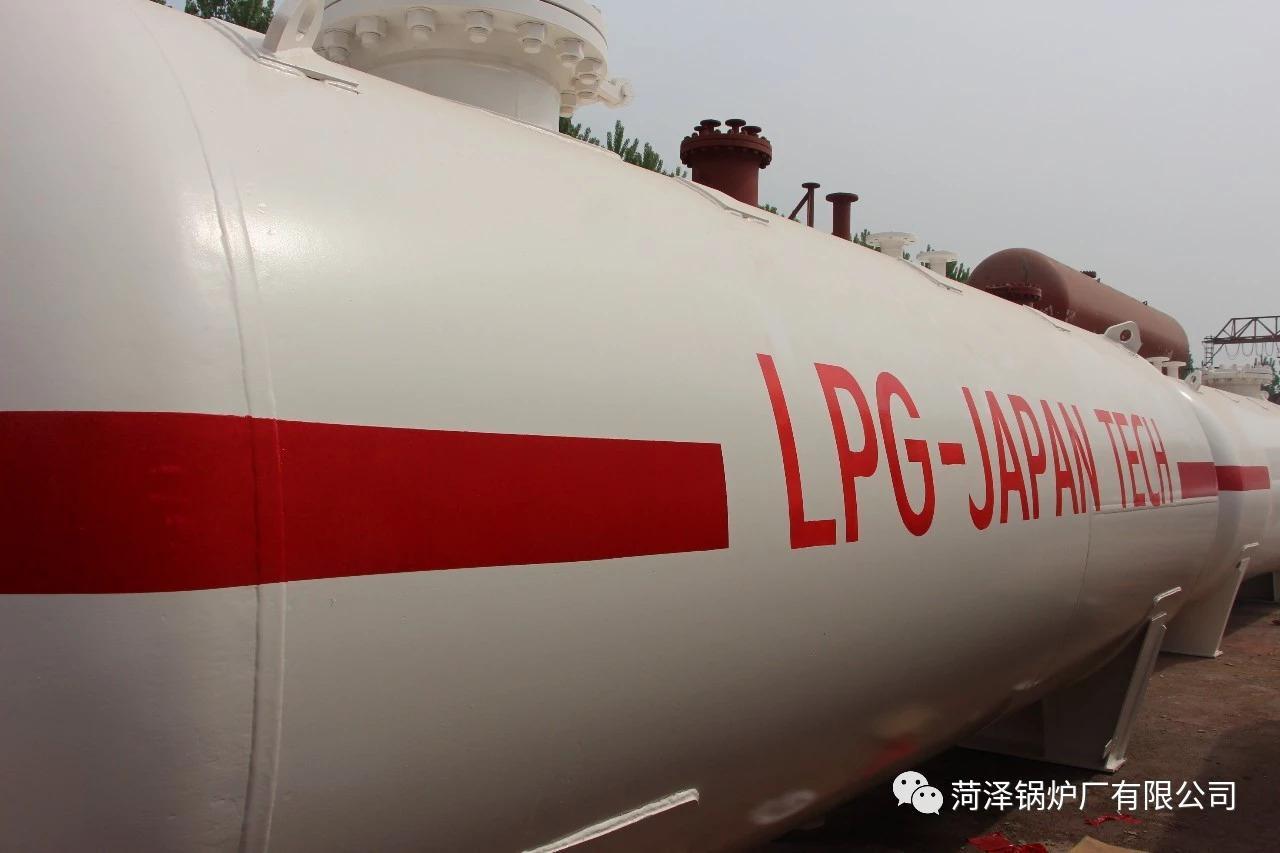

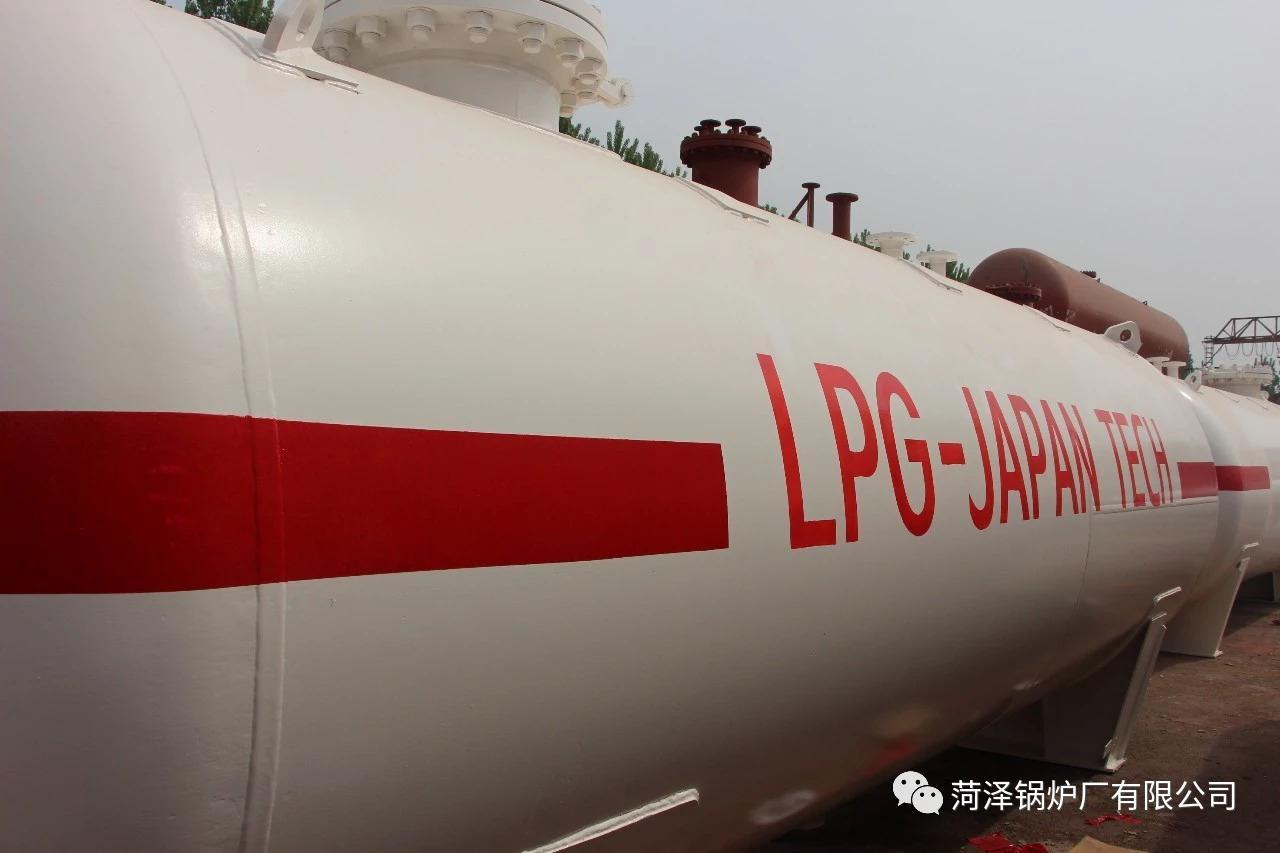
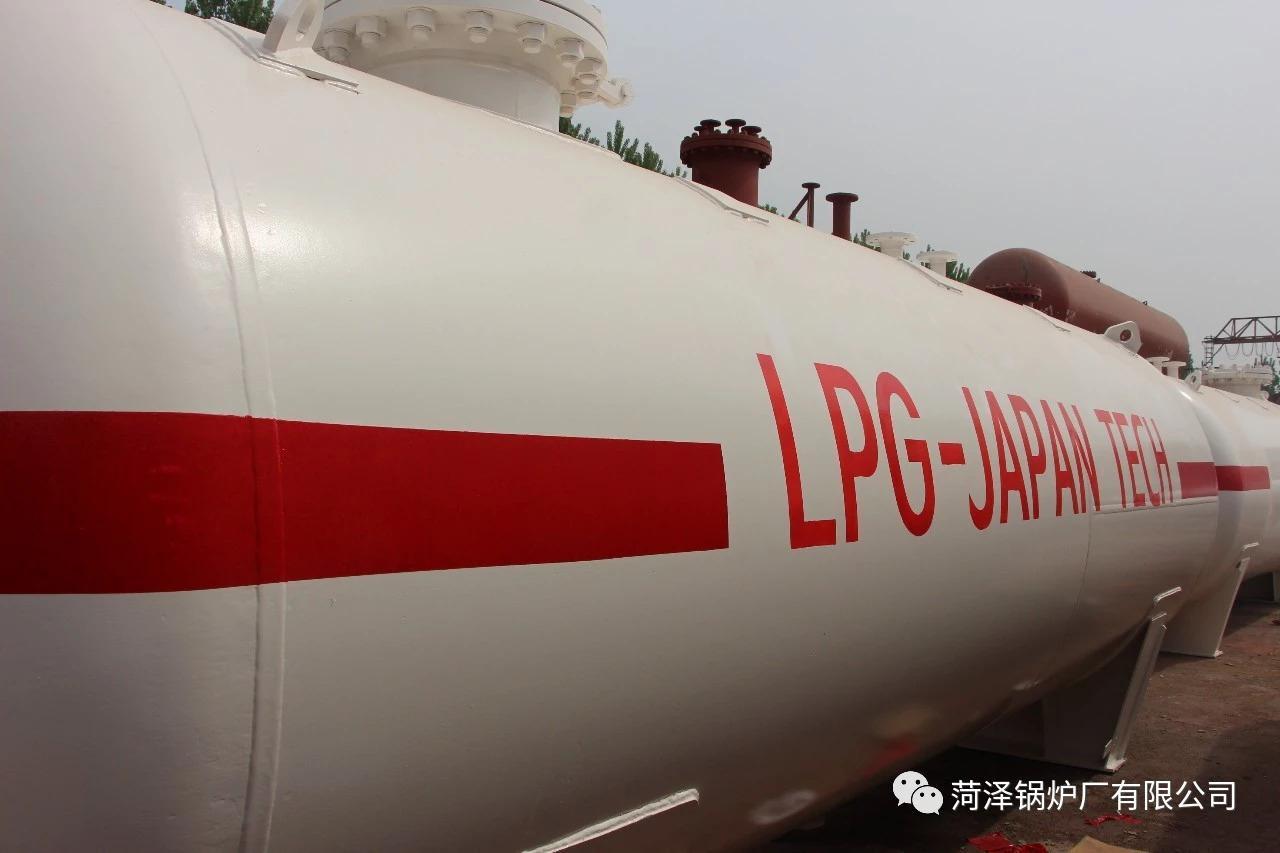


















 Heze Boiler Factory Co., Ltd.A designated key enterprise for producing boiler pressure vessels under the supervision of the General Administration of Quality Supervision, Inspection and Quarantine of the People's Republic of China, and a vice-president unit of the China Industrial Boiler Association. It is also a member of the China Association of HVAC and Water Supply and Drainage, holding B-grade boiler manufacturing qualifications (No. TS2110587-2011), third-category pressure vessel manufacturing qualifications (No. TS2210916-2013), and design qualifications (No. TS1237085-2011), and has passed the ISO9001 international quality management system certification. The official website of Heze Boiler Factory Co., Ltd. features mainly: chemical storage tanks (liquefied gas tanks, LPG tanks, ammonia tanks, propane tanks, propylene tanks, isobutane tanks, chloromethane tanks, etc.); non-standard pressure vessels (towers, heat exchangers, autoclaves, reaction vessels, stainless steel vessels, etc.); refrigeration auxiliary equipment (evaporative coolers, ammonia storage tanks, drain drums, circulating drums, oil separators, separators, condensers, intermediate coolers, siphon tanks, economizers, etc.); boiler equipment (steam boilers, hot water boilers, thermal oil boilers, oil-gas boilers, waste heat boilers, etc.); low-temperature storage tanks (liquid oxygen tanks, liquid nitrogen tanks, liquid argon tanks, CO2 low-temperature tanks, LNG tanks, ethylene tanks, etc.); gas equipment (vaporizers, low-temperature pumps, pressure regulators, filling and draining systems, busbars, low-temperature pipelines, etc.), as well as the manufacturing and installation of various non-standard pressure vessels and pressure pipelines.
Recently, a client approached us to inquire about the operation process of gas boilers. In response to this question, our technical staff provided an answer.
1. Heating and Drying Phase
Coal enters the furnace and is heated. As the coal layer heats up, its moisture begins to vaporize and evaporate. Once the natural gas boiler temperature reaches 100-105°C, the moisture has completely evaporated, and the coal is fully dried. The duration of the heating stage varies depending on the amount of moisture in the coal; the more moisture, the longer the drying phase will last.
2. Formation stage of volatiles逸出
As the temperature continues to rise, the dry coal begins to decompose, releasing combustible gases known as volatiles. After the volatiles are released from the natural gas boiler, the remaining solid material is called coke. It is almost entirely carbon, with some sulfur content, and sometimes referred to as fixed carbon.
3. Volatile content ignition stage
On the day, when the volatile components of the gas boiler mix with the air to reach a certain concentration, the volatiles ignite and burn, releasing a large amount of heat and heating the coke, creating conditions for the combustion of the coke.
4. Ash and slag formation stage from coke combustion
As the volatiles approach complete combustion, coke begins to burn, which is a chemical reaction between solid fuel and oxygen in the air. The combustion of coke is slow and takes a long time to burn out, accounting for about 90% of the total combustion time. When the outer shell of the coke burns off first and the resulting ash obstructs oxygen from diffusing into the core of the coke, combustion will cease, forming slag.
As national environmental protection efforts intensify, gas boilers have gained widespread popularity and entered the market. Most regions across the country are implementing the coal-to-gas policy, and existing coal-burning furnaces made of aerated concrete are gradually being replaced with gas boilers.
What are the benefits of using gas boilers in environmental protection?
One, primarily, the ash content, sulfur content, and nitrogen content in gas are lower than in coal, resulting in complete combustion. The dust content in flue gas is extremely low, making emissions easily meet the national standards for gas equipment. This can significantly reduce environmental pollution and boasts excellent environmental performance.
Secondly, gas-fired boilers offer advantages such as minimal flue gas pollution, reduced corrosion on the convective tubes, excellent heat transfer performance, strong thermal radiation, low exhaust gas temperature, and significantly improved thermal efficiency.
Three, gas-fired boilers do not require auxiliary equipment such as gas supply, slag removal machines, dust removal units, and grate systems, thereby saving on boiler equipment investment.
Four, Gas boilers use gas transported through pipelines as power source, eliminating the need for gas storage. They offer good hygiene conditions, significantly reduce labor intensity, improve working conditions, lower operating costs, and save on operating expenses, space, and labor.
Five, in terms of boiler operation, adjustment, and cost reduction in heating supply.
1. Gas-fired boilers have strong adaptability to heating loads, allowing for flexible adjustment of the flame size based on load (water temperature).
2. The system boots up quickly, reducing various consumptions caused by preparatory work.
3. Due to fewer auxiliary equipment, the electricity consumption is lower than that of coal-fired boilers.
4. The gas internal impurities are minimal, preventing corrosion of the boiler's high and low temperature heating surfaces. The boiler operates continuously for longer periods with fewer malfunctions.
5. Simple and accurate gas measurement for easy adjustment of gas supply volume.
6. In terms of reducing equipment maintenance, gas boiler combustion coefficient equipment is simple, thus requiring less maintenance and fewer equipment. The lifespan of the heated pipe components is also prolonged.
7. Gas boilers are easy to operate and can be easily automated.


Bayinguoleng Gas Boiler Manufacturer - Urumqi Gas Boiler Sales Price - Turpan Gas Boiler Manufacturer - Shihaji Gas Boiler Manufacturer



















