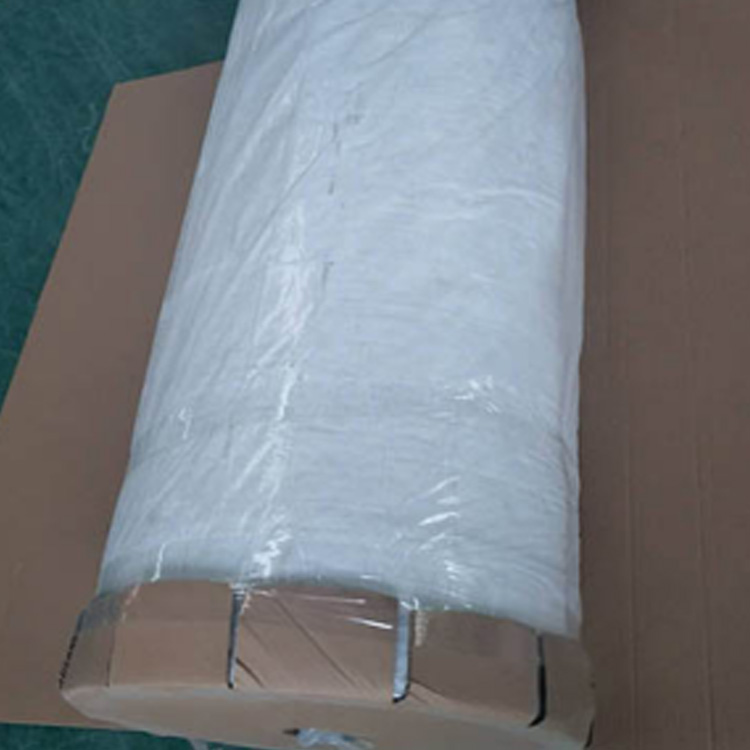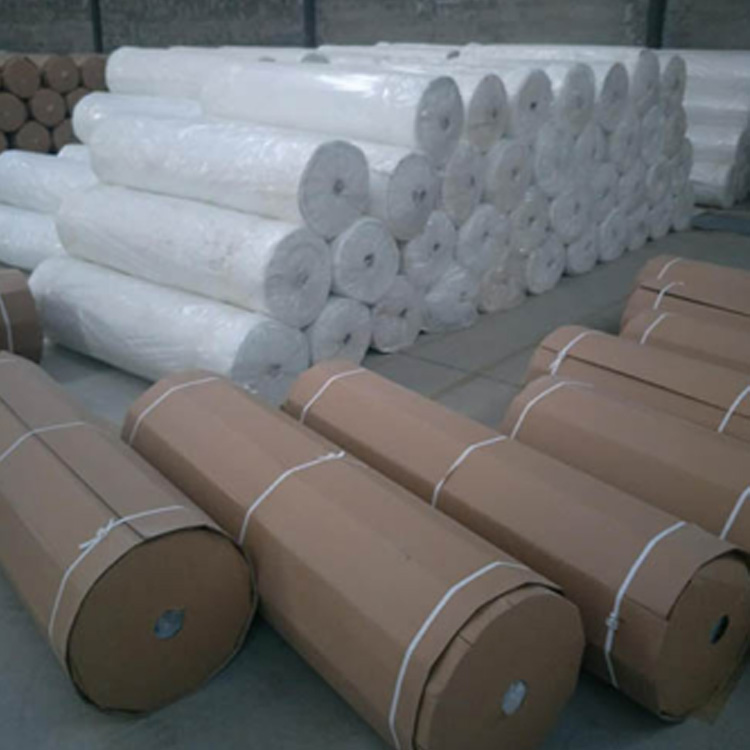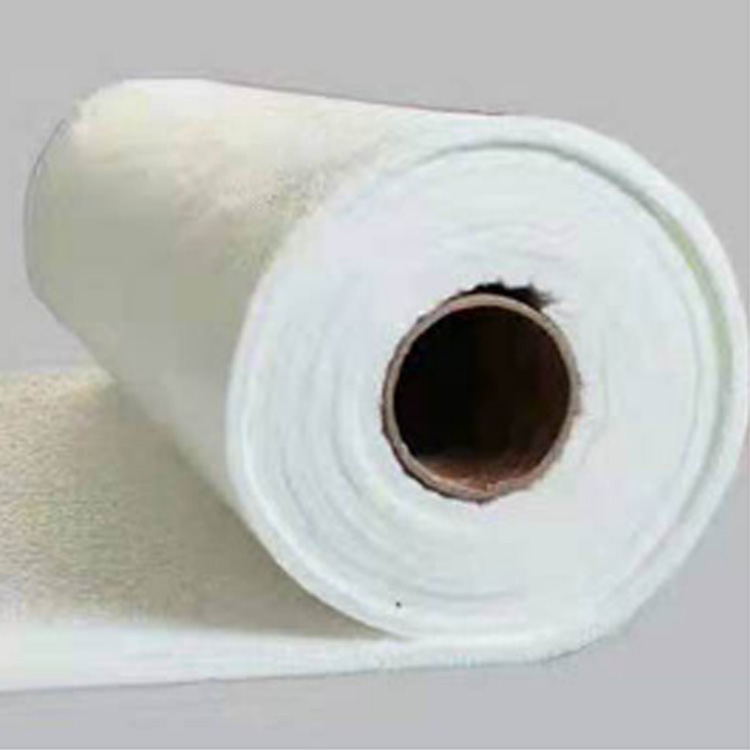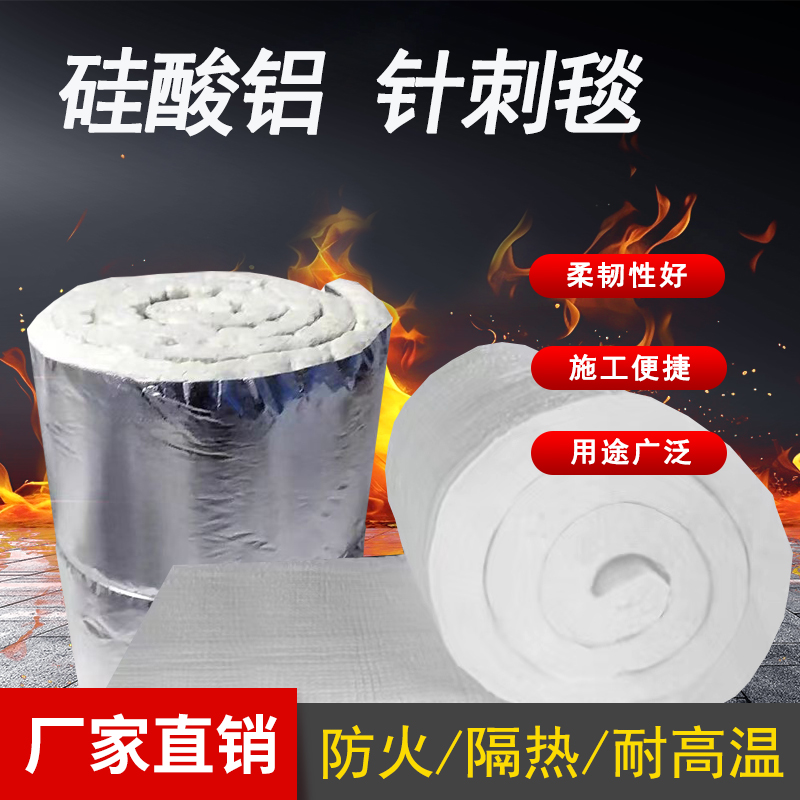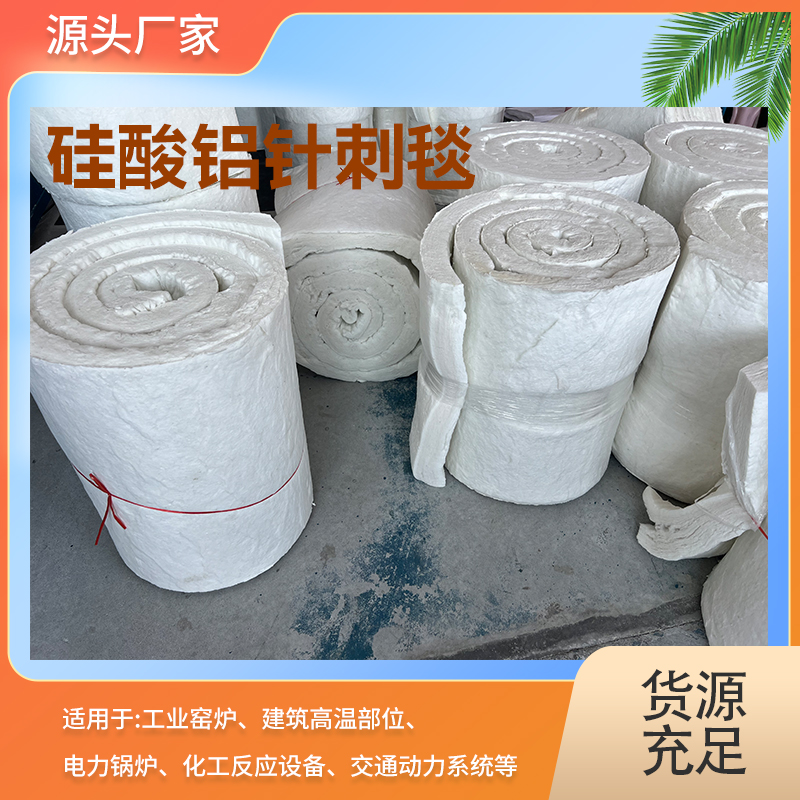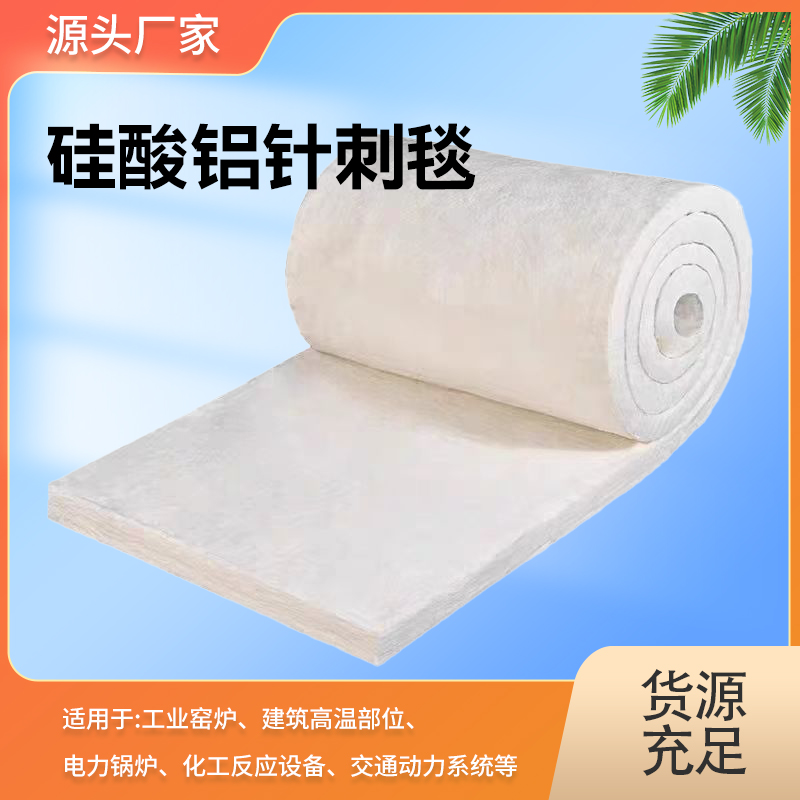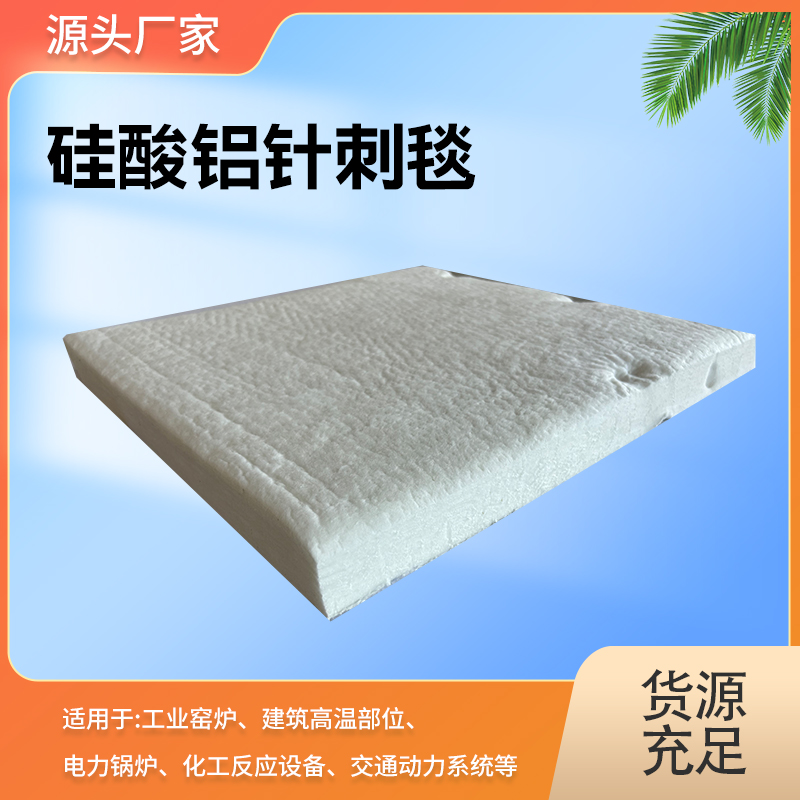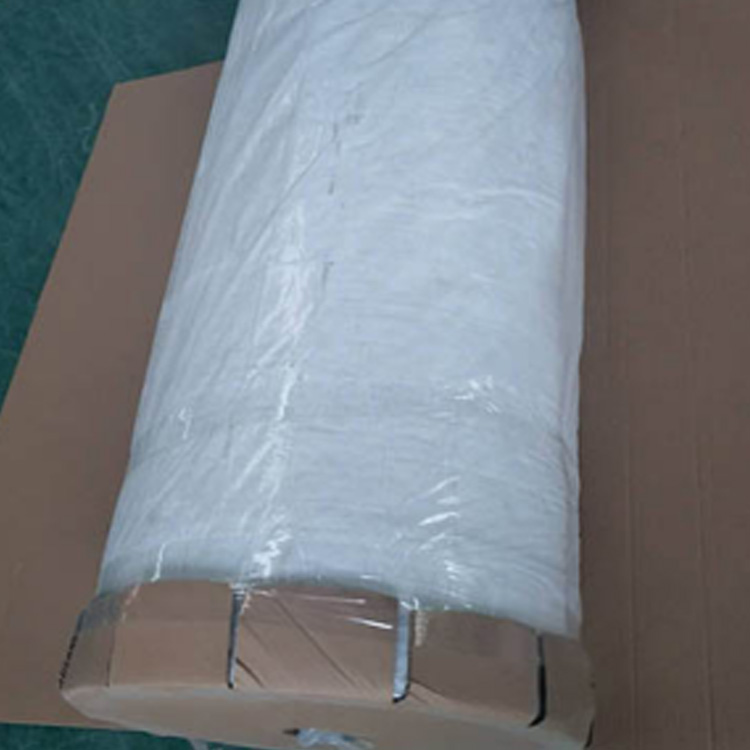

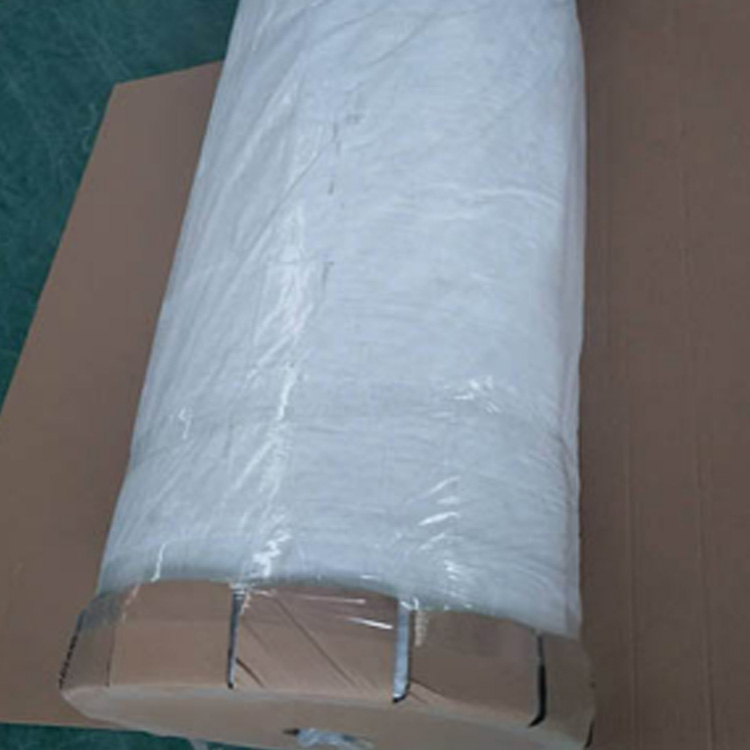
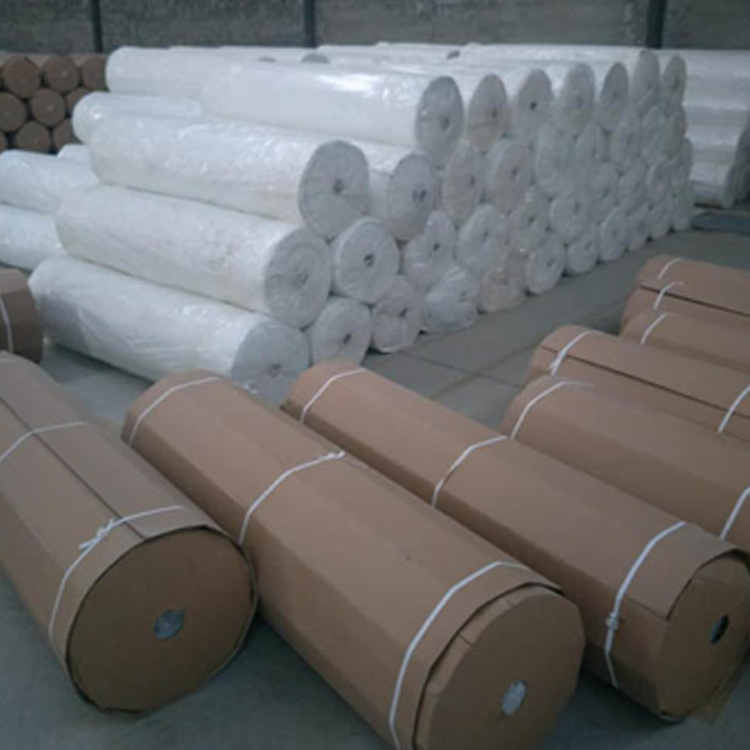
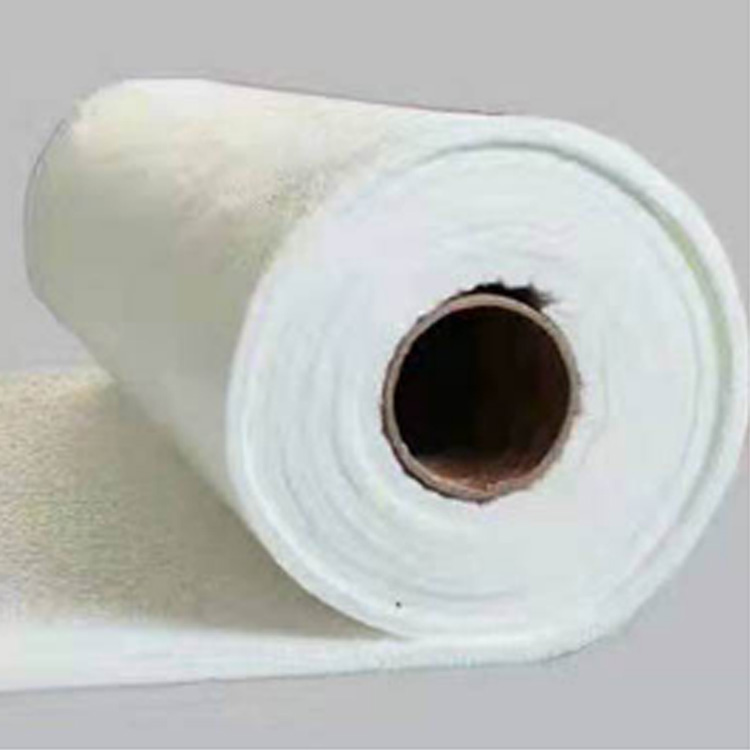


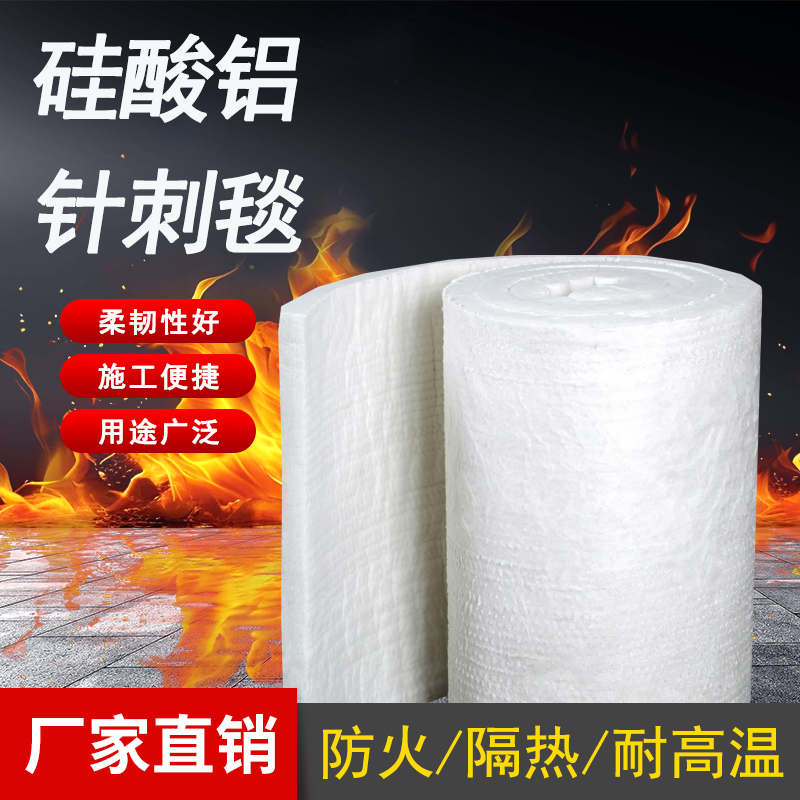
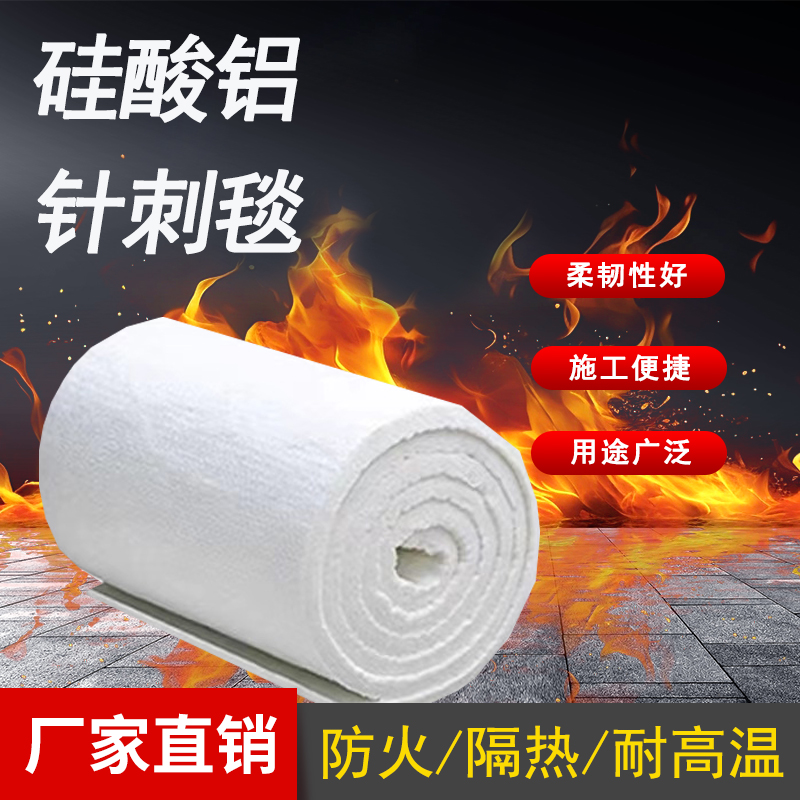
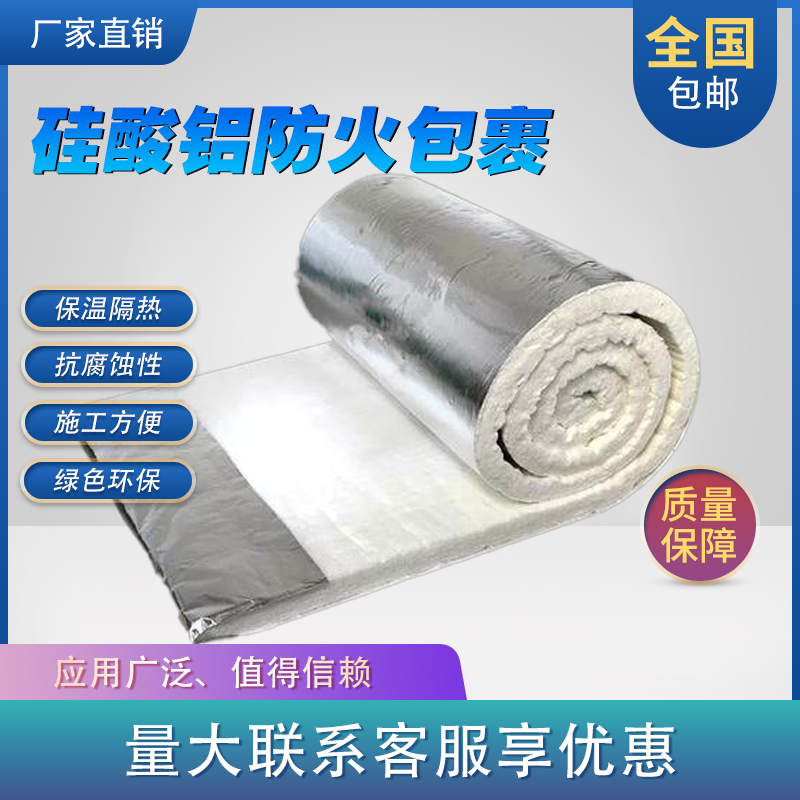
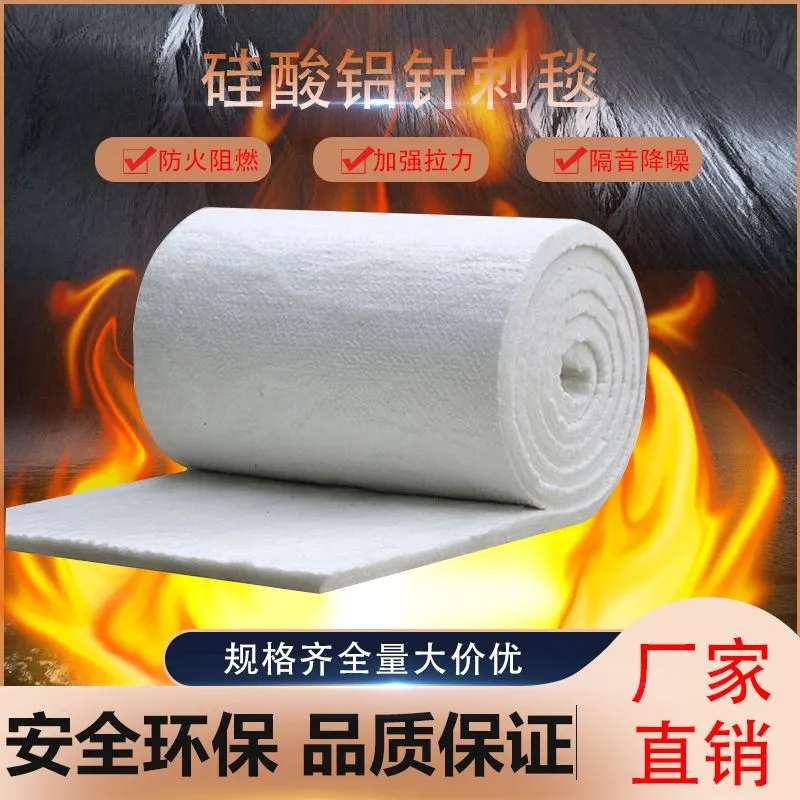





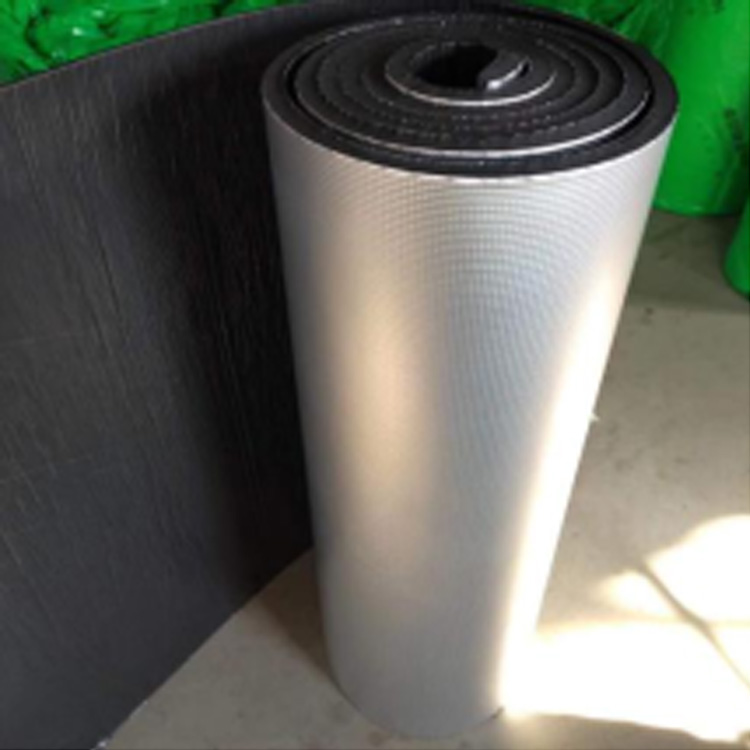
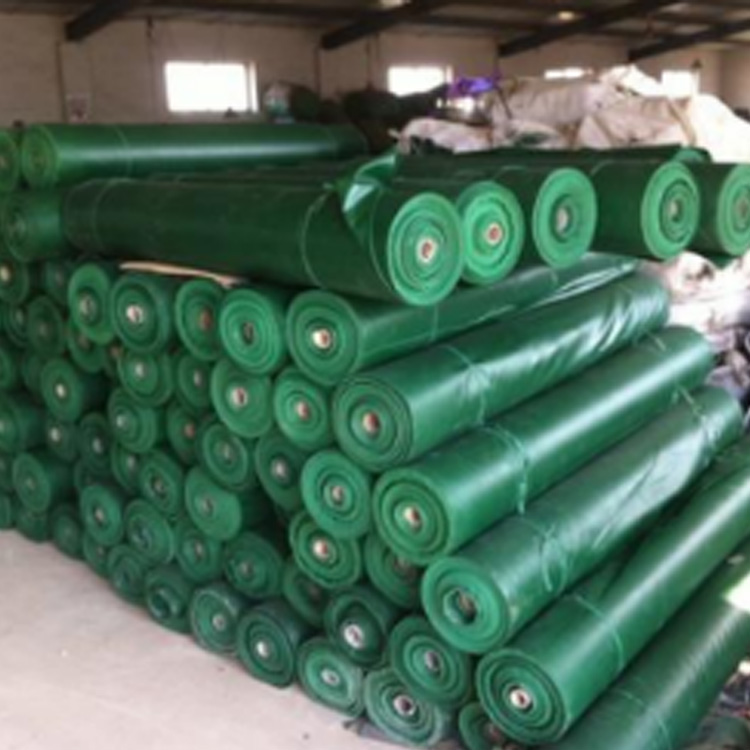
Thermal insulation felt composed primarily of nanosilica or metal aerogels, this flexible insulating material is compounded with carbon fiber, ceramic glass fiber wool, or pre-oxidized fiber felt through special processes. It boasts low thermal conductivity and certain tensile and compressive strengths, categorizing it as a new type of pipeline insulation material.
Aerogel felt is a flexible thermal insulation material composed mainly of silica aerogel, compounded with reinforcing fibers such as glass fiber and pre-oxidized fiber, and synthesized through special processes.
Comparison of Aerogels with Traditional Materials
Aerogel felt is a solid thermal insulation material with low thermal conductivity within the temperature range of 400℃ (the thermal conductivity in the high temperature range of 400-1000℃ is much higher than that of the micro-nano insulation series).
Aerogel felt features softness, ease of cutting, low density, inorganic fire resistance, overall hydrophobicity, and green environmental protection. It can replace traditional environmentally unfriendly and poor thermal insulation flexible insulation materials, such as glass fiber products, asbestos thermal insulation felt, and silicate fiber products.
Features
Excellent thermal insulation performance
The thermal insulation of aerogel felt is 2-5 times more effective than traditional materials, with a theoretical lifespan of nearly 20 years for high-temperature pipelines as determined by Arrhenius experiments.
2. Reduce the insulation thickness
Aerogel mat achieves the same thermal insulation effect with just a fraction of the thickness of traditional materials. It has minimal heat loss after insulation and high space utilization. Moreover, its performance advantages are even more pronounced at high temperatures.
3. Hydrophobicity and fire resistance
Aerogel felt is relatively hydrophobic, effectively preventing water from entering pipelines and equipment interiors. It also boasts B1 to A-grade fire resistance. Moreover, the unique three-dimensional network structure of aerogel avoids the phenomenon of significant decline in insulation performance, such as sintering, deformation, and settlement, which other insulation materials may experience during long-term high-temperature use.
4. Easy installation
Aerogel felt is lightweight, easy to cut and sew, making it adaptable to insulate various shapes of pipelines and equipment, and requires less time and labor for installation.
5. Save on shipping costs
Reducing the package volume and weight can significantly lower the transportation costs for thermal insulation materials.