







Production Process
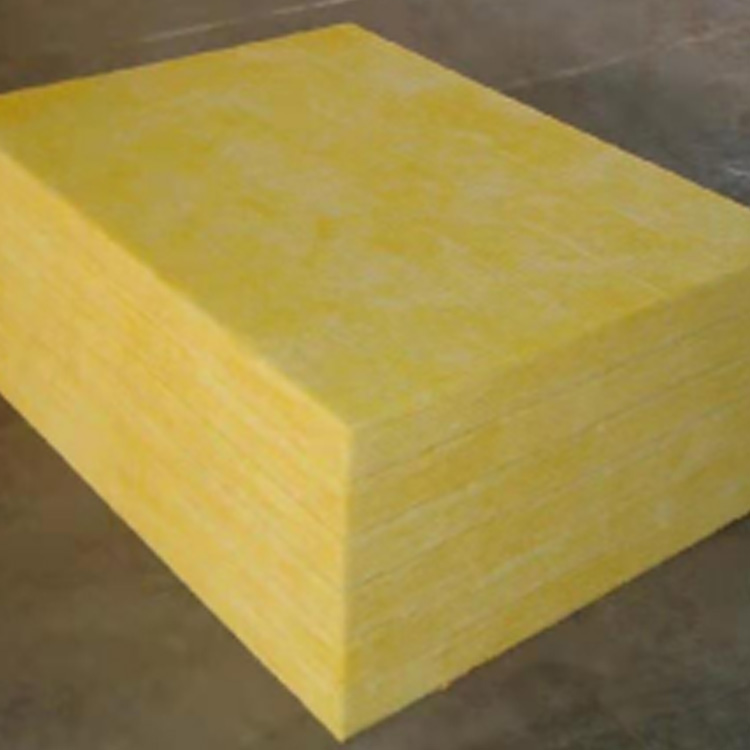
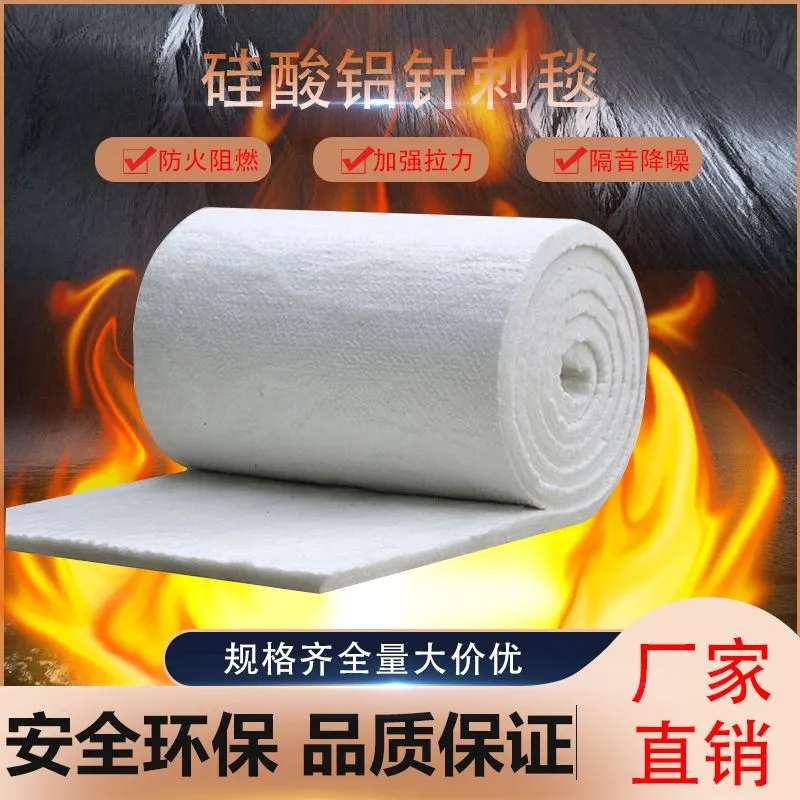
High-temperature centrifugal glass wool is a product made by the centrifugal method, which fiberizes molten glass and bonds it with an environmentally friendly adhesive mainly composed of thermosetting resin. It is an elastic felt-like material made from glass fibers with diameters only a few micrometers, and different moisture-proof coatings can be selected and compounded online according to usage requirements. Its large number of tiny air pores make it effective for thermal insulation, noise absorption, and safety protection, serving as insulation and noise reduction material for steel structure buildings.
Glass wool is a category of glass fiber, an artificial inorganic fiber. It is primarily made from natural ores such as quartz sand, limestone, and dolomite, along with some chemical raw materials like soda ash and borax. The raw materials are melted into glass. In the molten state, external force is used to blow and spin it into fluffy fine fibers. The fibers are cross-linked and intertwined, creating numerous tiny gaps. These gaps can be considered as pores. Therefore, glass wool can be regarded as a porous material with excellent thermal insulation and sound absorption properties.
Usage
Widely used in power plants, chemical industries, etc.; insulation, heat preservation, and noise reduction for high-temperature mediums such as boilers, reactors, tanks, and pipelines.
Product Specifications
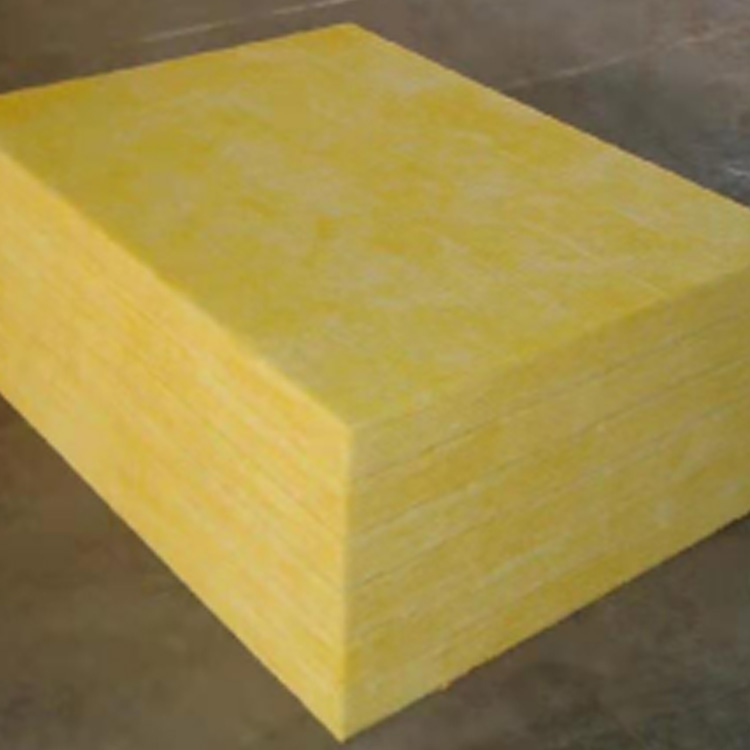
Length: 1200/600mm Width: 1200/600mm Thickness: 30-100 Density: 10-80 (kg/m³)
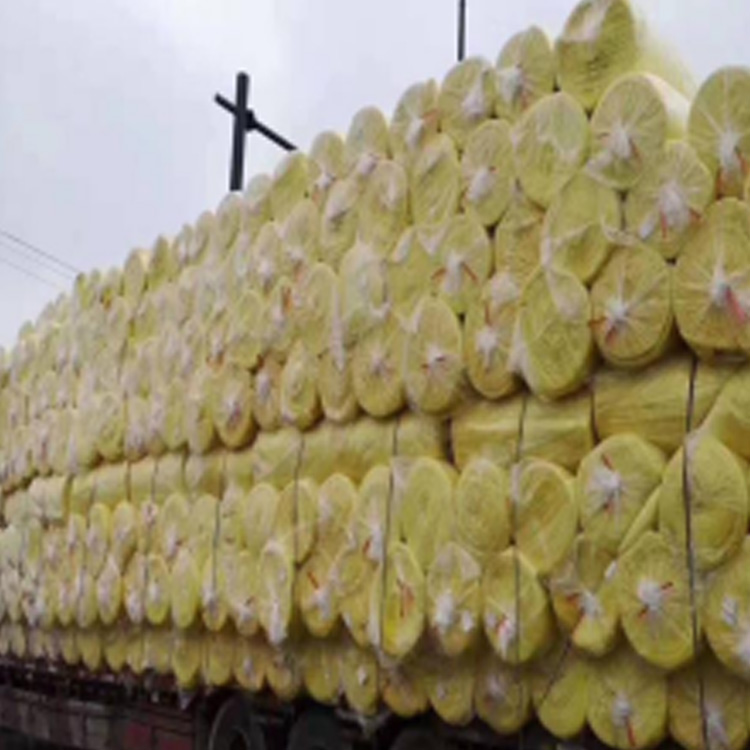
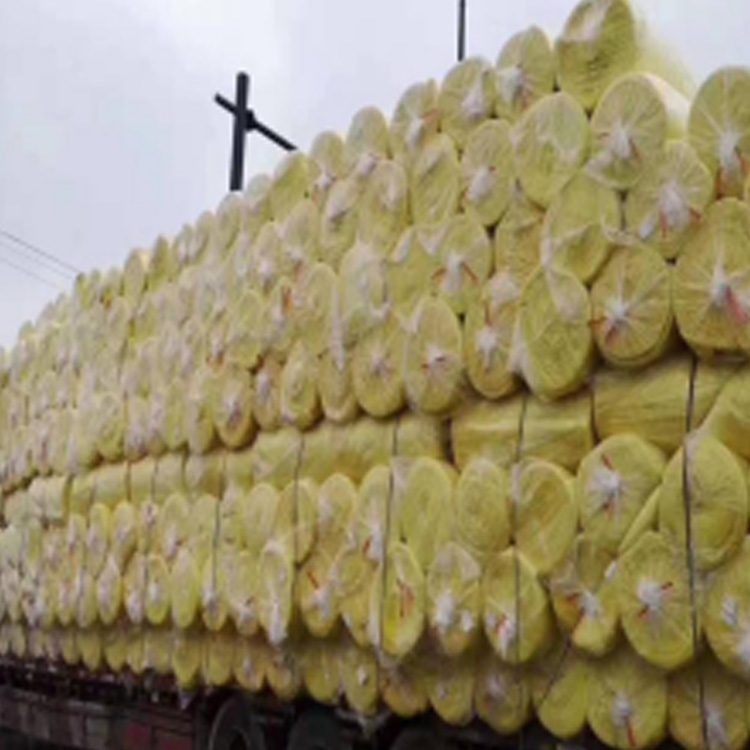
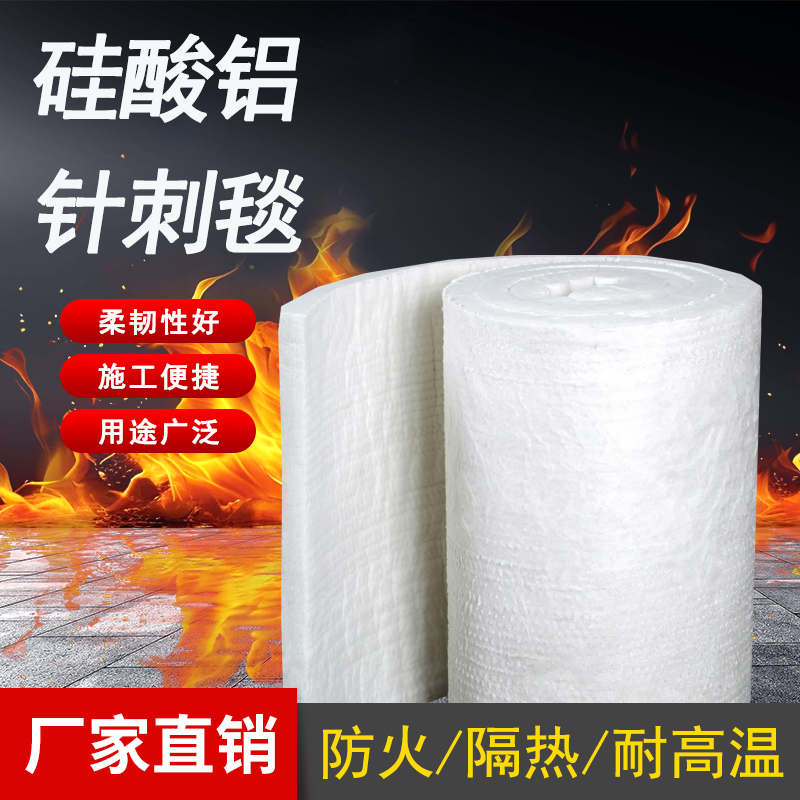
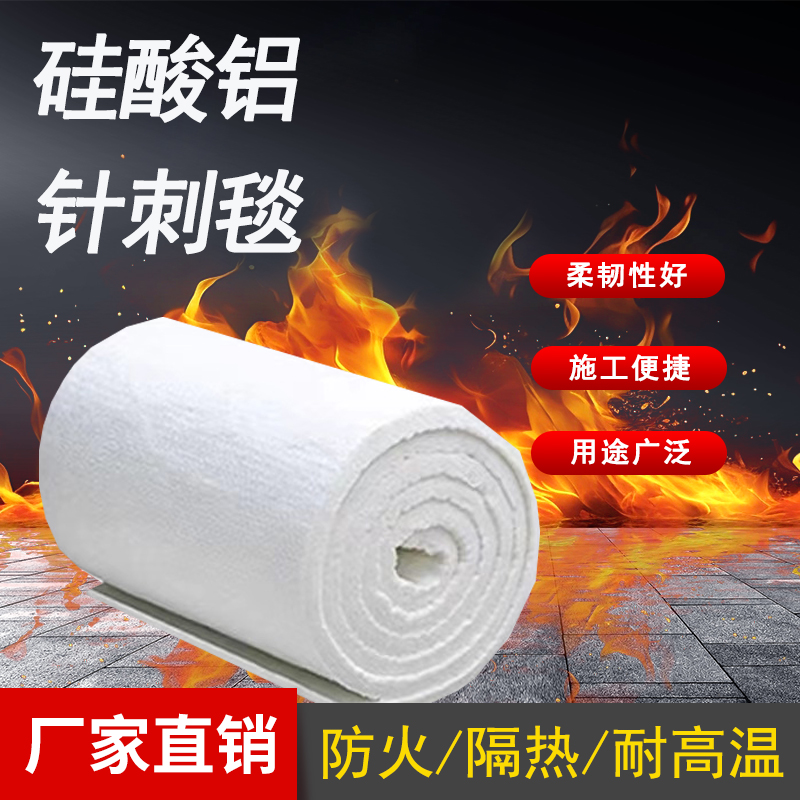
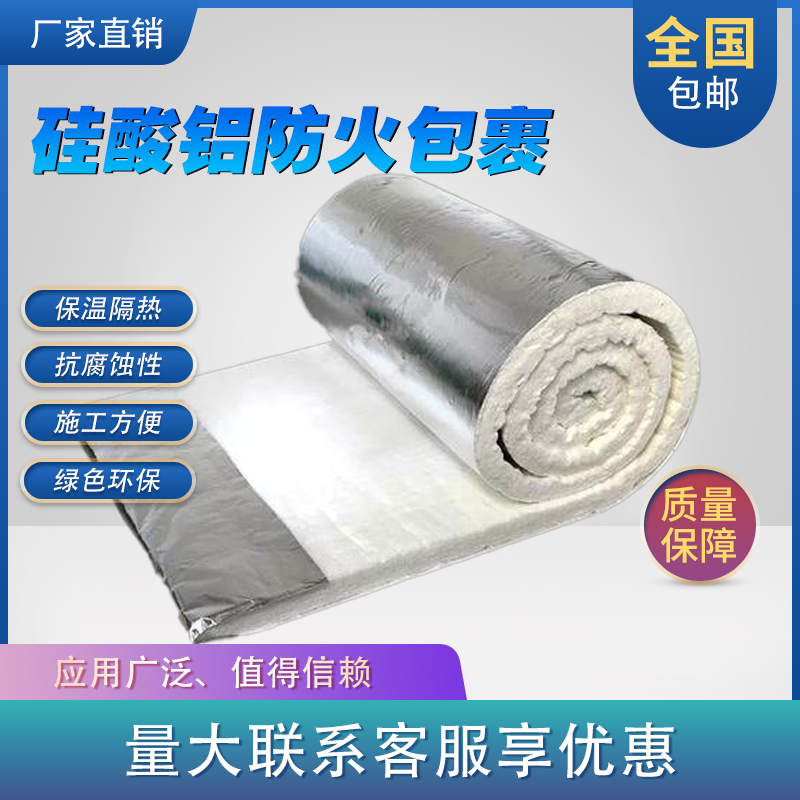
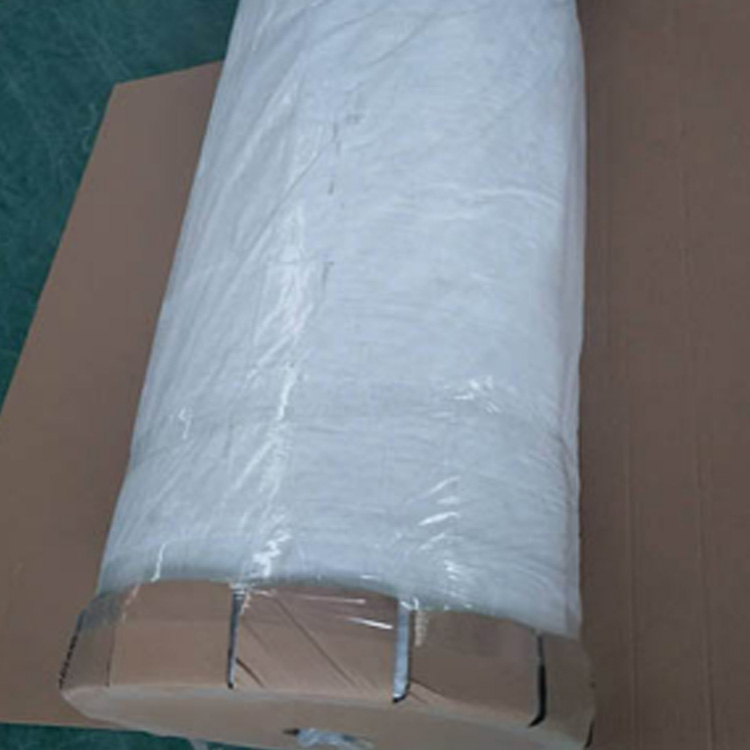
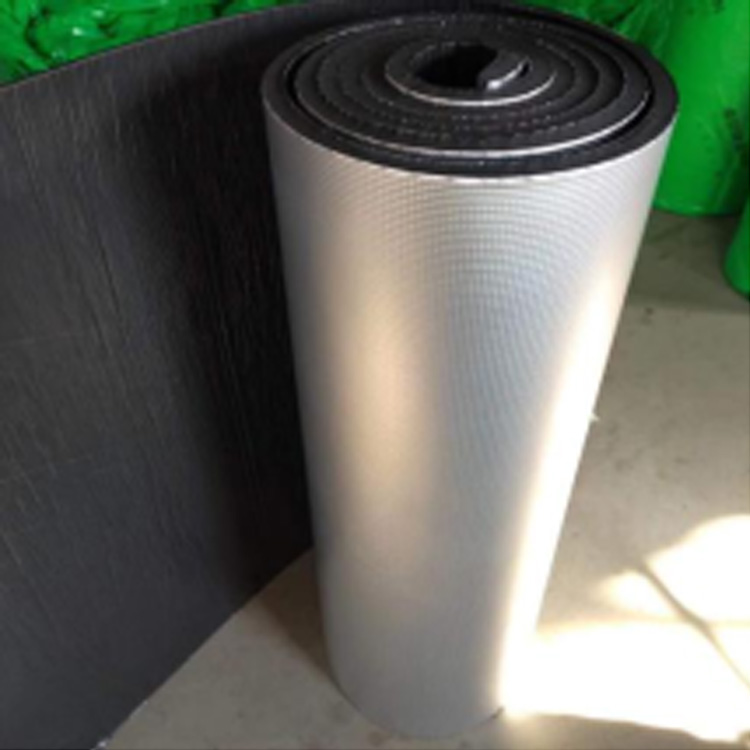
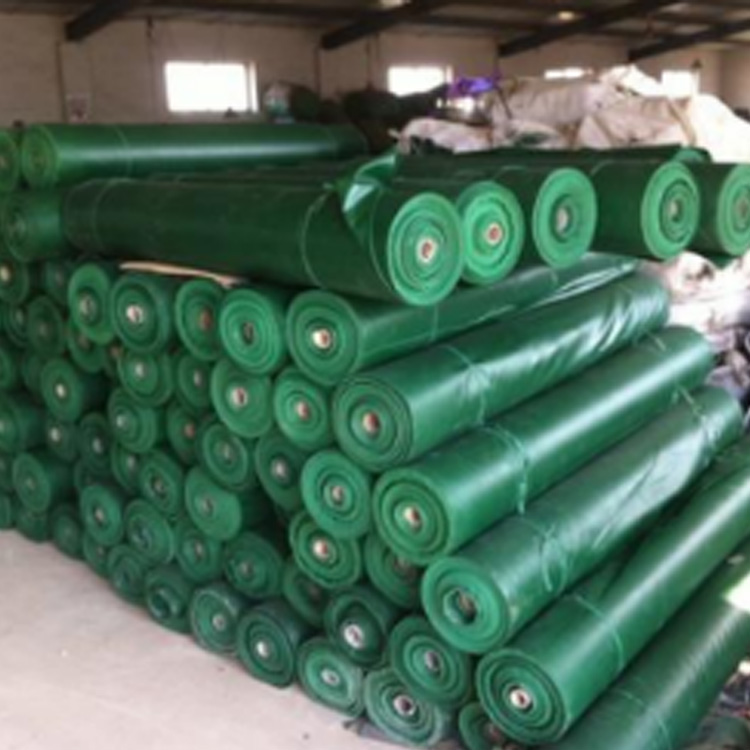
Rolling Mat Common Specifications for Power Plants: 48kg, 1200*10000*40/50/60mm
48kg-1200*6000*40/50/60mm
Sheet Material 48kg-1200*600*40/50/60mm
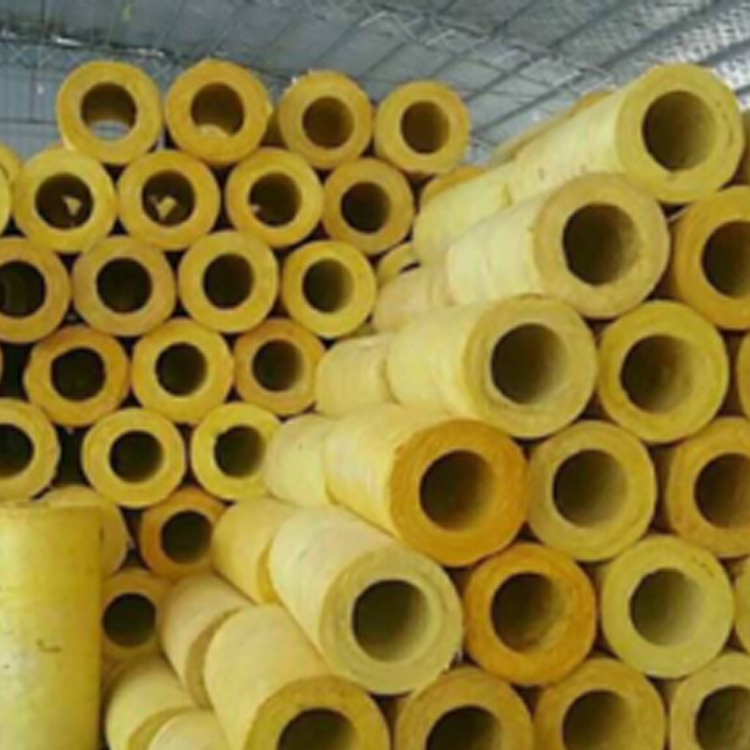
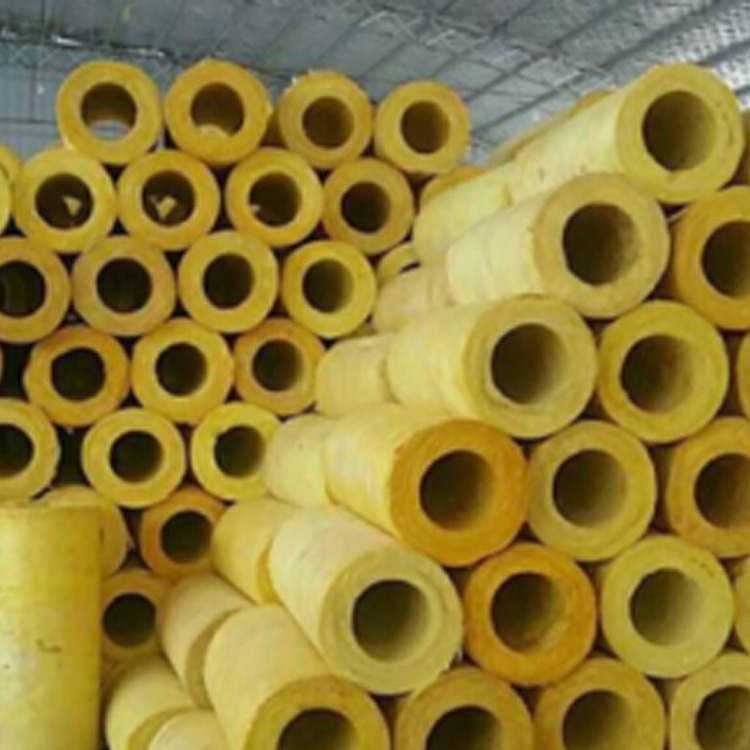
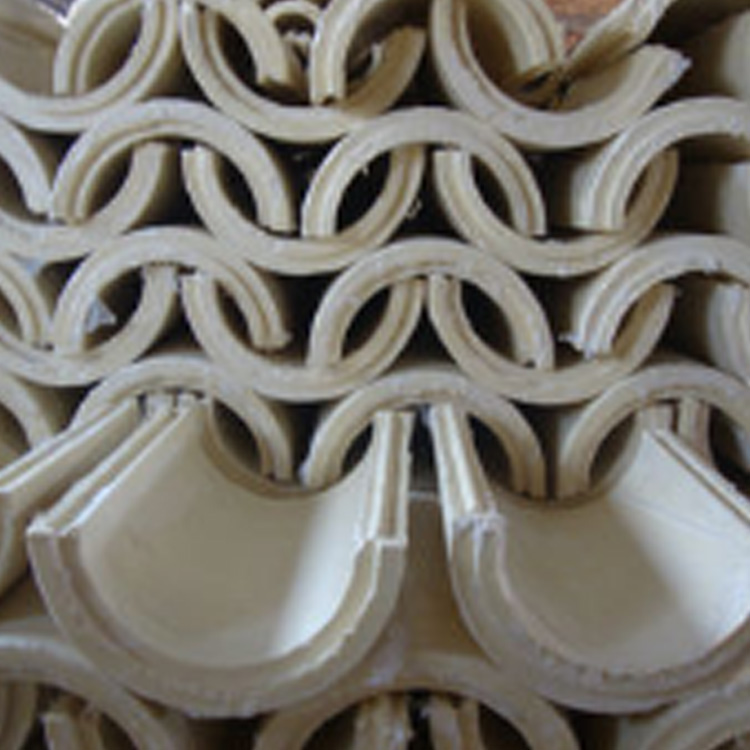
Shell, density 40-60 kg/m³; specific specifications refer to mineral wool pipe specifications; performance indicators are basically consistent with glass wool boards.
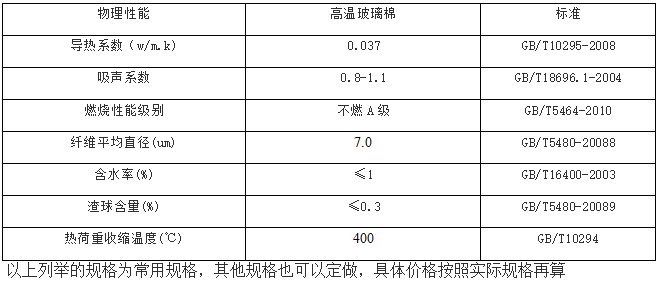
Technical Specifications