










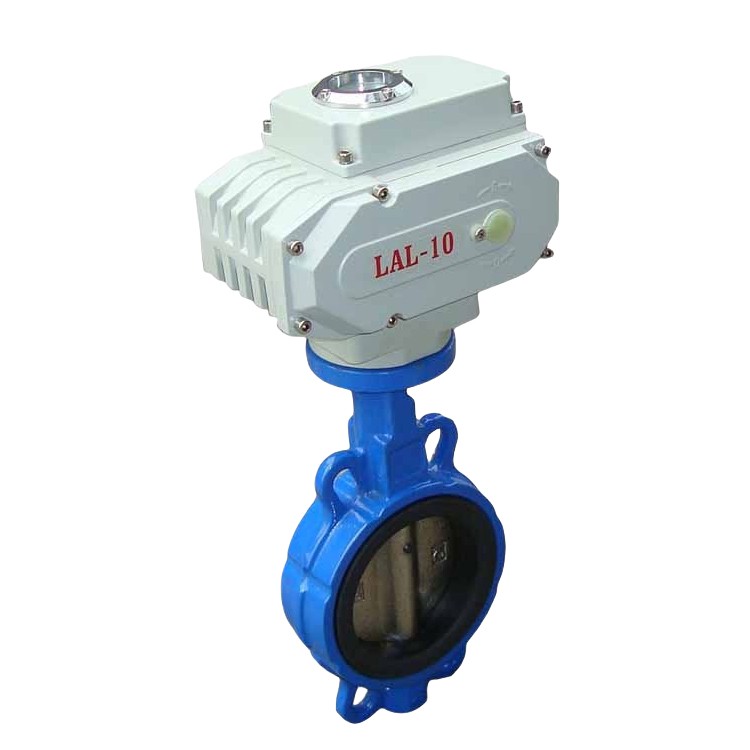
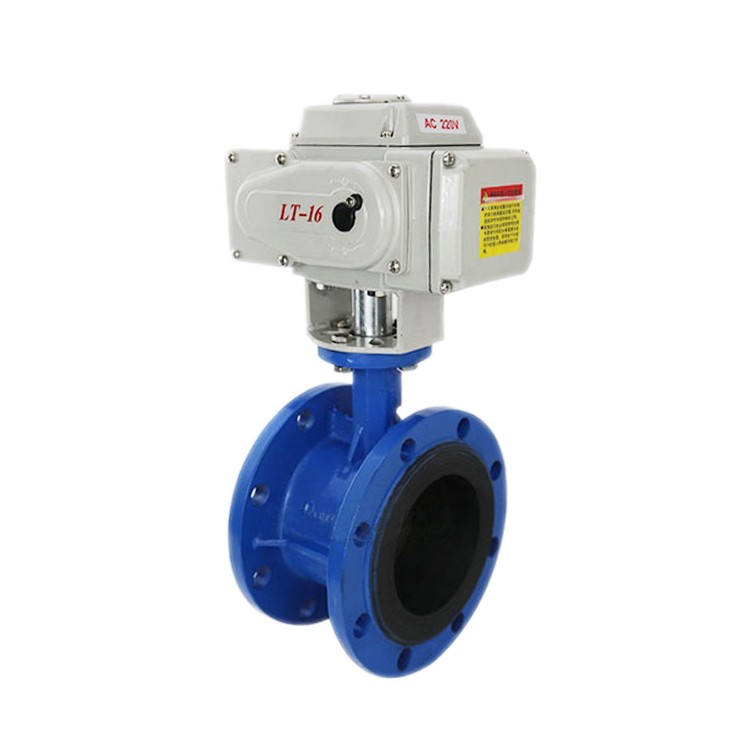
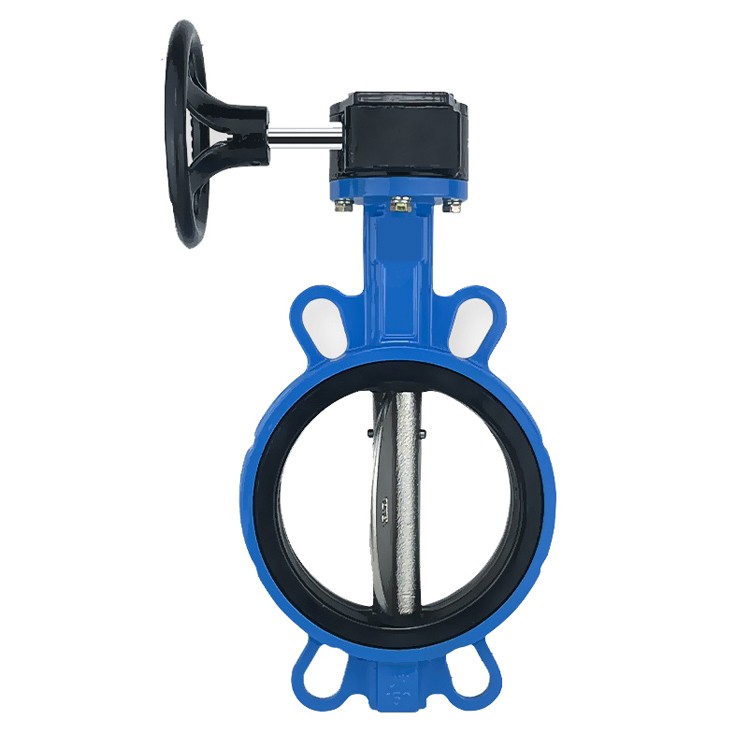

Pneumatic Fluorine-lined Butterfly Valve is a device that combines a pneumatic actuator with a fluorine-lined butterfly valve, primarily used in applications requiring reliable sealing and excellent regulating characteristics. Its core components include the pneumatic actuator and the fluorine-lined butterfly valve, which are driven by compressed air received through the actuator to achieve the on/off and regulating functions of the butterfly valve.
Operating Principle and Application Scenarios
The pneumatic fluorine-lined butterfly valve receives compressed air as power through a pneumatic actuator to drive the opening and closing of the butterfly valve. Its working principle is based on the rotation of the butterfly plate within the valve body, thereby achieving the cutoff or regulation of fluid flow. This valve is suitable for pipeline systems of various corrosive media, such as chemical, petrochemical, food industries, especially for strongly corrosive media like sulfuric acid, hydrochloric acid, hydrogen fluoride, etc.
Structure and Design Features
The pneumatic fluoroelastomer-lined butterfly valve features a unique structural design, lightweight, and rapid opening and closing. The valve body is made of full fluoroelastomer material, offering excellent corrosion resistance and capability to withstand various highly corrosive media. The valve plate is designed in a vertical plate style, with a flanged connection, ensuring stability and reliability under various operating conditions. Additionally, the pneumatic fluoroelastomer-lined butterfly valve is easy to operate, boasts superior sealing performance, has a long service life, and is suitable for various industrial fields.
Technical specifications and maintenance care
The main technical parameters of the Fluorine-lined Pneumatic Butterfly Valve include nominal diameter DN50~1200mm, nominal pressure PN0.6~1.6MPa, and operating temperature of -20~+200℃. It is suitable for media such as water, air, natural gas, oil, and highly corrosive fluids. To ensure its long-term stable operation, it is recommended to regularly inspect the status of pneumatic components and seals, promptly replace worn parts, and maintain the cleanliness of the valve and pipeline to prevent impurities from entering the valve.