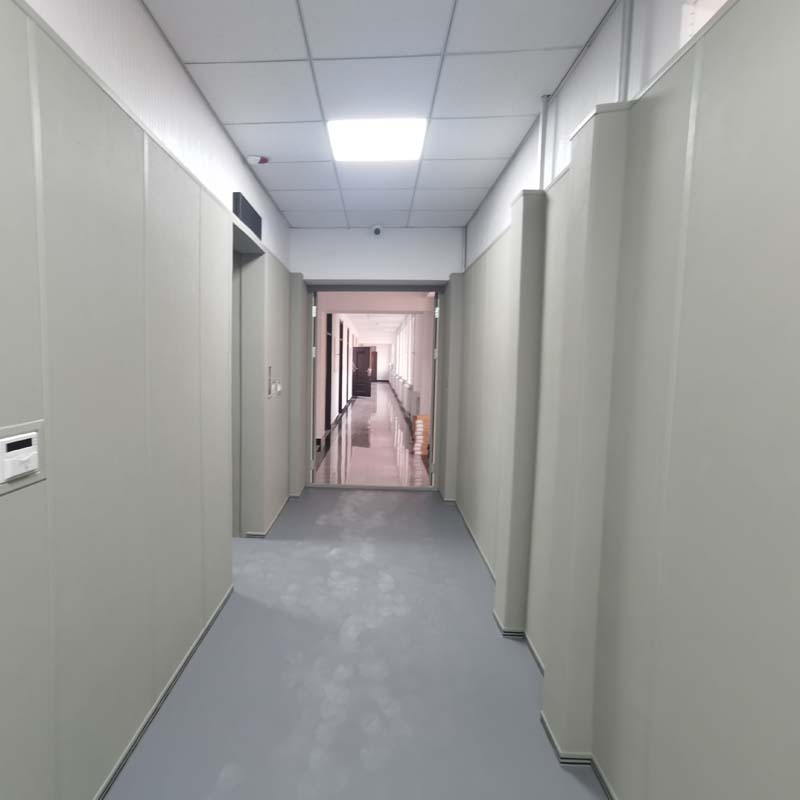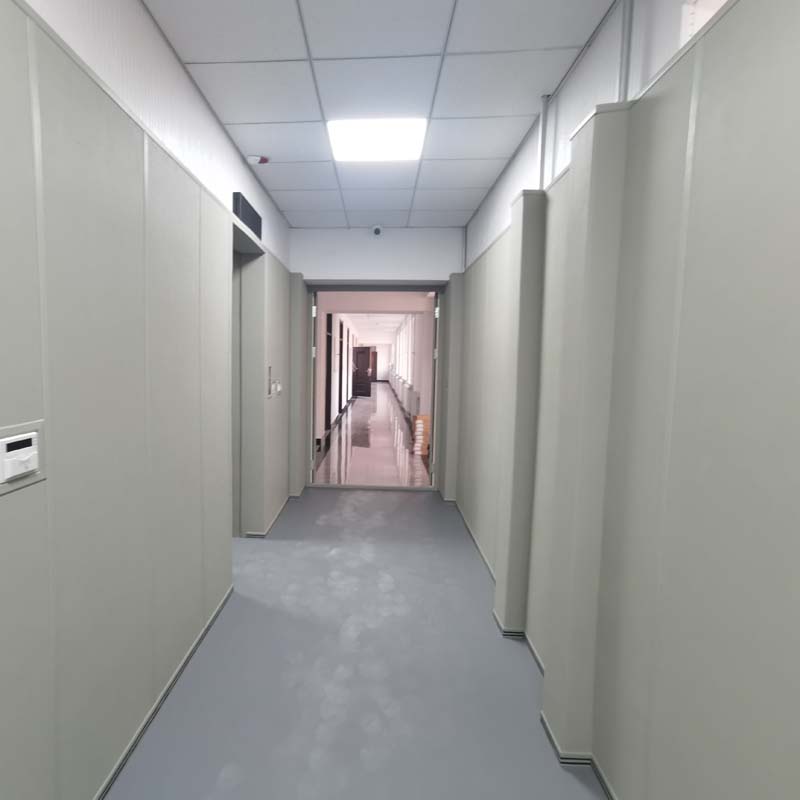


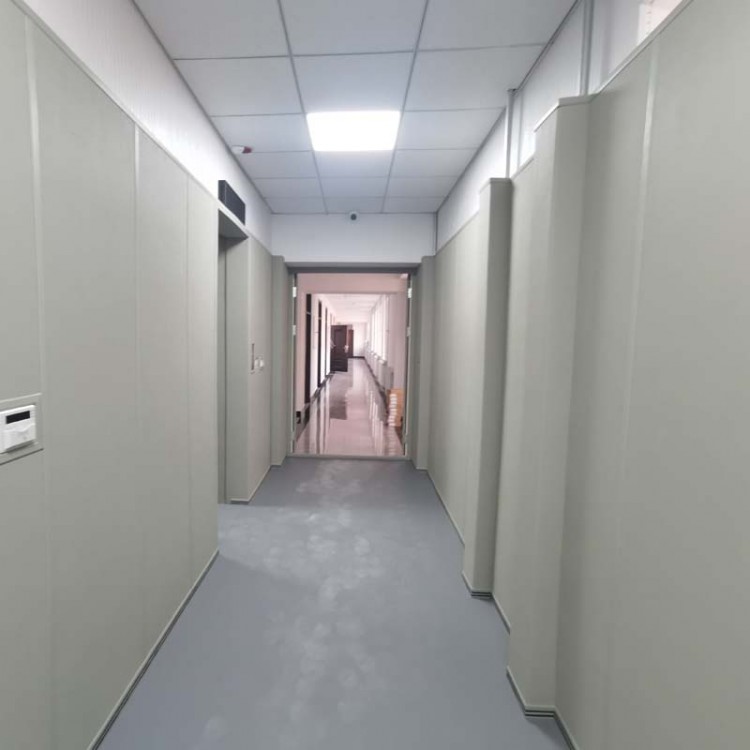







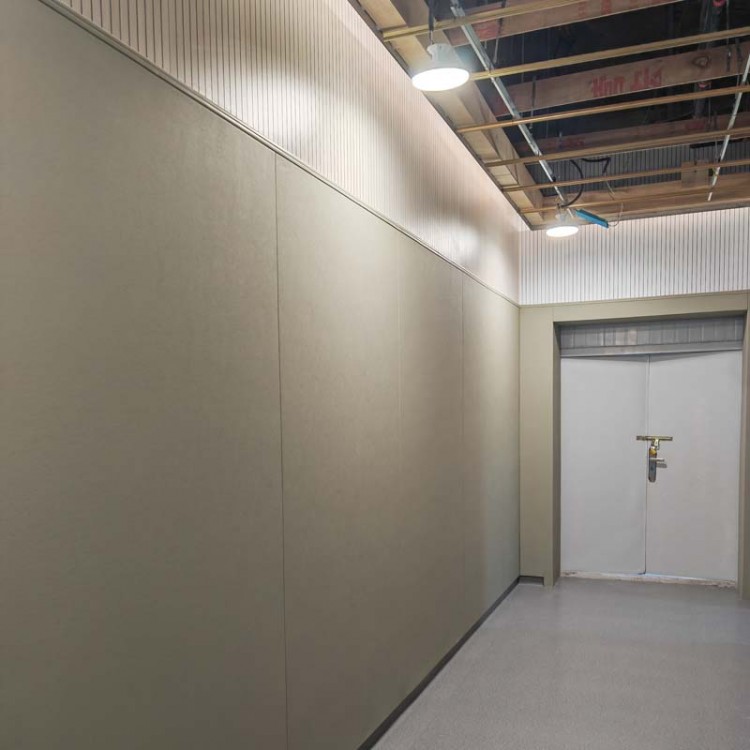
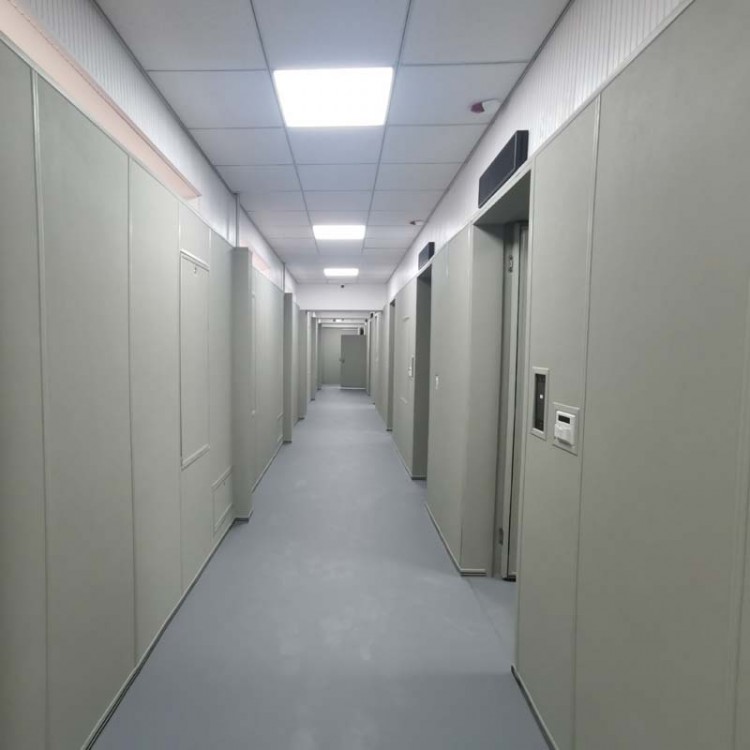
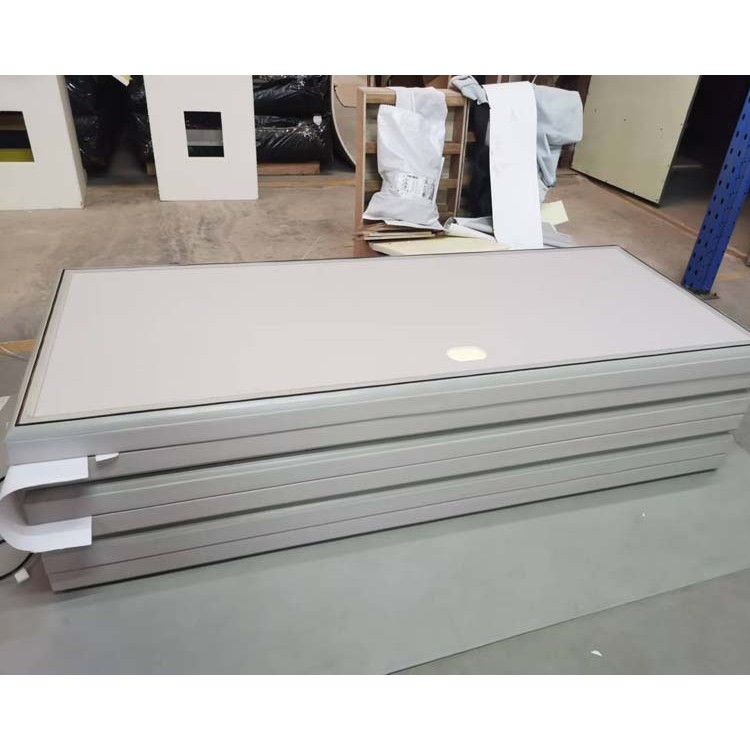
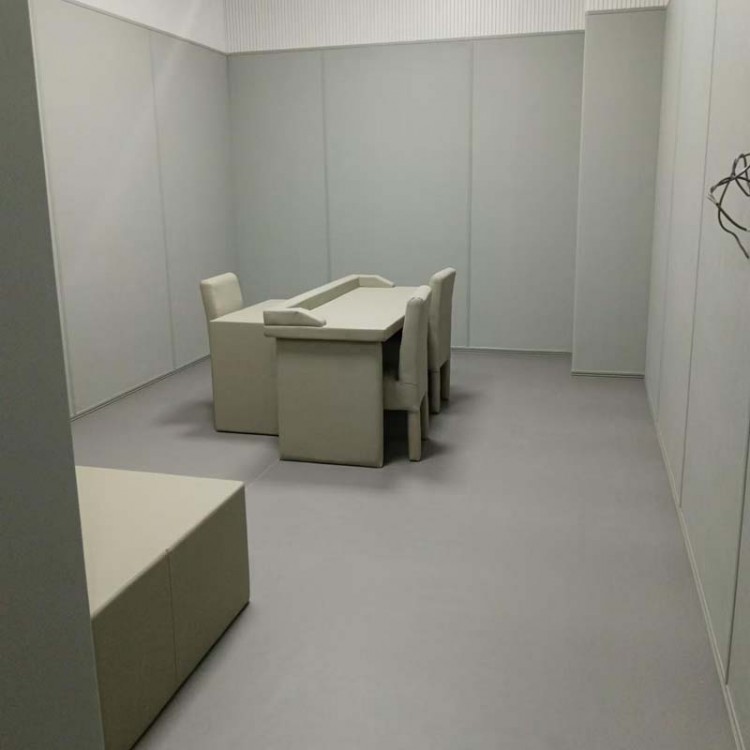
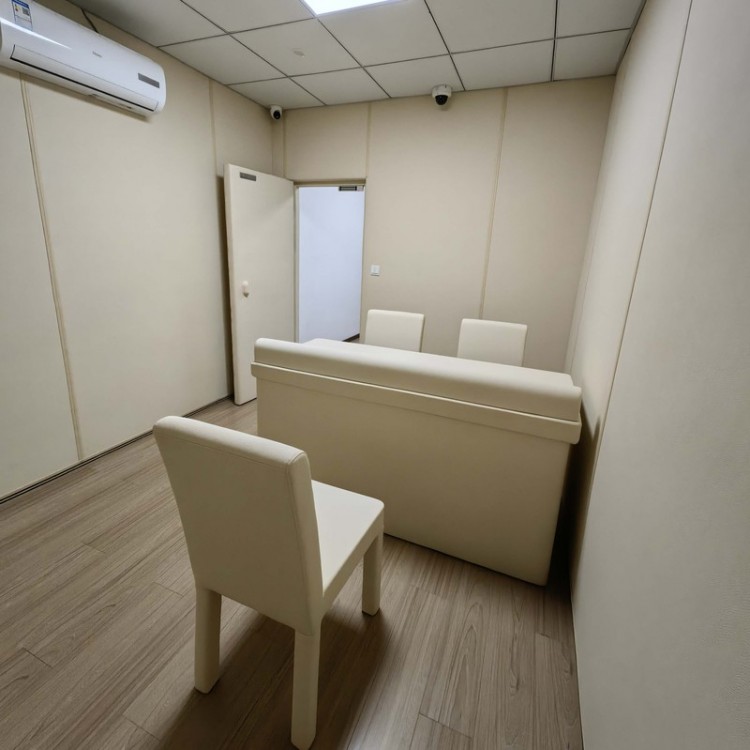
The Discipline Inspection Committee Anti-Collision Soft Package is one of the specialized facility requirements for Discipline Inspection Committee locations, primarily designed to ensure the safety of detained individuals and indoor equipment, as well as to enhance the acoustic environment. Below is a detailed introduction to the Discipline Inspection Committee Anti-Collision Soft Package:
I. Primary Functions
Ensure the safety of detained personnel:
Retain in the room, those under detention may suffer accidental collisions due to emotional excitement or loss of control. Anti-collision soft packages can effectively absorb and dissipate impact forces, reducing the injury to the body from collisions, thereby protecting the personal safety of those under detention.
Protect indoor facilities:
The collision-proof soft package also safeguards critical facilities within the detention room, such as wall surfaces, corners, doors, and windows, including surveillance cameras and alarm systems, preventing damage due to collisions, ensuring the continuity and stability of the monitoring work.
Improve the acoustic environment:
Anti-collision soft package materials usually have a certain sound-absorbing effect, reducing noise and echo interference, enhancing the comfort and quality of life for those in detention, and also providing a quieter working environment for staff.
Section II: Material Selection
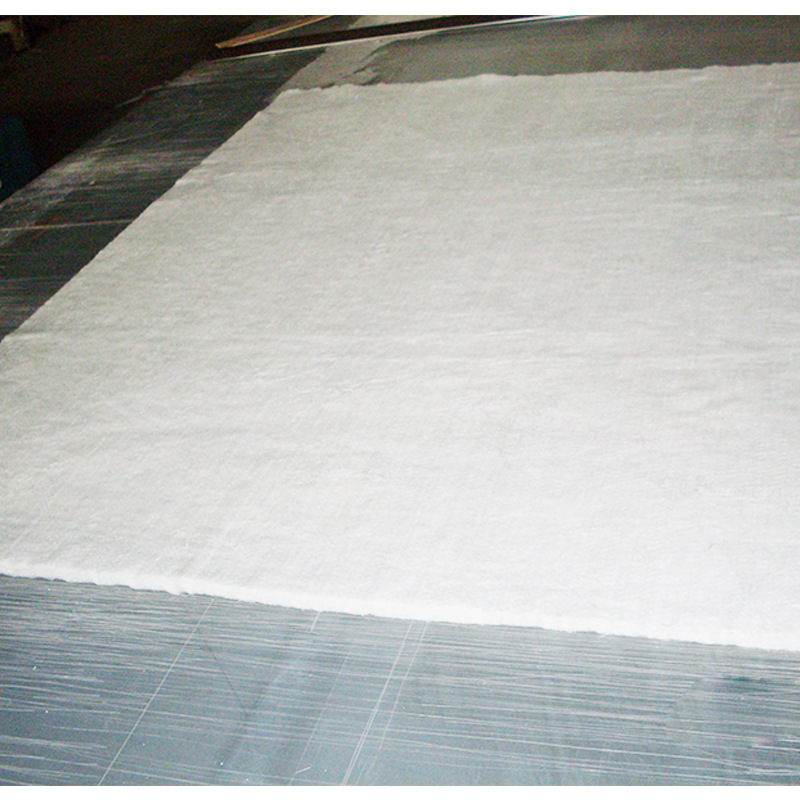
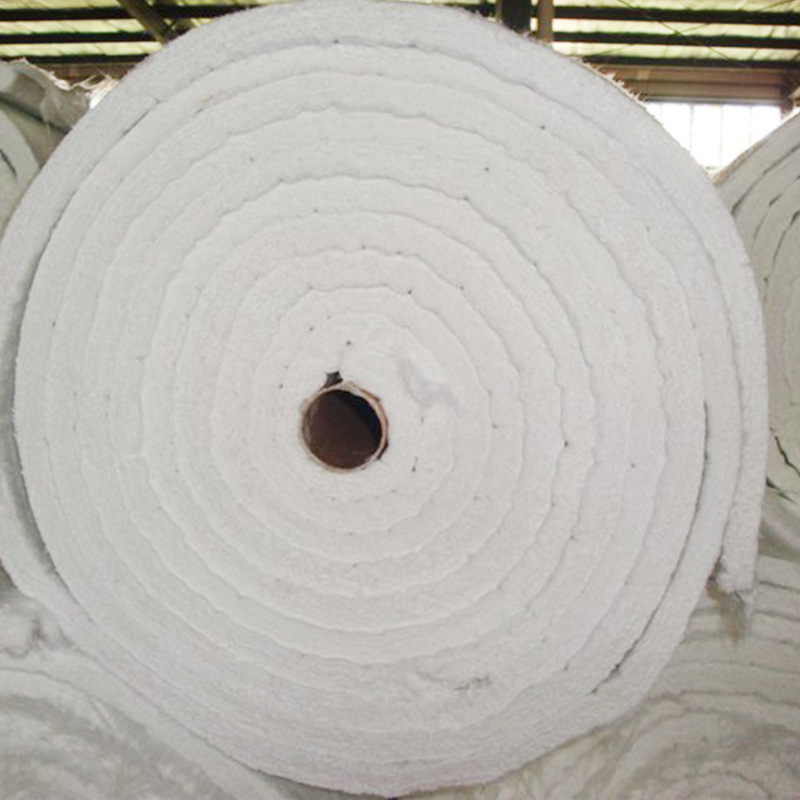
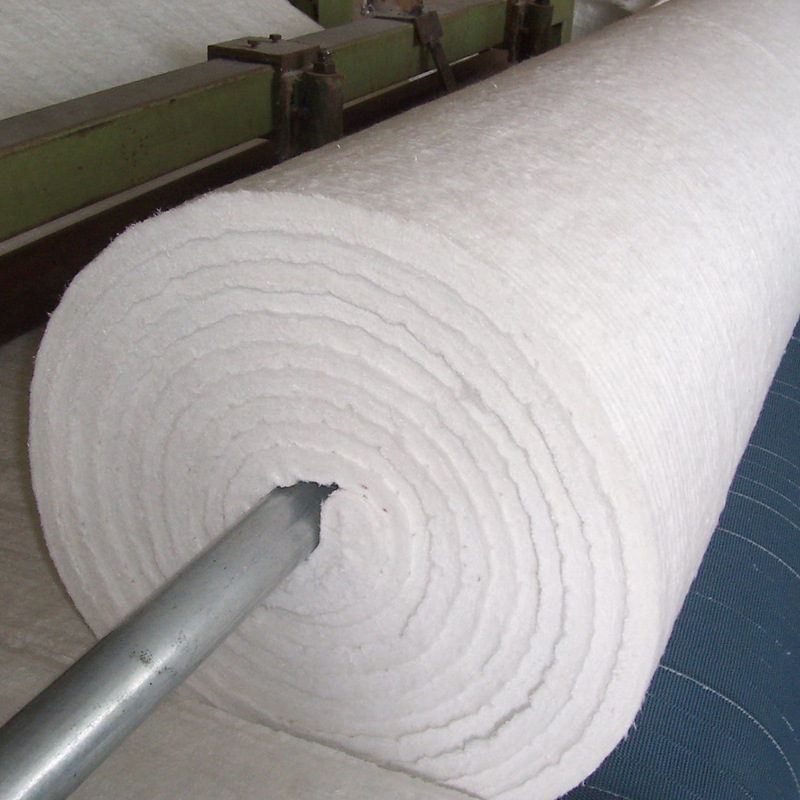
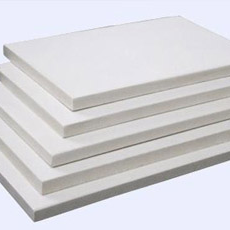
The material selection for collision-proof soft packages by the disciplinary inspection commission should comply with national standards, offering good elasticity, abrasion resistance, weather resistance, and flame-retardant properties. Additionally, the materials should be non-toxic and harmless, meeting national environmental protection requirements to ensure the health and safety of the detained individuals. Common materials for collision-proof soft packages include:
High-Density Foam: Offers excellent energy absorption and cushioning properties.
Nano cotton: Soft texture, excellent shock-absorbing properties.
Polyester fiber: Abrasion and scratch-resistant, suitable for high-frequency use areas.
PVC leather: Easy to clean, aesthetically pleasing, commonly used for wrapping shock-absorbing materials.
Fire-retardant Foam: Offers excellent flame-retardant properties, capable of preventing the spread of fire to some extent.
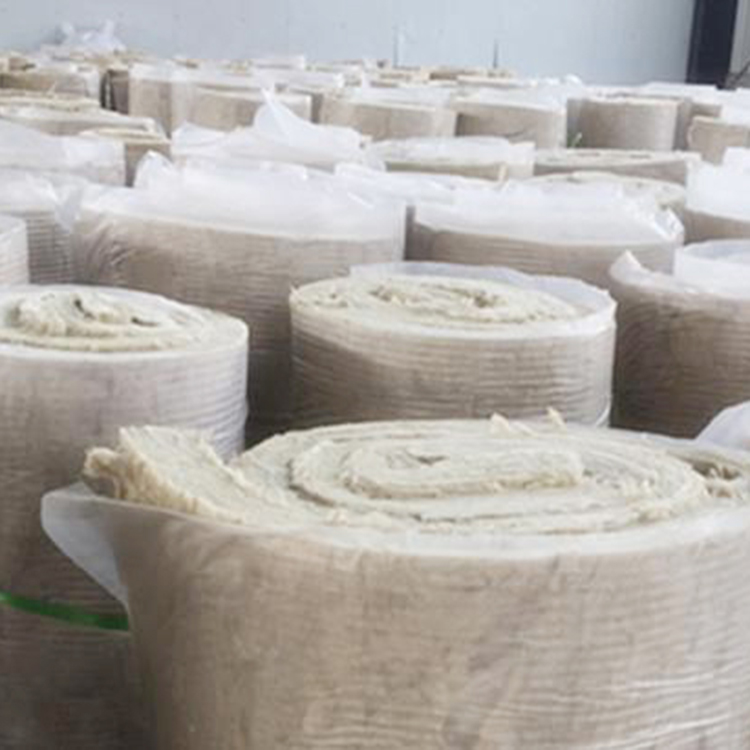
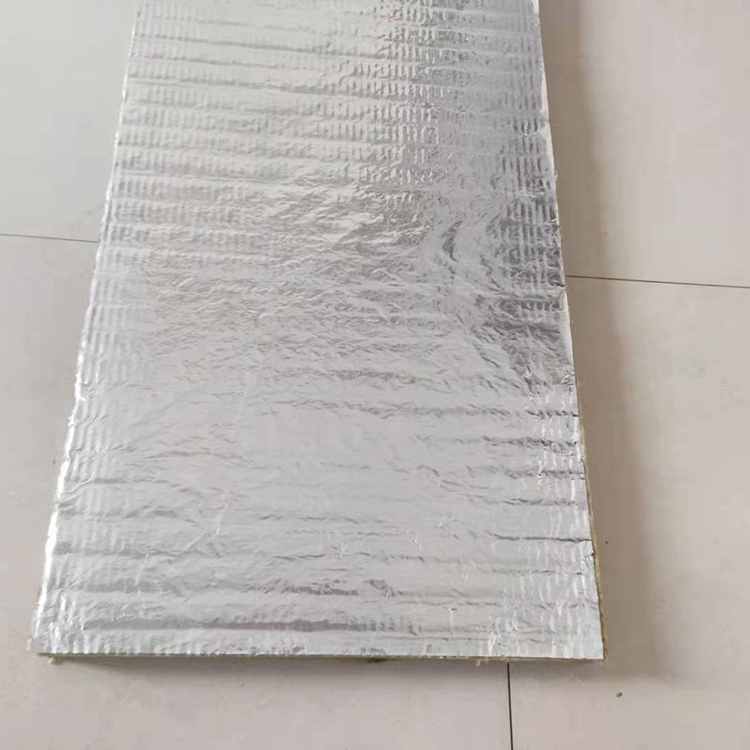
Additionally, we offer materials such as foam resin soft packages, glass wool soft packages, sponge soft packages, high foam impact-resistant soft packages, impact-resistant polyurethane foam materials, impact-resistant rubber materials, impact-resistant polypropylene materials, and impact-resistant polyethylene materials. Each of these materials has distinct characteristics in terms of impact resistance, sound insulation, fire-retardant properties, and environmental performance. They can be selected based on actual requirements.
Section 3: Installation Requirements
Wall Treatment:
Before installing the collision-resistant soft packages, the walls of the conversation room must be thoroughly cleaned to ensure there are no oil stains, dust, or other impurities.
Size Customization:
Customize appropriate anti-collision soft packaging materials according to the dimensions and shape of the wall.
Robust Adhesion
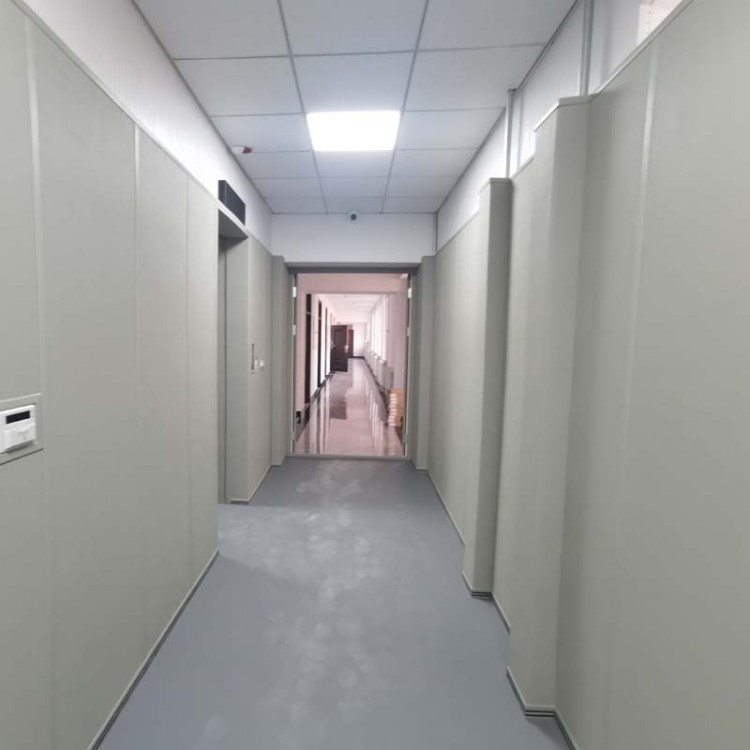
Secure the anti-collision foam materials to the wall with specialized glue or double-sided tape. During installation, ensure the foam materials are flat with no bubbles and the edges are neatly and aesthetically treated.
Encrypted Installation:
For areas prone to collisions, such as wall corners and door/window edges, install collision-proof soft packages more densely to enhance collision protection.
Detail Handling:
During installation, attention should be given to details such as the flatness and aesthetics of the edges. Additionally, collision strips or corner guards should be installed at intersections like where the wall meets the floor and where the wall meets furniture, to prevent injury from collisions.
Overall Coordination:
The installation of collision-resistant soft packages should be in harmony with the overall interior design of the holding room, maintaining overall aesthetics and consistency.
Four: Maintenance and Care
Regular inspections:
Regularly inspect and maintain the collision-protective soft packages to ensure they remain in good working condition. Promptly repair or replace any damaged or aging parts.
Cleaning and Maintenance:
Regularly clean and maintain the collision-proof soft package with appropriate cleaning tools and agents to keep its appearance clean and extend its service life. Avoid using corrosive cleaning agents like strong acids or alkalis to clean the silicone drain, as it may damage the material.
V. Future Trend
With the continuous advancement and innovation in technology, the application of collision-proof soft packages in disciplinary inspection committees will also continue to develop and improve. In the future, we can look forward to the emergence of more environmentally friendly, durable, and aesthetically pleasing collision-proof soft package materials, as well as the application of intelligent technologies such as smart monitoring and early warning functions, to further enhance the safety and comfort of holding rooms.
In summary, the anti-collision soft packages by the Discipline Inspection Commission play a crucial role in ensuring the safety of detained individuals, protecting indoor facilities, and improving the acoustic environment. They must be operated strictly in accordance with relevant standards in material selection, installation requirements, and maintenance to ensure their long-term stable operation.