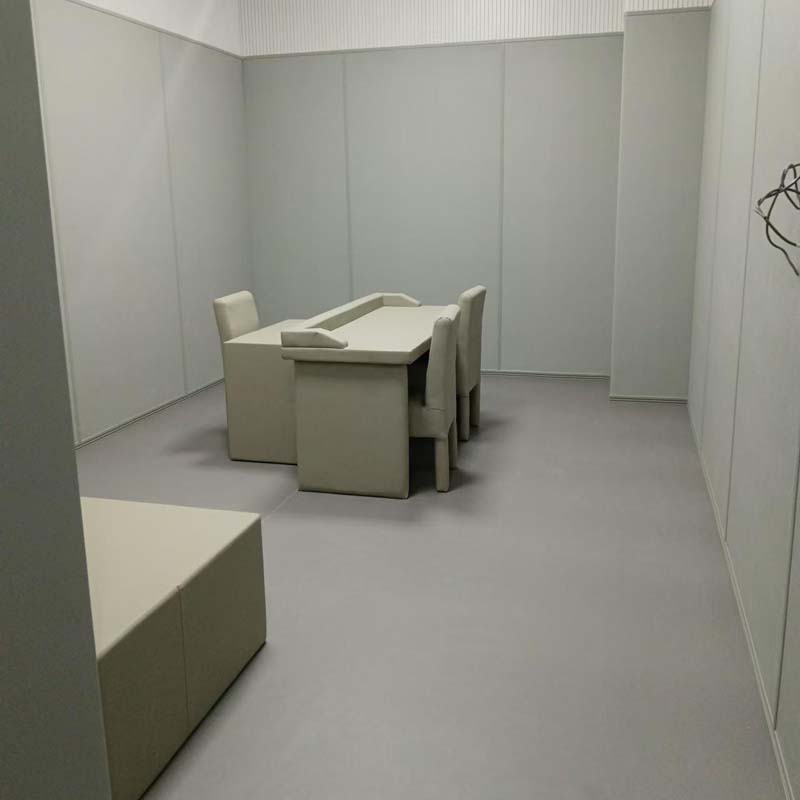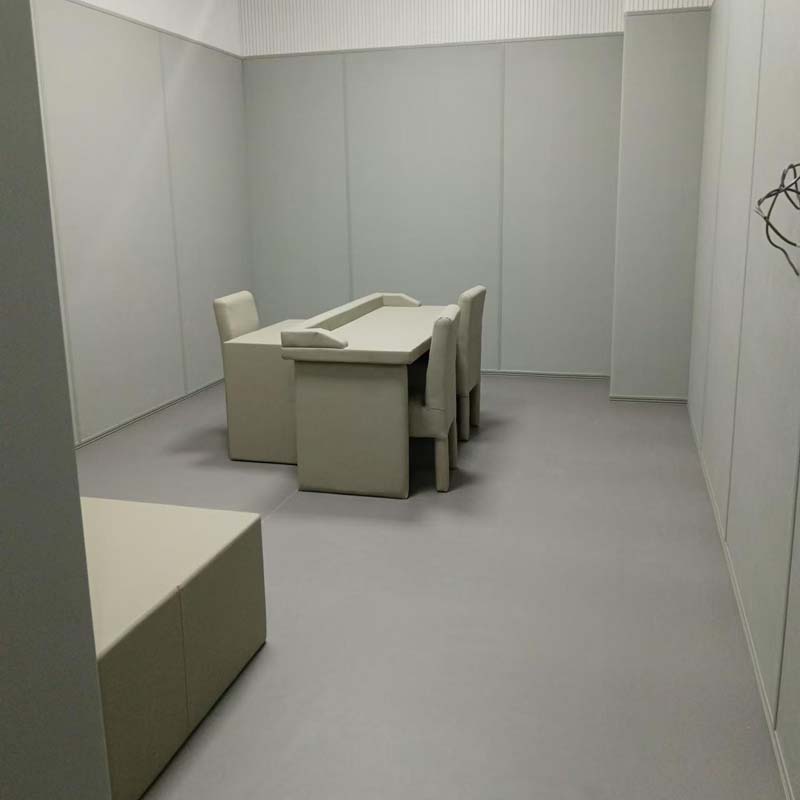


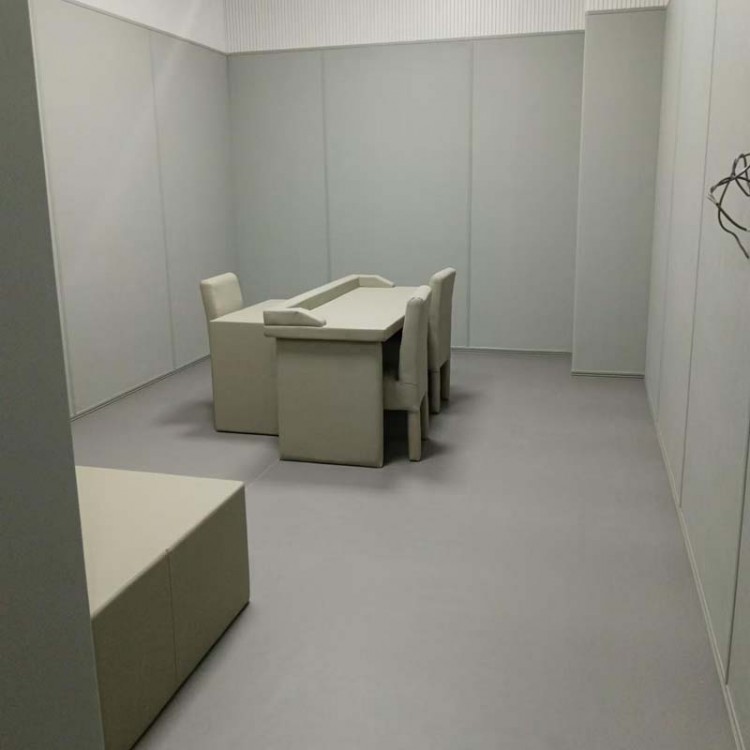


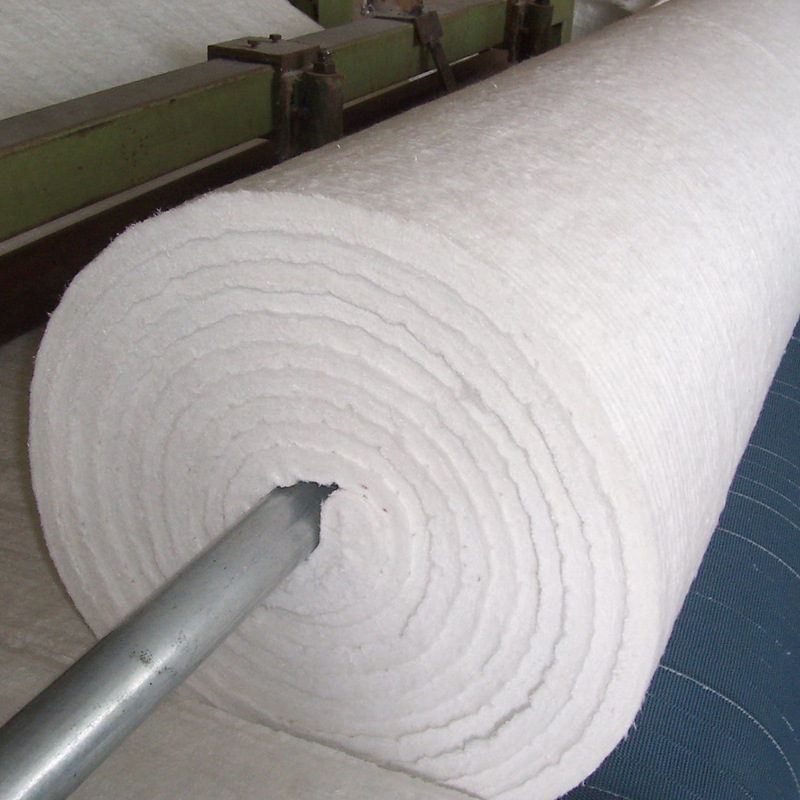
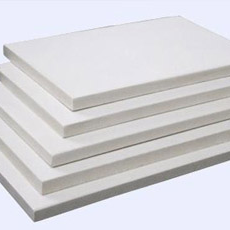





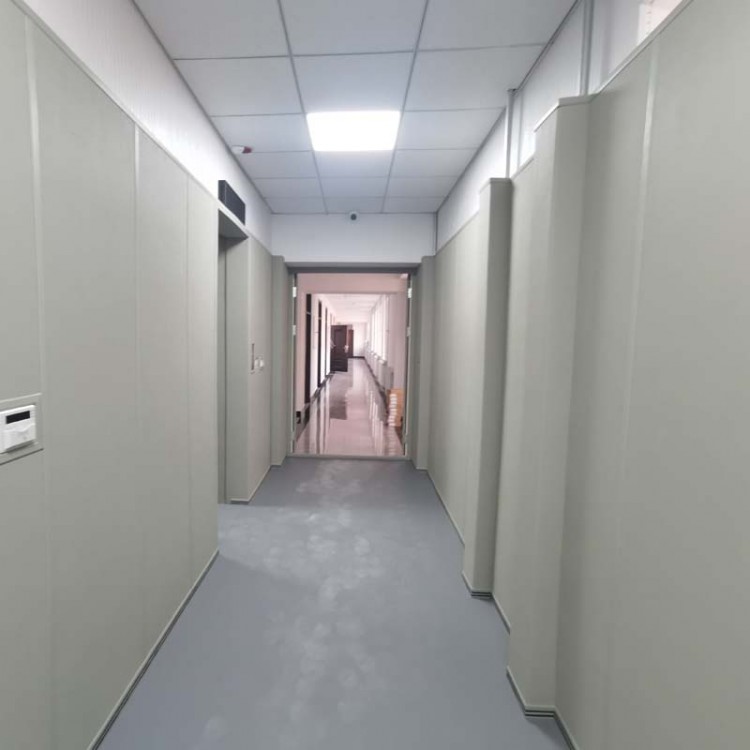
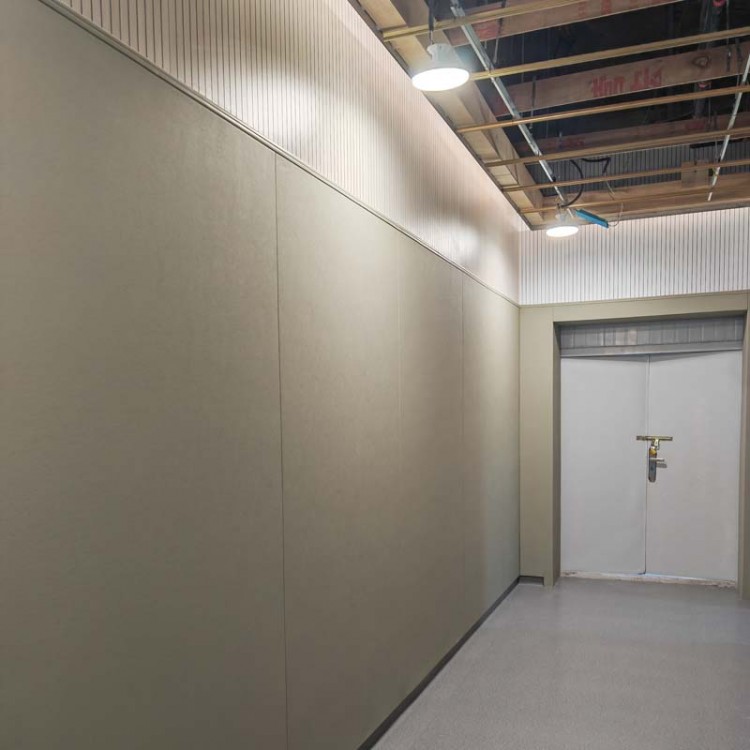
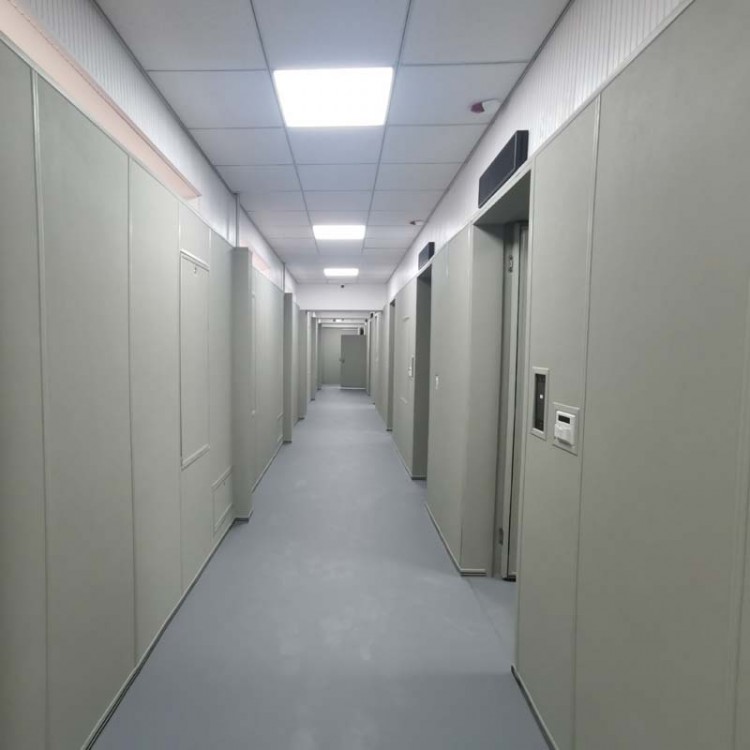
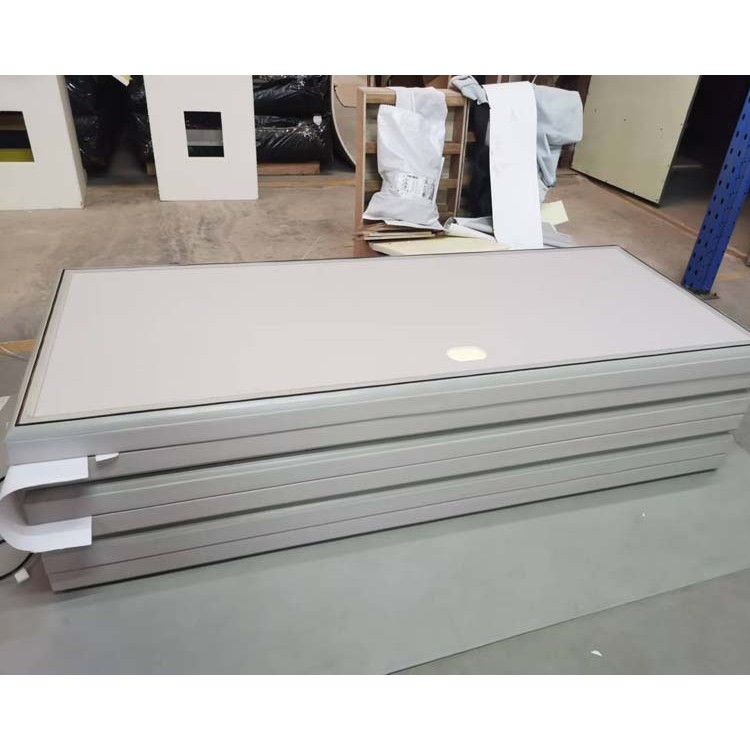
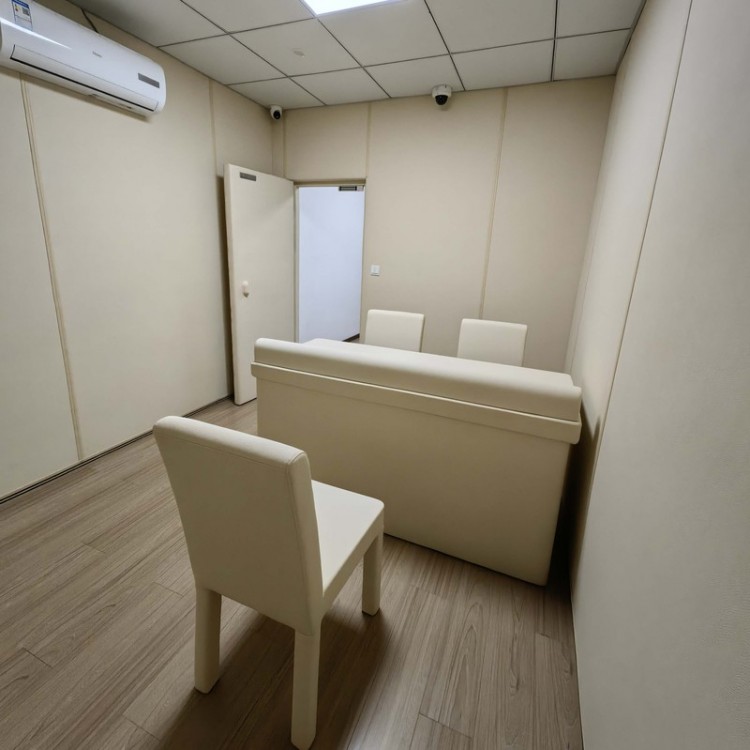
A collision-resistant soft package for holding rooms is a wall decoration method that wraps the interior wall surfaces with flexible materials. The following is a detailed introduction to it:
I. Features and Functions
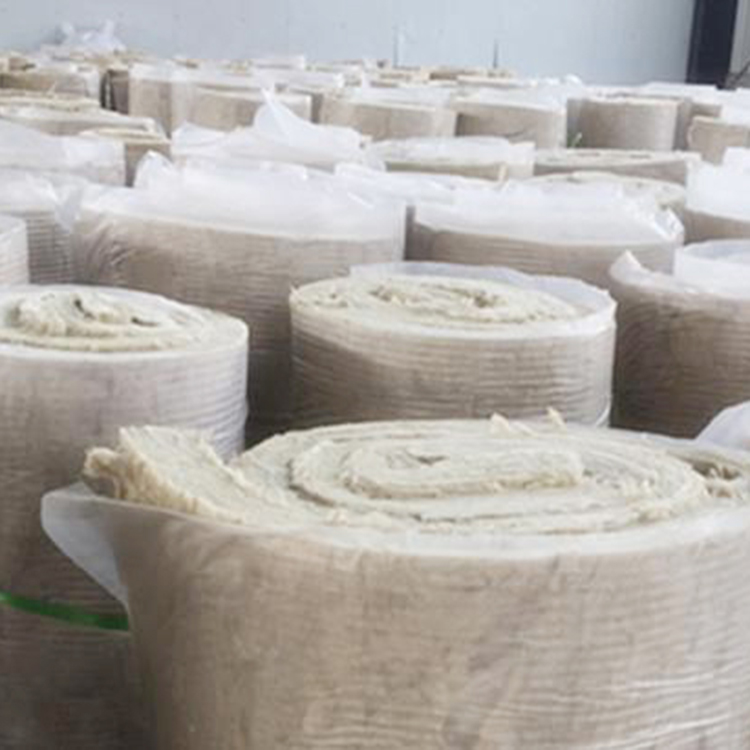
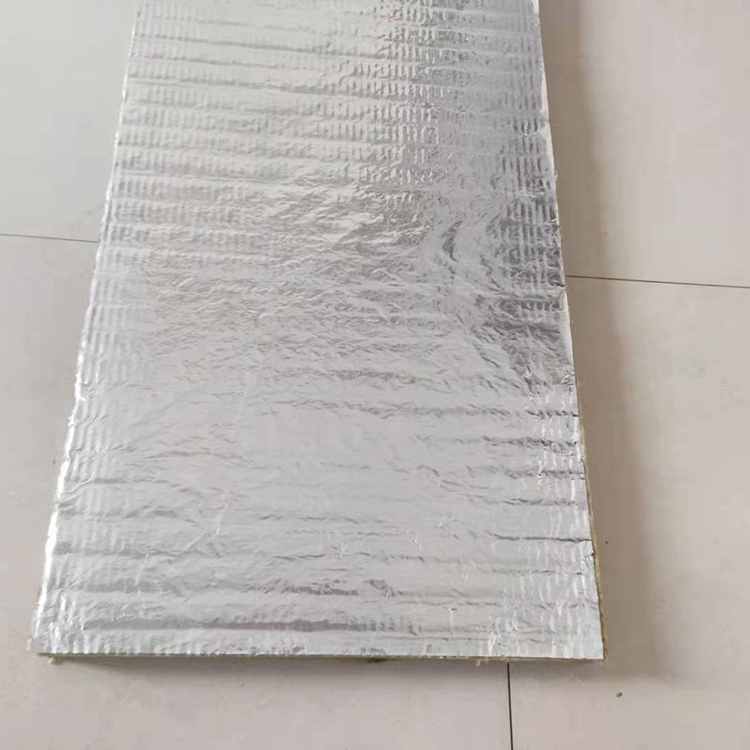
Anti-collision Function: The anti-collision soft packages are made from soft and elastic materials such as foam, rubber, memory foam, nanocellulose, or high-density foam, all of which possess excellent energy absorption and cushioning properties. In the event of an accidental collision with walls or furniture by the confined individual, the anti-collision soft packages effectively absorb and dissipate the impact force, thereby reducing the severity of bodily harm and providing a safer confinement environment for the individual.
Fireproof Function: Collision-proof soft packages are typically made from materials that meet fire resistance standards. Fire-resistant leather is a soft package material that is both aesthetically pleasing and practical, capable of preventing fires to some extent and providing more escape time and safety for those left behind.
Soundproofing Function: Collision-resistant soft package materials typically offer excellent soundproofing capabilities, reducing noise transmission within the interior, enhancing sound insulation performance, and preventing sound from echoing and diffusing throughout the room. This effectively minimizes noise and echo interference, creating a relatively quiet environment for those in custody.
Moisture-Proof Function: Storage rooms are often located in damp basements or other moist areas. The collision-proof soft packaging material offers moisture-proof, waterproof, anti-mold, dust-proof, oil-proof, stain-proof, and static-proof properties. It can protect the equipment inside the storage room from moisture damage, extending its service life.
Aesthetic Function: The soft packaging material used for collision prevention is soft in texture and has soft colors, which can soften the overall space atmosphere. Its deep three-dimensional sense also enhances the level of indoor construction.
Section 2: Application Range
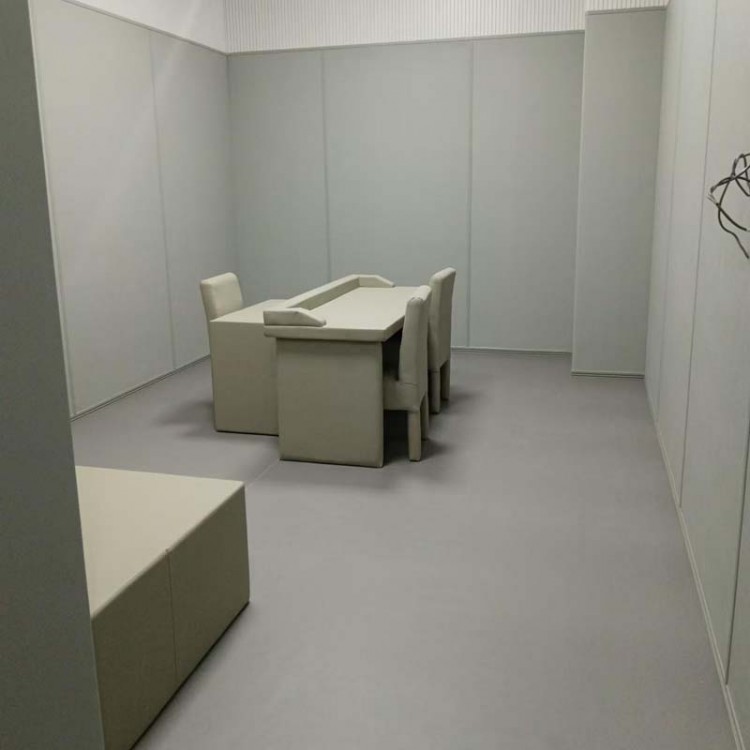
Wall: The wall is the most common area for soft package application in the holding room. By treating the wall with soft packaging, it can protect the wall from impacts and scratches, while also enhancing the sound insulation effect.
Flooring: Some holding rooms opt for soft packaging on the floor to enhance slip resistance and cushioning, which helps minimize potential injuries to those held if they slip or fall.
Furniture: Furniture kept indoors, such as tables and chairs, can also be soft-padded. This not only enhances the comfort and durability of the furniture but also prevents the occupants from getting injured during use.
Section 3: Main Configuration and Auxiliary Materials
Main Configuration: Wall Impact-Proof Soft Packaging
Auxiliary installation materials: skirting boards, trim strips, seat base brackets, etc.
Section 4: Construction Materials
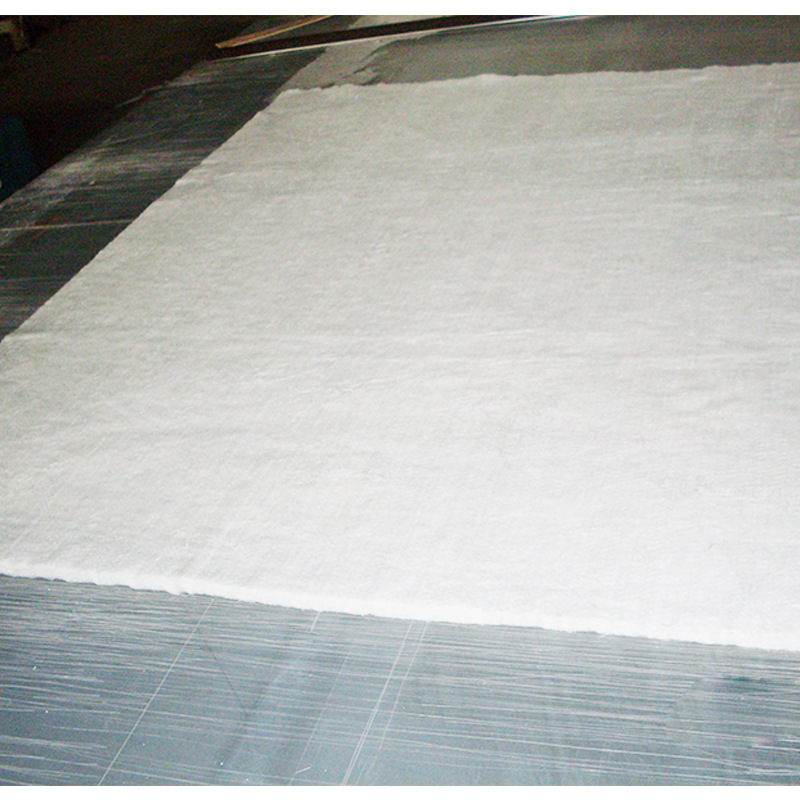
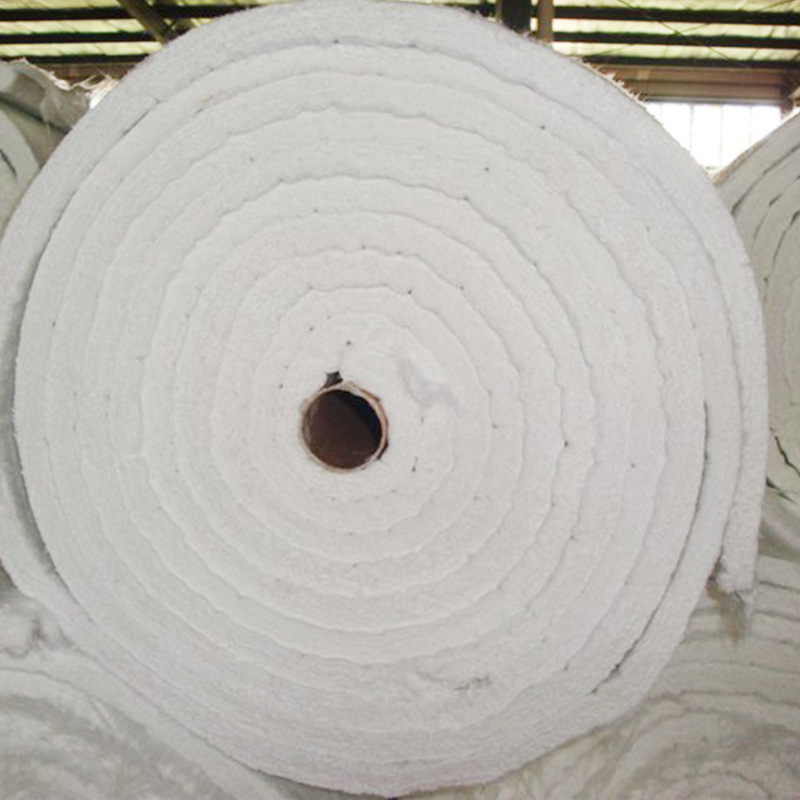
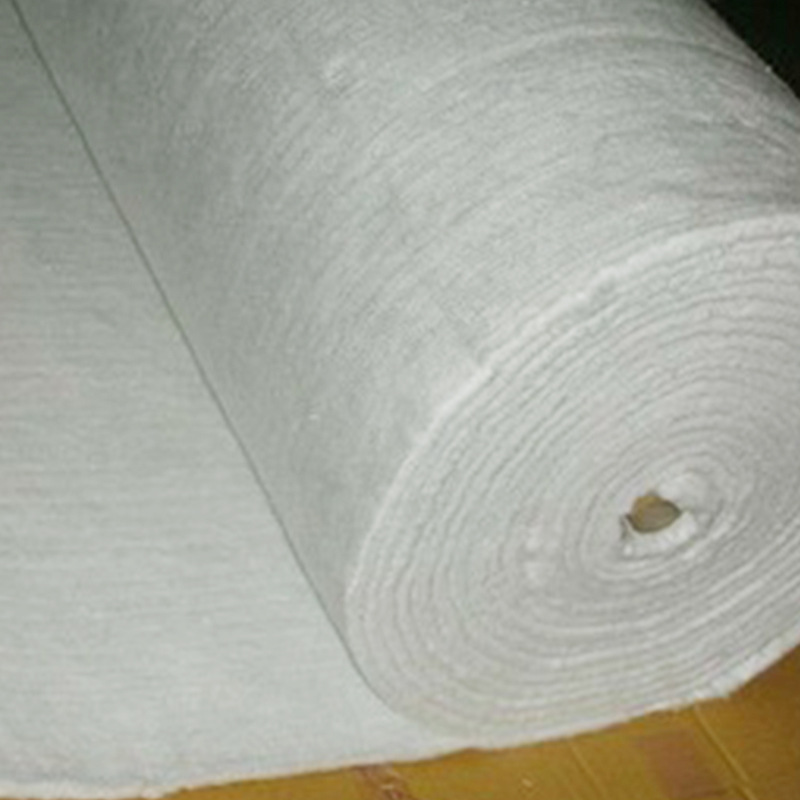
Impact-resistant soft package material: Select materials that meet waterproof, flame-retardant, impact-resistant, and environmental protection standards.
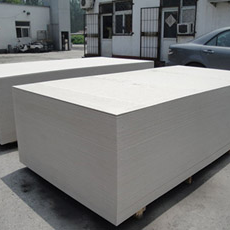
Base panel materials: such as plywood, flame-retardant boards, etc., used as the base for soft package installation.
Supplementary Materials: Such as adhesives, screws, molding strips, etc.
Construction Tools: Includes measuring tools (tape measures, levels, etc.), cutting tools (craft knives, scissors, electric saws, etc.), and installation tools (screwdrivers, nail guns, hammers, etc.).
V. Construction Process
Clean Walls: Ensure no oil stains, dust, or debris.
Check wall flatness: Any uneven areas require repair.
Measure wall dimensions: Use a tape measure and a level to accurately measure the height, width, and dimensions of the areas where anti-collision soft packages need to be installed.
Plan Soft Package Layout: Based on wall dimensions and the specifications of the soft package material, plan the layout and quantity of the soft packages to ensure they cover the required protected area.
Base Frame: Install the base frame on the wall to ensure it is flat and secure.
Install subfloor panels: Secure the subfloor panels onto the joists using screws or nail guns, ensuring the panels are flat and seamless.
Cut soft package materials: Cut anti-collision soft package materials according to wall dimensions and planned layout, ensuring accurate sizing and shape fit.
Apply Adhesive: Evenly spread glue on the back of the cut soft package material, ensuring it's uniform and without any omissions.
Adhesive Soft Packaging: Apply the adhesive-coated soft packaging material onto the base board, press firmly to ensure a secure bond and no air bubbles.
Fixed Corners: Reinforce and protect the corners of the soft package with corner strips or metal protective strips, ensuring greater durability and aesthetics at the corner areas.
Install skirting boards: Install skirting boards at the bottom of the wall to achieve a perfect finish with the soft wall covering.
Trim Wall: Refine and clean the installed anti-collision soft package wall, ensuring a smooth surface and no debris.
Quality Inspection: Check the fixation, adhesion, and overall aesthetics of the soft packaging to ensure they meet design and usage requirements.
Inspection Record: After completing the quality check, conduct the acceptance and record relevant information for future maintenance and care.
Six: Cautionary Notes
Material Quality: Ensure the collision-proof soft packaging material used has high density, high elasticity, strong impact resistance, and meets environmental protection and fire safety standards.
Construction Environment: Ensure good indoor ventilation during installation to prevent materials from getting damp or distorted.
Safety Protection: Construction workers must wear protective gear such as gloves to prevent hand injuries. Additionally, be cautious to avoid injuries from sharp objects like nails.
Detail Handling: Round off the edges of the soft packaging material to minimize the risk of scratches or cuts during collisions. Also, pay attention to the gap treatment between the soft packaging and the wall, ensuring there are no gaps or loose parts.
Post-Maintenance: Regular cleaning of the soft package surface and inspection of any damage to the materials are required. For damaged soft package materials, timely replacement or repair is necessary to ensure the overall usability of the holding room.
In summary, collision-protective soft packaging in holding rooms plays a crucial role in enhancing safety standards. It provides a safer, more comfortable, and reliable holding environment for detainees by mitigating collision injuries, improving indoor safety, enhancing the acoustic environment, and raising the overall safety standards.