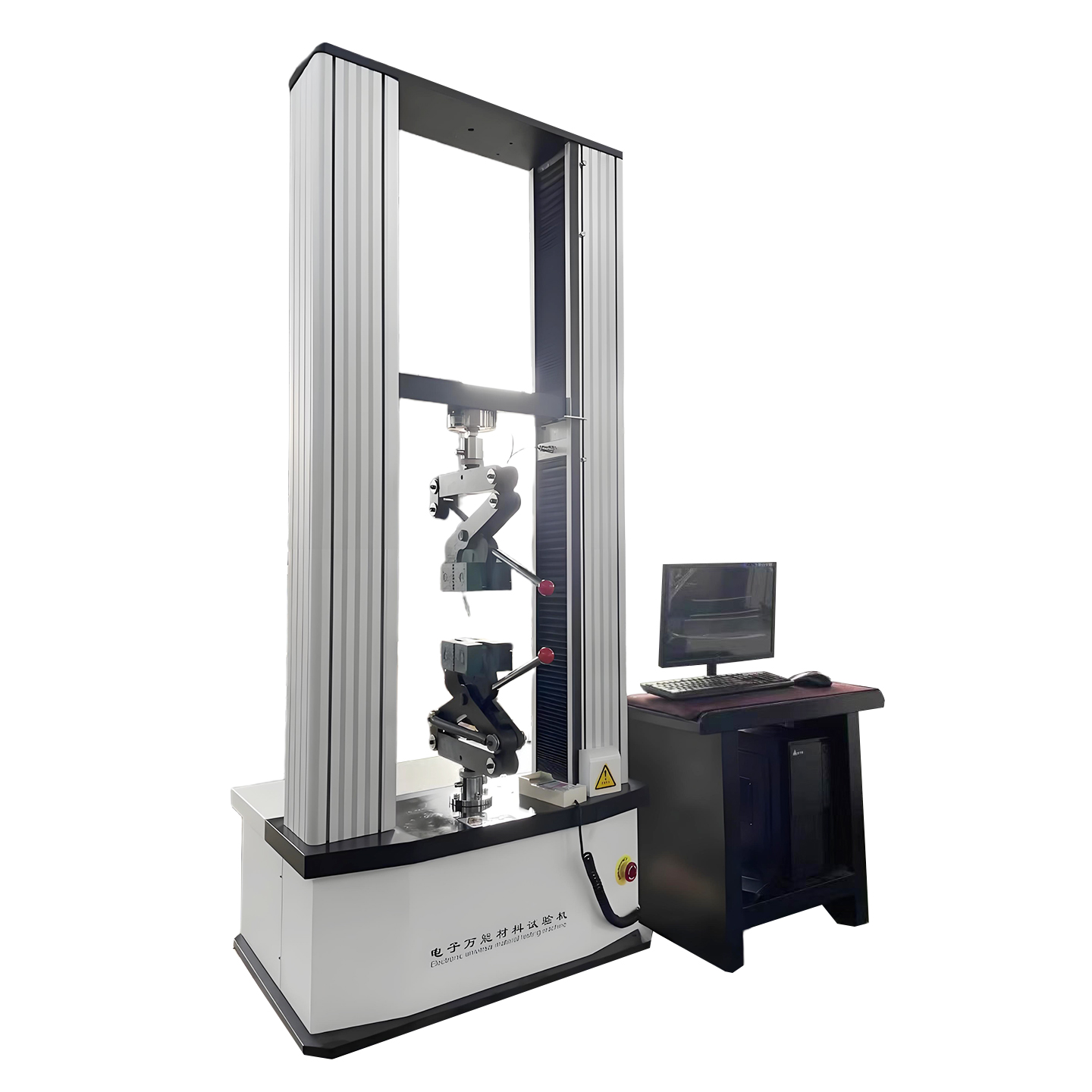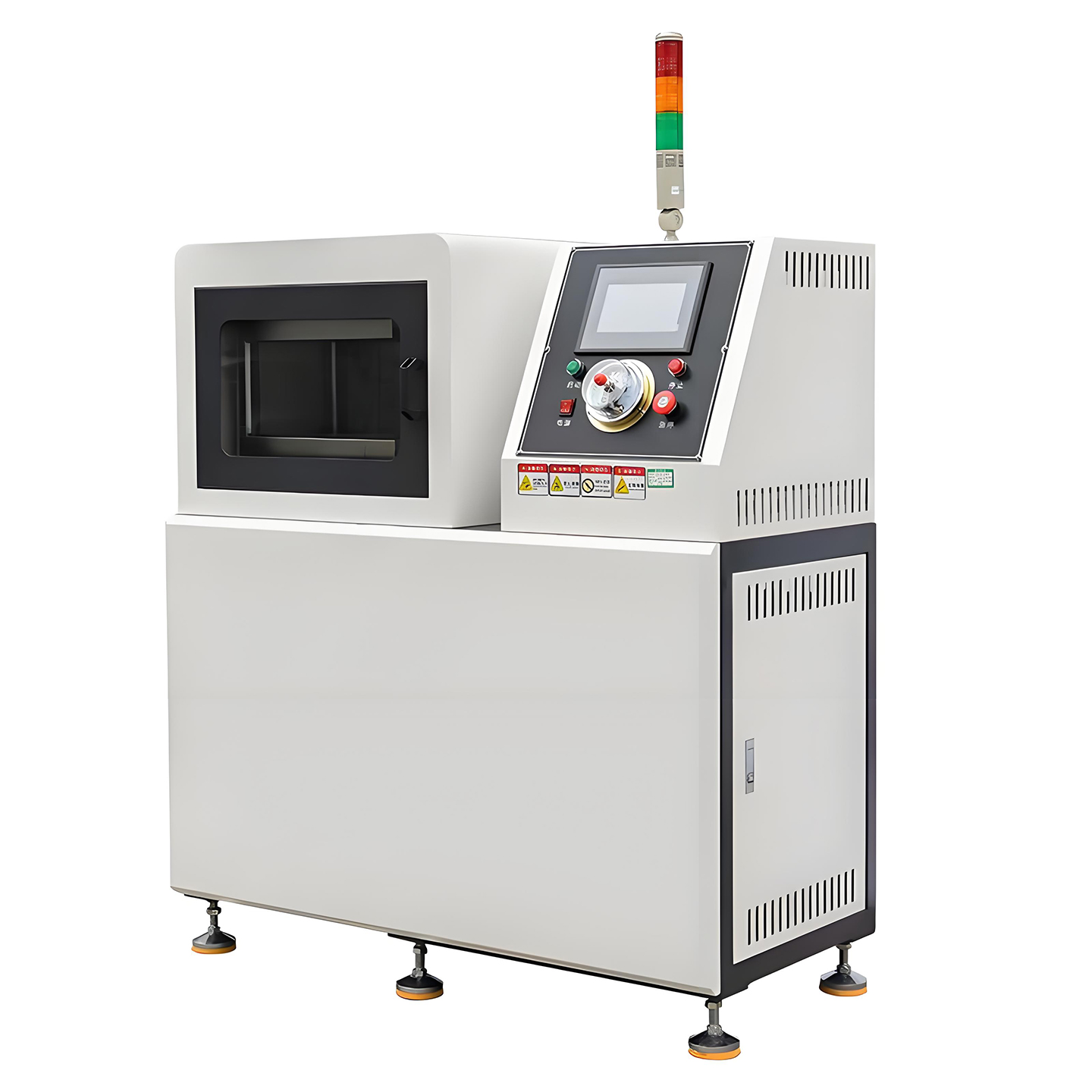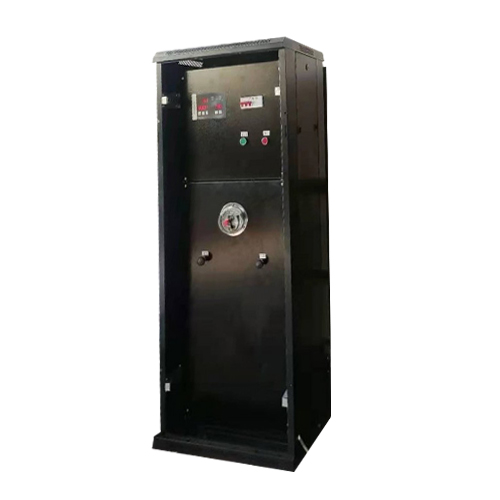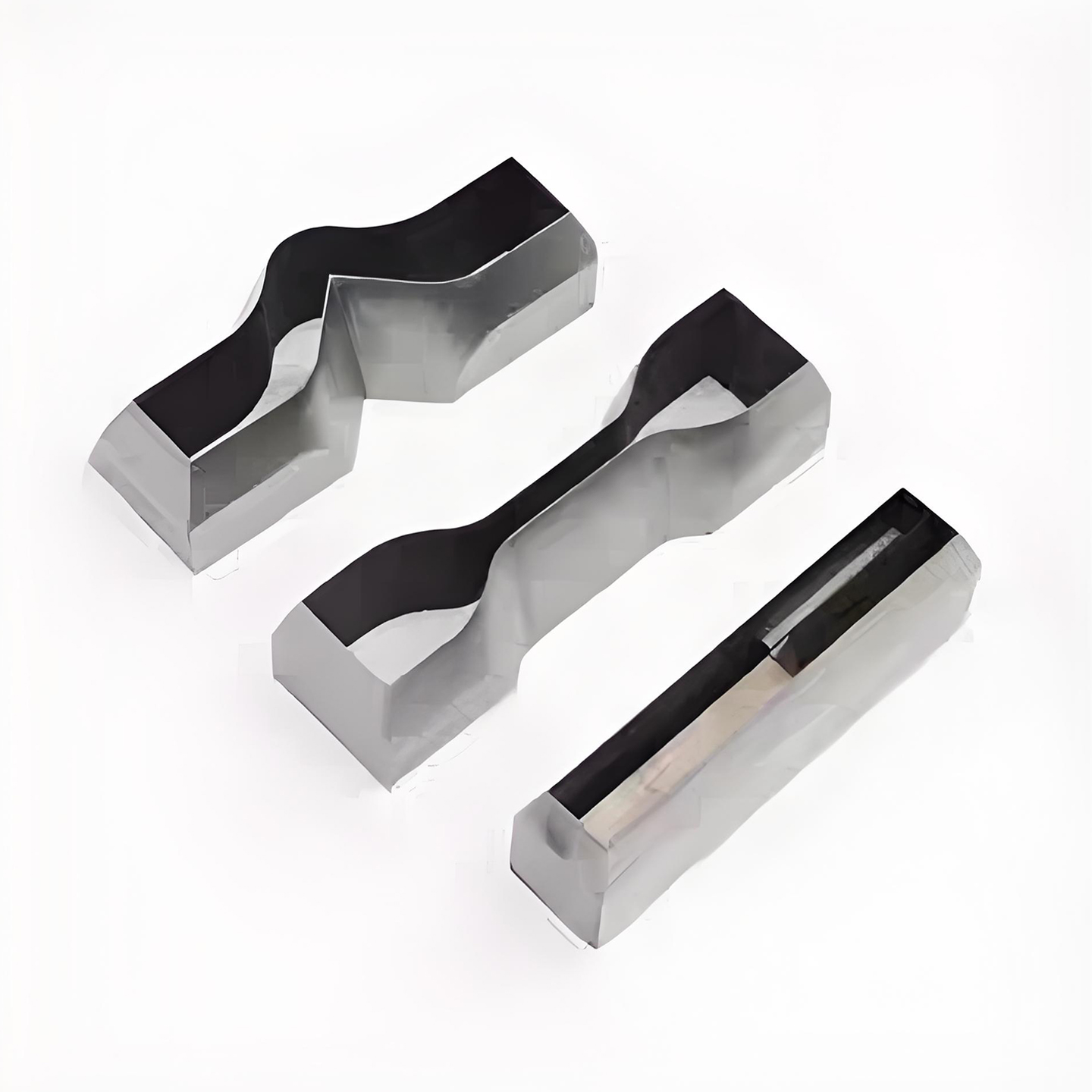









JZL-D TypePlastic Tensile Tester
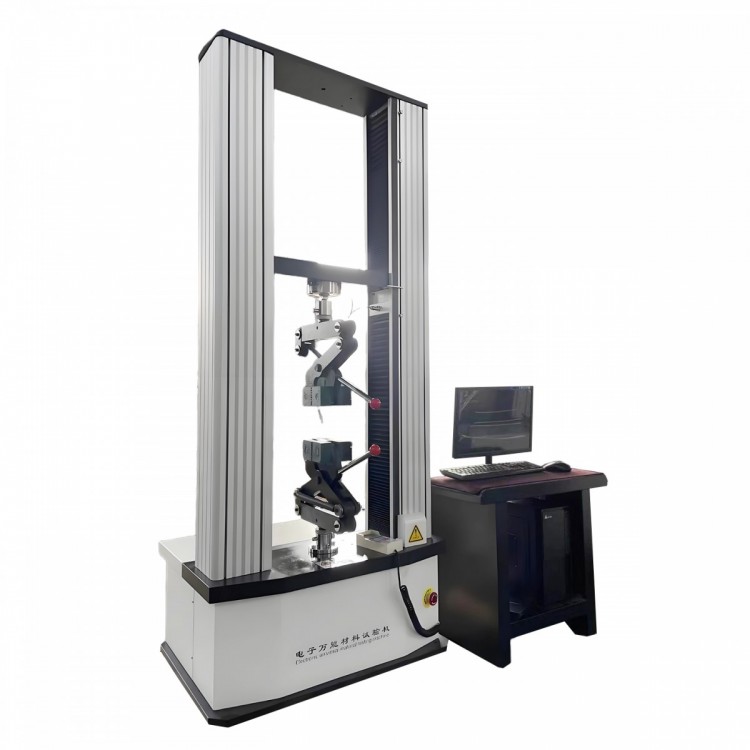
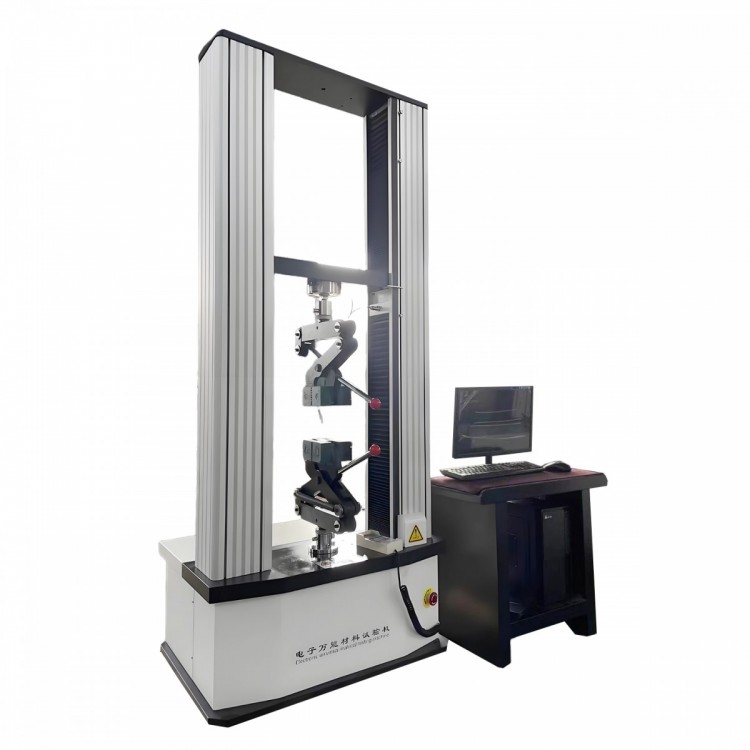
The plastic tensile tester is used for determining the tensile, tear, and peel mechanical properties of materials. When the reverser is used, it can also conduct compression tests on materials.
This machine is a new type of economic material testing machine with variable speed control, equipped with a force sensor and an automatic elongation tracking device. During the testing process, the microcomputer continuously collects signals from the force sensor and the automatic elongation tracking device, and performs formatted data processing according to the test requirements. Its features include simple operation, stable performance, high technology and automation level, and high testing accuracy.
Section 1:Plastic Tensile TesterKey Technical Specifications
1.1 Range: 10N, 20N, 30N, 50N, 100N, 200N, 300N, 500N, 1KN, 2KN, 3KN, 5KN. The machine's range does not exceed 5000N.
1.2 Force accuracy: ±0.5% of reading.
1.3 Test Speed: 10mm/min ~ 500mm/min
1.4 Effective Stretch Distance: 900mm (excluding fixture) (Standard Specification)
1.5mm measurement accuracy: ±0.5% of reading.
1.6 Power Supply: AC 220V ±5%, 50Hz
Machine dimensions: approximately 640×720×2000 mm (L×W×H).
Machine Weight: Approximately 280 kg.
Section II: Environmental and Operating Conditions
2.1 Temperature range: 0~40℃
2.2 Relative temperature below 80%;
2.3 Has an independent ground wire.
2.4 In a non-impact and non-vibration environment;
2.5 In an environment with no significant electromagnetic field;
2.6 The testing machine should have at least 0.7m of space around it, and its working environment should be clean and dust-free.
2.7 The base and frame levelness does not exceed 0.2/1000.
Section 3: System Composition, Working Principle, and Testable Items
3.1 The system consists of three parts: the host, the electrical control system, and the digital control system.
3.2 Working Principle
3.2.1 Principles of Mechanical Transmission
3.4 Standard Test Items: (Standard Display and Calculated Values)
● Tensile Stress ● Tensile Strength
● Tensile Strength ● Tensile Elongation
● Compressive Stress
● Compressive Strain Rate
● Tensile Stress Value ● Tensile Strength
● Any-point Force Value ● Any-point Elongation Rate
● Extraction Force ● Adhesion and Peak Value Calculation
The Jiangdu Jingzhuo tensile machine main unit consists of a motor and controller, ball screw, guide column, moving beam, limit device, etc. The mechanical transmission sequence is as follows:
Motor - Timing Belt Pulley - Lead Screw - Test Bench
4.2.2 Force Measurement System: A tensile sensor is installed on the moving beam of the main unit, with the lower end connected to the upper clamp. During the test, the force on the sample is converted into an electrical signal by the force sensor and input into the microcomputer collection and control system.
4.2.3 Automatic Extension Tracking Device: This device is used to measure specimen deformation, consisting of two tracking clamps with minimal resistance, which are held on the specimen. As the specimen is subjected to tensile force and deforms, the distance between the two tracking clamps also increases accordingly. The tracking clamps convert the linear motion into rotational motion through a rope and pulley, and the displacement is then converted into an electrical signal input into the microcomputer acquisition and control system by the tracking encoder.
4.3 Limiting Protection Device and Clamp
4.3.1 Limiting Protection Device
The limiting protection device is a crucial component of the machine. The main unit is fitted with a limiting rod, which is equipped with two adjustable collar blocks that can move up and down. During the testing process, when the stop block comes into contact with the collar, it drives the limiting rod to move, thus actuating the limiting device.
Cut off the path in this direction, the main engine will stop running. At this point, run in the opposite direction, and the testing machine will operate normally. Adjusting the position of the retainer on the stopper rod can limit the travel of the moving beam, providing great convenience and a reliable safety protection for conducting experiments.
4.3.2 Clamp
Our company offers a variety of universal and fixture holders for sample clamping, including wedge-type jaw fixtures, wrapped metal wire fixtures, film stretching fixtures, and paper stretching fixtures, among others. These are designed to meet the clamping requirements for various material tests, such as sheets, strips, foils, strips, wires, fibers, plates, bars, blocks, ropes, fabrics, and meshes, in both metallic and non-metallic materials. Custom configurations are available according to customer specifications.
5. Installation and debugging
5.1 Mechanical Installation
Position the main unit vertically at the designated location, adjust the ground screws at the bottom of the main unit, and check the worktable's level using a level (longitudinal and lateral levelness of 0.2/1000).
5.2 Electrical Installation
5.2.1 Plug the force sensor connector into the force sensor interface and the displacement sensor connector into the displacement sensor interface.
5.2.2 Once the aforementioned tasks are completed, the system can be powered on. There is a boat-shaped switch on the back panel of the microcomputer acquisition system. Place the switch in the 'on' position to connect the power.
5.2.3 Connect the main power supply, then rotate to activate the pop-up power switch.
5.2.4 The microcomputer system must be preheated for 20 minutes after power-on before it can operate normally.
6. Instrument Usage and Operation
6.1 Firstly, check and confirm that the connection of the mainframe and the microcomputer control system's cable is correct and without error.
6.2 To stop the machine or shut down the power, press the "Emergency Stop" button on the main power of the rotating pop-out tester. Turn on the power of the microcomputer control system.
7. Attachment
7.1 One-year warranty card for tensile testing machine and one set of operation manual in Chinese.
7.2 One set of standard tensile testing machine fixtures will be given away randomly (other fixtures are available for selection).
7.3 Tensile testing machine test software.
7.4 A set of brand computers, one color printer
8. Cautionary Notes
8.1 Prior to powering on, check the connections, plugs, sockets, and power plug sockets between the CNC system and the main machine for correct installation or any looseness. Confirm correctness before powering on (e.g., a loose ground wire under the power socket of the CNC system controller can cause the main machine to lose control). Always remember the power-on sequence: first, power on the test machine's main power, then the CNC system power. When shutting down, turn off the test machine's main power first, then the CNC system power. Do not remove or insert any plug after powering on.
8.2 It is crucial to check the position of the upper and lower limit stoppers, ensuring a sufficient distance between the two clamps to prevent damage to the machine components due to incorrect operation or loss of control of the main unit, especially the sensors.
Do not press any keys on the microcomputer control system during the test process.
8.4 Select the fixture according to the specific test conditions to prevent damage to the fixture.
8.5 In case of a sudden power outage, please immediately shut down all power sources and restart them in order after confirming the stability of the power supply. Frequent and multiple interruptions in power supply can easily damage the microcomputer control system and the motor speed control system.
8.6 Operators should not move away from the machine while the main unit is running.
8.7 The input elongation speed value must match the actual tensile speed of the testing machine, especially so for tearing and peeling tests.
8.8 Do not perform a tensile test when the breaking force value of the unclear sample is not specified, as it may damage the sensor due to overload.
Section 9: Test Software Instructions
9.1 The test software under Windows XP operating system can achieve control modes such as fixed load, fixed displacement, and fixed time to meet various testing requirements.
9.2 The test software supports random switching between Simplified Chinese, Traditional Chinese, and English languages.
9.3 Units such as force and displacement can be freely switched.
9.4 Load-time, load-displacement, displacement-time, stress-strain, and load-2-point elongation curves can be switched as needed during the testing process.
9.5 During the testing process, the current values of load and displacement are displayed. The tensile strength, compressive strength, elongation, tear strength, adhesion strength, and other parameters of the material can be automatically calculated when inputting the area and gauge length data.
9.6 Multiple material tests can be performed with curve overlap comparison, displaying test result values, minimum values, and average values.
9.7 Test results can be automatically saved and manually saved.
After the 9.8 test, printable data and graphical reports for batch and individual samples can be generated.
9.9 Convenient software allows customers to reserve the option to add special function modules.
Enjoy lifetime service with free upgrades.
10. Equipment Maintenance and Repair
10.1 Lubricate sliding parts, apply rust preventive oil to susceptible rusting components, and clean and oil the screw and guide columns once every three months. When oiling, loosen the pleated cloth on the top of the moving beam and use grease or hyperbolic gear oil.
10.2 Prevent high temperatures, excessive humidity, dust, corrosive media, water, etc., from entering the instrument.
10.3 Keep clean and prevent rusting.
10.4 Regular inspections to maintain the integrity of its components.
10.5 Inspected periodically every year.
10.6 Record usage details.