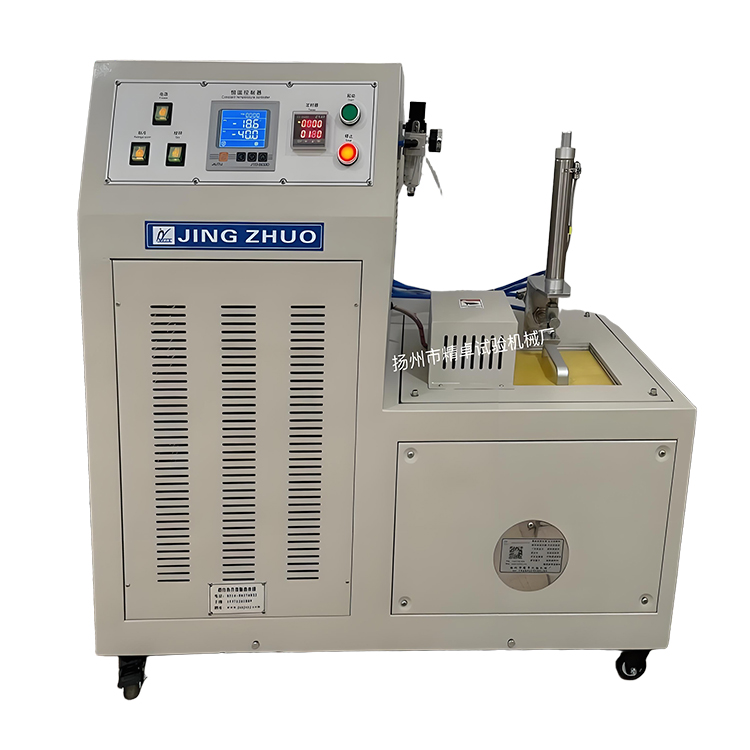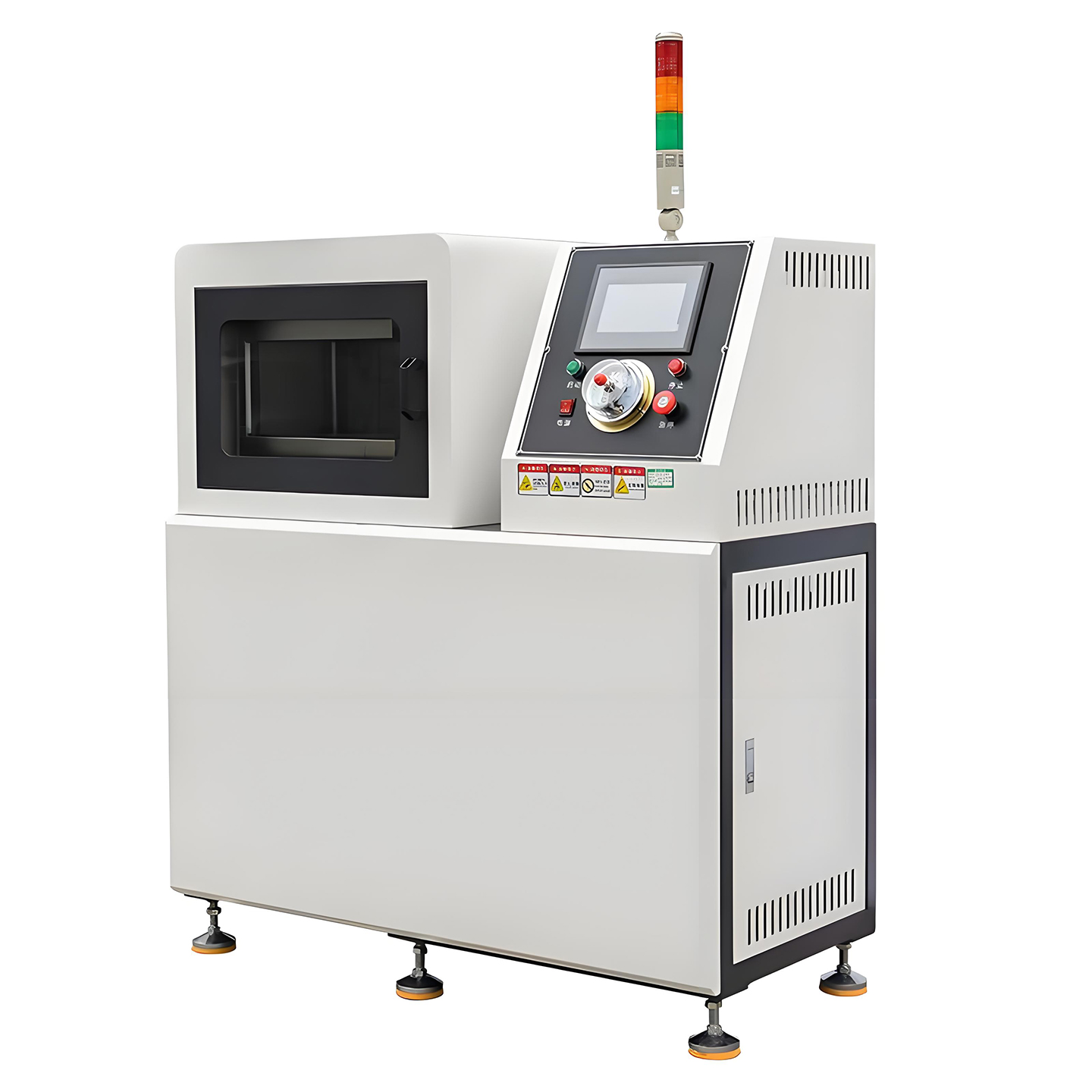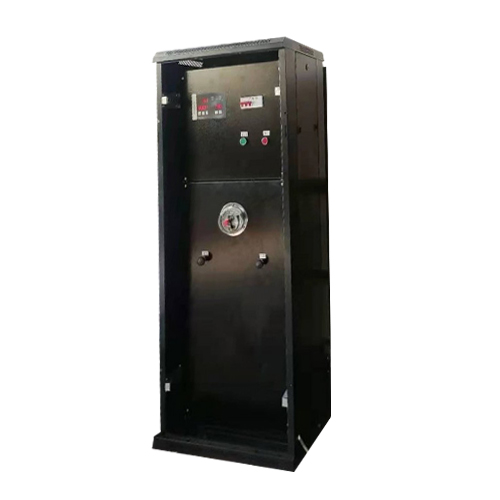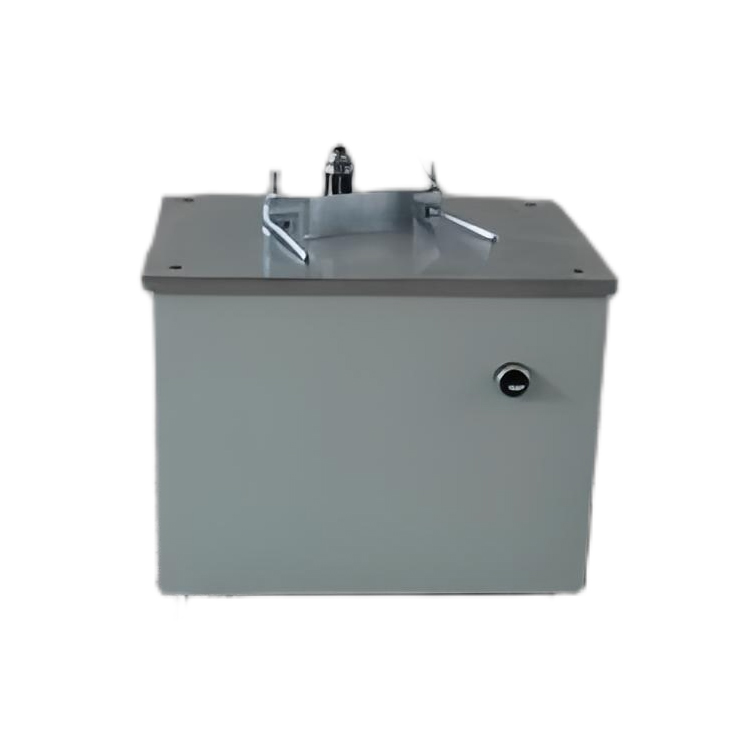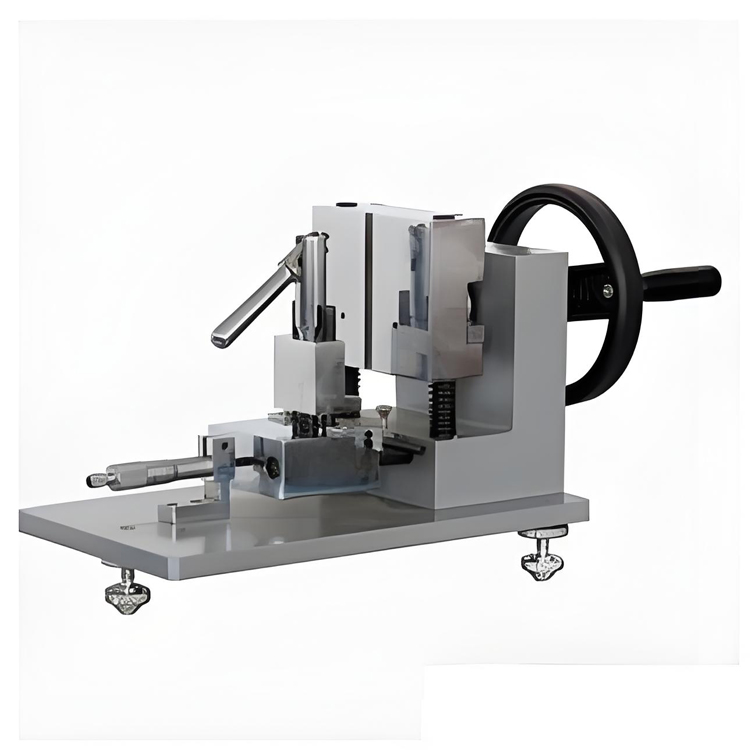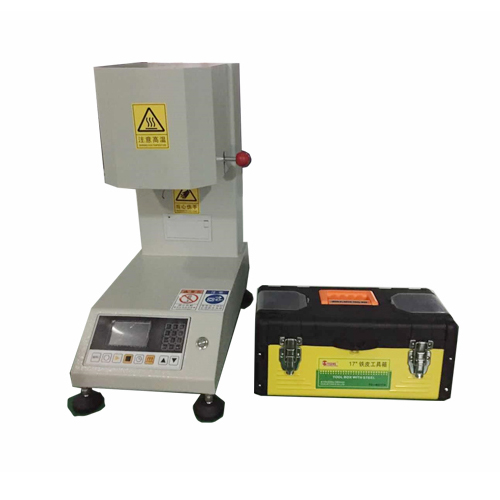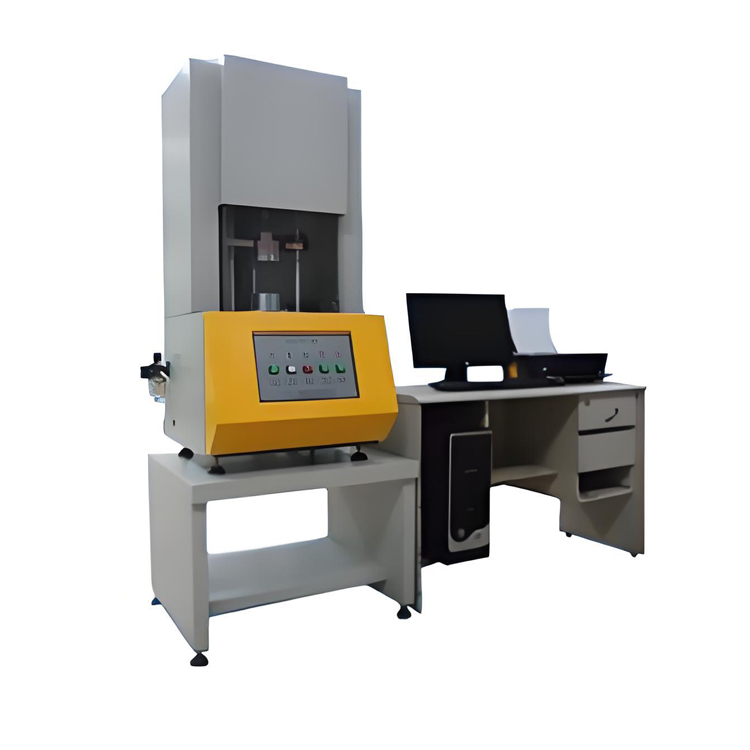


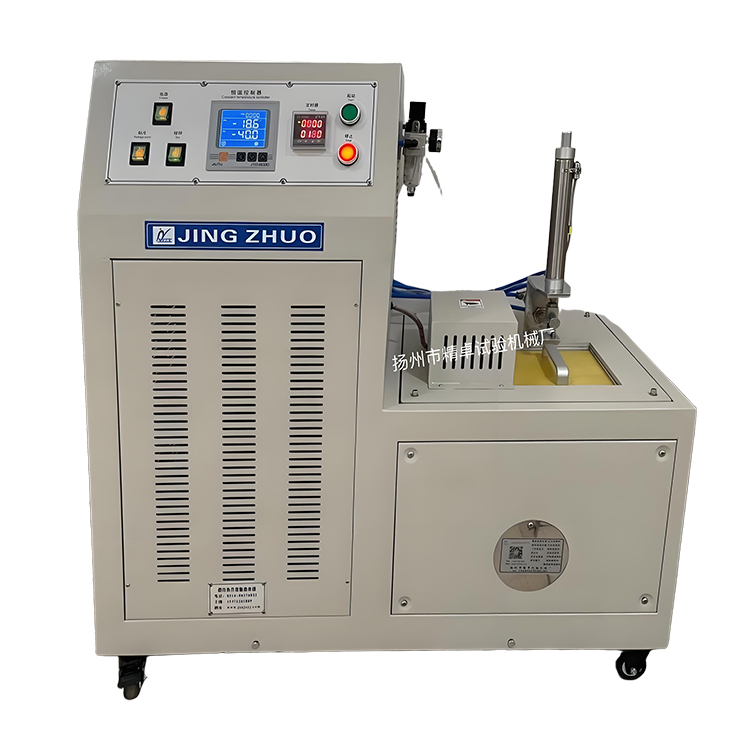


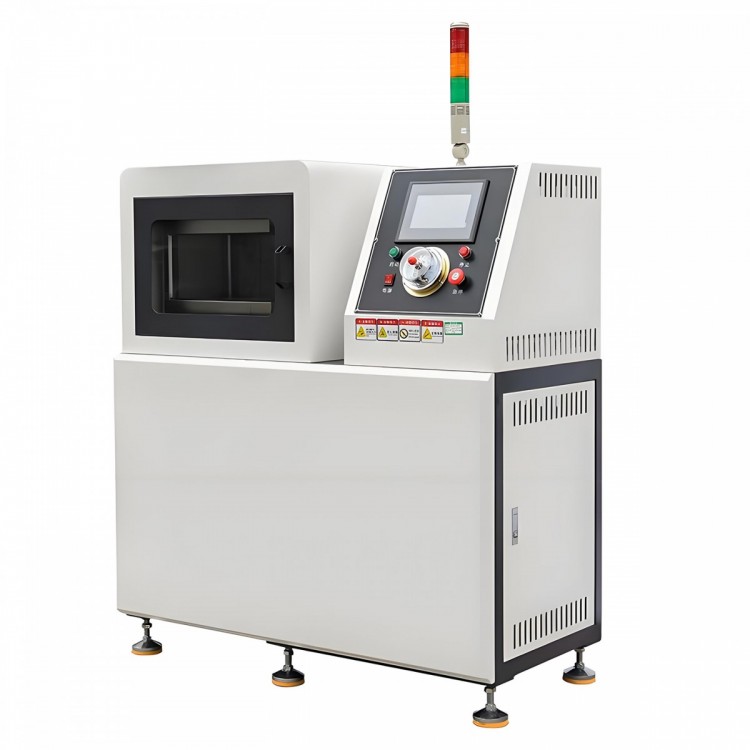
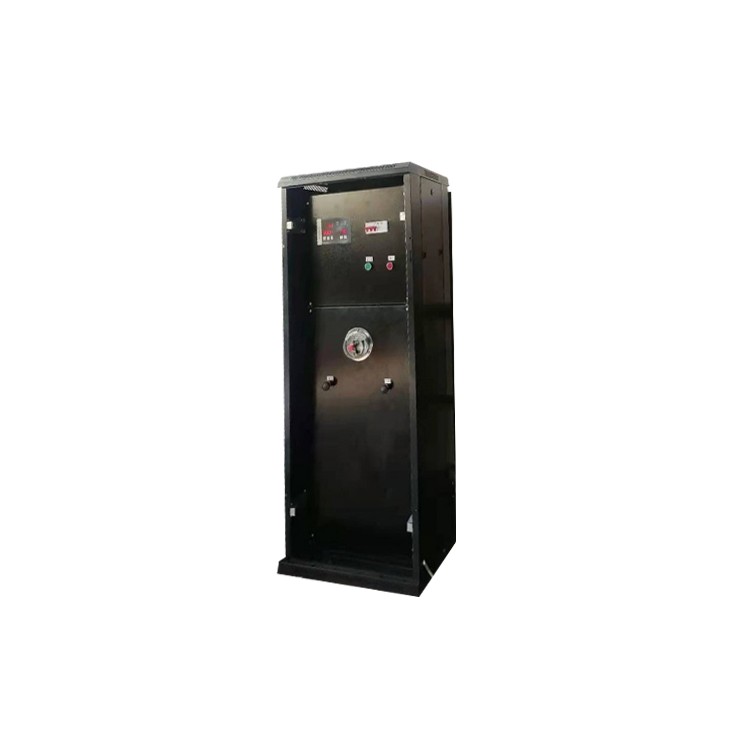
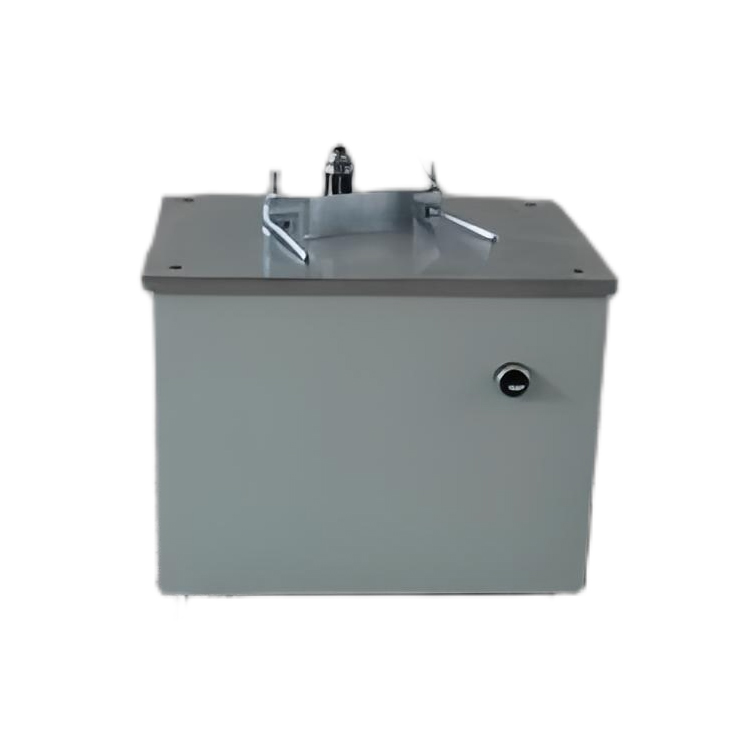
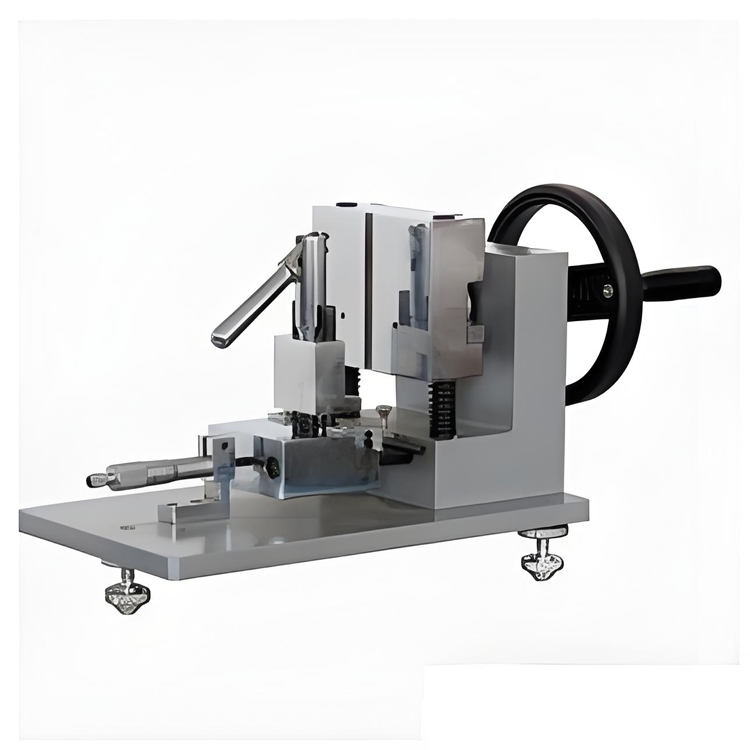





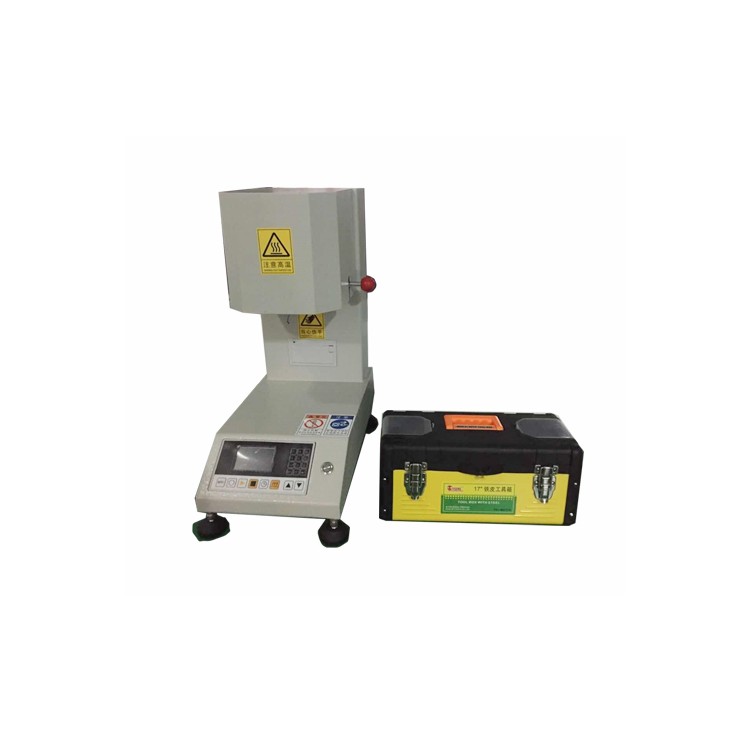
JZ-6043 Type Low Temperature Brittle Test Machine
One,Low-Temperature Brittleness TesterThe main testing standards are GB/T15256 and GB/T1682. Let's first introduce the GB/T15256 standard.
Low-Temperature Brittleness TestMachineTest Standard - GB15256 Low-Temperature Cracking Resistance Test for Vulcanized Rubbers (Multi-Sample Method)
The initial determination of low-temperature brittleness using this equipment may not necessarily represent the temperature range suitable for this material. The brittleness temperature (multi-sample method) can vary with contact conditions, especially with changes in impact velocity. Therefore, data obtained from this method can only be used to measure the properties of vulcanized rubber at low temperatures when the deformation conditions are similar to those specified in this test.
The Rubber Low Temperature Brittleness Tester conforms to GB/T 15256-94 "Determination of Low Temperature Brittleness of Vulcanized Rubber (Multiple Sample Method)" as well as JIS K6261, K7216, ASTM-D746, and ISO-974 for measuring the brittleness temperature of vulcanized rubber at low temperatures.
Two、Low-Temperature Brittle Fracture TestMachineTechnical Specifications:
Test Temperature: -70℃ to 0℃
2. Impulse Speed: 2m/s ±0.2m/s
3. After stabilization, the temperature fluctuation within the 3-minute test period: <±0.5℃
4. Impact Head Radius: R1.5 ± 0.1mm (single sample method), R1.6 ± 0.1mm (multiple sample method)
5. Distance from the center of the impactor to the bottom of the chuck: 11±0.5mm (Single Sample Method), 8±0.3mm (Multiple Sample Method)
6. Impactor Weight: (200 ± 20) g
7. Impactor stroke: (40 ± 1) mm
8. The distance from the end of the impactor to the sample is (25±1) mm.
9. Impact Spring: Free State: Diameter 19mm, Length 85-90mm; Compressed State: Length (40±1)mm, Load 108N-118N
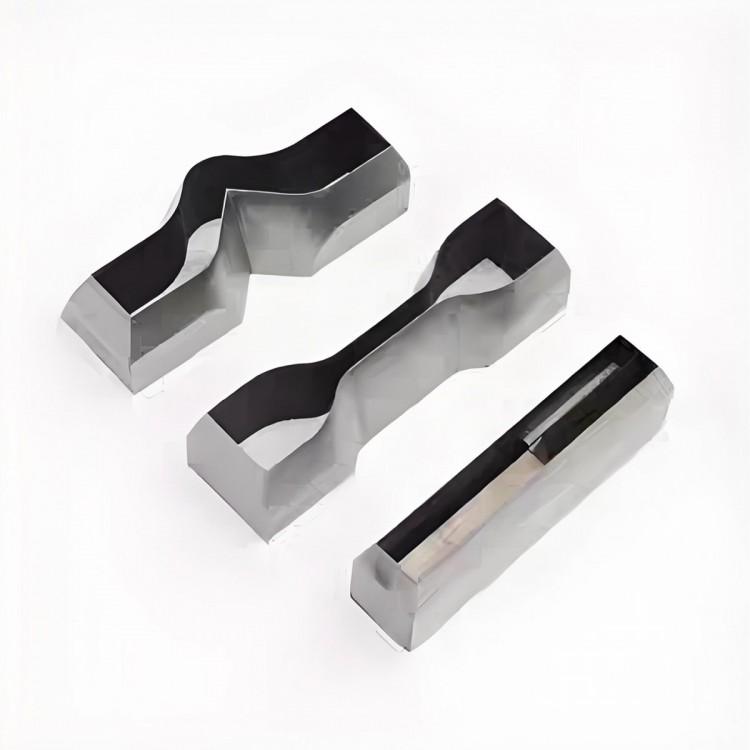
10. Sample Size: Length: 25.0±0.5mm, Width: 6.0±0.5mm, Thickness: 2.0±0.3mm
11. Dimensions: 720×700×1380
12. Power: 1100W
13. Cold Well Volume: 7000ml
Section 3:Low-Temperature Brittleness TestMachineInstructions for Use
3.1 Power on, the temperature controller and timer indicator lights illuminate.
3.2 Inject the refrigerant (usually industrial ethanol) into the cold well, ensuring the distance from the bottom of the holder to the liquid surface is 75±10mm.
3.3 Place the sample vertically in the holder. Avoid clamping too tightly or too loosely to prevent deformation or detachment of the sample.
3.4 Press the clamp to start freezing the sample, and simultaneously activate the timing control switch (or press the stopwatch) to start timing. The freezing time for the sample is specified as 3.0 ± 0.5 minutes. During the freezing period, the temperature fluctuation of the freezing medium must not exceed ±1℃.
3.5 Lift the lifting clamp, causing the impactor to strike the specimen within half a second.
3.6 Remove the sample, bend it 180° along the impact direction, and carefully inspect for any damage.
3.7 After impact testing (each specimen is allowed only one impact), if damage occurs, increase the temperature of the refrigerant. Otherwise, lower its temperature and continue the test.
After repeated testing, at least two samples are determined to have a non-destructive temperature and at least one sample to have a destructive temperature. If the difference between these two results is no more than 1°C, the test is concluded.
Four,Low-Temperature Brittle Fracture TestMachineTest Standards
4.1 Specifications
Sample dimensions: length 25.0±0.5mm, width 6.0±0.5mm, thickness 2.0±0.3mm.
4.2 Requirements
The sample surface should be smooth, free of foreign impurities and damage. The finished product should be ground and cut to the corresponding size.
Five.Low-Temperature Brittle Fracture TesterCautionary Notes
5.1 Do not interrupt the cooling cycle during the test process, otherwise it will result in a non-cooling effect.
5.2 Ensure the refrigerant is fully charged before starting the compression refrigeration.
5.3 The compressor must be off for at least 0.5 hours before it can be restarted, otherwise it may be damaged.
Section 6: Low Temperature Brittleness TesterUsed for inspecting the plastic shells of wires and the brittleness characteristics of sulfur rubber at low temperatures. The specimen fixed to the test device is immersed in the low-temperature medium for 5 minutes, then struck by a hammer with a dry speed of 2 ± 0.2 m/s. Check for cracks, fissures, small holes, and whether the specimen completely breaks into fragments at the temperature. A two-stage compressor is used for rapid cooling, with temperatures reaching -70°C (-120°C with liquid nitrogen added to the auxiliary heat exchanger interface). High temperature controllability, the liquid heat transfer medium in the low-temperature tank can be equipped with a stirrer motor for better temperature uniformity. Up to 4 sets of specimens can be tested at a time, with an automatic rotating positioning fixture striking each set of specimens to check for brittle failure temperatures.
ASTM-D746 Low-Temperature Cracking Resistance Tester, Applicable Standard:
JIS K6261 ISO 812 (Test Methods for Vulcanized Rubber - Low-Temperature Cracking Impact Test)
GB/T 5470-2008 Plastic Low Temperature Impact Test
Determination of Low Temperature Brittleness of Vulcanized Rubber (Multi-Sample Method) - GB/T 15256-94
JIS K7216 (Test Method for Low Temperature Brittle Fracture of Plastics)
JIS K6261、K7216、ASTM-D746、ISO-974
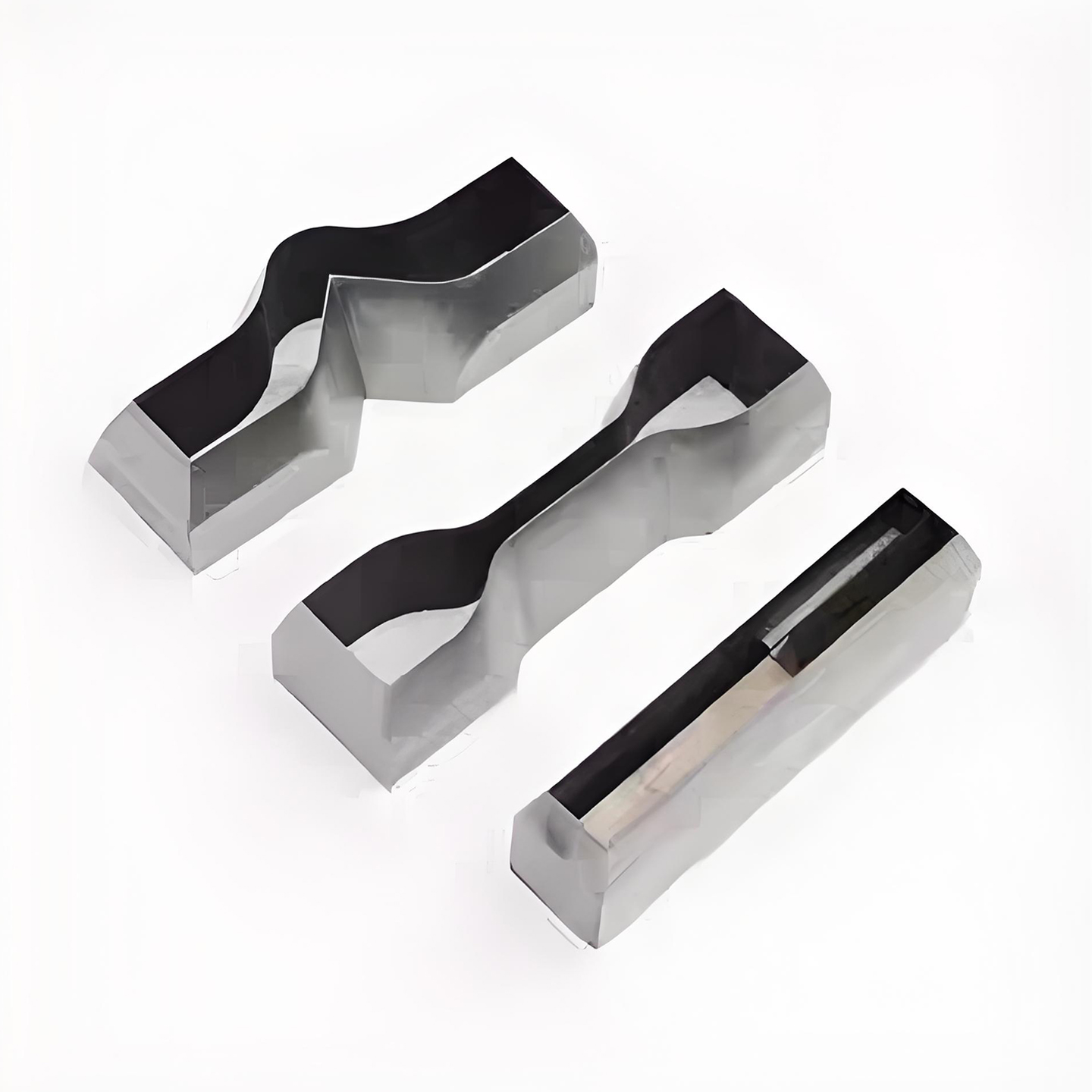
Sample size and shape
In accordance with JIS K6261 ISO 812 (Test Methods for Vulcanized Rubber—Low-Temperature Cracking Impact Test)
JIS K7216 (Method of Test for Low Temperature Brittle Fracture of Plastics)
JIS K6261, K7216, ASTM-D746, ISO-974 specifications