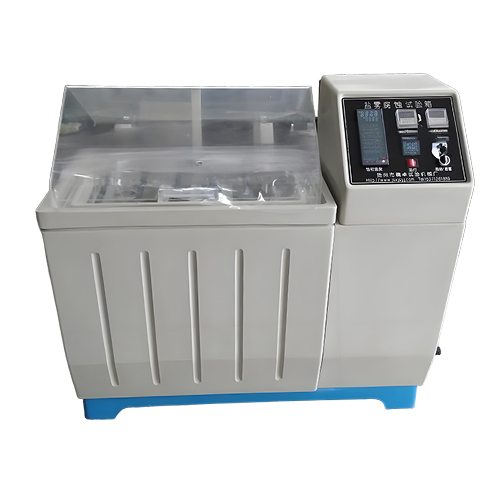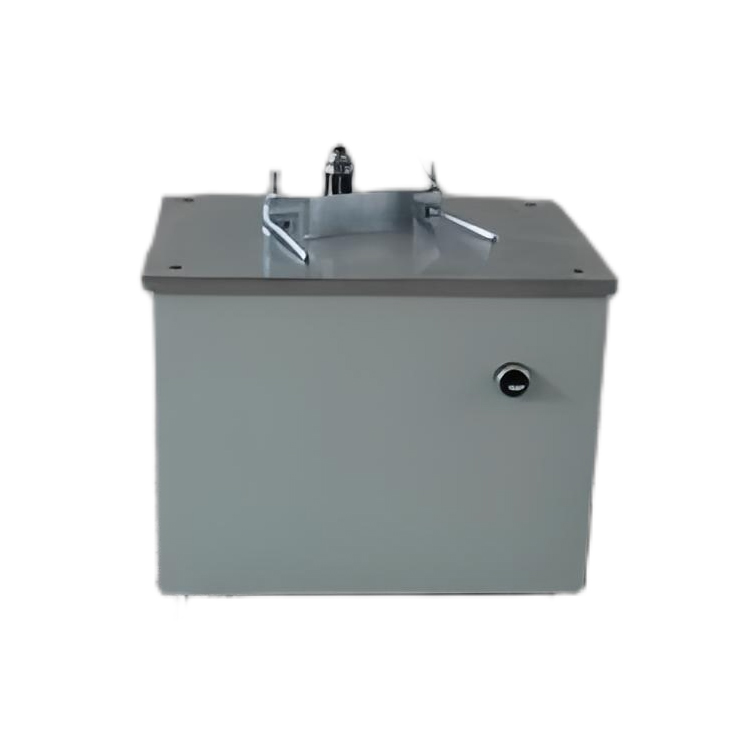

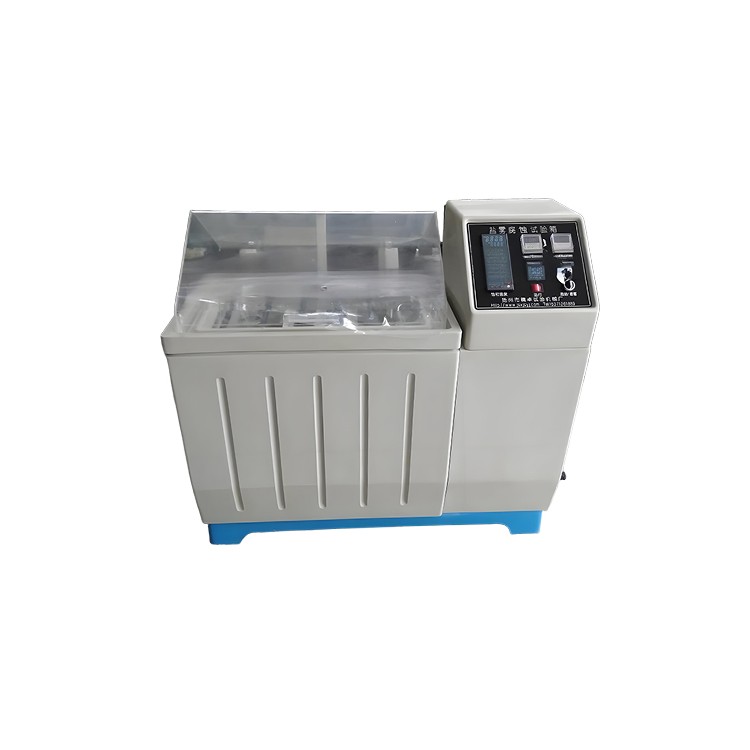

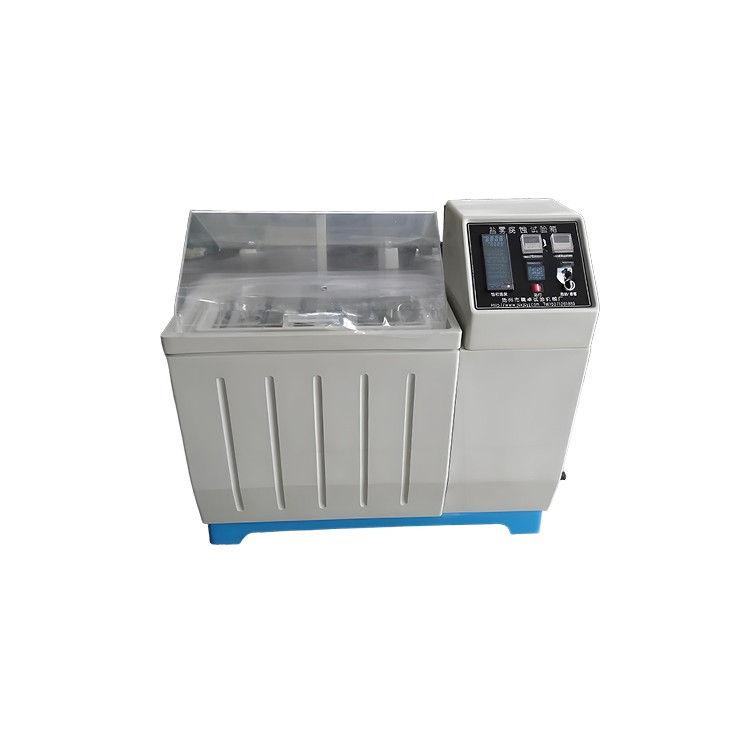


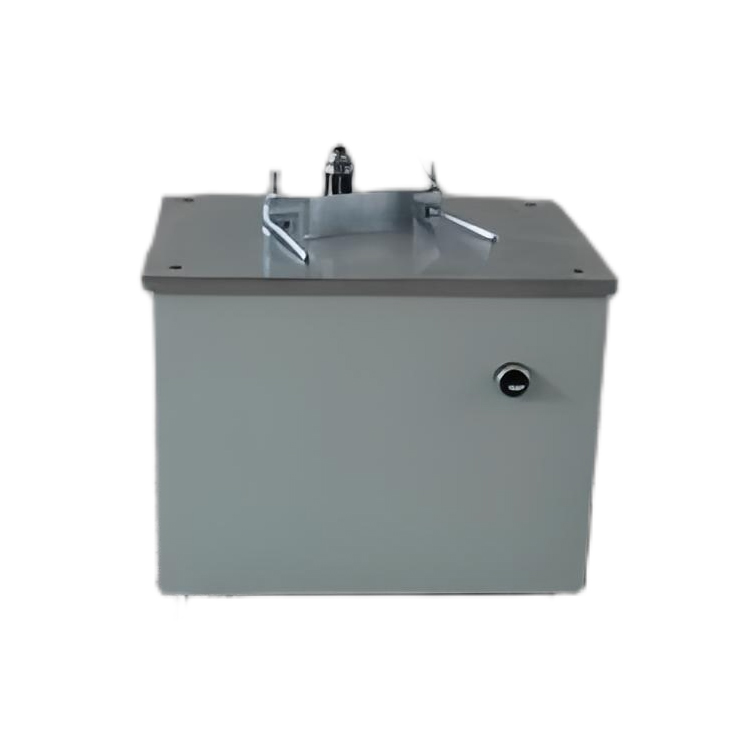





JZ-YW Salt Spray Test Chamber
I. The Application of Salt Spray Test Chamber:
This equipment is primarily designed for electrical engineers, electronic products, their components, and various metals along with their protective coatings, to ensure their suitability for use or storage in a salty, humid environment. It can conduct corrosion tests, assess the degradation of non-metallic materials due to salt spray exposure, and evaluate the performance changes of components and equipment under such conditions. The testing equipment is mainly used to simulate environmental conditions, such as marine climate (salt spray), for products in accordance with national standards or customer-defined requirements. After testing, it detects the product's performance to determine if it still meets the predetermined specifications, facilitating product design, improvement, certification, and factory inspection.
II. Structural Features of the Salt Spray Test Chamber:
The equipment features an overall glass fiber reinforced plastic molding for its shell and inner lining. It employs highly corrosion-resistant titanium heating tubes for internal heating, offering excellent heating performance and long service life. The main control instrument uses an intelligent digital temperature controller with PID self-regulating control, ensuring high control accuracy and easy operation. The salt spray test chamber's air pressure is achieved through two-stage intake pressure reduction, ensuring stable spray pressure. A transparent glass observation window, combined with a defogging device, facilitates clear observation during the testing process. The spray tower's conical disperser at the top guides and adjusts the uniformity of salt spray and its sedimentation. It is equipped with comprehensive protection functions (such as water shortage, over-temperature, and over-flow) and features audio signals, alarms, and shutdown functions. The compressed air used for spraying is saturated treated to ensure stable testing environmental conditions and effectively prevent nozzle clogging. It is also equipped with a device operation time controller that automatically shuts down after the cumulative running time is completed.
Section 3: The equipment is manufactured in accordance with one or a combination of the following standards:
GB/T 2423.17-93 Basic Environmental Test Procedures for Electrical and Electronic Products - Test Ka: Salt Spray Test Method
GB/T 10593.2-1990 Environmental Test Methods for Electrical and Electronic Products - Salt Spray
GB/T1771-1991 Determination of Salt Spray Resistance of Paints and Varnishes
GB/T 10125-1997 Artificial Atmosphere Corrosion Test Salt Spray Test
GB 10587-89 Technical Conditions for Salt Spray Test Chambers
GJB 4.11-1983 Environmental Test Conditions and Methods for Shipboard Electronic Equipment Salt雾(Ka)
SC/T 7002.6-1992 Environmental Test Conditions and Methods for Marine Electronic Equipment - Salt Spray (Ka)
SC/T 7002.7-1992 Environmental Test Conditions and Methods for Marine Electronic Equipment - Alternating Salt Spray (Kb)
GJB150.11-1986 Method of Equipment Environmental Testing - Salt Spray Test
GJB 715.1-1989 Test Methods for Fasteners - Salt Spray
QJ2027-1990 Salt雾 Resistance Test Method for Metal Coatings
IV. Main Technical Specifications of the Salt Spray Test Chamber:
Temperature Range: (RT+10) ~ 55℃ ±2℃
Available for installation of programmable logic controllers (PLC) as per customer requirements.
2. Temperature Fluctuation: ±0.5℃
3. Spray: Continuous/Periodic (Adjustable)
4. Salt雾 deposition rate: 1~2ml/80cm²/h
5. Salt Spray Cycle: 1m to 999.9h
6. Sample trial installation angle
7. Auto-defogging feature
V. Salt Spray Test Chamber Safety Protection Devices:
1. Power overload, control circuit overload, short circuit protection
2. Grounding Protection, Motor Overload Protection
3. Over-temperature Protection
4. Overvoltage and Overload Protection
5. To protect the equipment, all alarms will automatically shut off the power and emit an audio alert.
Section 6: Field Conditions for the Use of Salt Spray Test Chambers:
Temperature: 15℃~35℃
2. Relative Humidity: Not more than 85%RH
3. No intense vibration or strong electromagnetic field interference in the vicinity.
4. No high concentration of dust or corrosive substances in the vicinity
5. No direct sunlight or other direct heat radiation
6. No strong air currents should be present around, and when forced air is required, it should not be directed directly onto the box.
7. The test box should be placed flat and kept level.
8. Sufficient space around the test box should be maintained for convenient maintenance operations.
9. The installation site has good ventilation
10. Good grounding
Section 7: Salt雾 Test Chamber Services
1. Provide technical documents such as the electrical schematics, detailed list of consumables, operation and maintenance manual for the equipment, as well as technical information for the main externally sourced components.
2. Train equipment operators and maintenance staff to master operational skills and general maintenance and upkeep techniques.
3. Provide free after-sales service to the buyer within 1 year from the date of equipment acceptance.
4. Free support for related software and technology upgrades is provided during the warranty period. Post-warranty, paid services are offered.
Section 8: Model and Specifications of Salt Spray Test Chamber
Model and Specifications
Working Dimensions (mm)
JZ--150
500×630×450
JZ--250
550×900×600
JZ--750
750×1100×600
JZ--010
1000×1300×600
JZ--016
1000×1600×720
JZ--020
1000×2000×900
Jingzhuo Test Machinery produces vulcanometers, rubber non-rotating vulcanometers, rubber low-temperature brittleness testers, Mooney viscometers. Rubber testing equipment, rubber non-rotating vulcanometers.