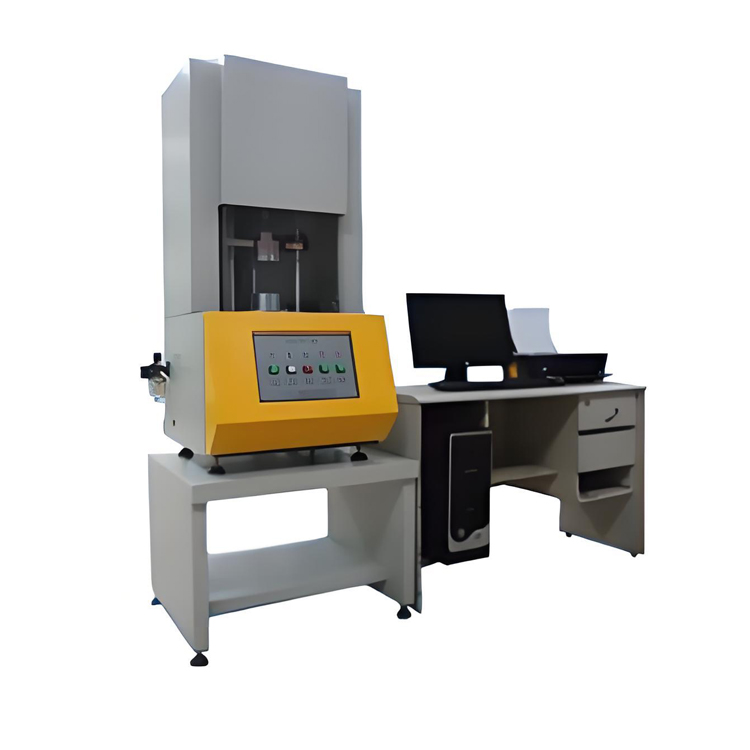

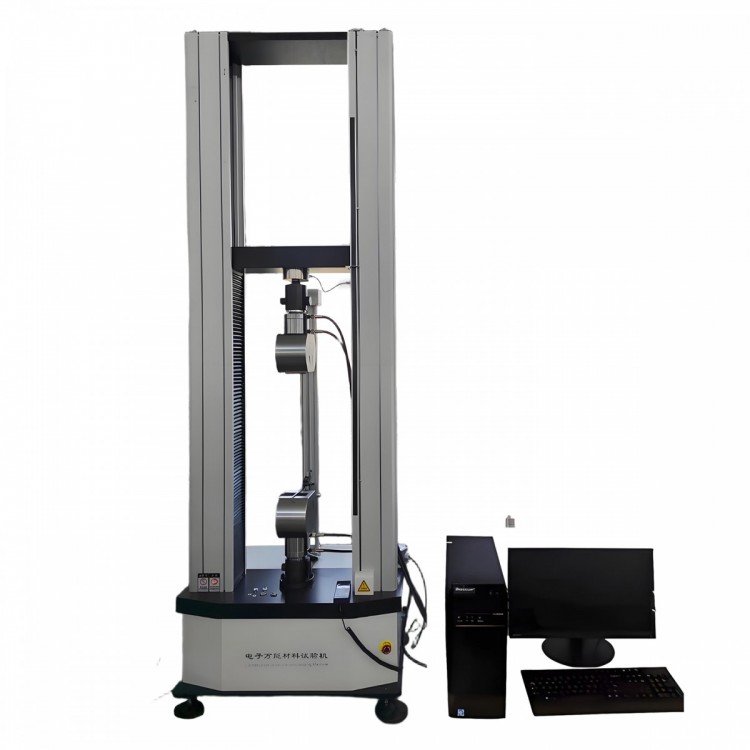








JZL-BType Rubber WaterstopTensile Tester
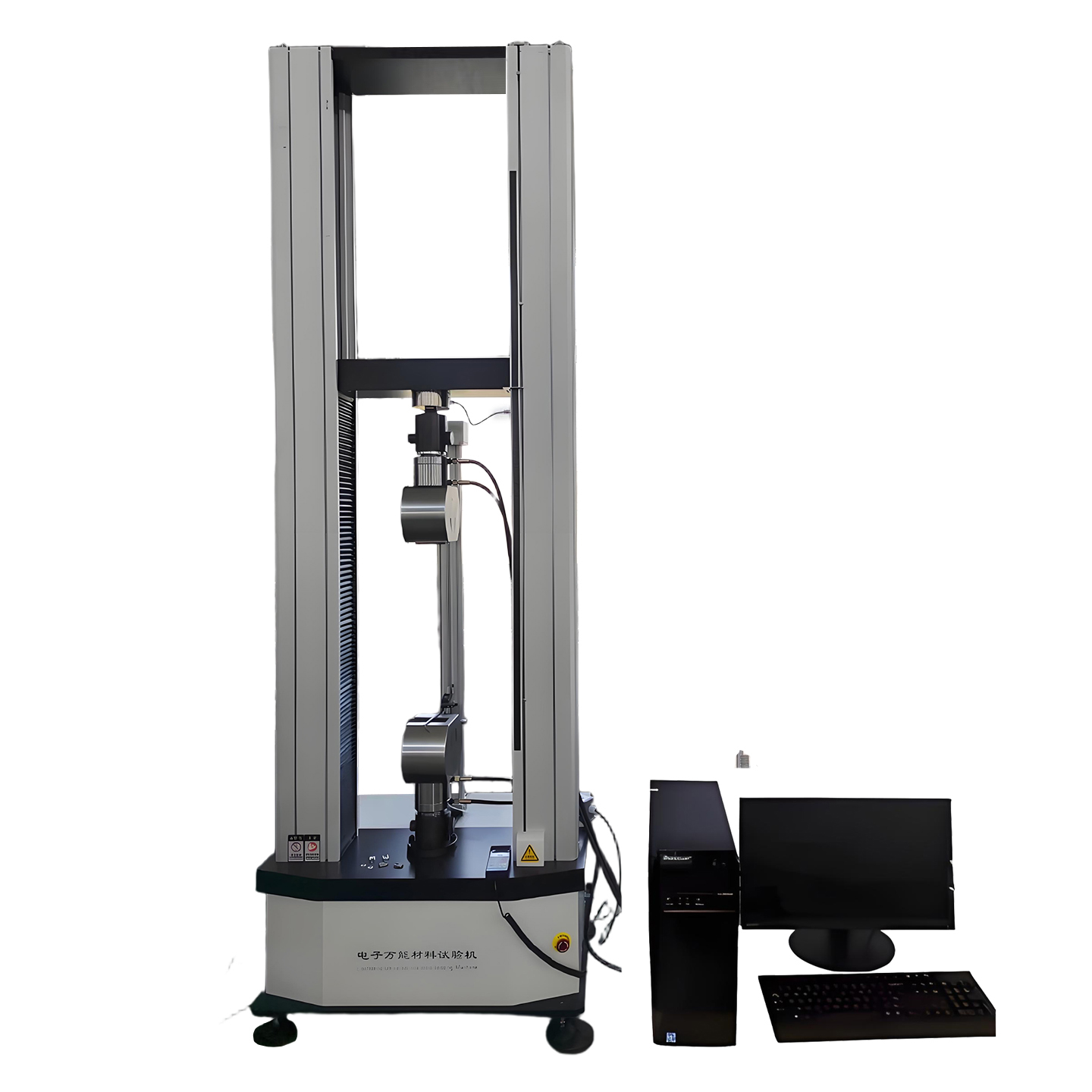
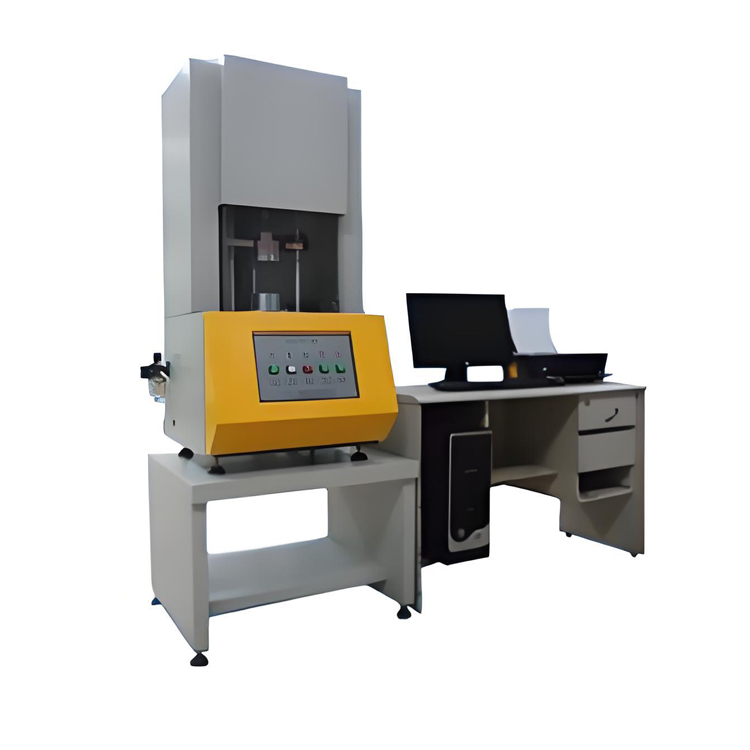
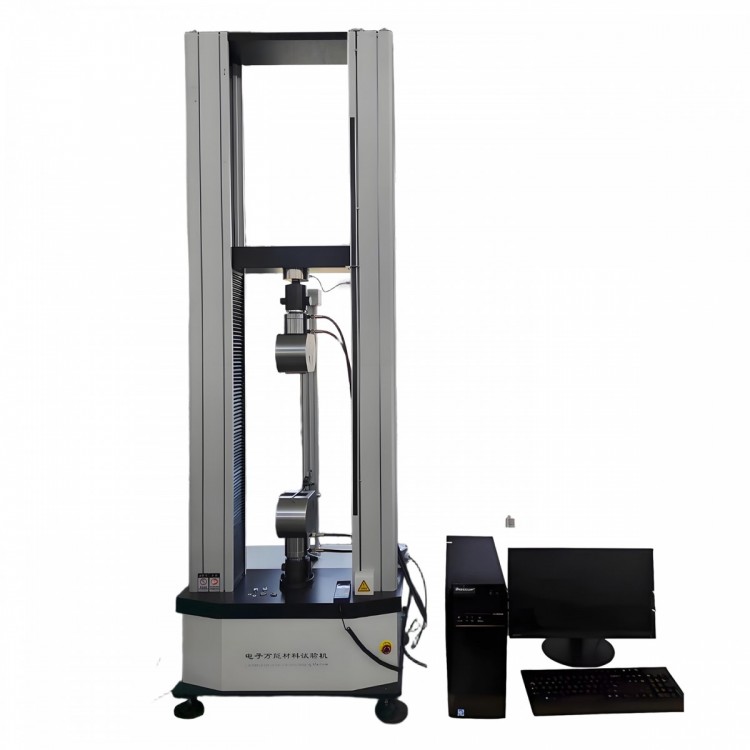
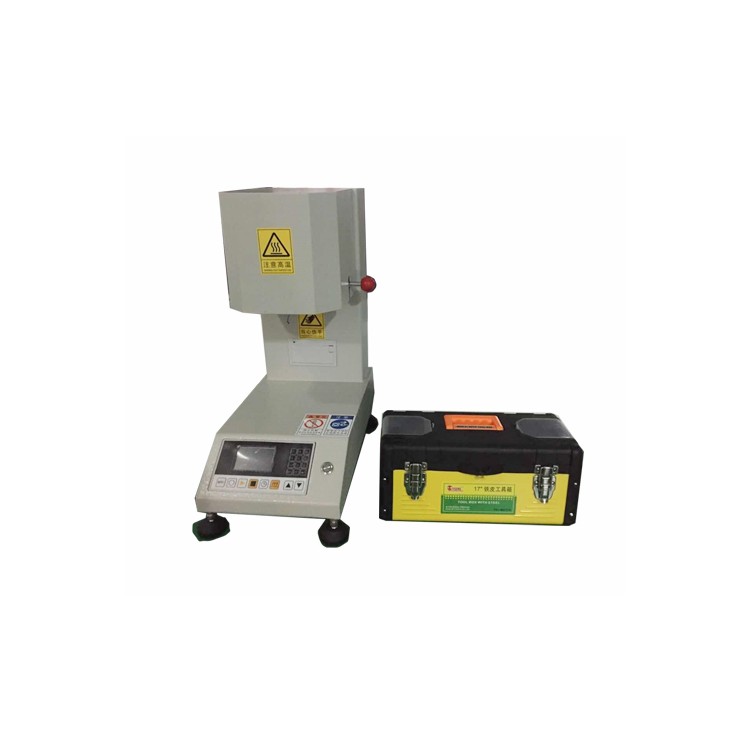
JZL-BType rubber waterstopTensile TesterSuitable for determining the tensile, tear, and peel mechanical properties of materials; when using a reverser, compression tests on the material can be conducted.
This machine is a new type of economic material testing machine with variable speed control, equipped with a force sensor and an automatic elongation tracking device. During the testing process, the microcomputer continuously collects signals from the force sensor and the automatic elongation tracking device, and performs formatted data processing according to the test requirements. Its features include simplicity of use, stable performance, high technology and automation levels, and high testing accuracy.
One,JZL-BType rubber waterstopTensile testerKey Technical Specifications
1.1 Measuring Range: 10N, 20N, 30N, 50N, 100N, 200N, 300N, 500N, 1KN, 2KN, 3KN, 5KN. The machine's range does not exceed 5000N.
1.2 Force Accuracy: ±0.5% of indication.
1.3 Test Speed: 10mm/min ~ 500mm/min
1.4 Effective Stretch Distance: 900mm (without Fixture) (Standard Specification)
1.5mm displacement measurement accuracy: ±0.5% of indication.
1.6 Power Supply: AC 220V ±5%, 50Hz
Machine dimensions: approximately 640×720×2000 mm (L×W×H).
Machine Weight: Approximately 280 kg.
Two,JZL-BType rubber waterstopTensile Testing MachineApplication Environment and Operating Conditions
2.1 Temperature range: 0~40℃
2.2 Relative humidity below 80%;
2.3 Has an independent grounding wire.
2.4 In a non-impact and non-vibration environment.
2.5 In environments with no detectable electromagnetic field;
2.6 The testing machine should have at least 0.7m of space around it, with a clean, dust-free working environment.
2.7 The base and frame levelness does not exceed 0.2/1000.
Three.JZL-BType rubber water stopTensile Testing MachineSystem Composition and Working Principle, Testable Items
3.1 The system consists of three parts: the main unit, the electrical control system, and the digital control system.
3.2 Working Principle
3.2.1 Principles of Mechanical Transmission
3.4 Standard Test Items: (Standard Display Values and Calculated Values)
● Tensile Stress ● Tensile Strength
● Tenacity Strength ● Elongation at Break
● Determinate Tensile Stress
● Tensile Strain at Determinate Stress
● Tensile Stress Value ● Tear Strength
● Any Point Force Value ● Any Point Elongation Rate
● Extracting Force ● Adhesion and Peak Value Calculation
The Jiangdu Jingzhuo tensile machine main unit consists of a motor and controller, ball screw, guide column, moving beam, and limit devices. The mechanical transmission sequence is as follows:
Motor - Synchronous Belt Wheel - Screw - Test Bench
4.2.2 Force Measurement System: A tensile sensor is mounted on the moving beam of the main unit, with its lower end connected to the upper clamp. During the test, the force applied to the specimen is converted into an electrical signal by the force sensor and input into the microcomputer acquisition and control system.
4.2.3 Automatic Extension Tracking Device: This device is used for measuring specimen deformation, consisting of two low-friction tracking clamps that hold the specimen. As the specimen is stretched and deforms, the distance between the tracking clamps also increases correspondingly. The tracking clamps convert linear motion to rotational motion via a rope and pulley, and the displacement is then transformed into an electrical signal input into the microcomputer acquisition and control system.
4.3 Limiting Protection Device and Clamp
4.3.1 Limiting Protection Device
The limit protection device is an essential component of this machine. The main unit is equipped with a fixed limit rod, which is fitted with two adjustable shims that can be adjusted up and down. During the test process, when the stopper and the shim touch, it will drive the limit rod to move, thus activating the limit device.
Cut off the passage in this direction, the main engine will stop. At this point, running in the opposite direction will allow the test machine to operate normally. By adjusting the position of the stopper ring on the limit rod, the travel of the moving beam can be limited, providing greater convenience and a safe and reliable protective measure for conducting experiments.
4.3.2 Fixture
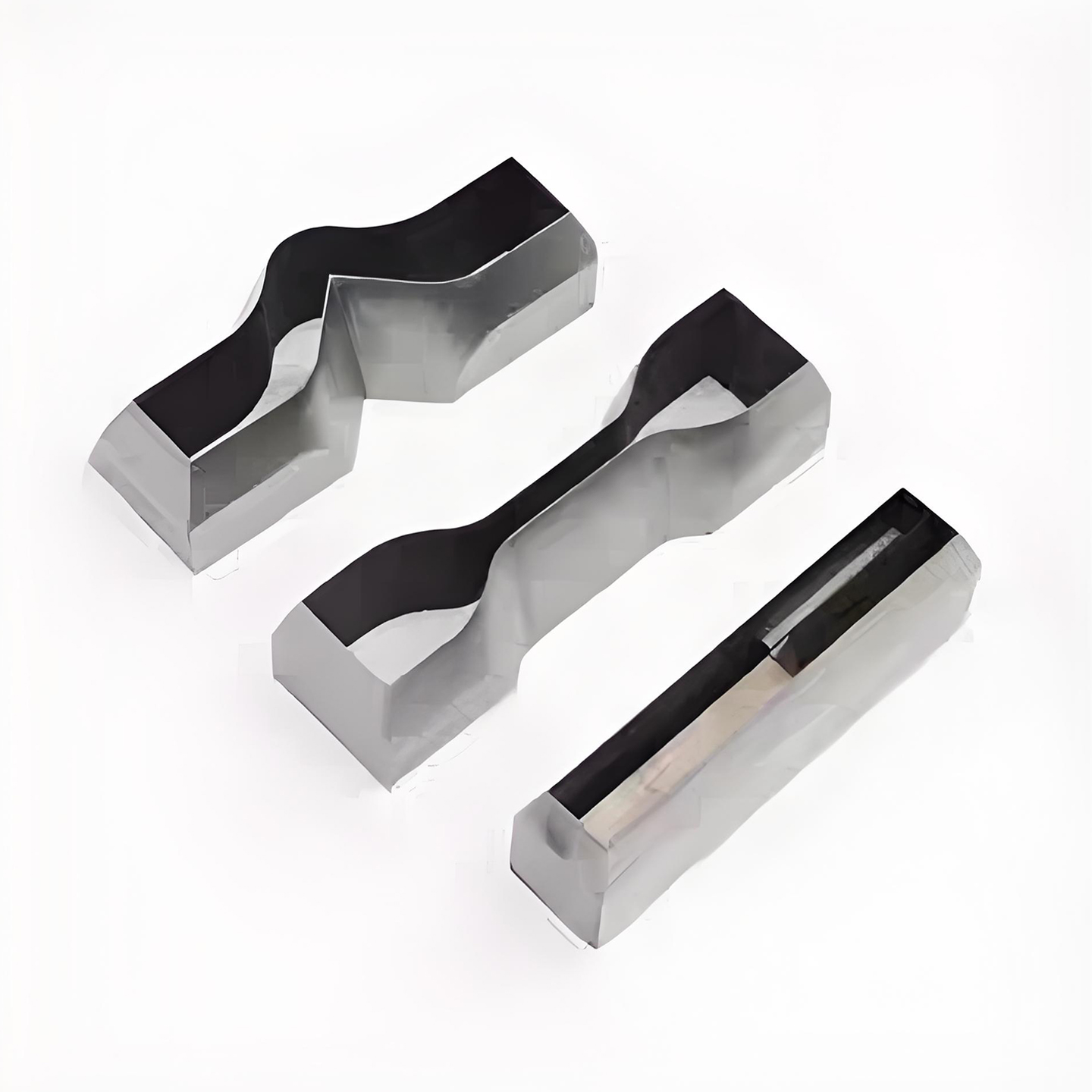
Our company offers a variety of universal and fixture holders for specimen clamping, such as wedge-type jaw fixtures, wrapped wire material fixtures, film stretching fixtures, and paper stretching fixtures, etc. These can meet the clamping requirements for different material properties tests, including sheets, strips, foils, strips, wires, fibers, plates, bars, blocks, ropes, fabrics, and meshes of metals and non-metals. Configurations are available based on customer requirements.
5、JZL-BType rubber waterstopTensile Testing MachineInstallation and commissioning
5.1 Mechanical Installation
Position the main unit vertically at the designated location, adjust the lower foot bolts of the main unit, and use a level to check the worktable's levelness (longitudinal and lateral levelness of 0.2/1000).
5.2 Electrical Installation
5.2.1 Plug the force sensor connector into the force sensor interface and the displacement sensor connector into the displacement sensor interface.
5.2.2 After completing the aforementioned work, the system can be powered on. There is a boat-shaped switch on the back panel of the microcomputer acquisition system. Place the switch in the 'on' position to connect the power supply.
5.2.3 Power on the main unit, rotate to toggle the power switch.
5.2.4 The microcomputer system must be preheated for 20 minutes after power-on before it can operate normally.
6、JZL-BType rubber water stop beltTensile testerInstrument Usage and Operation
6.1 First, check and confirm that the connection of the main machine and the microcomputer control system's cables is correct and free of errors.
6.2 To stop the machine or shut down the power, press the "Emergency Stop" button on the main power supply of the rotating pop-up tester. Power on the microcomputer control system.
7. Attachment
7.1 One-year warranty certificate for the tensile testing machine and a Chinese operating manual each.
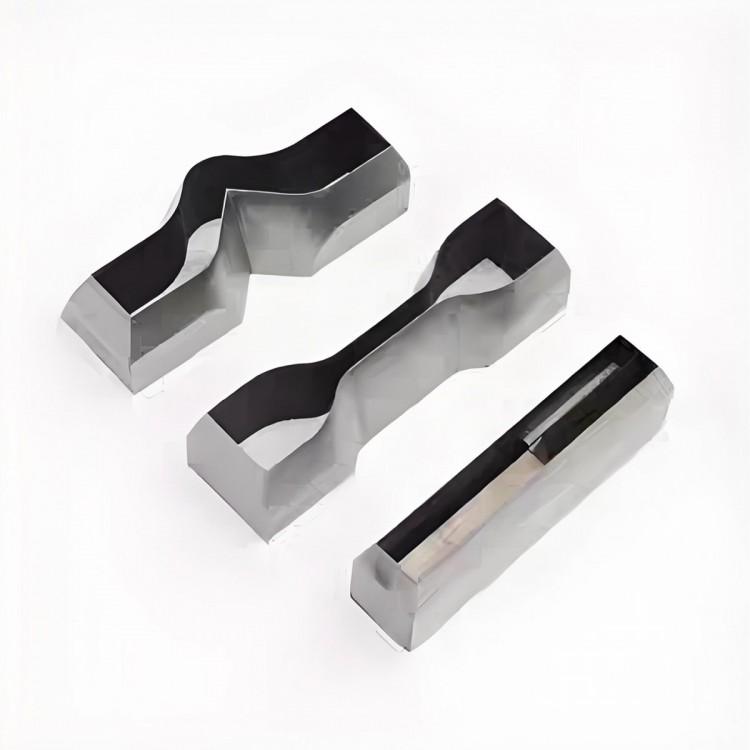
7.2 One set of standard tensile testing machine fixtures will be randomly gifted (other fixtures available for purchase).
7.3 One tension tester testing software.
7.4 A set of brand computers, one color printer
8. Cautionary Notes
8.1 Prior to powering on, check the connections, plugs, sockets, and power plug sockets between the CNC system and the main unit for correctness and tightness. Confirm they are correct before powering on (e.g., a loose ground wire under the power socket of the CNC system controller can cause the main unit to lose control). Always remember the power-on sequence: first, turn on the main power of the test machine, then the CNC system power. When shutting down, turn off the main power of the test machine first, then the CNC system power. Do not remove any plug after powering on.
8.2 It's crucial to check the position of the upper and lower limit positioning bushes; maintain a certain distance between the two clamps to prevent damage to the machine parts due to incorrect operation or loss of control of the main unit, especially the sensors.
During the test process, please do not press any keys on the microcomputer control system.
8.4 Select the fixture based on the specific test conditions to avoid damaging the fixture.
8.5 Sudden power outage occurred, please immediately shut down all power sources and restart them in order after confirming the stability of the power supply. Frequent multiple interruptions in power supply can easily damage the microcomputer control system and motor speed control system.
Do not move away from the machine while the main unit is operating.
8.7 The input elongation speed value must match the actual tensile speed of the testing machine, especially during tearing and peeling tests.
8.8 Do not perform a tensile test if the breaking force value of the unclear sample is not specified, otherwise the sensor may be damaged due to overload.
Nine.JZL-BType rubber waterstopTensile TesterSoftware Testing Instructions
9.1 The test software under Windows XP operating system can achieve control modes such as fixed load, fixed displacement, and fixed time to meet various testing requirements.
9.2 The test software supports random switching among Simplified Chinese, Traditional Chinese, and English languages.
9.3 Units such as force and displacement can be freely switched.
9.4 During the testing process, curves for load-time, load-displacement, displacement-time, stress-strain, and load-2-point elongation can be switched on demand.
9.5 During the testing process, the current values of load and displacement are displayed. The tensile strength, compressive strength, elongation, tear strength, adhesion strength, and bonding strength of the material can be automatically calculated when inputting the area and gauge length data.
9.6 Multiple material tests can be compared through curve overlap, with the display of test result values, minimum values, and average values.
9.7 Test results can be automatically saved and manually saved.
After the 9.8 test, batch and single sample data and graphical reports can be printed.
9.9 Software conveniently allows customers to reserve the option to add special function modules.
Enjoy lifetime service and free upgrades.
10、JZL-BType rubber waterstopTensile testerMaintenance and repair of instruments
10.1 Apply lubricant to sliding components, and rust-prone parts with anti-rust oil. Clean and oil the lead screw and guide column once every three months. When oiling, loosen the top fold of the moving beam, and use grease or hypoid gear oil.
10.2 Prevent high temperatures, excessive humidity, dust, corrosive mediums, and water from侵入the instrument.
10.3 Keep clean and prevent rusting.
10.4 Conduct regular inspections to maintain the integrity of its components.
10.5 Annual periodic calibration once a year.
10.6 Record usage.