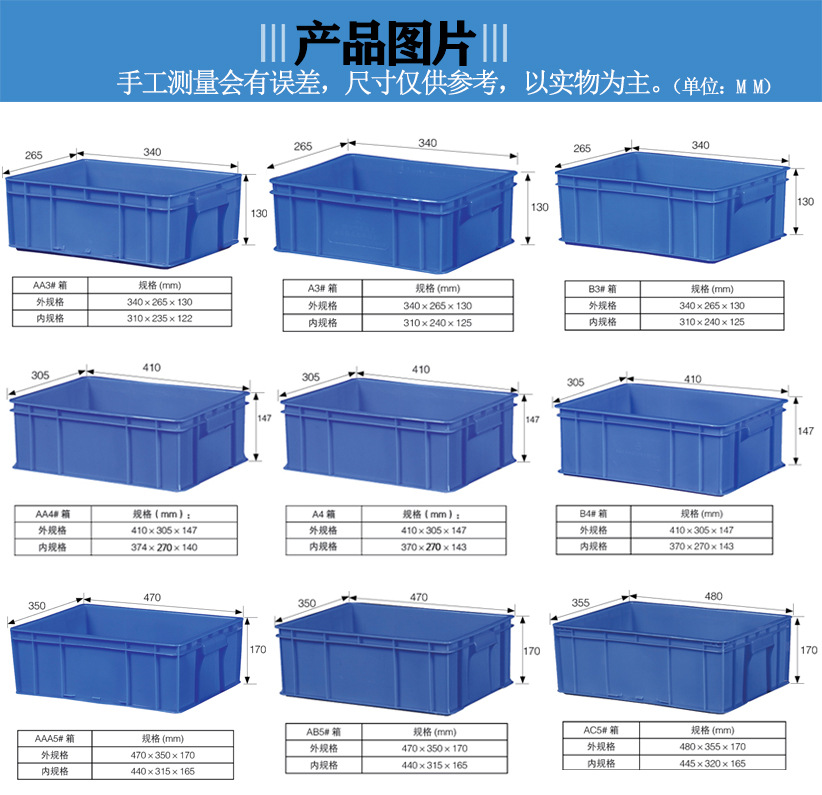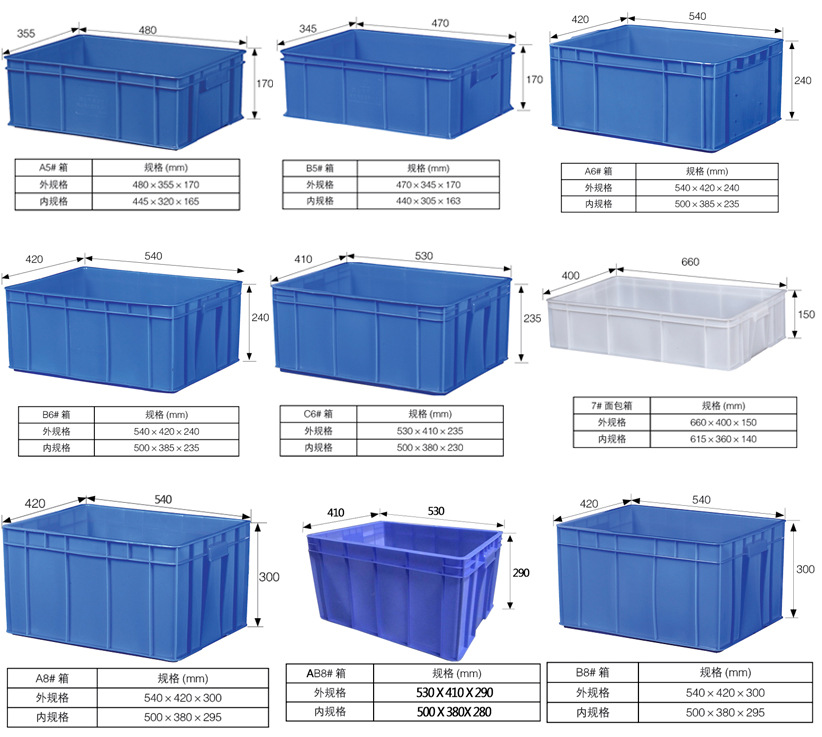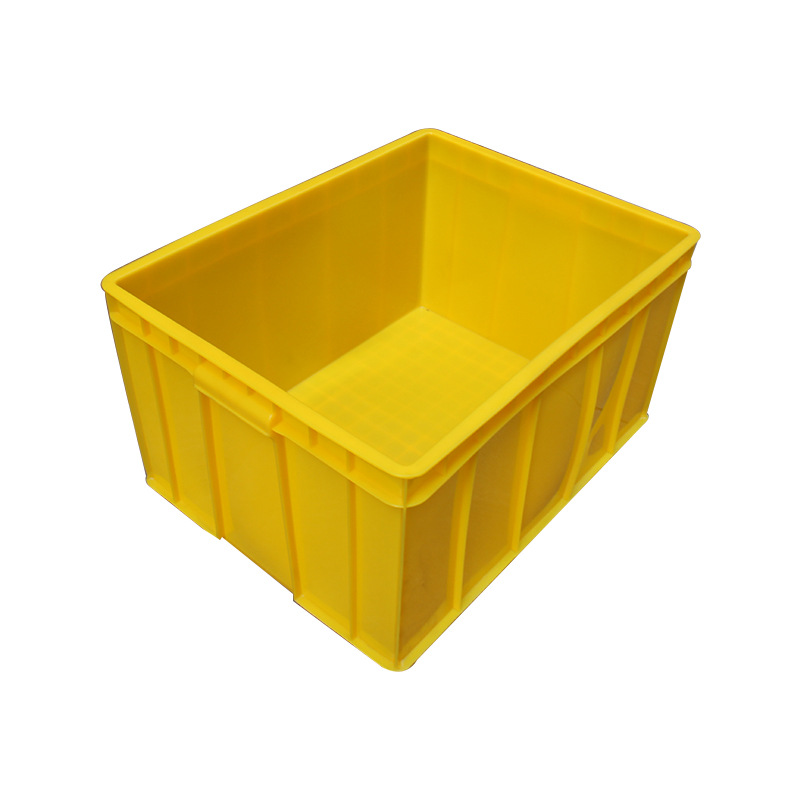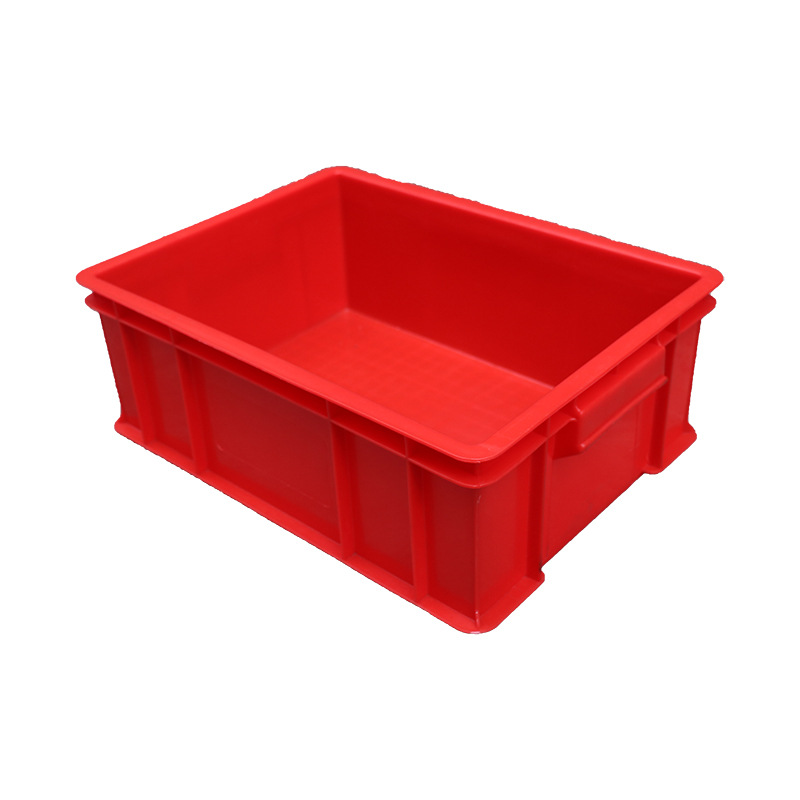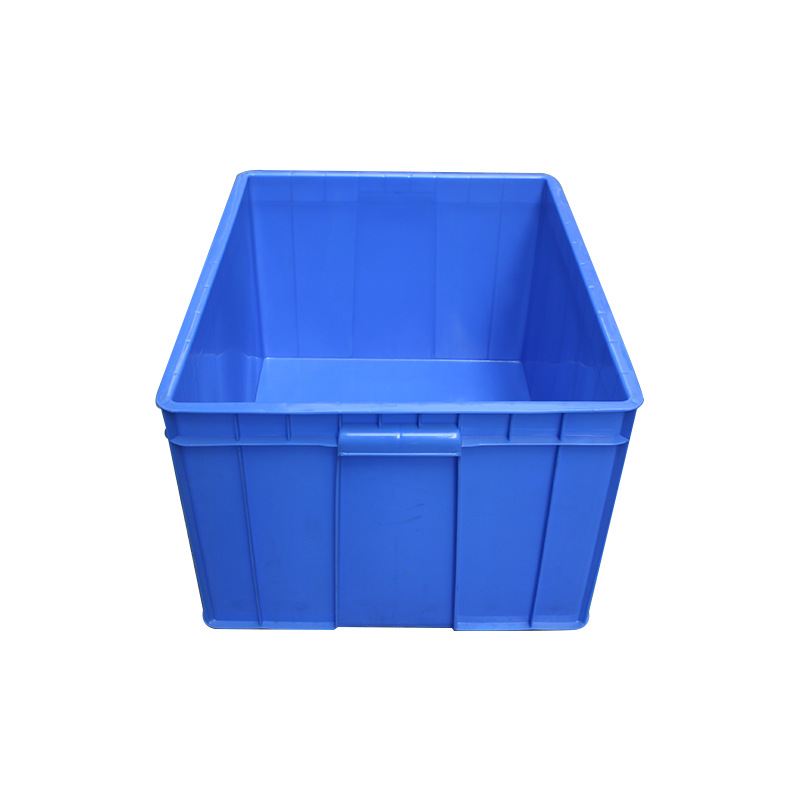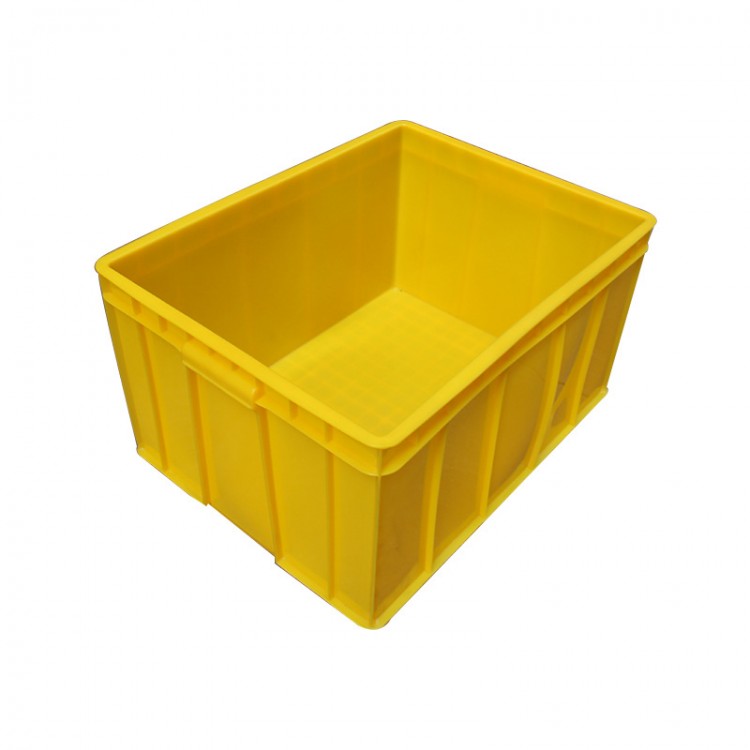

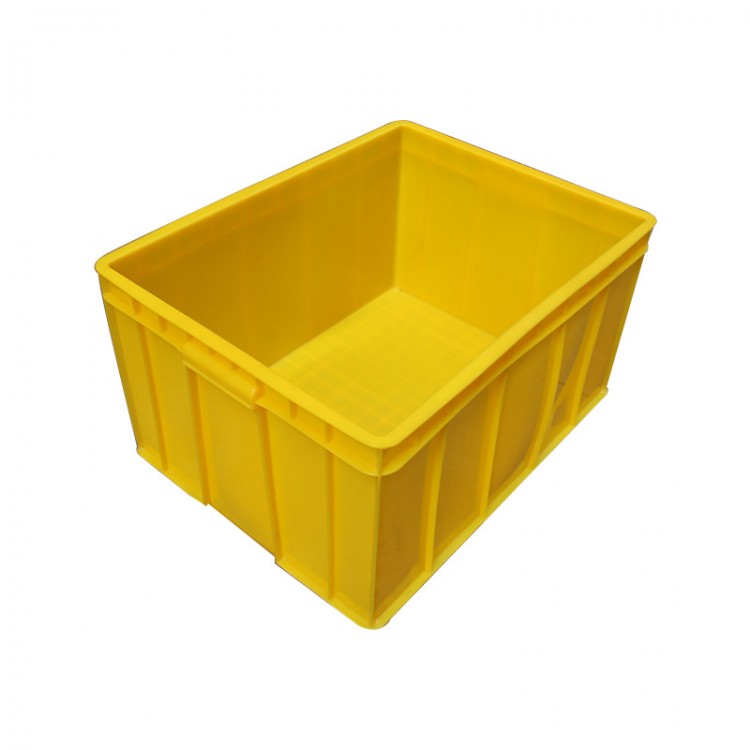







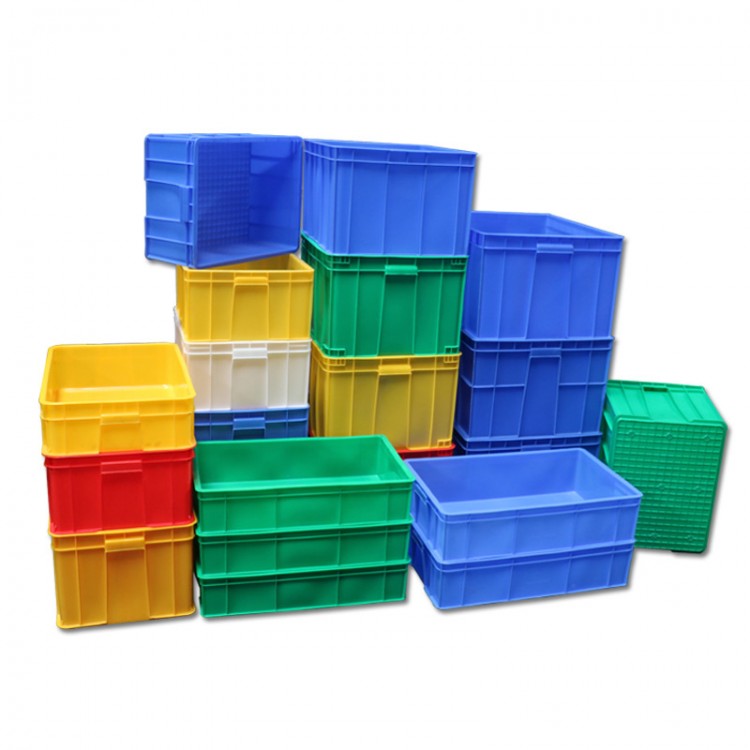
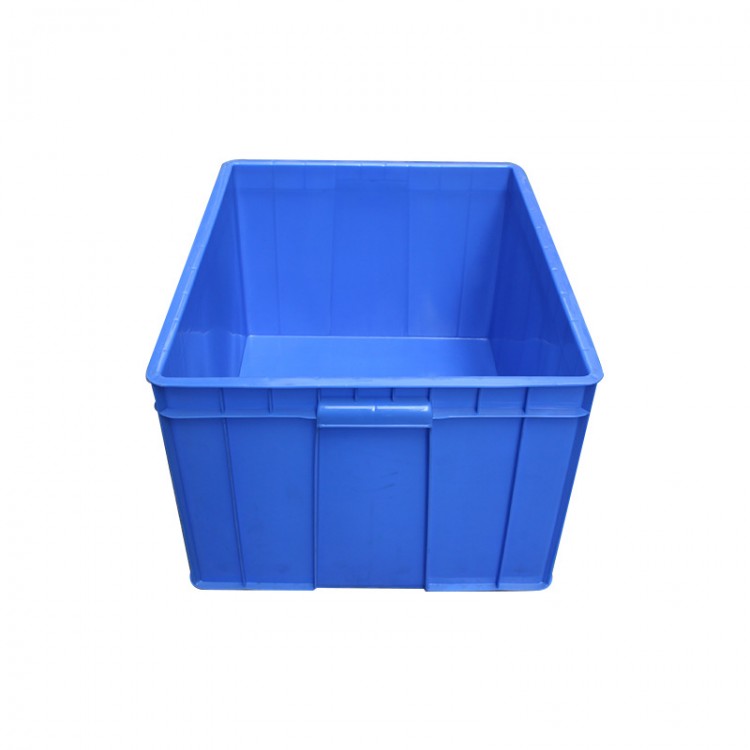
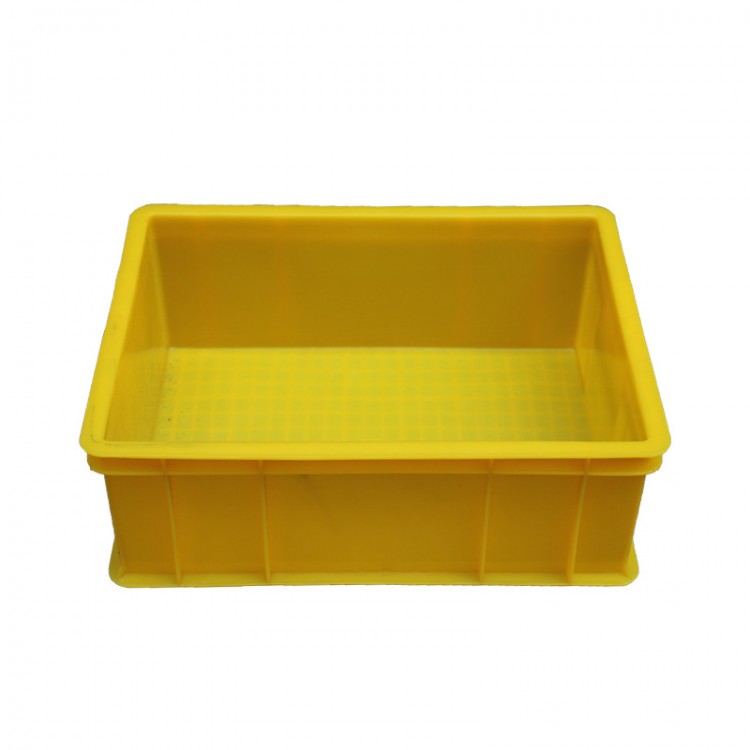
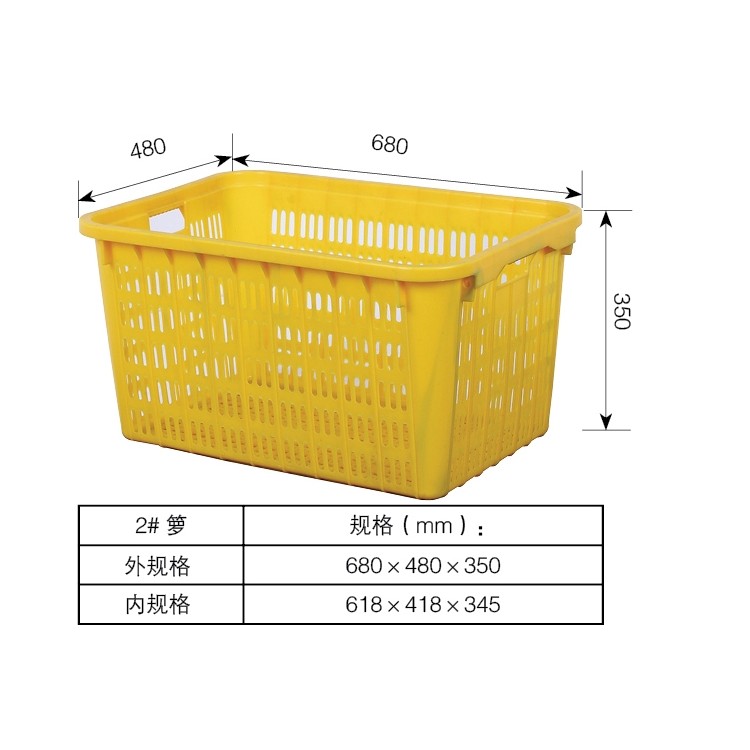
Plastic containers are lightweight, high-strength, non-toxic, non-polluting, waterproof, moisture-proof, acid and alkali-resistant, oil-resistant, and come in a variety of colors, offering excellent environmental performance and recyclability. They are a type of new environmental-friendly packaging material widely adopted by many advanced countries. Unlike most plastic packaging materials, which are typically single-use, plastic containers are often recycled and reused multiple times. Therefore, in their design, in addition to ensuring good protection and storage for the contents during use, they also need to consider the stacking of empty containers to save warehouse space and reduce transportation costs. The designs usually have bottom clips, allowing boxes of the same length and width to be stacked easily. Folding boxes can also be folded when empty, saving space. The time saved in transporting empty boxes back after delivering goods is substantial as well. The production of these containers is also quite fast, with medium-sized boxes typically produced in under 50 seconds.
One: The plastic周转boxes are made from HDPE (low-pressure) material:
Advantages: Shiny, hard, strong flexibility, high impact resistance, suitable for heavy-duty products (e.g., stacking)
Drawbacks: prone to warping, not excellent cold and heat resistance
Section 2: Plastic周转boxes are made from PP (copolymer) material:
Advantages: Good molding, resistant to deformation, high flexibility, strong impact resistance, cold and heat resistance
Drawbacks: Lack of luster, white spots after use, neutral hardness (too heavy, not suitable for stacking, consider using thicker boxes)
Plastic boxes are widely used in industries such as electronics, automotive parts, electrical appliances, plastics, hardware, packaging, machinery, light industry, postal services, food, advertising, decoration, and stationery.