







What are the categories of waste wire and cable recycling?
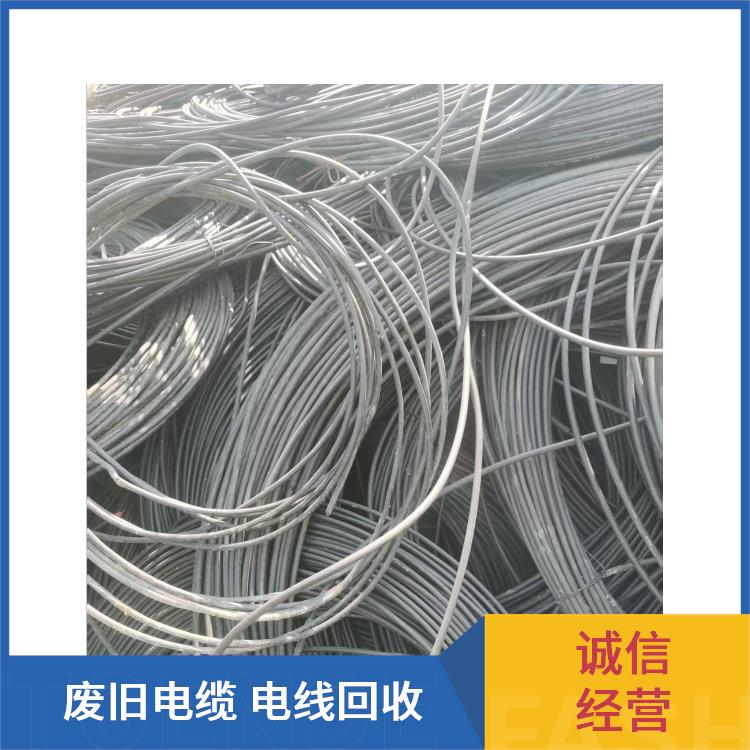
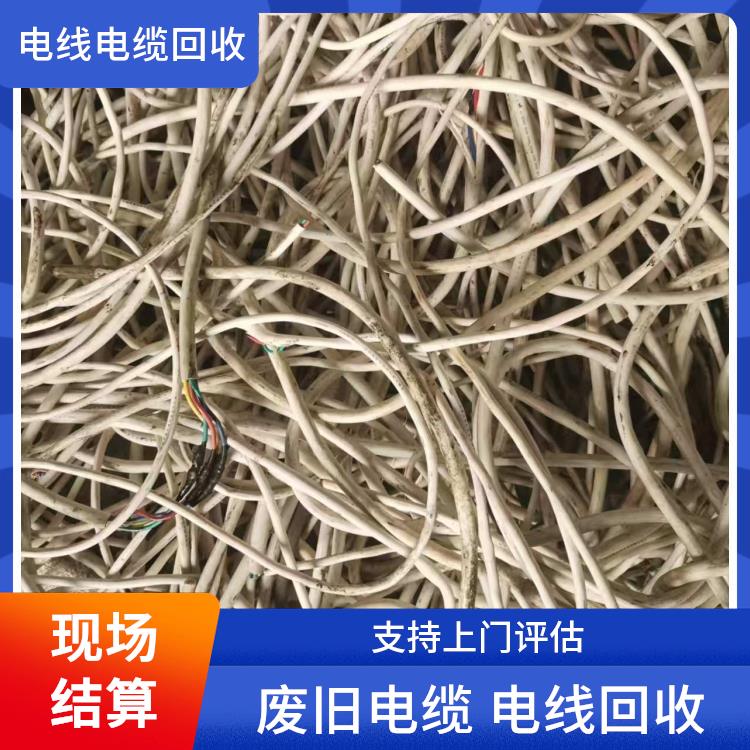
As living standards continue to rise, the recycling of waste electrical wires and cables is also gradually developing. What are the classifications of waste electrical wires and cables recycling? Below, we will introduce the classifications of waste electrical wires and cables recycling.
1. Common electrical accessories for recycling: cable termination junction boxes, connecting pipes and terminal blocks, intermediate cable junction boxes, steel plate conduit slots, cable trays, etc.
2. Recycled Cable Trays: Suitable for overhead laying of power and control cables in industrial and mining enterprises both indoors and outdoors. Also applicable for indoor and outdoor installations in departments such as telecommunications and broadcasting television.
3. Categorized by usage, they include: bare conductors, insulated wires, heat-resistant wires, power cables, control cables, shielded wires, communication cables, radio frequency cables, etc.
4. Intermediate Cable Joint: A device that connects conductors, insulation sheath, and protective layers of cables to each other, enabling the connection of cable lines.
Many people are unaware that recycling old electrical wires and cables is essential. In fact, this practice not only maximizes the remaining value of the cables but also differentiates from social waste. To reduce environmental impact and convert waste into treasure, one can: 1) regenerate the materials for reuse, and 2) reduce the production of waste for businesses. Recycled cables usually exhibit varying degrees of aging, with additives suffering different levels of loss. Although the recycled cables may differ in performance from new materials, recent research data indicates that their processing, mechanical, and electrical properties can be improved by re-formulating and adding necessary functional additives. Different product requirements call for different process recipes and techniques.
The role of recycling and reusing waste cables and wires is irreplaceable by other industries. Prosperous countries view the recycling and reusing industry as an industry. With the rapid development of our country's economy, technological advancement, and the acceleration of updates and replacements, an increasing number of products will lose their value and become waste products, entering the stage of recycling and reusing waste goods. Therefore, establishing a standardized market for recycling waste goods allows for effective use of useful materials and proper disposal of hazardous substances. It is a reputable, strong, non-ferrous metal recycling enterprise. I'll give you a tip every day to teach you how to recycle and reuse old items.
1. Nail a half-used spool of thread to the wall or a wooden stand with a nail, which can serve as a simple clothing hook.
2. Use old spools as drawer pulls. Cut the old spools in half with a saw, then insert a screw into each half and nail them onto the drawer.
3. Collapsible soft bamboo mats, when worn out or have holes, don't throw them away; they can be repurposed as sofa covers.
4. Don't discard worn-out belts; they can be used for blade maintenance. When a blade becomes dull, rub both edges of the blade back and forth against the belt a few times to sharpen it and extend its lifespan. Avoid the damaged areas of the cushion and cut according to the shape and size of the sofa. Sew the cut ends with fabric, and then tie a few straps at appropriate spots to secure it.
Recycled scrap wire and cable materials typically exhibit varying degrees of aging, with additives suffering varying losses. Although the properties of recycled wire and cable differ from new materials after recycling and regeneration, recent research data shows that by adjusting the formula and adding necessary functional additives, the processing, mechanical, and electrical properties of recycled wire and cable can be improved. Depending on different product requirements, various process formulas and techniques are used. This involves melting recycled wire and cable materials for regeneration, then adding appropriate functional additives to re-granulate after crushing, creating lining materials for the insulation layer of power cables. This not only contributes to environmental protection but also significantly reduces production costs for businesses, challenging competitive limits.
Cables and wires are used for transmitting electrical power and facilitating the conversion of electrical energy. Broadly speaking, cables are also commonly referred to as cables. In a narrow sense, cables refer to insulated cables. They can be defined as a body composed of the following parts: one or more insulated cores, along with any sheathing they may have, a total protective layer, and an outer sheath. Cables may also include additional conductors without insulation.
Recovered废旧wires and cables undergo several processes; these include separating aluminum and copper cores, as well as various sizes of cable wires. Then, the iron sheet or wire is removed, followed by using a specialized wire stripping machine to peel off the outer sheath, separating the metal from plastic. Subsequently, a static separator is employed to break up the mixture, utilizing the different charging characteristics of metal and plastic to separate out copper, aluminum, and other metals.
WeChat Official Account

Scan to follow Official Account