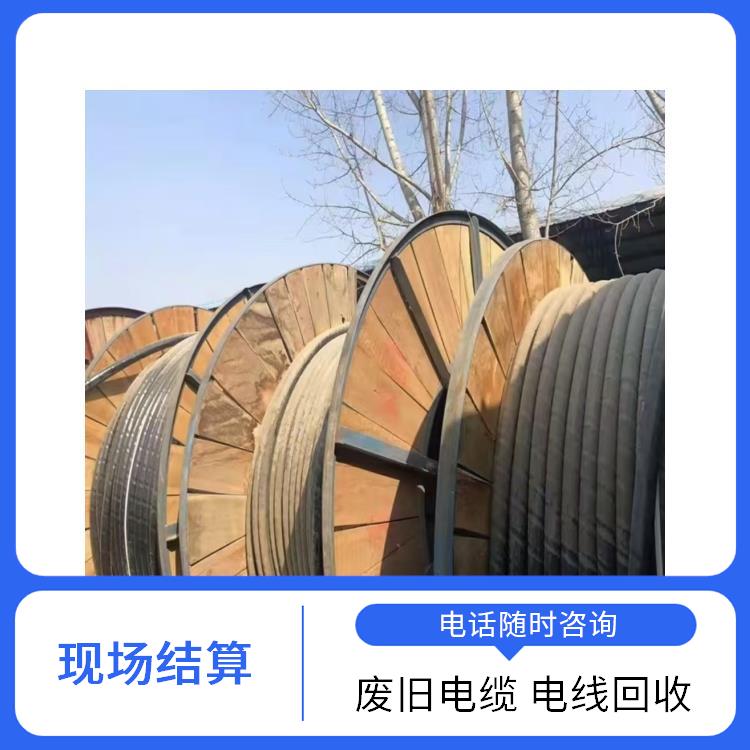








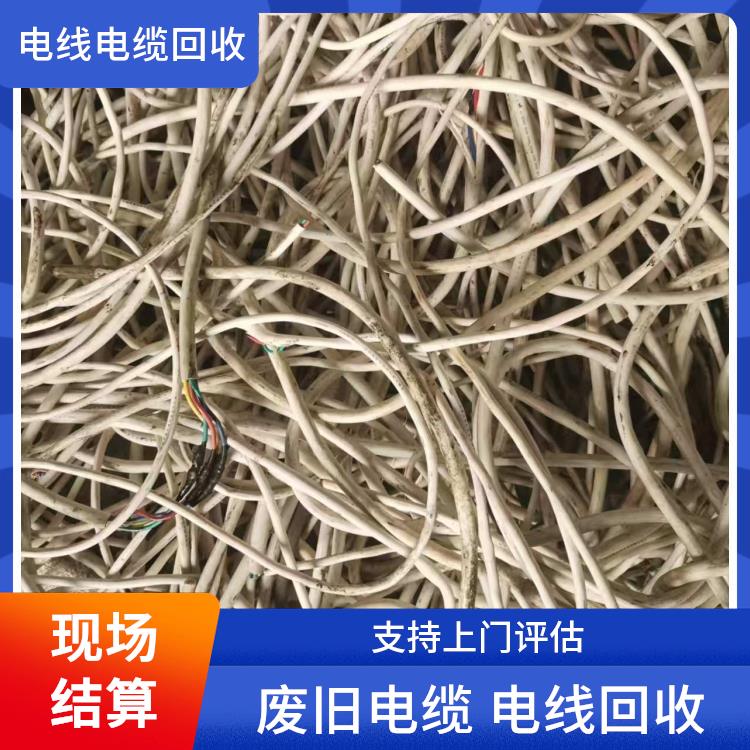
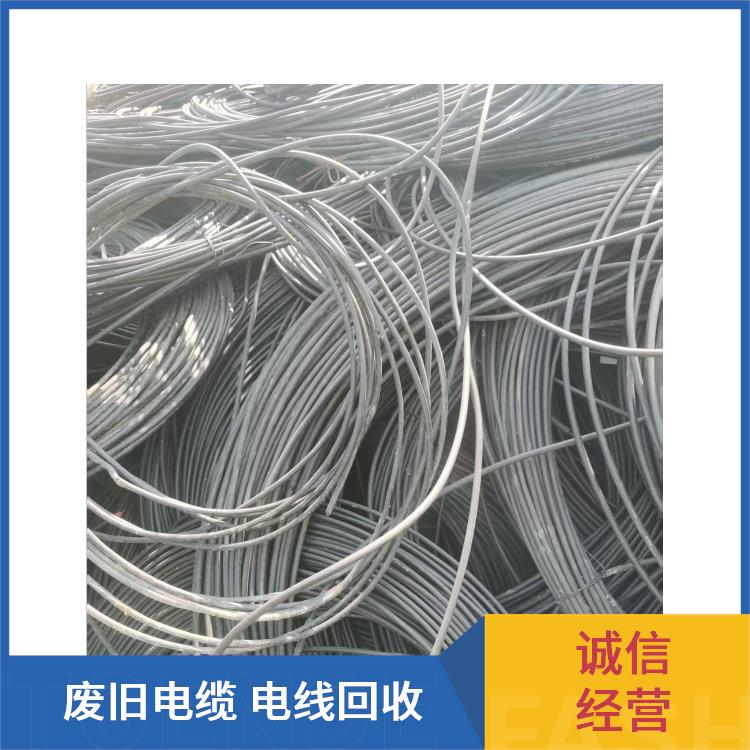
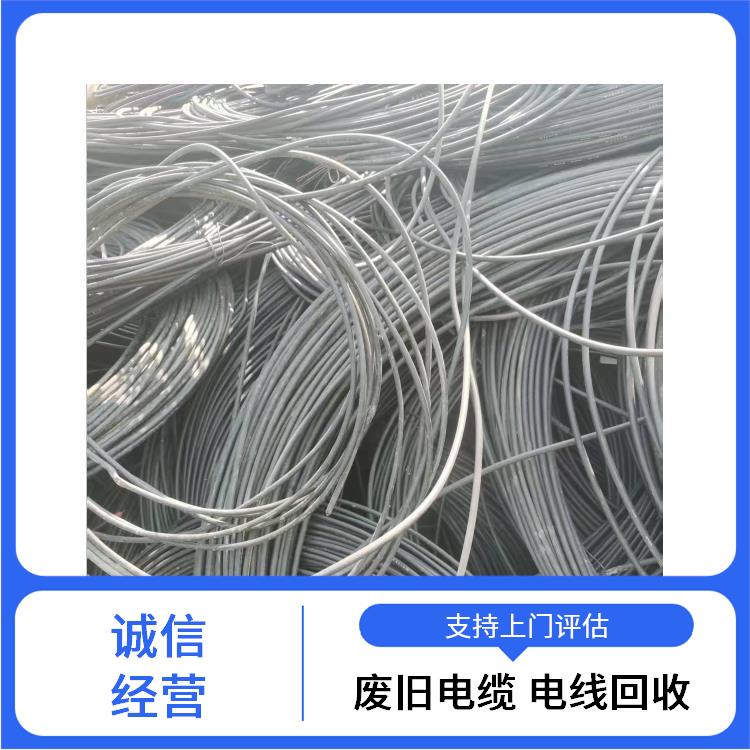
Raising the recycling technology for scrap cables has become a crossover field between copper and plastic recycling. Wires and cables can be divided into five major categories according to their use: bare conductors, electromagnetic wires, electrical equipment wires, power cables, and communication cables. They are generally composed of three parts: conductor, insulation, and protective layer.
Main Categories of Wires and Cables Recycling Products
Major categories of wire and cable recycling products are worth noting! They can be divided by voltage levels into medium and low-voltage power cables (35 kV and below), high-voltage cables (above 110 kV), extra-high-voltage cables (275-800 kV), and ultra-high-voltage cables (1,000 kV and above). Additionally, they can also be classified by current systems into AC cables and DC cables.
Many people are unaware of the importance of recycling old electrical wires and cables. In fact, doing so not only maximizes the remaining value of these materials but also helps distinguish and prevent waste from being lost to society. To reduce environmental impact and transform waste into treasure, one can: 1) regenerate and reuse the materials; 2) decrease the generation of waste for businesses. Recycled old electrical wires and cables often suffer from varying degrees of aging, and the additives within them experience varying levels of loss. Although the properties of recycled electrical wires and cables may differ from new materials after recycling and processing, recent research data indicates that their processing, mechanical, and electrical properties can be improved by adjusting the formulation and adding necessary functional additives. Different product requirements call for different process formulas and techniques.
The role of recycling and reusing old electrical wires and cables is indispensable in other industries. Prosperous countries view the recycling and reusing industry as a sector. With the rapid development of our economy, technological advancement, and accelerated replacement cycles, an increasing number of goods will lose their utility and become waste products, entering the recycling and reusing phase. Therefore, establishing a standardized recycling market for waste products, allowing valuable resources to be effectively utilized and hazardous materials to be properly disposed of, is a service provided by a capable and well-established non-ferrous metal recycling company. Every day, we offer you a tip to learn how to recycle and reuse old items.
1. Nail a half-used spool of thread to the wall or a wooden shelf, making a simple hanging hook.
2. Utilize old spools as drawer pulls. Cut the old spools in half with a saw, and use one piece to thread screws into wooden holes, then nail them onto the drawer.
3. Collapsible soft bamboo mats can be repurposed into sofa covers after they become worn or develop holes.
4. Don't discard worn-out belts; they can be used for blade maintenance. When a blade becomes dull, rub both edges of the blade against the back of the belt a few times to sharpen it and extend its lifespan. Avoid the damaged areas of the cushion, cut according to the size of the sofa shape, and sew the cut ends with fabric. Tie a few straps at appropriate spots to secure it.
Safety Precautions for the Operation of Worn-out Wire and Cable Recycling Products
Quarterly inspections: Outdoor cable heads should be checked monthly. In the event of special circumstances such as heavy rain, flooding, or when a fault occurs, the frequency of inspections should be appropriately increased.
Key inspection items include: whether there is mechanical damage, no corrosion or water immersion, undamaged cable insulation caps, and no discharge phenomena, etc.
To prevent the insulation of wires and cables from prematurely aging, the line voltage may be too high, generally not exceeding 15% of the cable's rated voltage.
Maintain the continuous load current of the circuit under specified conditions. Due to the significant load on the cable, it should be frequently measured and monitored.
Regularly monitor the temperature of the cable jacket and the cable itself. Generally, the jacket temperature should be measured under high load conditions and at critical sections where thermal dissipation conditions are to be tested.
Post-processing of recycled cables and wires, the extensive application of the composite material has played a significant role in various industries, greatly aiding the production of many machines and electrical appliances. Particularly, it has significantly reduced investment costs in the electrical industry, demonstrating a powerful practical application.
WeChat Official Account

Scan to follow Official Account