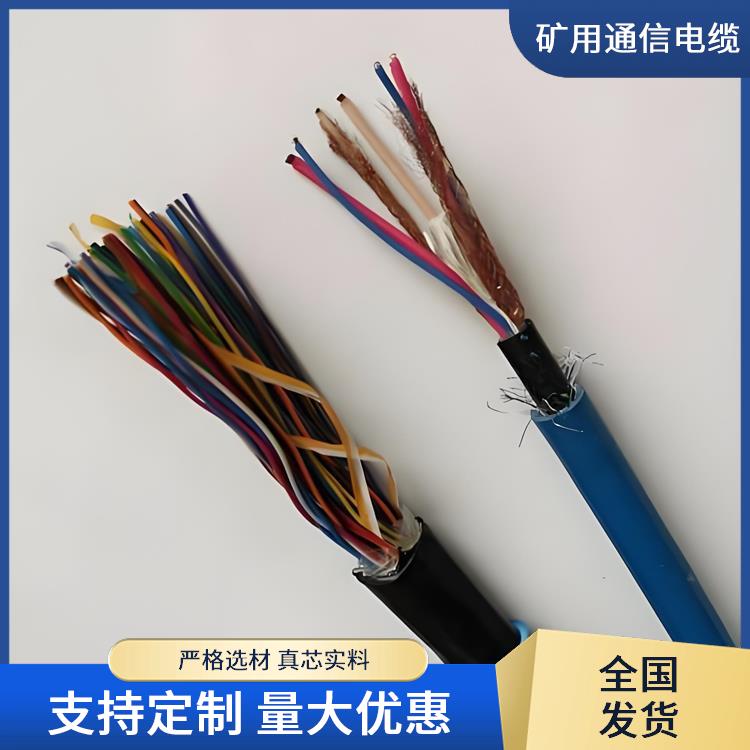







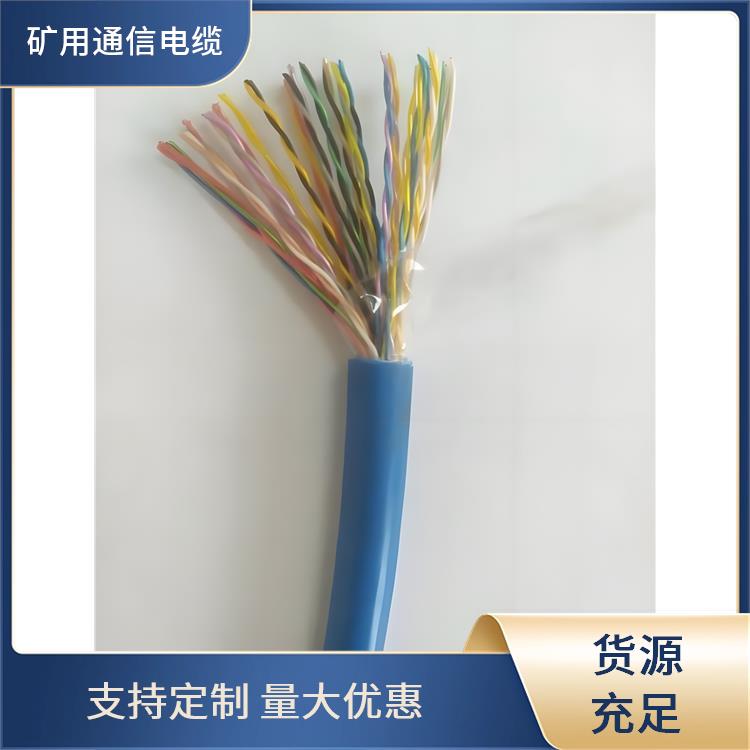
Mining communication cables - Cable type classification
If classified by cable type, communication cables are categorized as follows:
Single conductor: Refers to the original communication cable, a single conductor loop, with the earth serving as the return line.
2. Symmetrical Cable: Consists of a circuit formed by two conductors that are perfectly identical under ideal conditions.
3. Coaxial Cable: Consists of an inner and outer conductor arranged on the same axis, with the outer conductor surrounding the inner conductor while both are insulated.
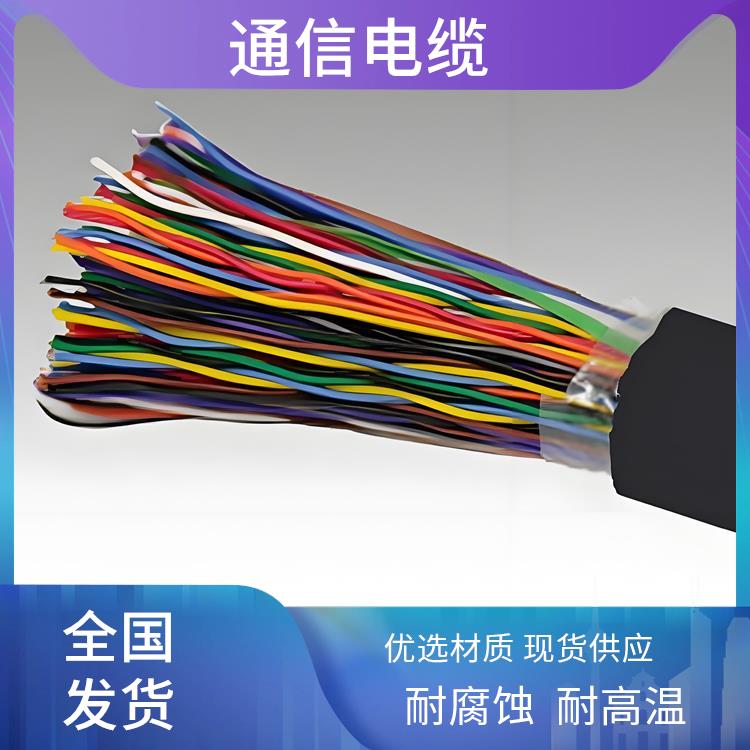
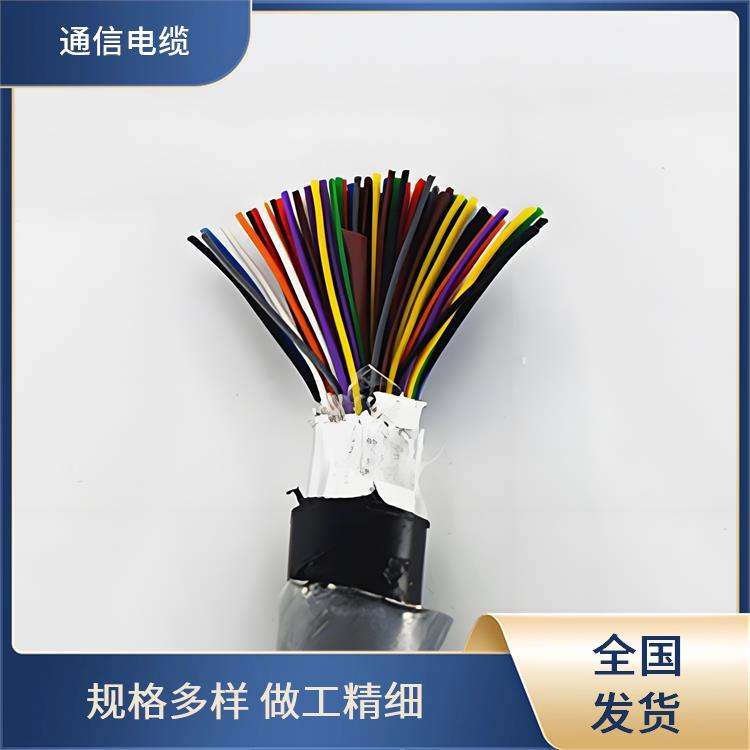
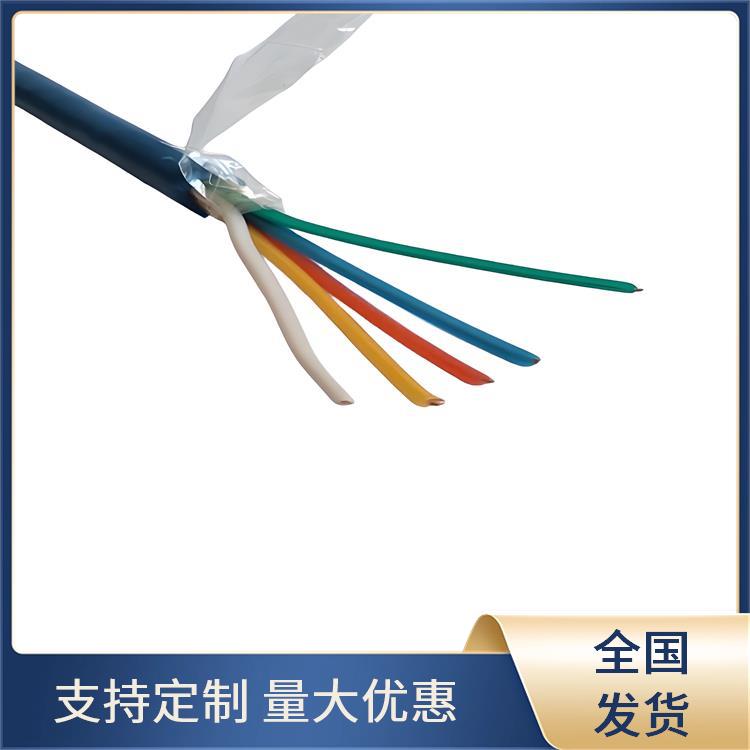
MHYV mining communication cables are designed specifically for mine environments, primarily used for communication and signal transmission within mines. With the advancement of modern mining, there is an increasing demand for communication equipment. The MHYV cable, thanks to its unique performance and superior durability, has gradually become an important choice among mining communication cables.
During oilfield exploration and extraction, mining communication cables are used for communication connections between oilfield equipment, transmitting data and commands such as well status and extraction efficiency, which are crucial for the smooth operation of oilfield work.
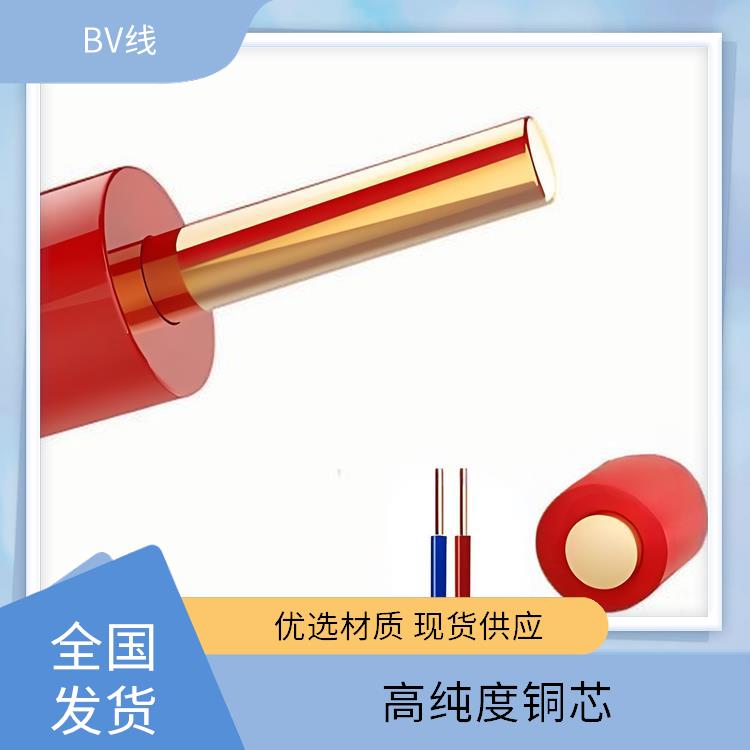
MHYV cables are primarily composed of conductors, insulation, and sheath. The conductors are typically made of multiple strands of copper wire, offering excellent electrical conductivity to ensure stable signal transmission. The insulation layer is made from special materials that can withstand complex environmental conditions in mines, such as humidity, high temperatures, and chemical corrosion. The sheath provides additional protection against external mechanical damage and abrasion.
Mining communication cables also play a crucial role in fire rescue operations, used for transmitting signals of firefighting equipment, rescue commands, and personnel positioning, etc., important information to enhance the efficiency and safety of the rescue.
The mining communication cable is designed for long-term use within a temperature range of -40°C to 50°C, with an average relative humidity of 25°C at 25°C. The cable is suitable for installation at temperatures not below -10°C, and the minimum bend radius of the cable is 1 times its outer diameter.
WeChat Official Account

Scan to follow Official Account