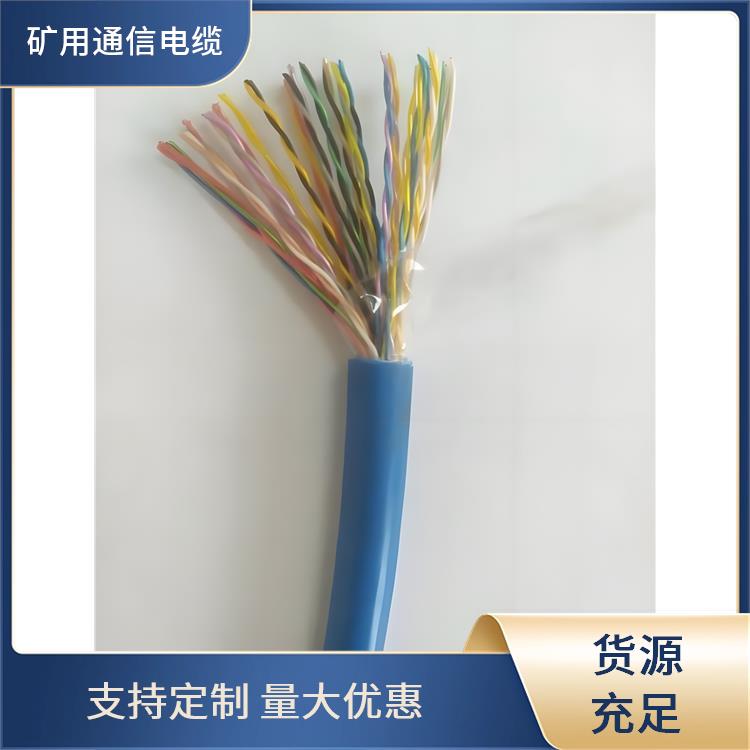


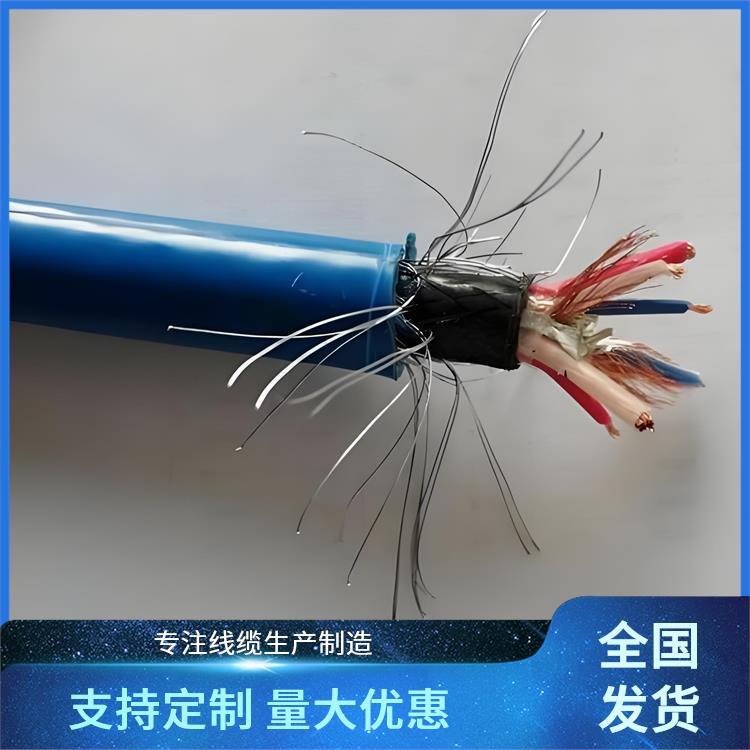







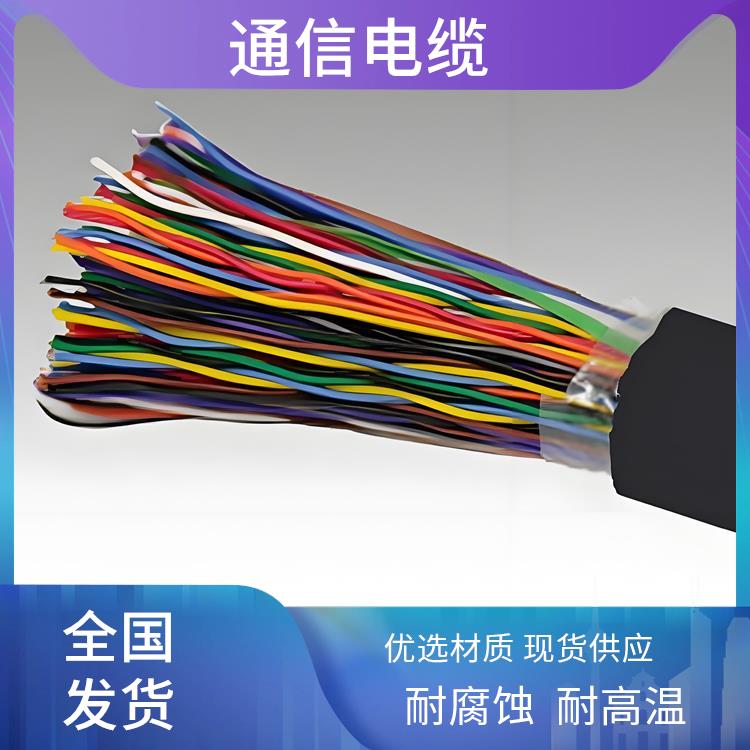
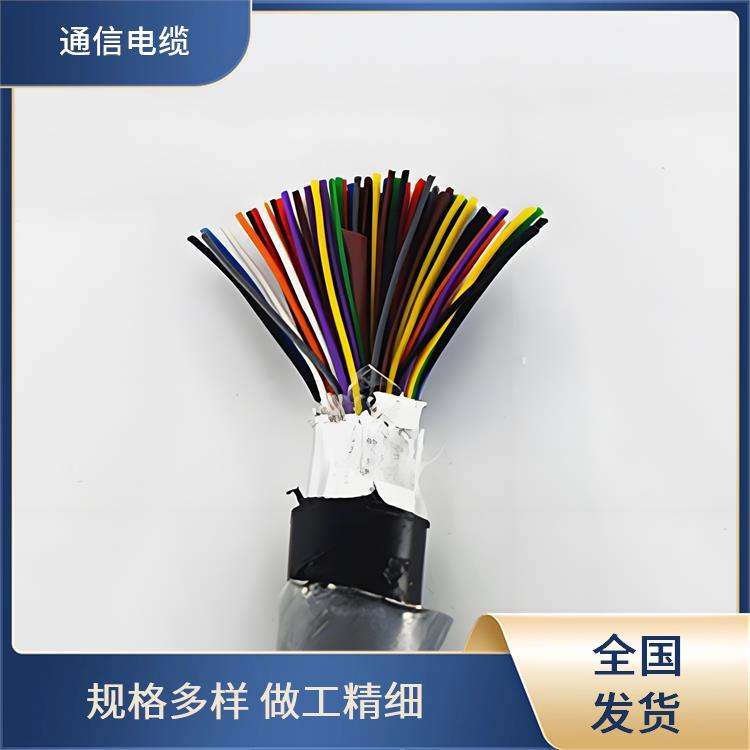
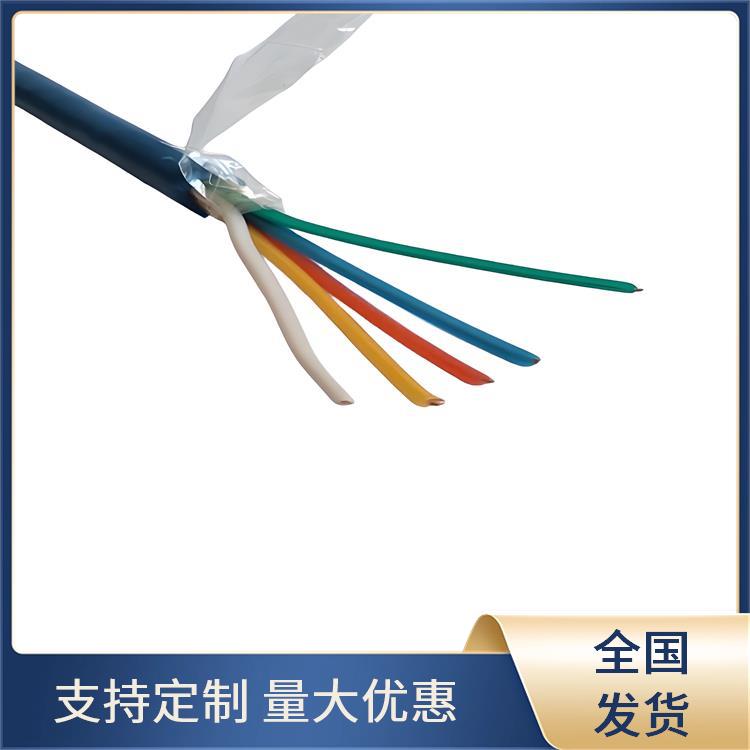
Mining communication cables cable type classification
If categorized by cable type, communication cables are classified as follows:
1. Single-core wire: Refers to the original communication cable, single-core wire loop, with the earth as the return line.
2. Symmetrical Cable: Consists of a loop formed by two conductors that are identical under ideal conditions.
3. Coaxial Cable: Consists of two conductors, an inner and an outer, arranged on the same axis to form a circuit. The outer conductor encloses the inner conductor, with both being insulated.
Mining communication cables play a crucial role in fire rescue operations, used to transmit signals for fire equipment, rescue commands, and personnel location, enhancing efficiency and safety in the rescue process.
In tunnel engineering, mining communication cables are used for connecting communication equipment within the tunnel, including emergency communication, monitoring systems, and fire protection systems. These cables ensure stable transmission of communication signals in enclosed and complex environments, providing a strong guarantee for the safe operation of the tunnel.
MHYV cables boast strong anti-interference capabilities. Inside mines, electromagnetic interference is a common issue. The MHYV cables, with their well-designed shielding, effectively reduce the impact of external interference on signal transmission, ensuring clear and stable communication. This is crucial for miner safety and operational efficiency.
MHYV cables have become a staple in the mining communication field due to their communication performance, user-satisfactory durability, and relatively straightforward installation and maintenance process. Although alternative products may exist under certain conditions, the advantages of MHYV cables in the unique working environment of mines are quite apparent.
Mining communication cables are designed for long-term operation within a temperature range of -40°C to 50°C, with an average relative humidity of 25°C at 25°C. The cables are suitable for installation at temperatures not lower than -10°C, and the minimum bend radius of the cable is 1 time its outer diameter.
WeChat Official Account

Scan to follow Official Account