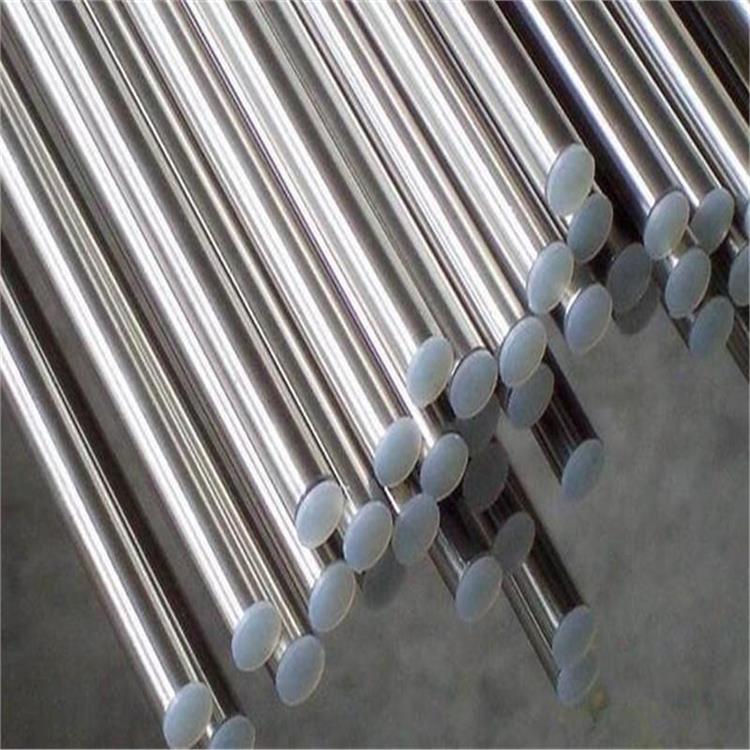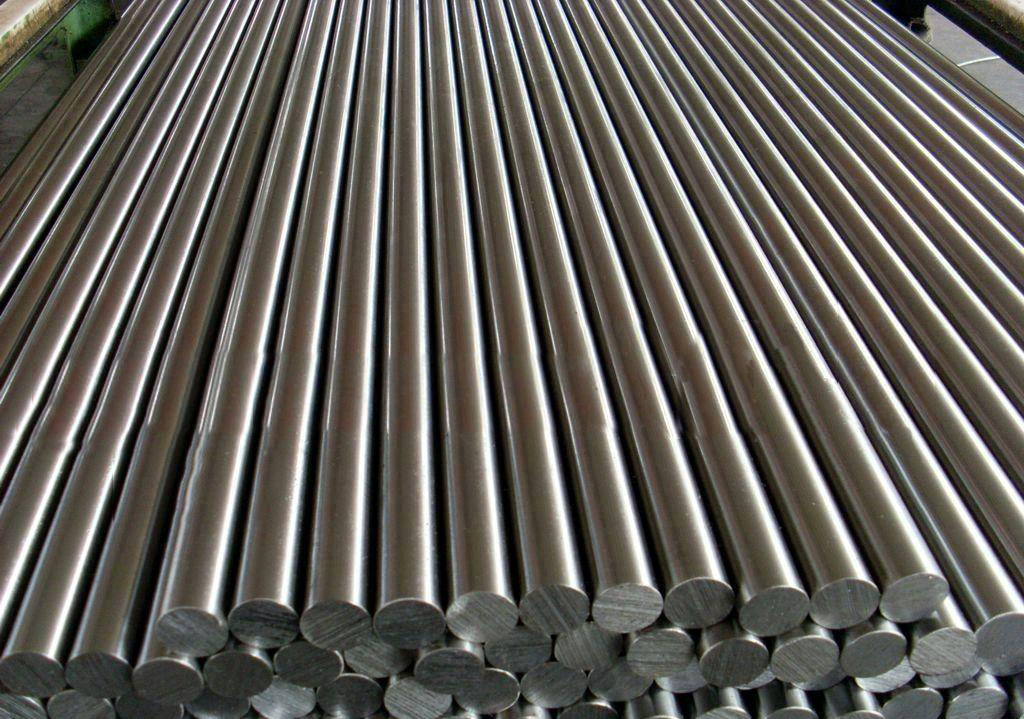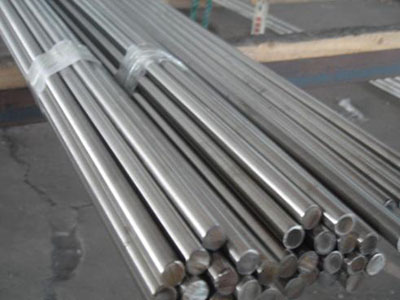

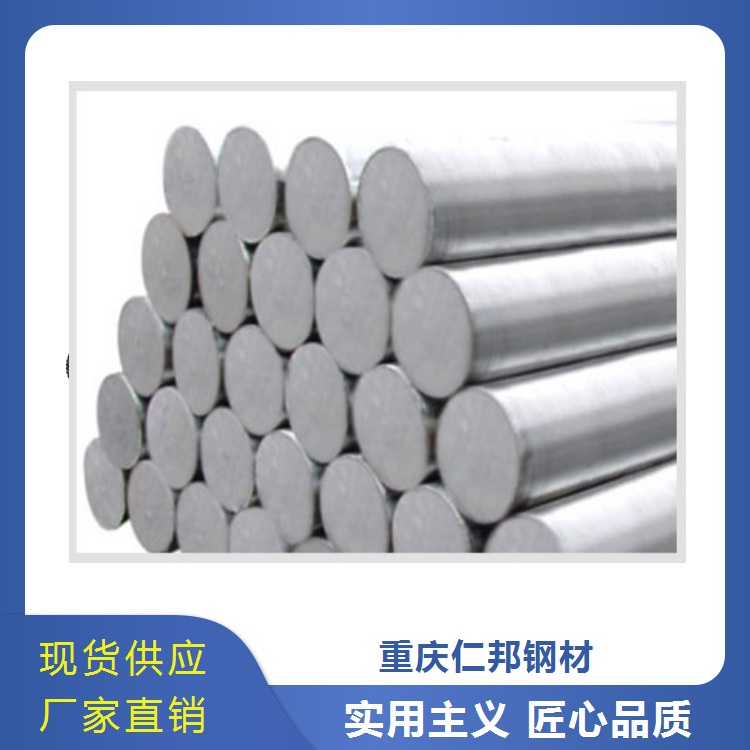
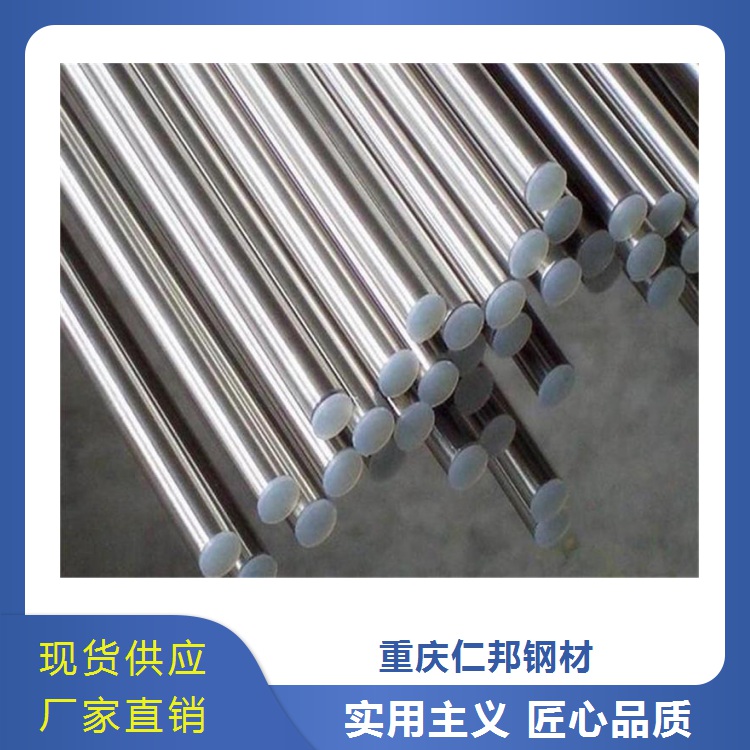







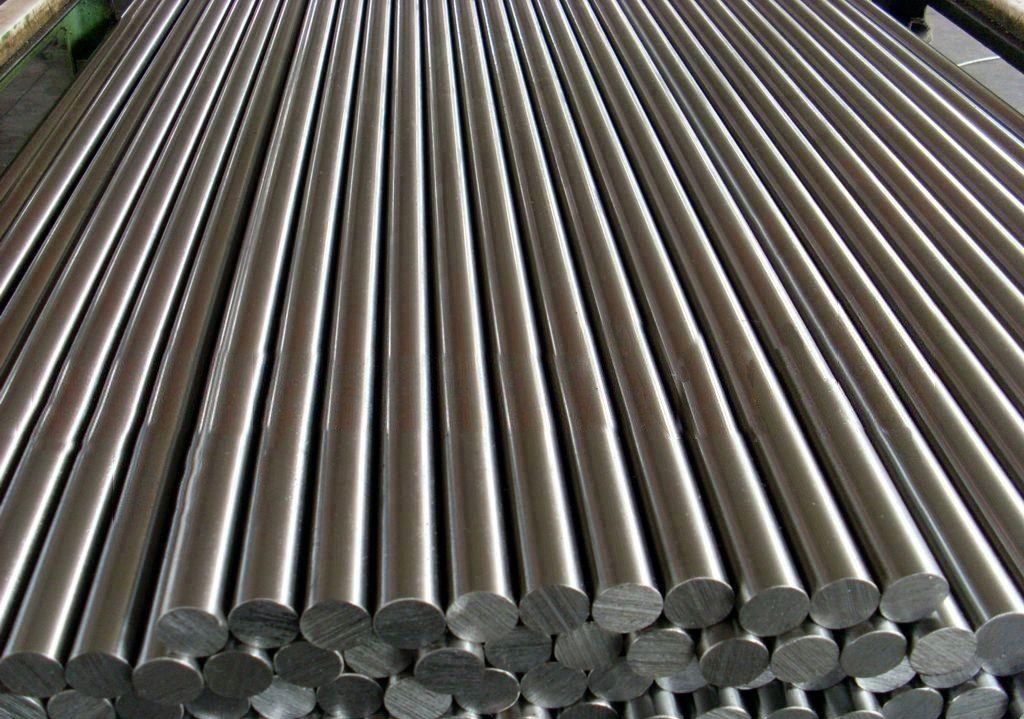
There are countless steel products in everyday life, with steel being used in many places. Stainless steel round bar is one type of steel used in the production of steel products, and it has a wide range of applications. Stainless steel round bar falls under the category of long products and also under the category of bar materials. The term "stainless steel round bar" refers to long products with a uniformly circular cross-section, typically about four meters in length. It can be divided into bright bars and black bars. The bright bars are smooth and have been processed through a precision rolling treatment, while the black bars have a rough, black surface and are produced through direct hot rolling.

In the automatic control system for the production of stainless steel round bars, the operational modes have become increasingly refined in terms of operation, catering to different operational environments and work objectives. They are mainly categorized into the following four types:
1. Automatic Mode: Rolling steel is only possible in this mode, which is typically the standard condition for normal rolling production.
2. Simulated Operation Mode: Its primary purpose is to provide the operator with verification of the normal operation status of the various actuating mechanisms such as the sleeve roller, shearing machine, etc., before rolling, as well as to check if the initial state is correct and if there are any anomalies in the rolling control.
3. On-Site Mode: In the on-site operation mode, it is possible to manually control certain equipment actions on the spot, such as crawling, rotating the shearing machine, and changing rolls.
4. Repair Mode: The repair mode is not intended for rolling steel; it is solely used to inspect the equipment and its operation, with the characteristic of minimal electrical and mechanical connections.

Stainless steel round bars can be divided into three types according to production processes: hot rolled, forged, and cold drawn, mainly used for manufacturing mechanical parts or as billets for seamless steel tubes. Dust particles adhering to the corroded surface of stainless steel round bars can accelerate corrosion. When dust particles are present on the surface, gaps form at the dust particle deposits, which are prone to retain a chlorine-ion-containing water film, hindering oxygen replenishment and leading to the destruction of the passive film. Additionally, this dissolution zone, along with the passive zone near the dust particle deposits, forms a short-circuit battery, exacerbating the formation and development of pitting corrosion.

Stainless steel round bar (stainless steel) is a shortened term for stainless steel, referred to as stainless steel when exposed to weak corrosive mediums like internal gases, steam, and water, or when resistant to chemical corrosion from mediums such as acids, bases, and salts (known as acid-resistant steel). The applications of stainless steel round bar are extensive, widely used in hardware kitchenware, shipbuilding, petrochemicals, machinery, food processing, electricity, energy, aerospace, construction decoration, equipment used in seawater, chemicals, dyes, papermaking, oxalic acid, fertilizers, and more. It is also utilized in photography, food industry, coastal facilities, ropes, CD rods, bolts, and nuts.