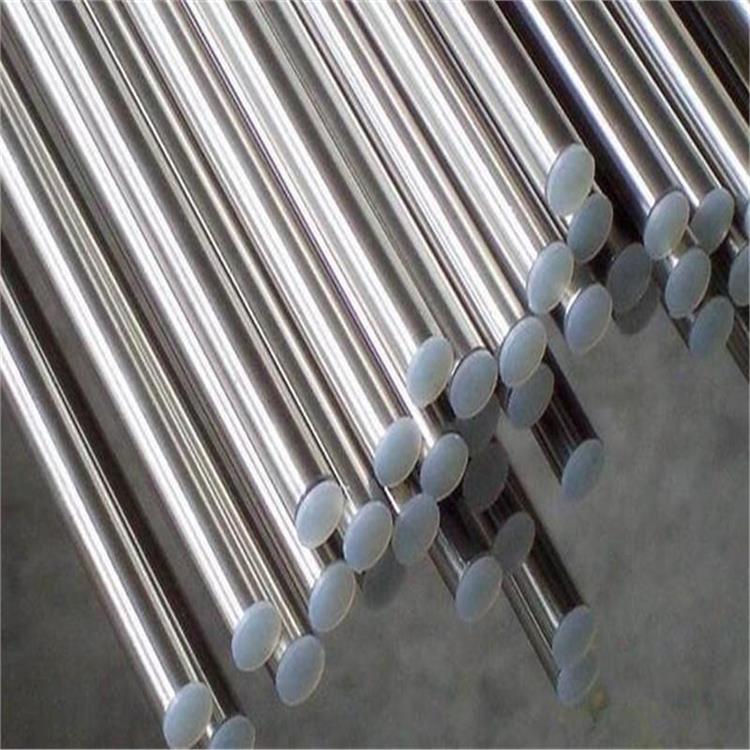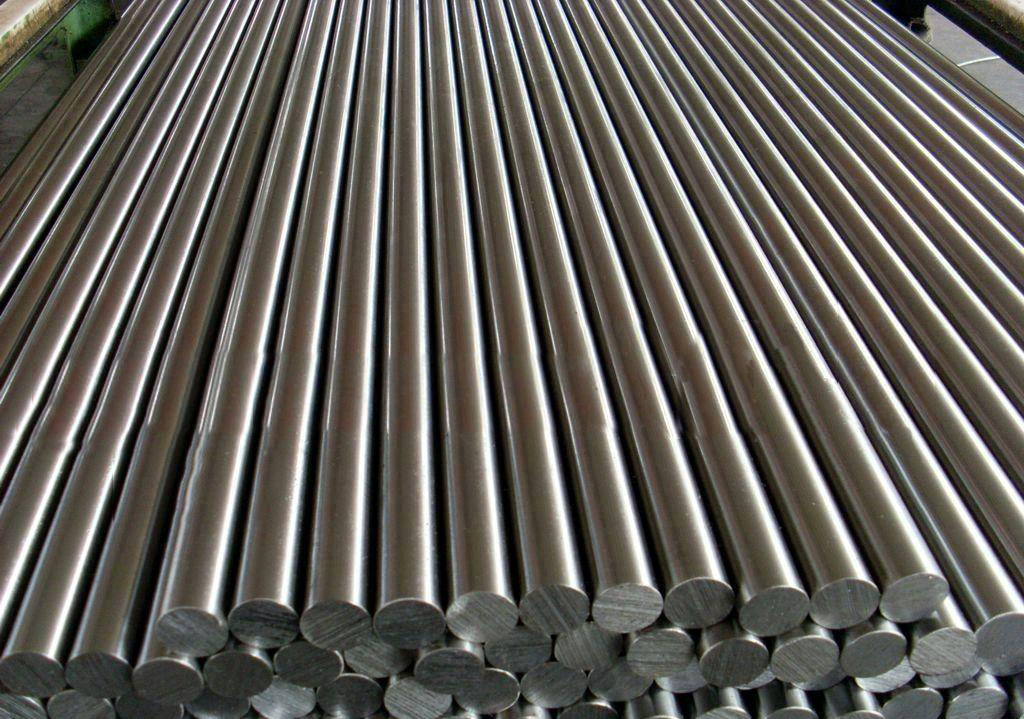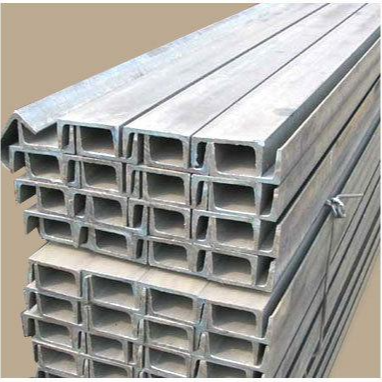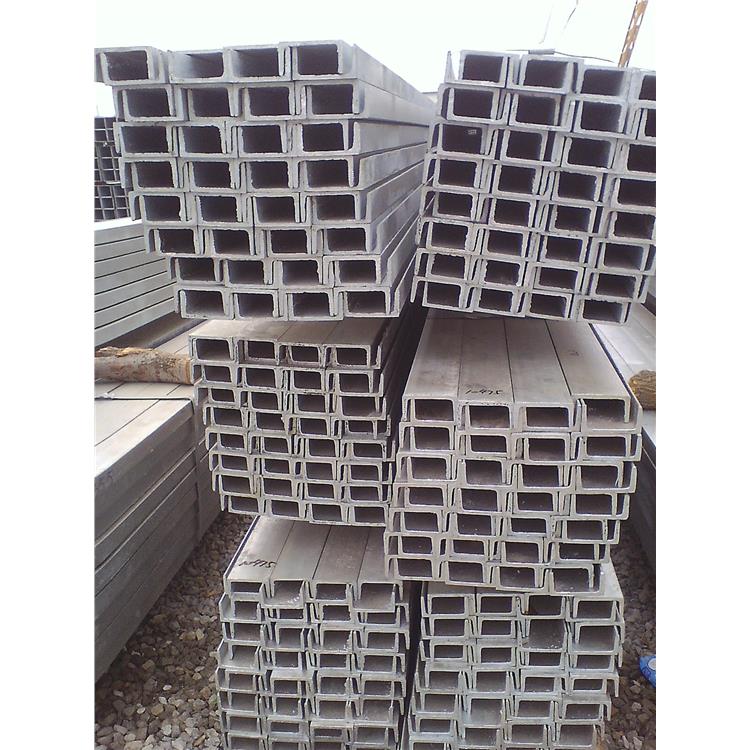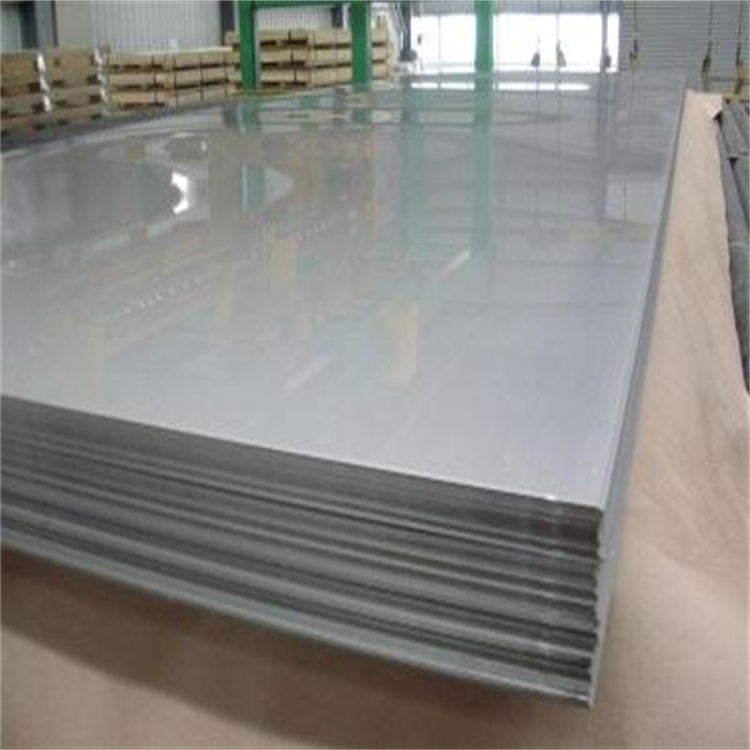


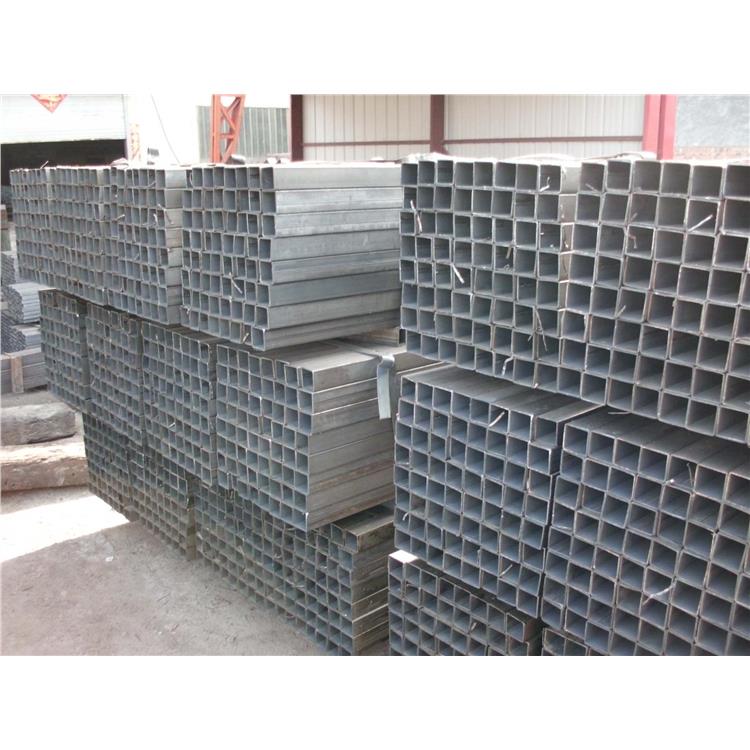
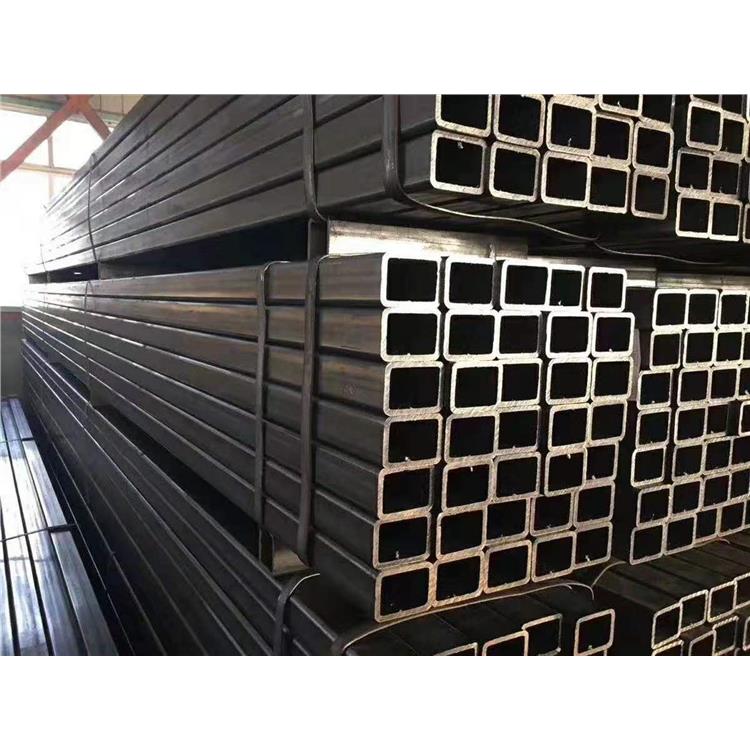
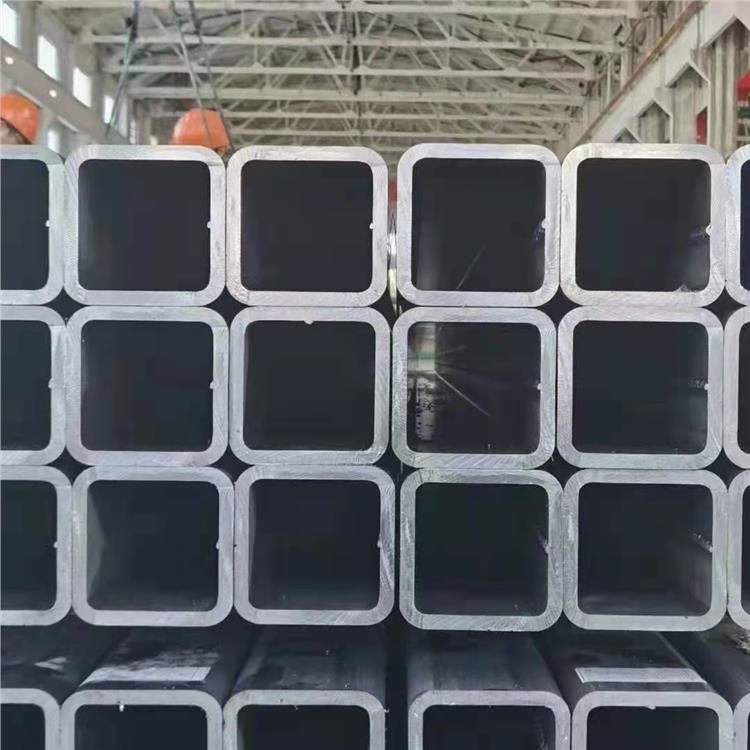





Stainless steel plates are primarily composed of iron, chromium, and carbon, and are resistant to corrosion from atmospheric, steam, and other mild mediums. The reason stainless steel does not rust easily is due to the presence of chromium, which forms a dense oxide chrome protective layer on the steel surface.
What are the advantages of stainless steel sheets?
Physical Properties: Heat-resistant, high-temperature resistant, and also cold-resistant, even to extremely low temperatures.
2. Chemical Properties: The resistance to chemical and electrochemical corrosion in steel is particularly good, second only to titanium alloys.
3. Process Performance: Austenitic stainless steel boasts excellent process performance. Due to its high plasticity, it can be formed into various shapes such as sheets, pipes, and other profiles, suitable for pressure processing.
4. Mechanical Properties: Vary by stainless steel type.

The characteristics of stainless steel plates are:
1. Corrosion Resistance: Stainless steel sheets possess similar resistance to general corrosion as the unstable nickel-chromium alloy 304. Extended heating within the temperature range of carburization of chromium may affect the alloys 321 and 347 in harsh corrosive environments, primarily used for high-temperature applications to prevent intergranular corrosion at lower temperatures.
2. High-Temperature Oxidation Resistance: Stainless steel plates all possess high-temperature oxidation resistance; however, the oxidation rate is subject to inherent factors such as the exposure environment and the product's form.
3. Physical Properties: The total thermal conductivity of the metal, in addition to depending on the thermal conductivity of the metal itself, is also influenced by other factors. In most cases, the film heat dissipation coefficient, rust scale, and the surface condition of the metal play a role. Stainless steel can maintain a clean surface, thus its thermal conductivity is better than that of other metals with higher thermal conductivity.

The surface of stainless steel sheets is smooth, with high plasticity, toughness, and mechanical strength, and is resistant to corrosion from acidic, alkaline gases, solutions, and other media. It is an alloy steel that is not prone to rust, though it is not completely rust-proof. The term "stainless steel sheet" generally refers to a collective term for stainless steel sheets and acid-resistant steel sheets. Stainless steel sheets are steel plates that resist corrosion from weak media such as the atmosphere, steam, and water, whereas acid-resistant steel sheets are steel plates that resist corrosion from acidic, alkaline, and saline chemical侵蚀 media. Since the beginning of the 20th century, the development of stainless steel sheets has laid an important material and technological foundation for the development of modern industry and scientific and technological progress.

There is a wide variety of stainless steel sheets, each with different properties. Throughout its development, it has gradually formed several categories:
1. Organized by structure, we offer Austenitic Stainless Steel Sheets, Martensitic Stainless Steel Sheets (including precipitation-hardening stainless steel sheets), Ferritic Stainless Steel Sheets, and Austenitic-Ferritic Duplex Stainless Steel Sheets, etc.
2. Classified by the primary chemical composition in the steel plate or certain characteristic elements within it, the categories include Chromium Stainless Steel Plate, Chromium-Nickel Stainless Steel Plate, Chromium-Nickel-Molybdenum Stainless Steel Plate, as well as Low Carbon Stainless Steel Plate, High Molybdenum Stainless Steel Plate, and High Purity Stainless Steel Plate, etc.
3. Classified by the performance characteristics and applications of steel plates, they include nitric acid-resistant stainless steel plates, sulfuric acid-resistant stainless steel plates, pitting-resistant stainless steel plates, stress corrosion-resistant stainless steel plates, high-strength stainless steel plates, and more.
4. Classified by the functional characteristics of steel plates, they include low-temperature stainless steel plates, non-magnetic stainless steel plates, easy-to-cut stainless steel plates, and superplastic stainless steel plates, etc.
5. The commonly used classification methods are based on the structural characteristics of the steel plate and its chemical composition, as well as a combination of both. Generally, they are categorized into martensitic stainless steel plates, ferritic stainless steel plates, austenitic stainless steel plates, duplex stainless steel plates, and precipitation-hardening stainless steel plates, or divided into chromium stainless steel plates and nickel stainless steel plates.
Our company's operating philosophy is: integrity, truthfulness, service, and speed. We uphold the corporate spirit of "hardworking, striving, and responsible," and adopt an operating philosophy of integrity, win-win, and innovation, creating a favorable corporate environment. With a new management model, advanced technology, considerate service, and excellent quality as our foundation for survival, we always adhere to customer-first principles, serving customers with dedication, and using our services to touch and satisfy our clients.