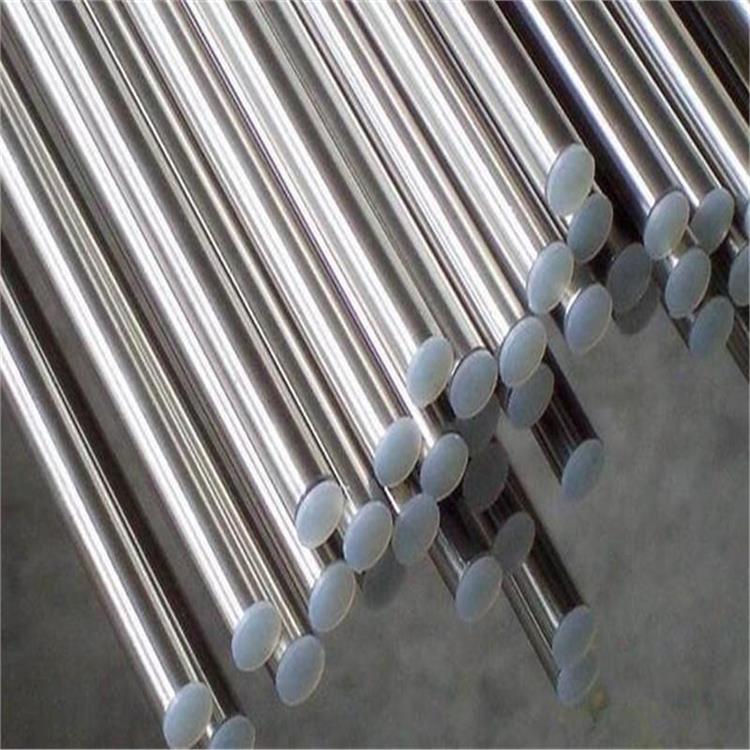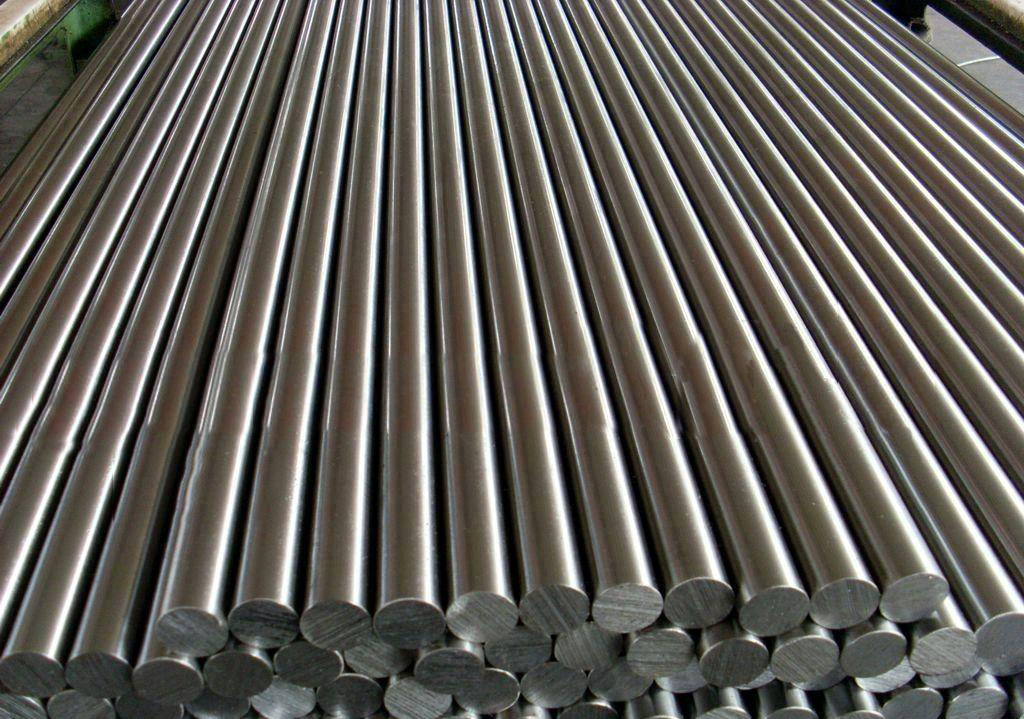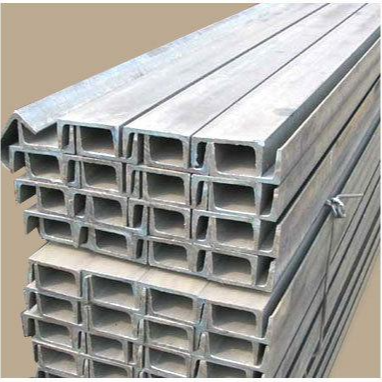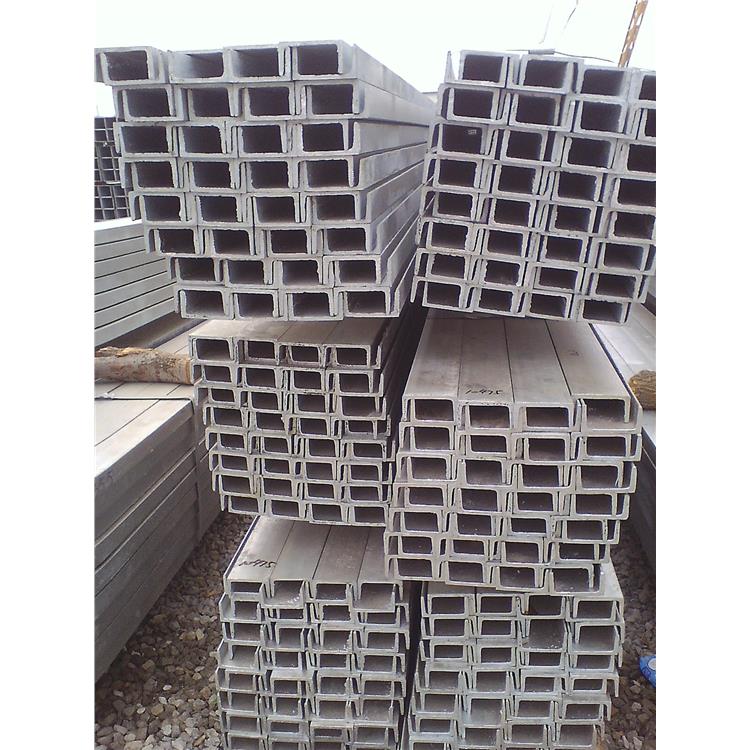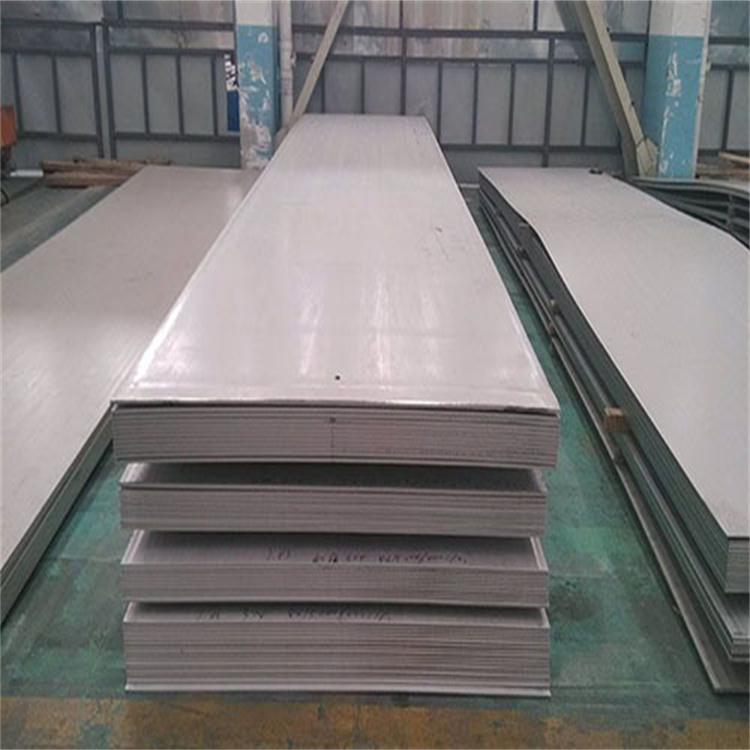







Stainless steel plates are categorized by their microstructure into Austenitic stainless steel plates, Martensitic stainless steel plates (including precipitation-hardening stainless steel plates), Ferritic stainless steel plates, and Austenitic-Ferritic dual-phase stainless steel plates, among others; the most common finishes for stainless steel plates are brushed and polished.
What are the advantages of stainless steel plates?
1. Physical Properties: Heat-resistant, high-temperature resistant, and even cold-resistant to extreme low temperatures.
2. Chemical Properties: The resistance to chemical and electrochemical corrosion in steel is particularly good, ranking second only to titanium alloys.
3. Process Performance: Austenitic stainless steel boasts excellent process performance. Due to its high plasticity, it can be processed into various shapes such as plates, tubes, and more, suitable for pressure forming.
4. Mechanical Properties: Vary by type of stainless steel.

Stainless steel plates can be categorized into cold rolled and hot rolled based on the manufacturing process.
1. Hot-rolled stainless steel sheets are produced by heating the billet at high temperatures and then undergoing rough and finish rolling, resulting in strip steel. Stainless steel sheets formed through hot rolling exhibit excellent toughness and good tensile properties.
2. Cold-rolled stainless steel sheets are produced by rolling rough hot-rolled steel coils under low-temperature conditions. Since there is no high-temperature processing step in the manufacturing process, they are often referred to as cold-rolled steel. Cold-rolled steel is harder than hot-rolled steel, making cold-rolled stainless steel sheets sturdy and not suitable for extensive deep processing.

The surface of stainless steel plates is smooth, with high plasticity, toughness, and mechanical strength. They are resistant to corrosion from acidic, alkaline gases, solutions, and other media. It is an alloy steel that is not prone to rust, although it is not entirely rust-proof. Stainless steel plates generally refer to a collective term for stainless steel plates and acid-resistant steel plates. Stainless steel plates are steel plates that resist corrosion from weak media such as the atmosphere, steam, and water. Acid-resistant steel plates, on the other hand, are steel plates that resist corrosion from acidic, alkaline, and saline chemical media. Since the beginning of the 20th century, the development of stainless steel plates has laid an important material and technological foundation for the development of modern industry and scientific and technological progress.

The characteristics of stainless steel plates are:
1. Corrosion Resistance: Stainless steel plates possess similar resistance to general corrosion as the unstable nickel-chromium alloy 304. Extended heating within the temperature range of chromium carbide may affect the alloys 321 and 347 in harsh corrosive mediums. These are primarily used for high-temperature applications to prevent intergranular corrosion at lower temperatures.
2. High-Temperature Oxidation Resistance: Stainless steel sheets possess high-temperature oxidation resistance; however, the oxidation rate is influenced by inherent factors such as the exposed environment and the product's form.
3. Physical Properties: The total thermal conductivity of the metal, in addition to depending on the thermal conductivity of the metal itself, is also influenced by other factors. In most cases, the film heat dissipation coefficient, rust scale, and the surface condition of the metal play a role. Stainless steel maintains a clean surface, thus it has better thermal conductivity than metals with higher thermal conductivity.
Our company adheres to the principle of "Customer First, Integrity First" and holds the development philosophy of "Management Creates Value, Service Enhances Advantages, Quality Supreme, Service Exceeds Expectations." We welcome both new and existing customers to visit and inquire.