


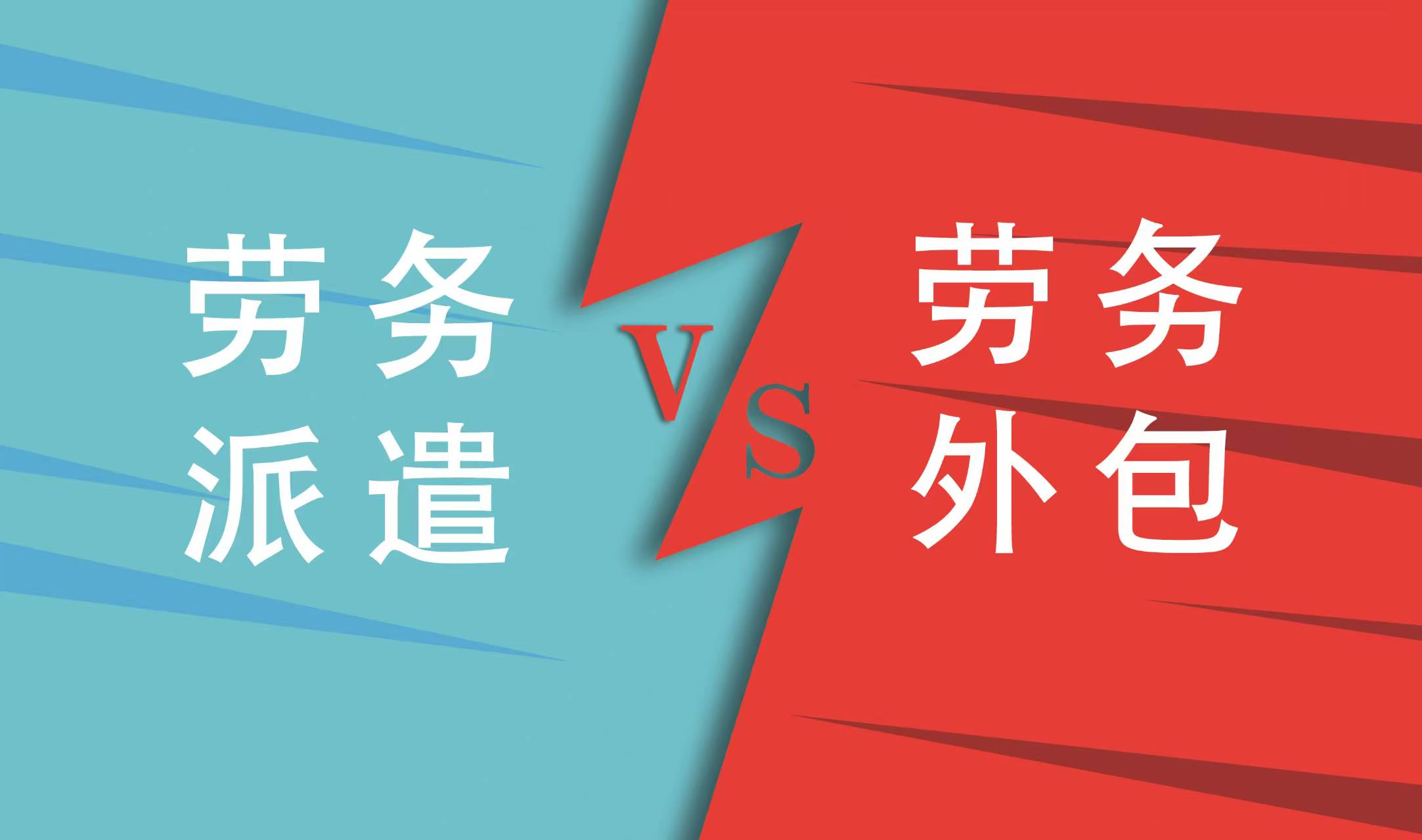







Labor dispatch companies are a specialized human resource service provider, primarily through dispatching employees to work for other enterprises, helping businesses meet their staffing needs. This model is increasingly popular in China, especially amidst rapid economic growth, where businesses demand more flexibility and agility in human resources.
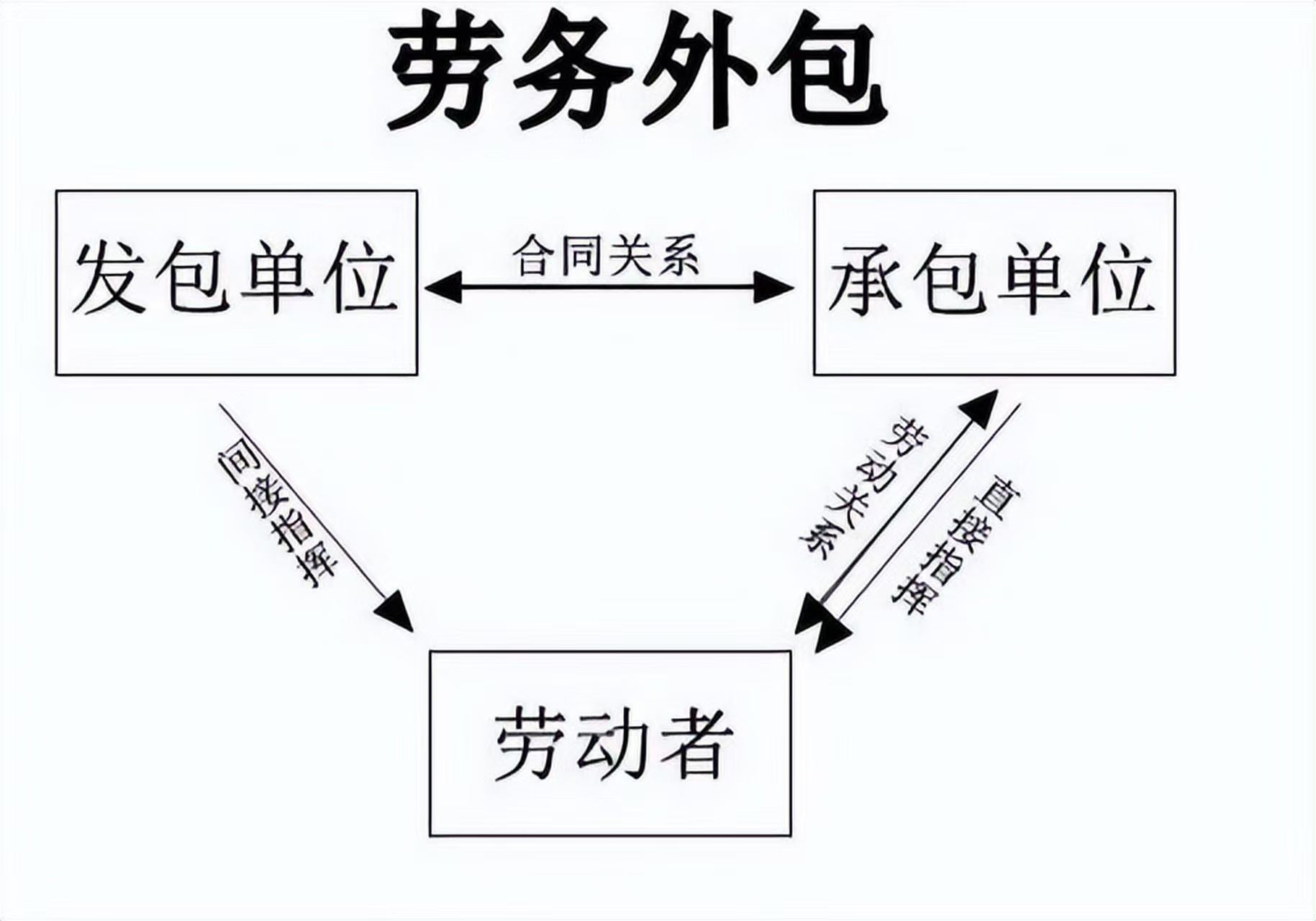
Labor dispatching business model
Staffing agencies typically enter into service contracts with employers, responsible for selecting and hiring employees. While employees work at the employer's location, they have a labor contract with the staffing agency, with the agency handling wages and benefits. The services provided by the staffing agency to employers mainly include training, management, and related legal liabilities, allowing the business to focus on its operations.
Advantages of Labor Dispatch
Flexibility: By utilizing labor dispatching, companies can adjust their staffing levels in response to market demand, thereby reducing labor costs.
Companies can transfer risks such as personnel management and labor disputes to labor dispatching companies, thus avoiding direct legal liability.
Recruitment Rate: Our labor dispatching company can quickly provide personnel that meet the requirements, shorten the recruitment cycle, and enhance work efficiency.
Challenges of Labor Dispatch
Despite the many advantages of labor dispatching, it also faces some challenges and controversies. For instance, the job stability of dispatched employees is relatively low, which may lead to a decrease in employees' sense of belonging and loyalty. Additionally, some companies use dispatching agencies to circumvent legal liabilities and obligations, affecting the credibility of the labor dispatching industry.
Regulatory Policies
To regulate the development of the labor dispatch industry, various countries and regions have introduced relevant regulations to protect the rights of dispatched employees. China specifically regulates labor dispatch in the "Labor Contract Law," requiring dispatching units to provide basic benefits to dispatched workers and ensure their rights are not violated during their employment with the user unit. In response, regulatory efforts have gradually intensified, promoting the industry towards a more standardized and transparent direction.