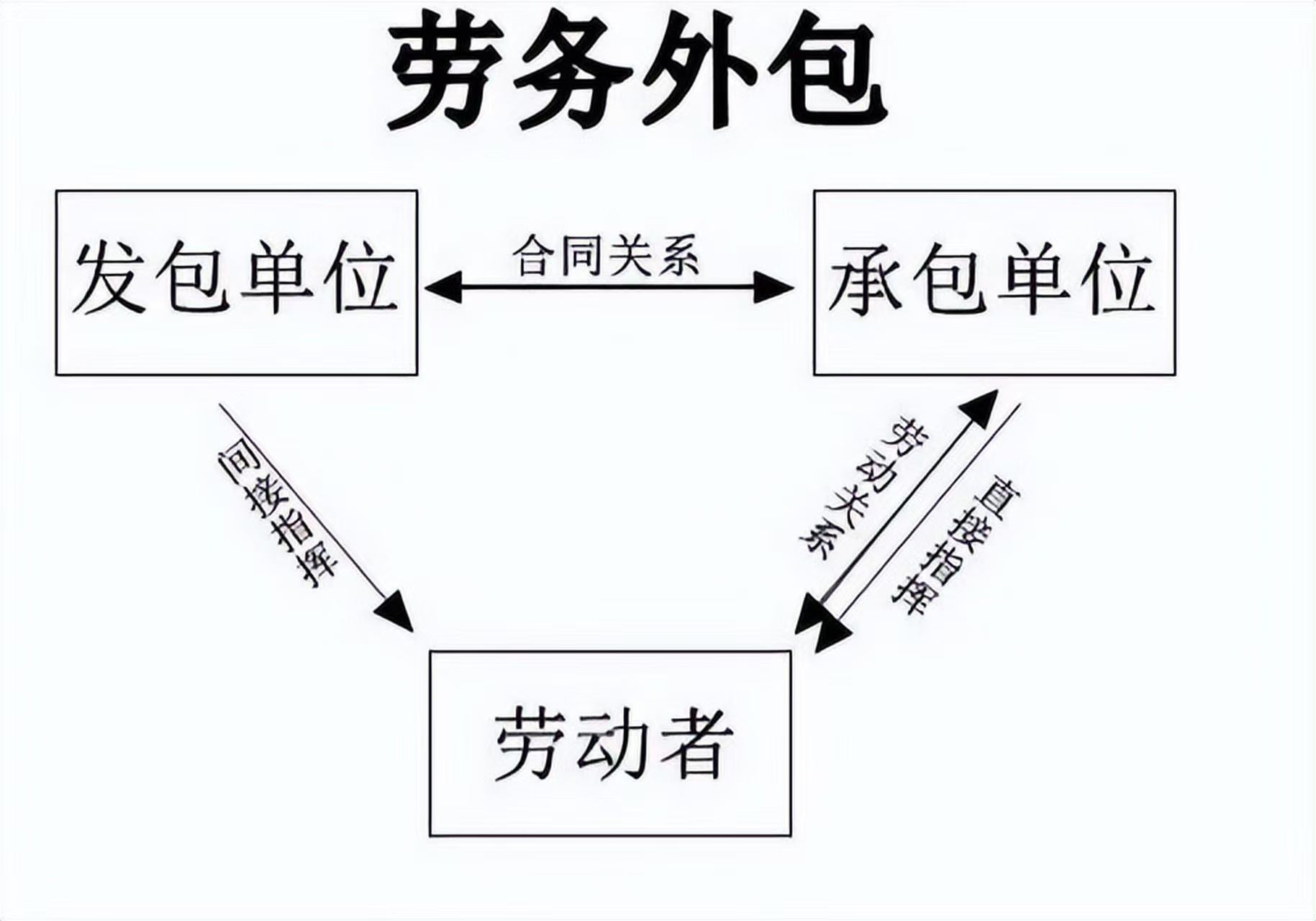


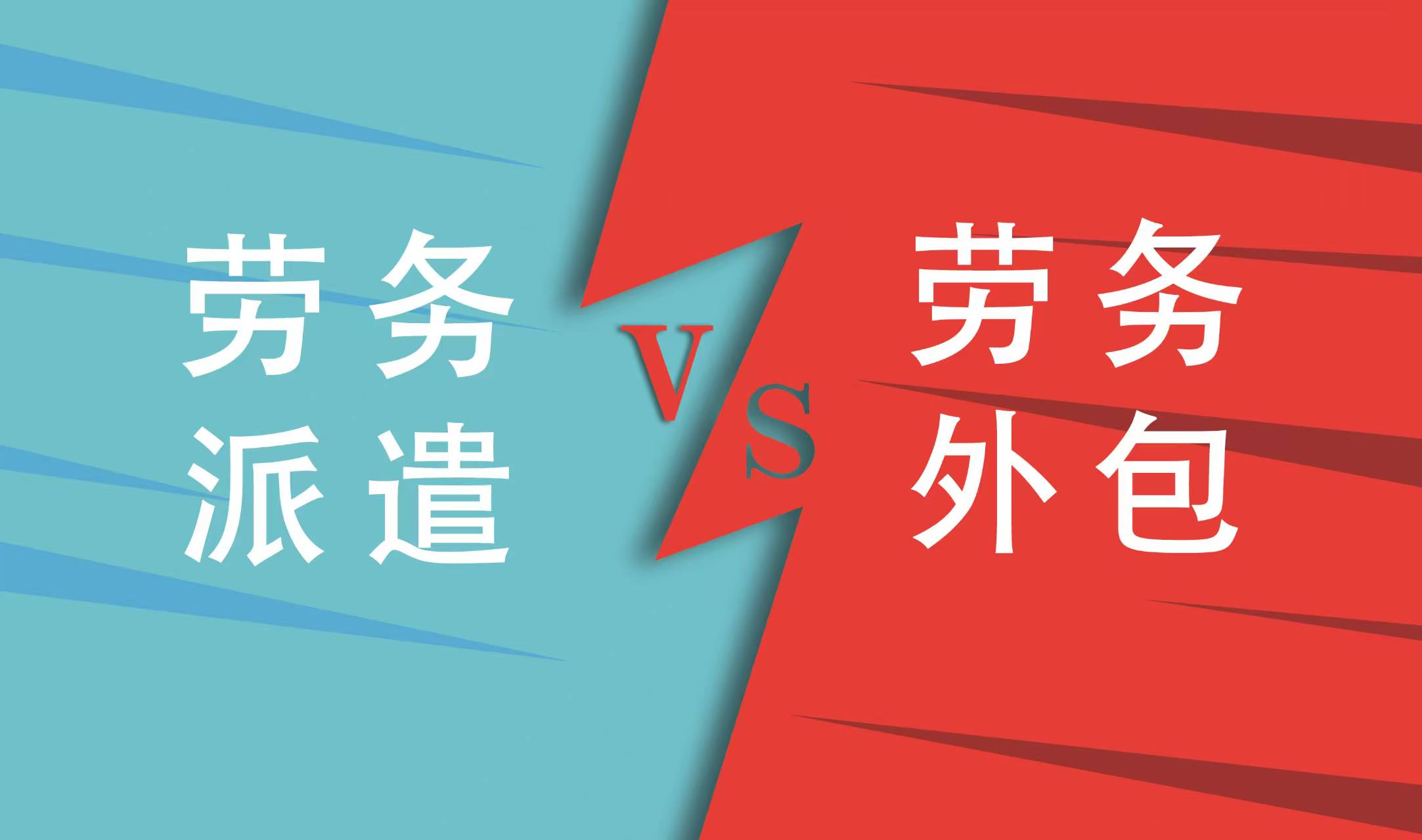








Labor dispatching is a cooperative model between employers and dispatching companies. In this model, the dispatching company is responsible for managing the employees and dispatches them to work at other units. Specifically, its main features and processes include:
Staffing Company: A specialized firm that is responsible for, trains, and manages dispatched employees.
Employer: The company or organization that requires labor, entering into an agreement with the dispatching company to lease employees to meet temporary labor needs.
Staff Dispatch: Employees sign a labor contract with a dispatching company and work at the actual employer's site, but legally, they do not have a direct labor relationship with the employer.
Flexibility: Labor dispatching offers employers a certain degree of flexibility, allowing them to quickly adjust the number of employees based on needs, particularly during peak business periods or when temporary project requirements arise.
Legal Compliance: According to relevant laws and regulations, the dispatching company must ensure the rights and benefits of dispatched employees, such as wages and social security benefits. These may vary by region.