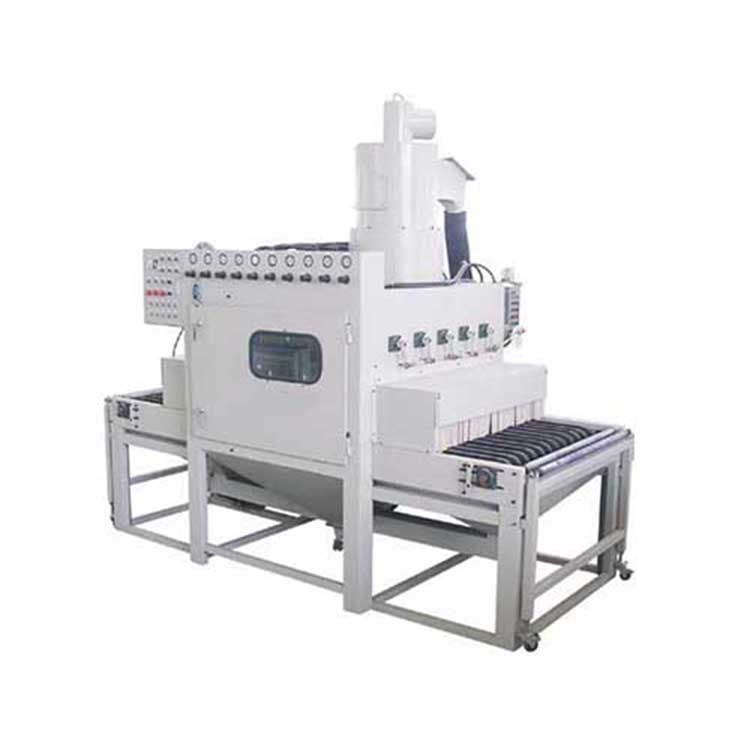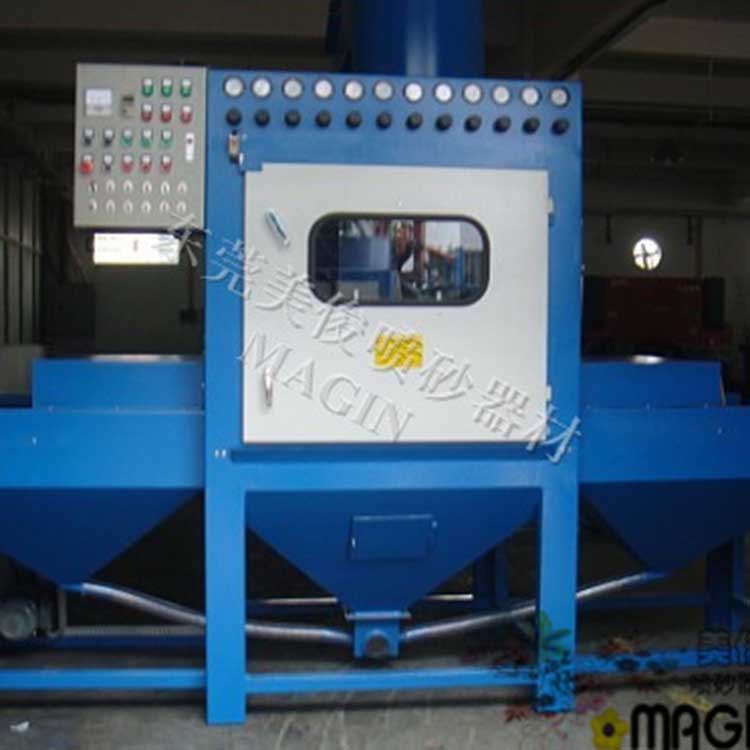


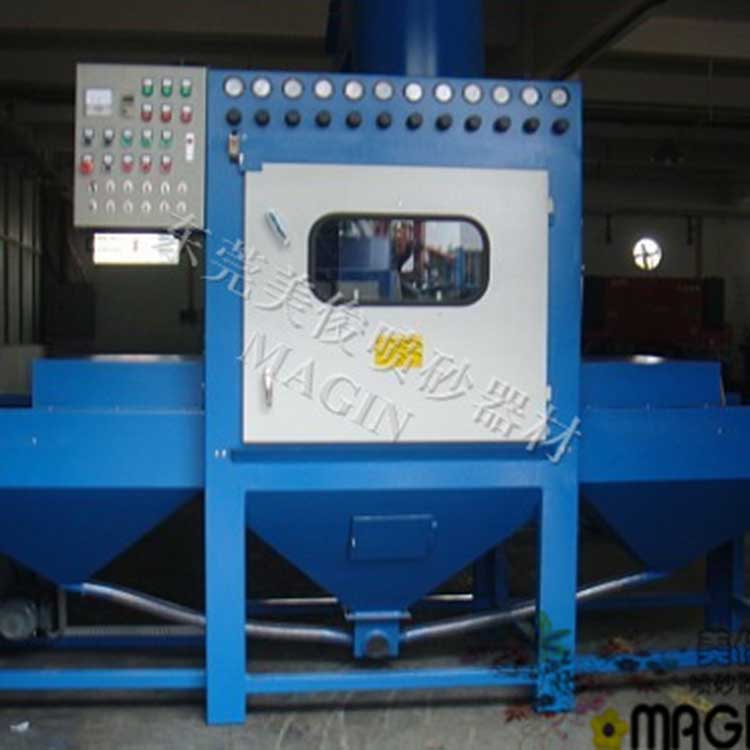
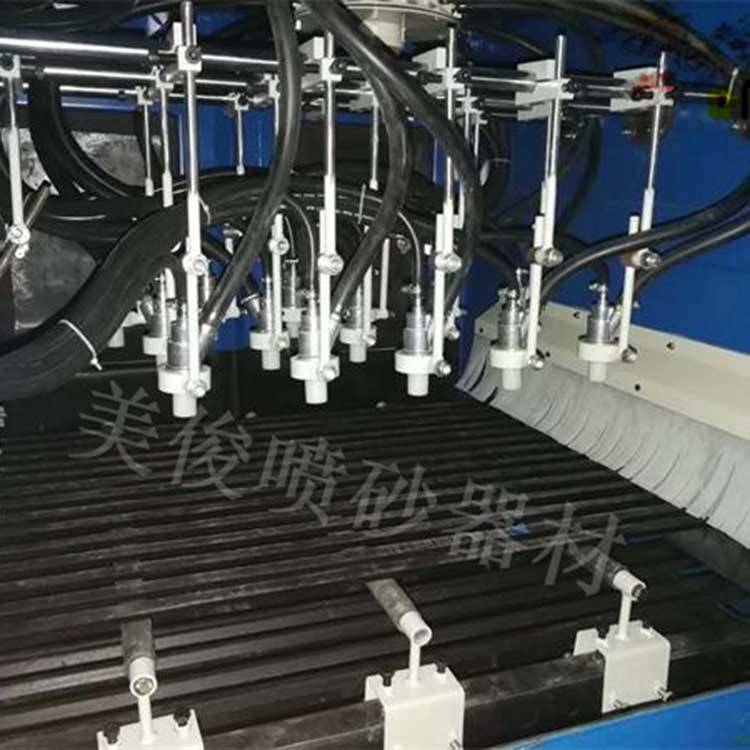


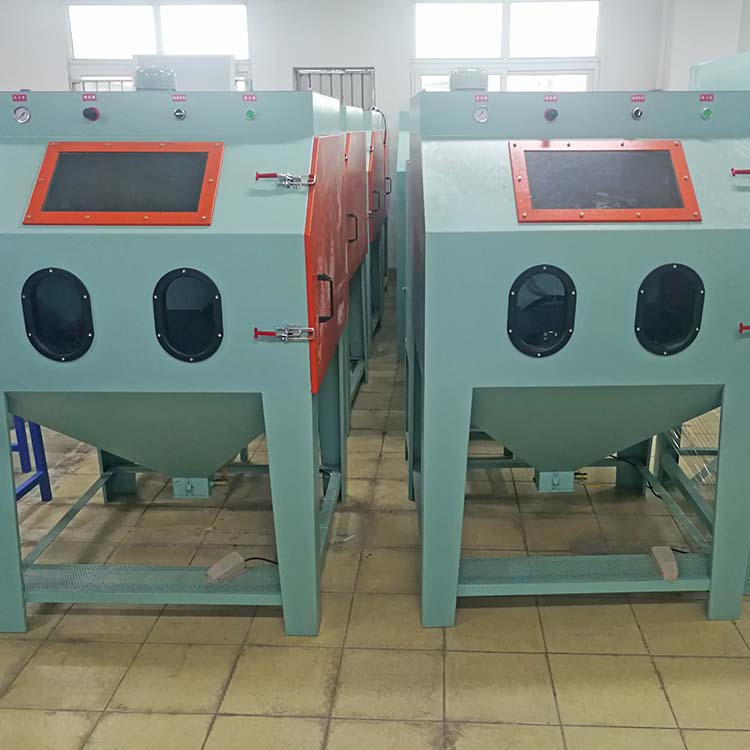





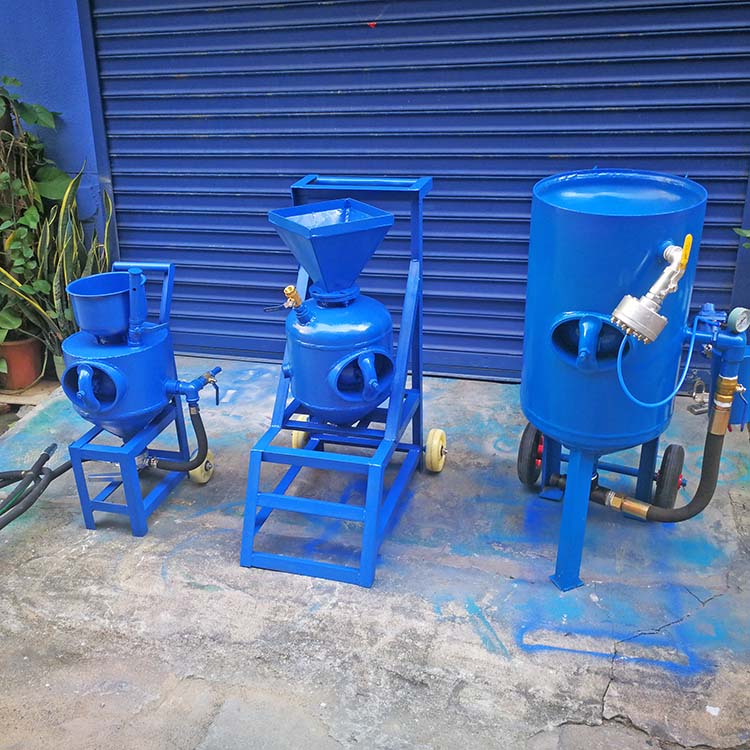
The purpose of the Meijun 1600 Shot Blasting Machine:
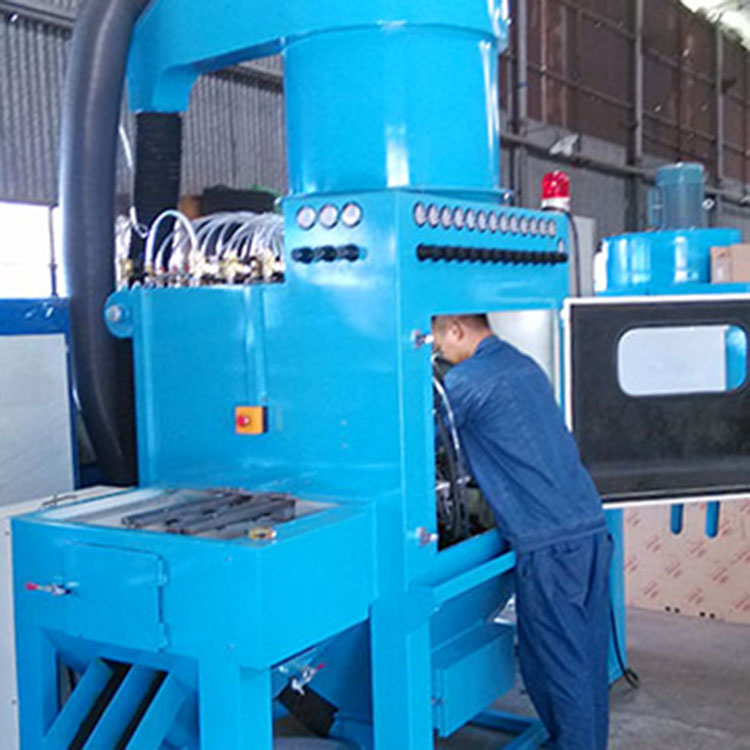
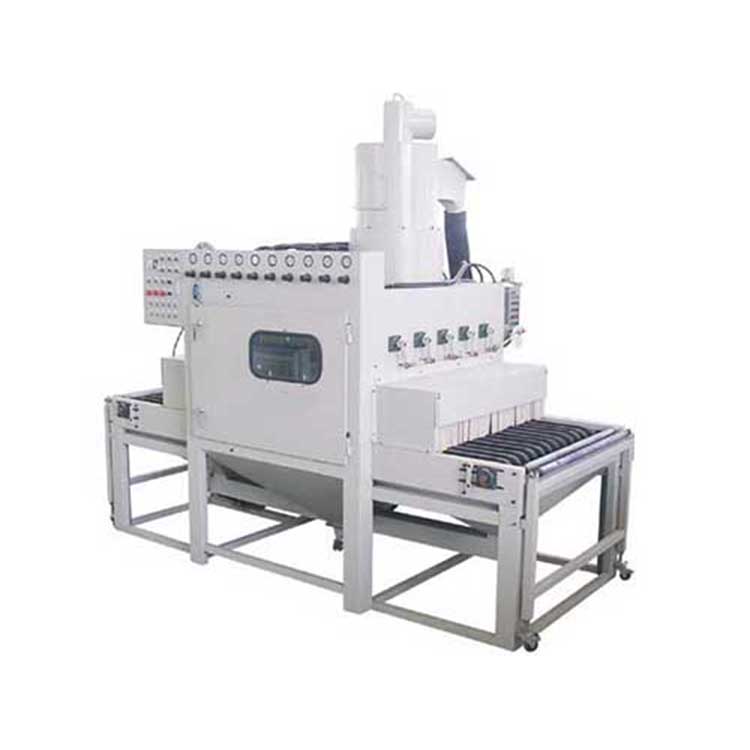
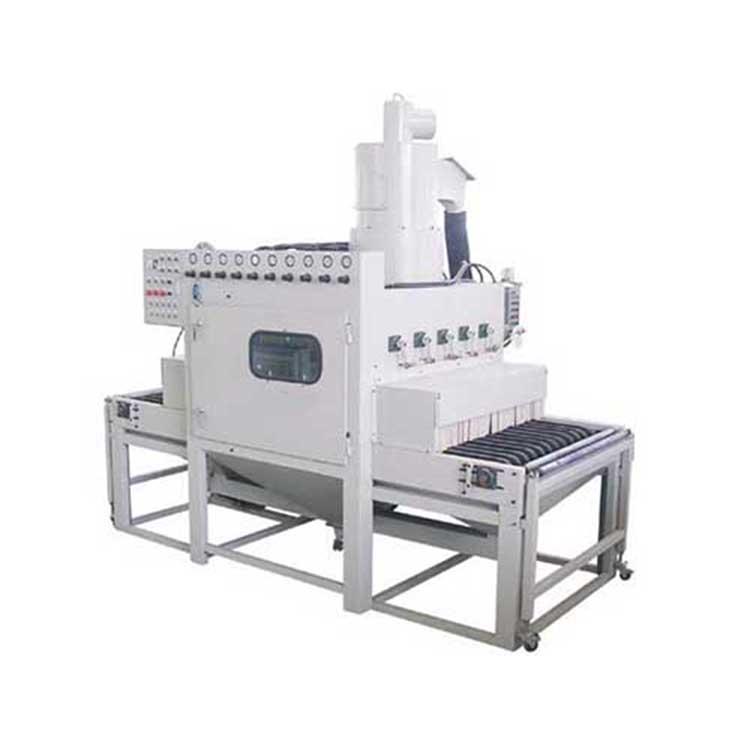
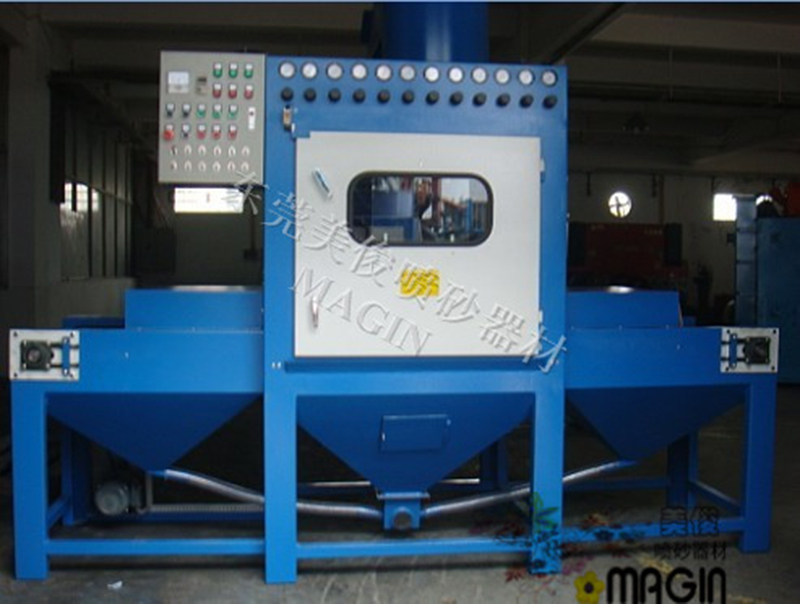
Conveyor-type automatic sandblasting machines are primarily used for flat objects such as glass, steel plates, aluminum alloy plates, and other large or small workpieces for automatic sandblasting. They can also be equipped with fixtures or modified to suit various aluminum alloy parts, castings, and small items for automatic sandblasting, achieving batch sandblasting processing.
Conveyorized Automatic Sandblasting Machine
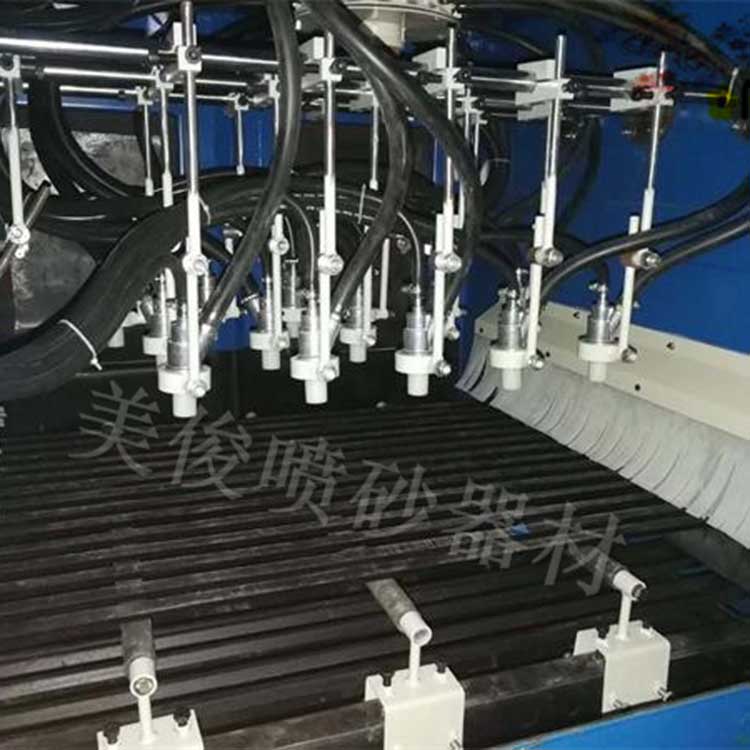
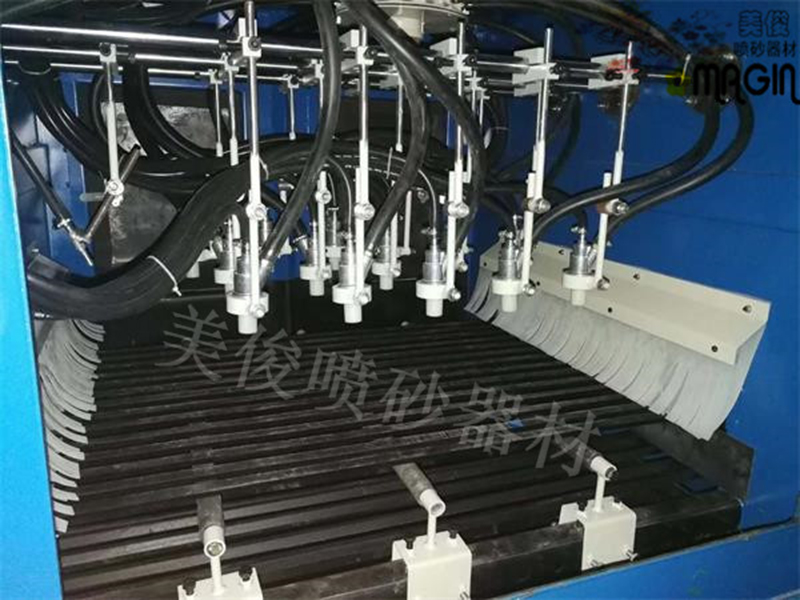
Feed rate 0-5 m/min Variable frequency control Each nozzle can be individually turned on/off 6-12 sandblasting nozzles
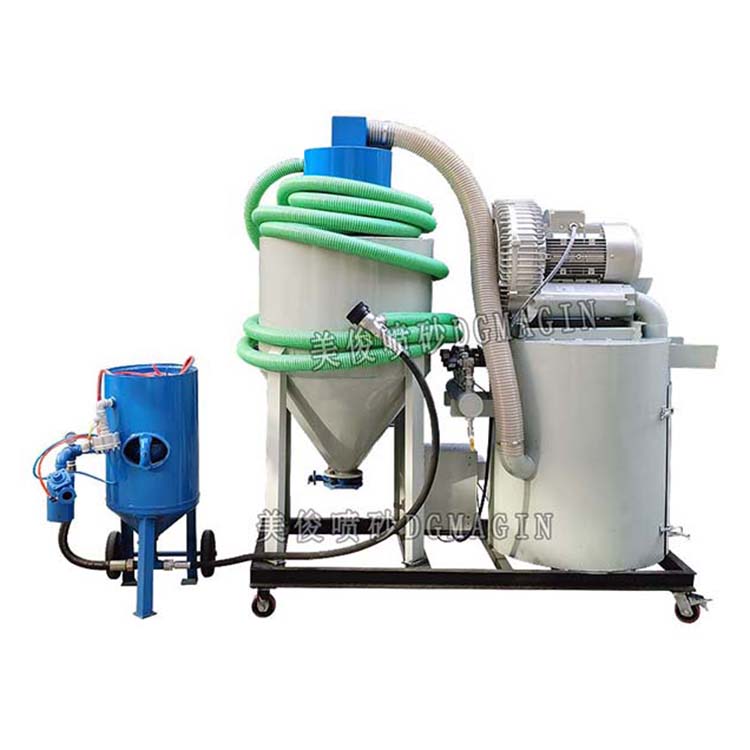
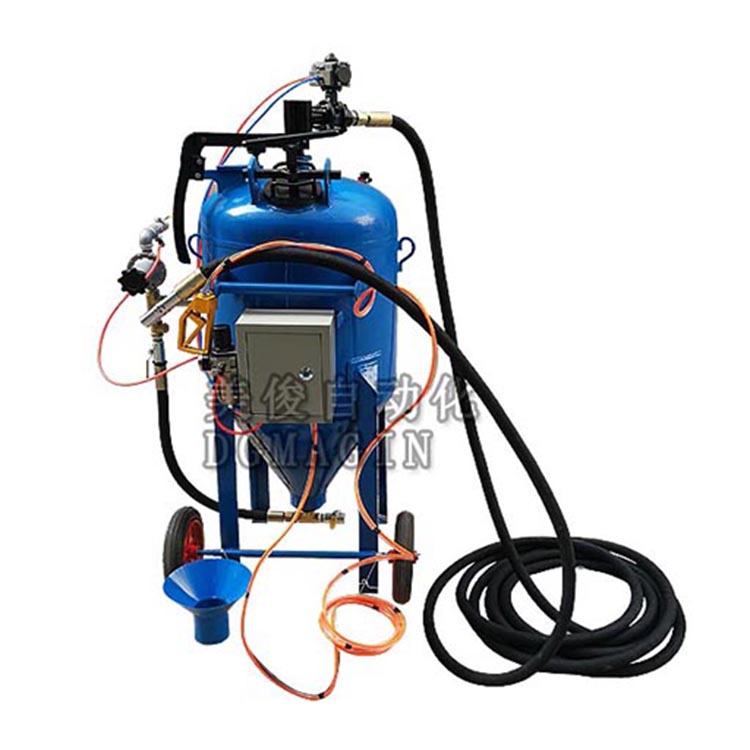
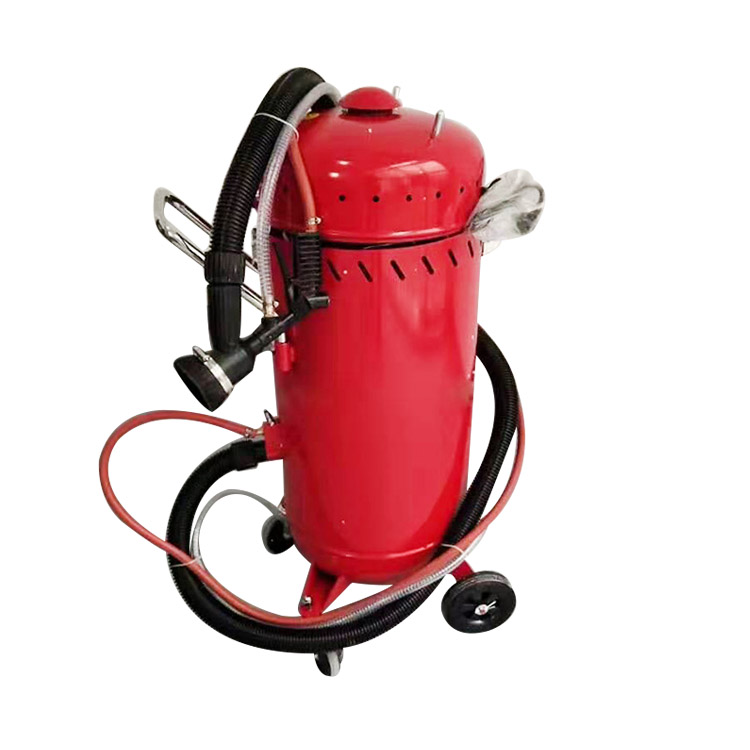
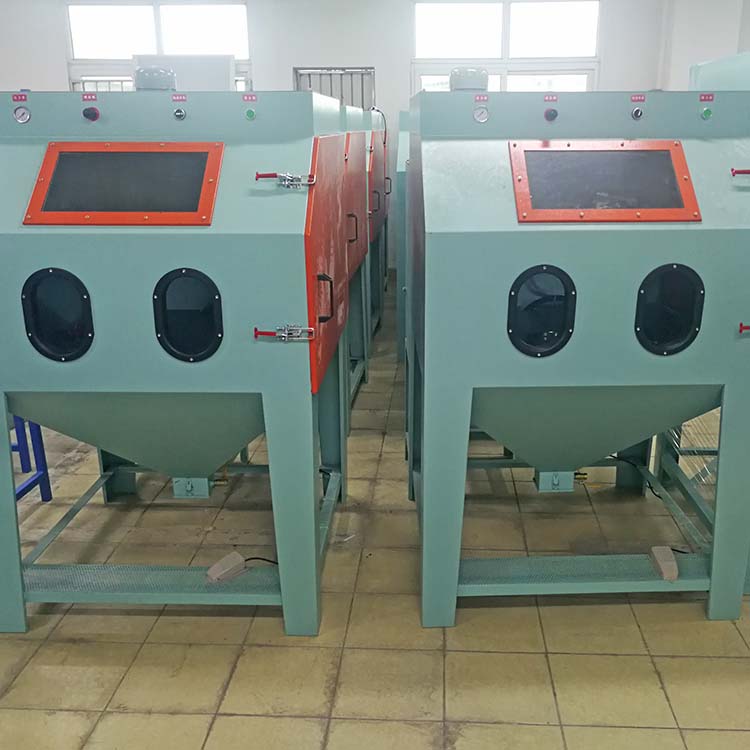
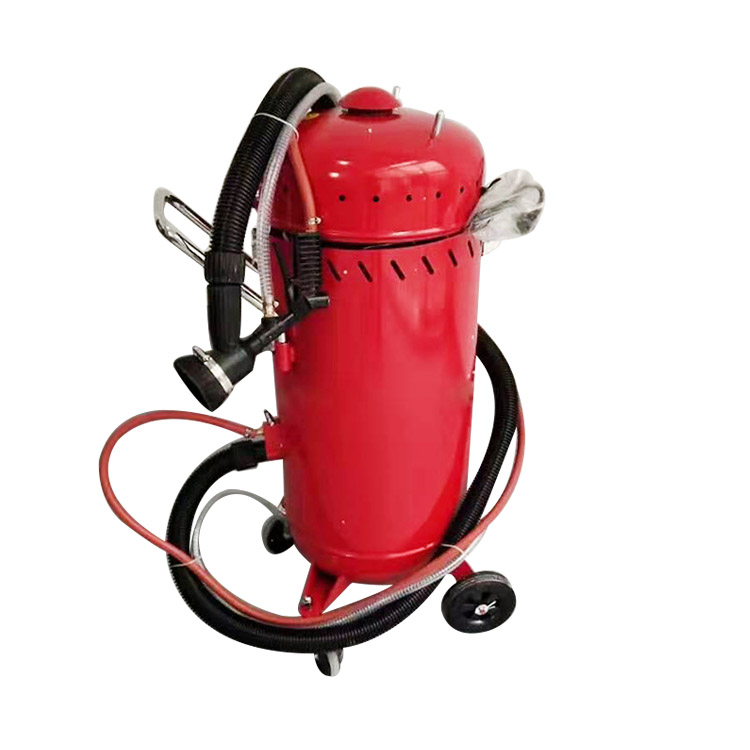
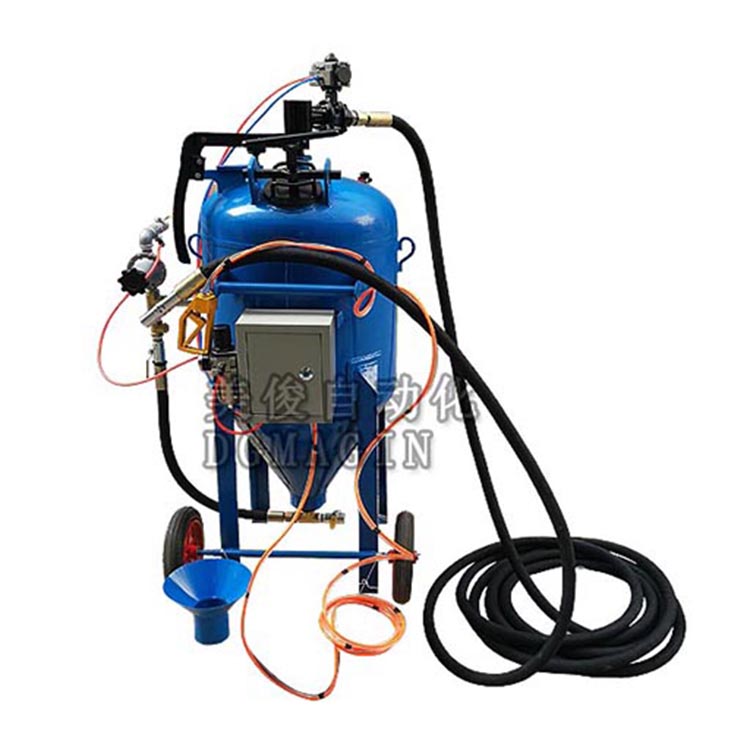
An abrasive blasting machine is a device that uses high-speed compressed air to propel abrasive materials, striking metal and non-metal surfaces to create a matte finish or etched surface. Its applications are versatile, suitable for various materials and purposes without requiring advanced skills. It's easy to operate, offers low processing costs, and enhances the product's high added value.
Surface Treatment: Metal oxidation layer, carbide black skin removal, surface rust and corrosion cleaning for both metal and non-metal, such as: oxide or release agent removal from gravity casting molds and rubber molds, black spots on ceramic surfaces, uranium color removal, and repaint rejuvenation.
2. Aesthetic Processing: Polishing or matte finishing for various gold, karat gold jewelry, and precious metal products; matte finishing for non-metals like crystal, glass, polycarbonate, and acrylic; and treatments that give a metallic luster to the surface. Etching Processing: Etching artistry for jade, crystal, agate, semi-precious stones, seals, ornamental stones, antiques, marble tombstones, ceramics, wood, bamboo slices, and more.
3. Pre-treatment processing: Surface treatments for Teflon, PU, rubber, plastic coating, rubber drums, electroplating, metal spraying, and titanium plating to enhance adhesion.
Deburring processing: Removal of burrs from items such as bakelite, plastic, zinc, aluminum castings, electronic components, cores, etc.
4. Stress Relieving Processing: Stress relief treatments for aerospace and precision industry parts, including deburring, paint and coating removal, and polishing, etc.
5. Electronics Parts Processing: Polishing and etching of semiconductor chips, removing impurities from wafer backside, excess adhesive removal from electronic component encapsulation, surface printing removal from finished products, cleaning of ceramic heaters
1) Mold Processing: General mold surface sandblasting, frosted finish after mold etching, wire-cut molds, glass molds, tire molds, conductive rubber molds, shoe molds, bakelite molds, electroplating molds, keypad molds, plastic injection molds.
2) Processing of Large Workpieces: Rust and paint removal, maintenance, and automatic frosted surface treatment for large flat materials such as oil tanks, chemical tanks, ship hulls, copper structures, sheet metal buildings, containers, and automotive industries. This sandblasting machine is suitable for sandblasting processing on large flat glass, metal (steel, aluminum), and non-metallic panel materials.
Installation Instructions:
1) Select Location: The sandblasting machine should be installed in a well-ventilated, dry area with easy access to power and gas supply.
2) Power Source: The sandblasting machine uses AC380V, 50Hz alternating current. The power switch is equipped with a 4P, 40A air circuit breaker.
3) Select Gas Source: The intake pipeline of the sandblasting machine should use iron pipe with a diameter of 1 inch or more for gas supply, and the gas source must be dry and clean.
4) The site, power, and gas sources are ready. Please check the screws and parts of the machine for any looseness or damage. If any are found, secure them firmly or replace them with new ones.
5) Position the dust collector against the back of the main unit and connect the vacuum tube and power supply to the main unit.
6) Connect to compressed air.
7) Connect the main power supply.
8) Installation complete.
Sandblasting machine operation
1. Add Sand: Turn on the dust collector and slowly pour the sand material into the sandblasting machine's air stream. The initial sand addition is approximately 50-60 kg. During operation, the sand material will be consumed, so it's necessary to replenish with a moderate amount of new sand to maintain sufficient sand within the machine for continuous circulation and to ensure uniformity of sand grain size.
Note:
(1) Upon the first use of the new machine, thoroughly clean out any remaining iron shavings and other debris inside.
(2) The amount of sand should not be too much or too little; maintain approximately 50-60 kg of sand material in the machine at all times.
2. Prior to each operation, inspect the condition of each spray gun to determine if the nozzle, sand tube, and other consumables need replacement. Then, activate the swing motor and individually turn on the switches of each gun to check if the sand flow is normal.
3. After inspection, set the transmission speed, start the dust collector, activate the spray gun movement, turn on the conveyor belt, switch on the spray gun, and you can begin the sandblasting process. During processing, place the product into the feed opening and remove the finished product from the discharge opening.
4. Dust Collector Dust Cleaning Operation: The dust collector should be shut down for cleaning after every 4 hours of operation. During cleaning, ensure the fan blades are completely stopped. An effective cleaning method is to, after daily use, open the dust collector door, tap the fabric tube several times with a cloth and shake the fabric tube rod, then open the bottom cover of the dust collector to release the collected dust.
5. Sand Discharge Operation: Start the dust collector and release the 3-inch plug at the bottom of the separator; the sand material will flow out.