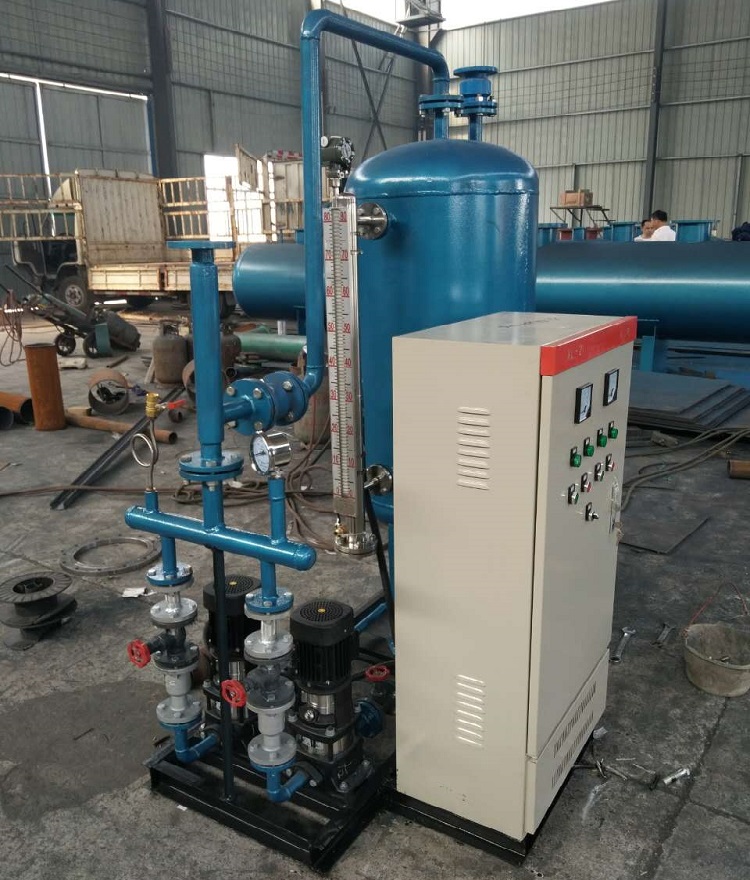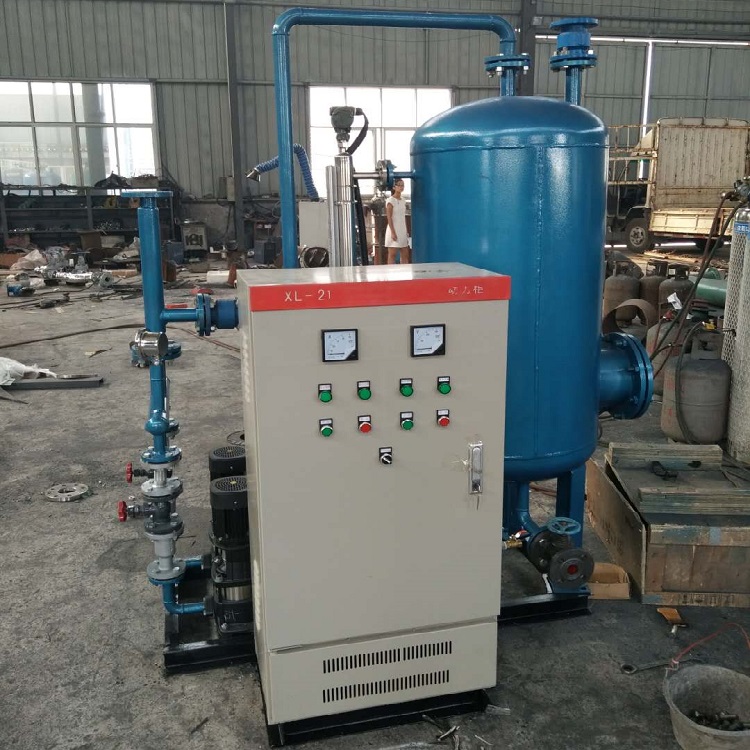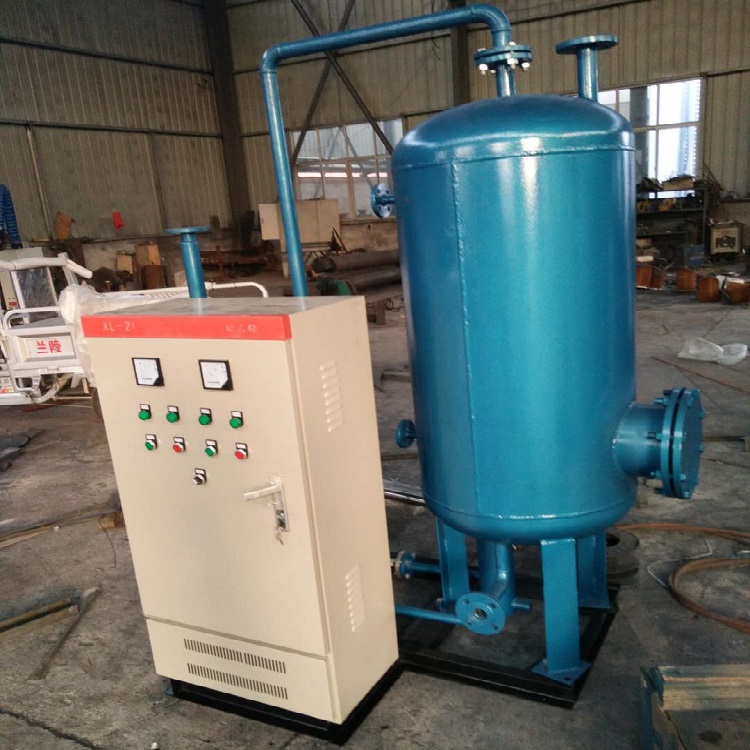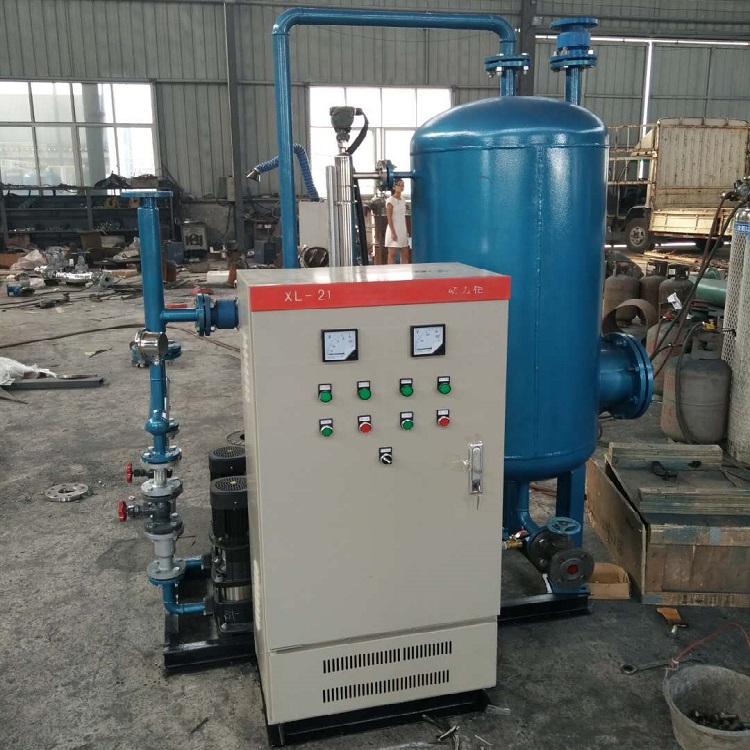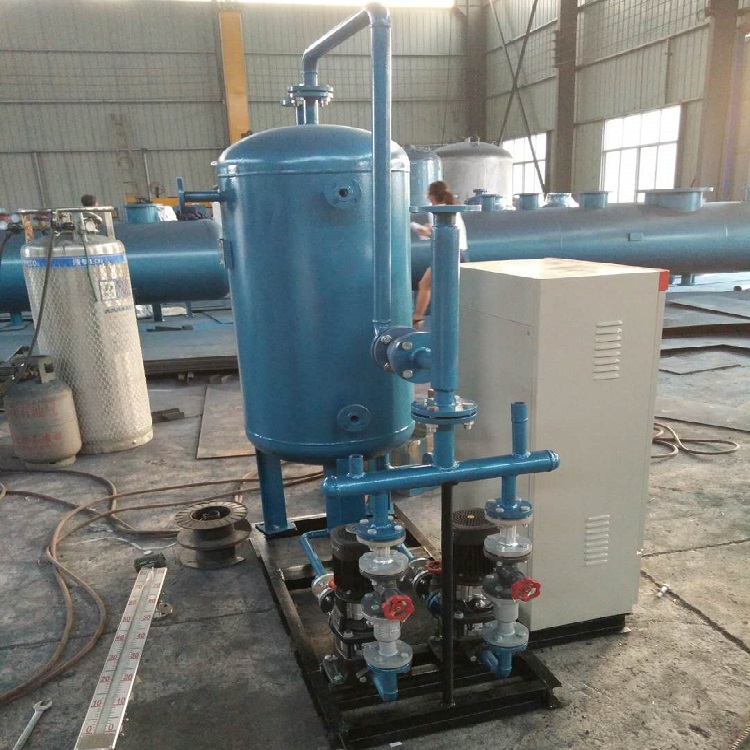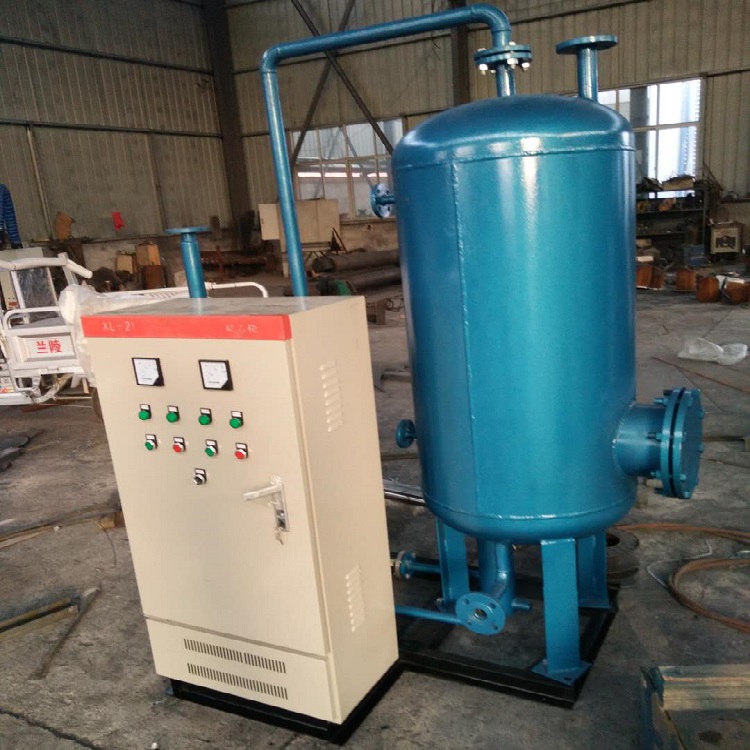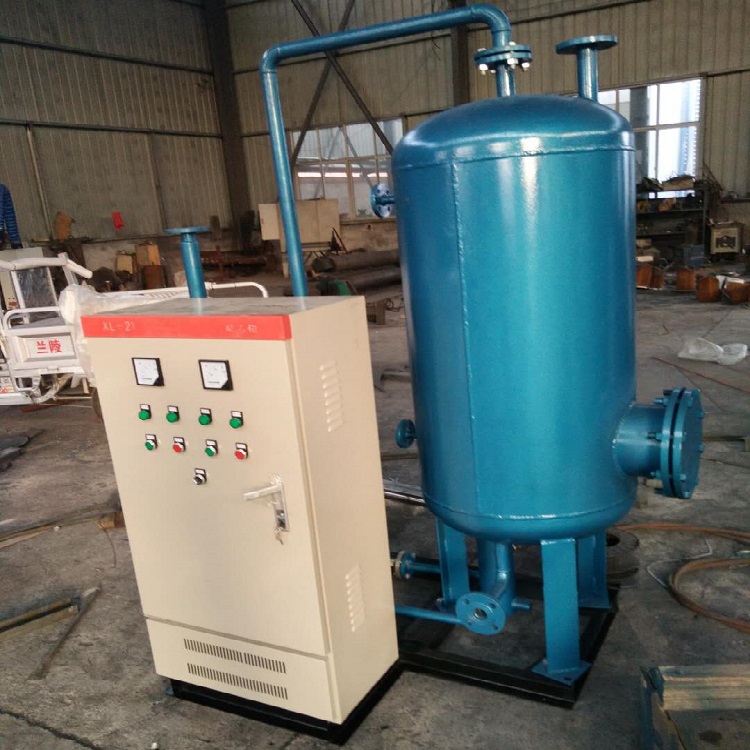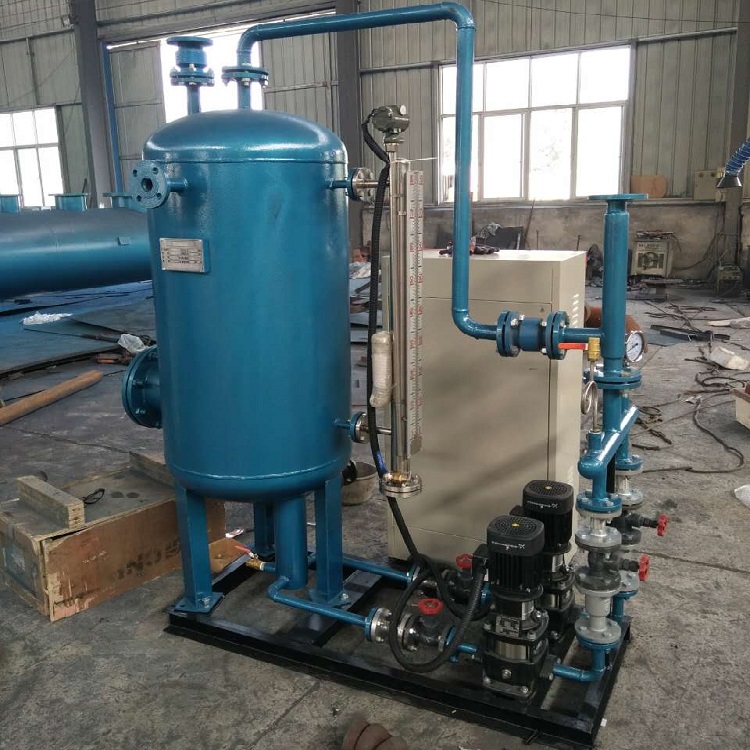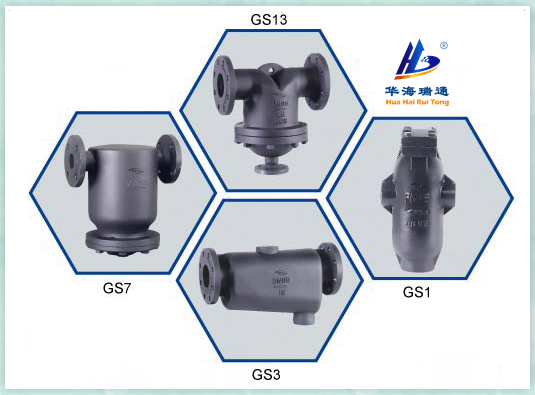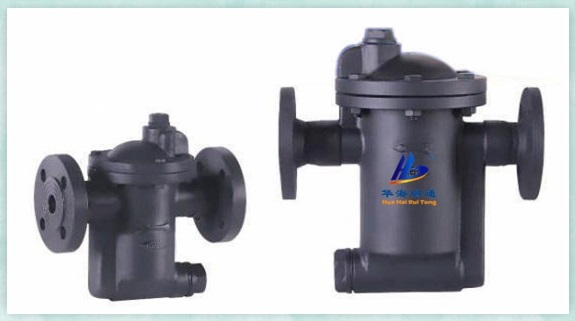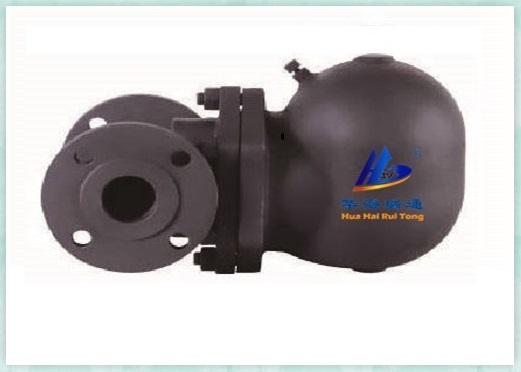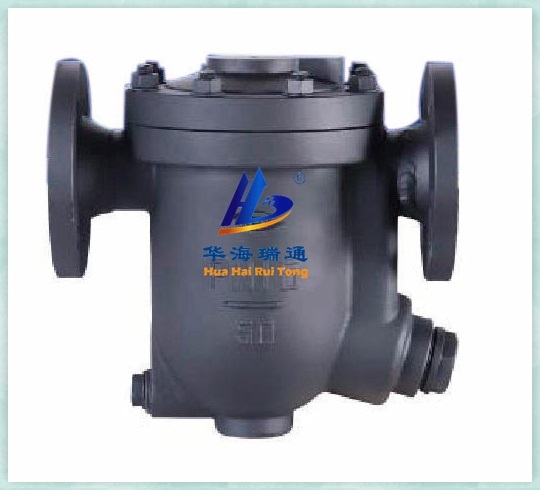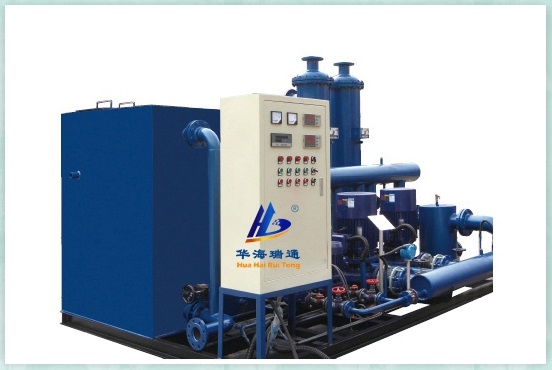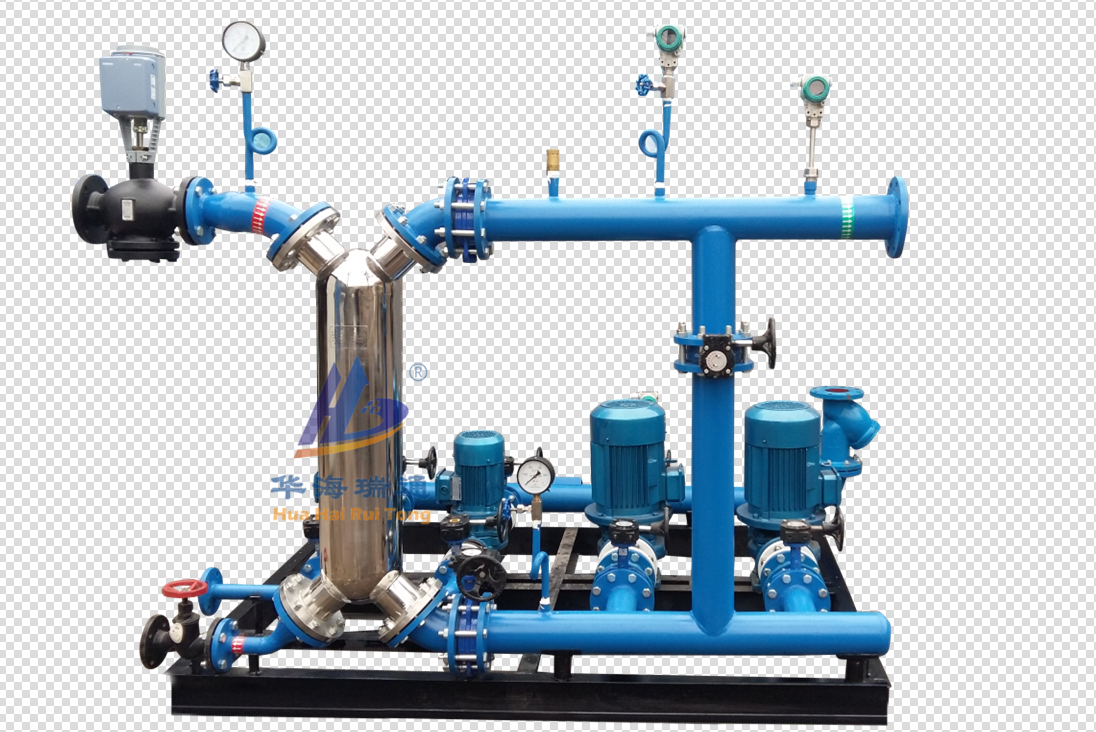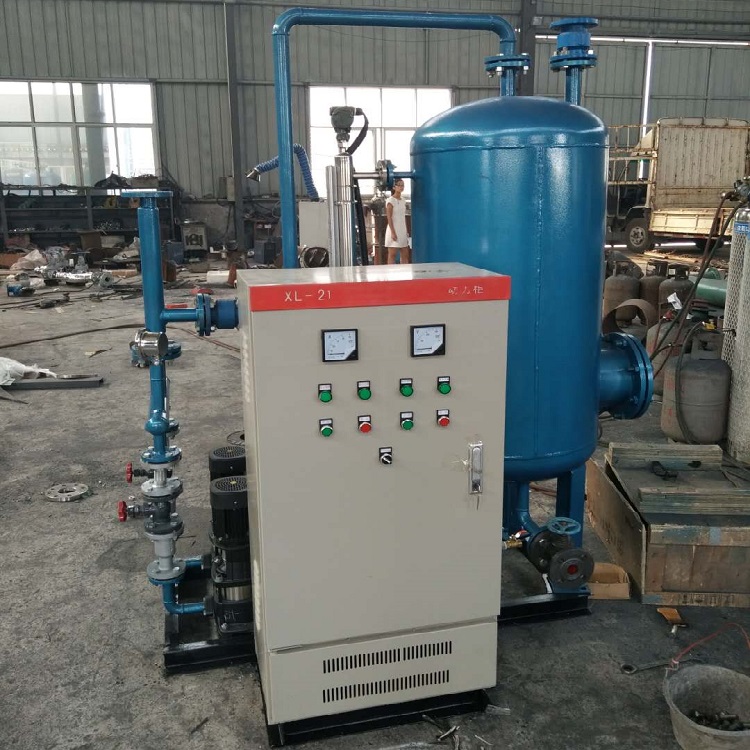

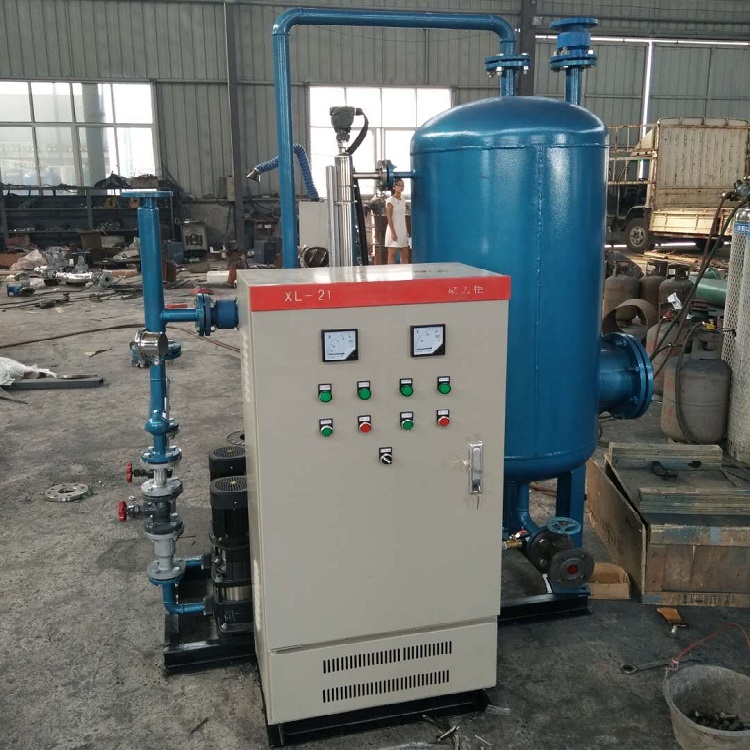
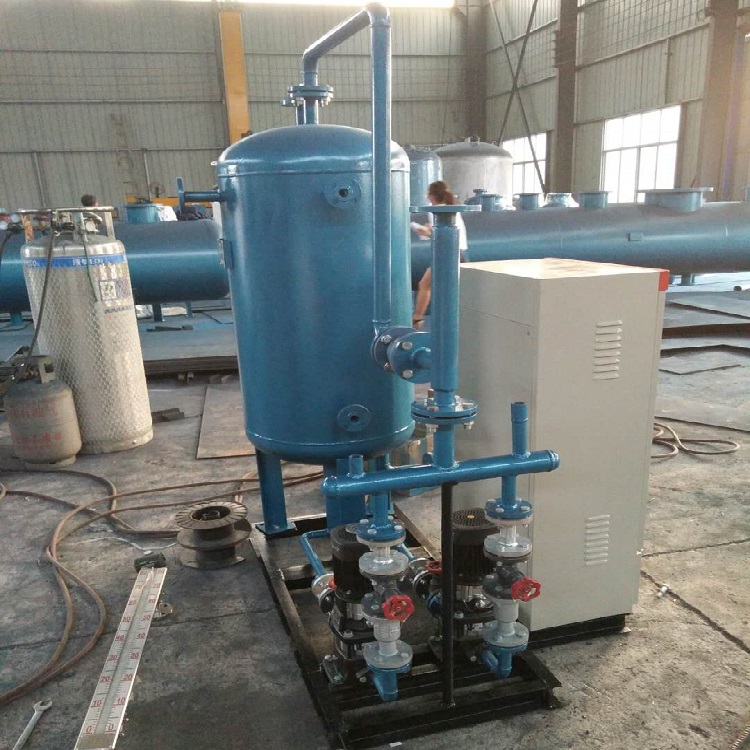
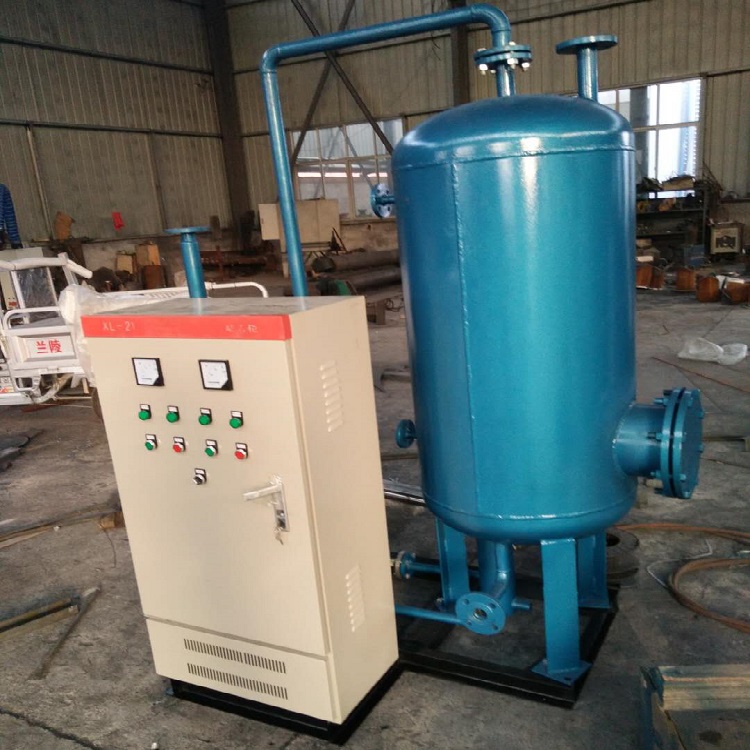


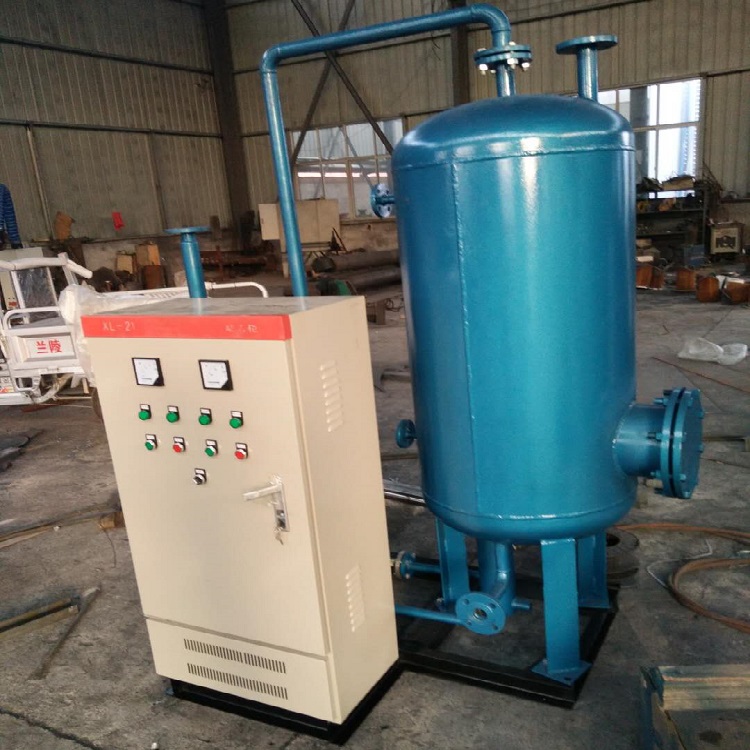





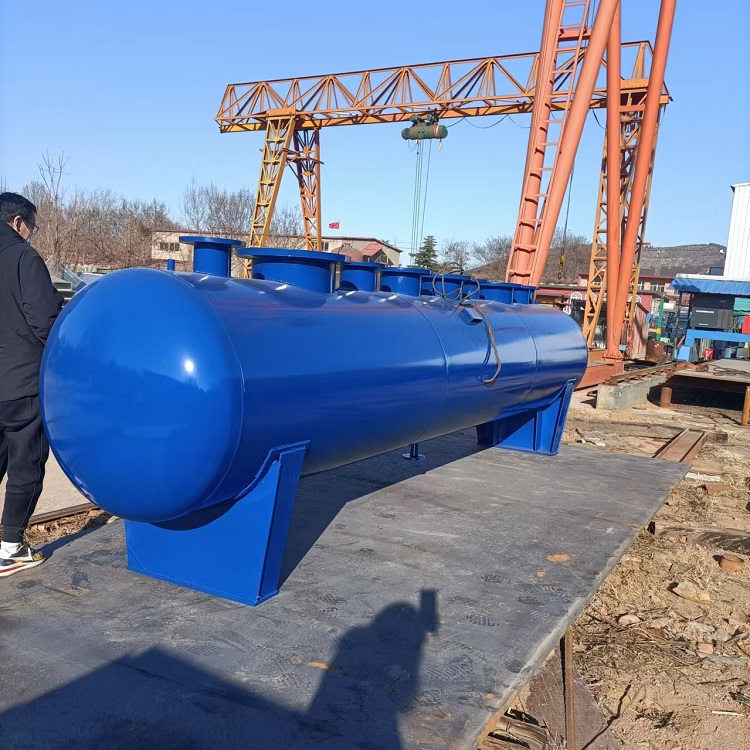
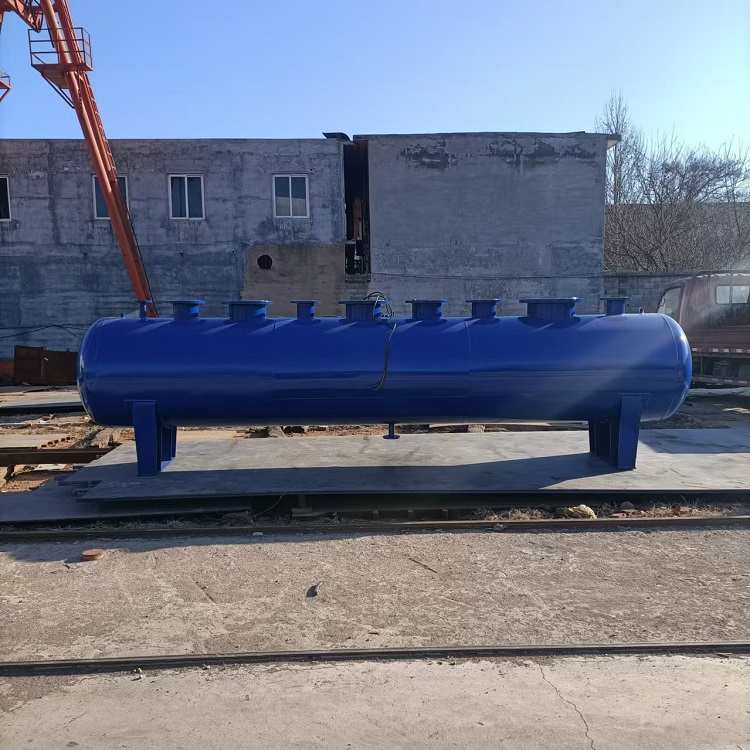
Condensate Recovery UnitA crucial equipment for recovering and reusing condensate in steam heating systems, its core function lies in enhancing energy utilization efficiency and reducing operational costs. Below is a detailed analysis of the comprehensive technical principles, system types, and market applications:
I. Equipment Definition and Working Principle
Basic Composition
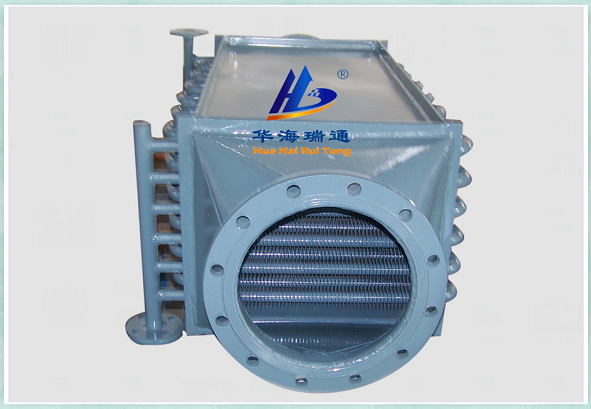
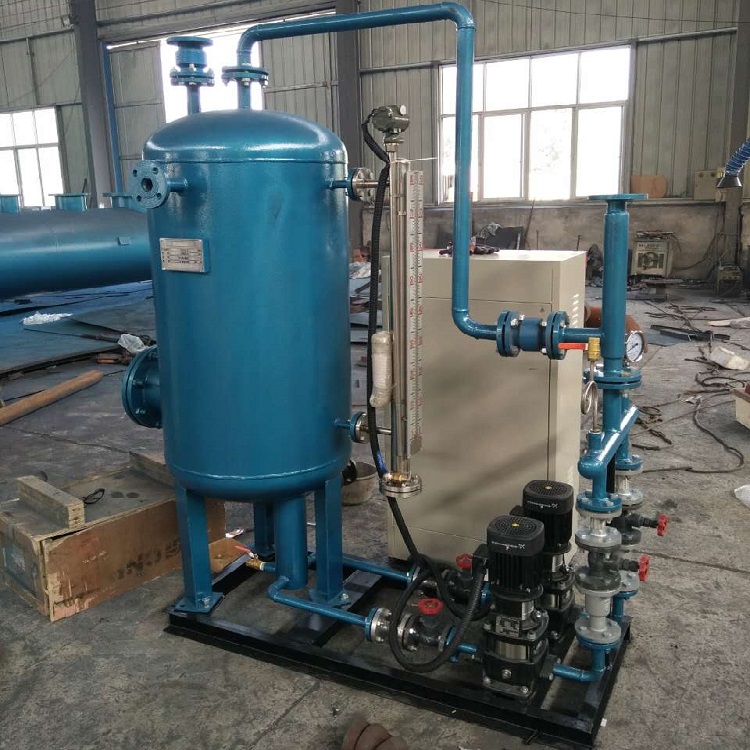
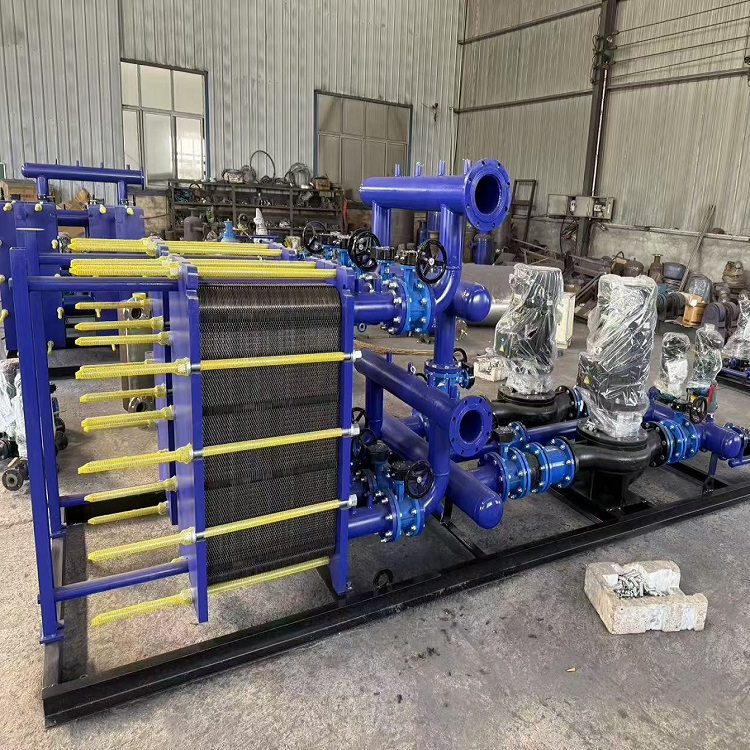
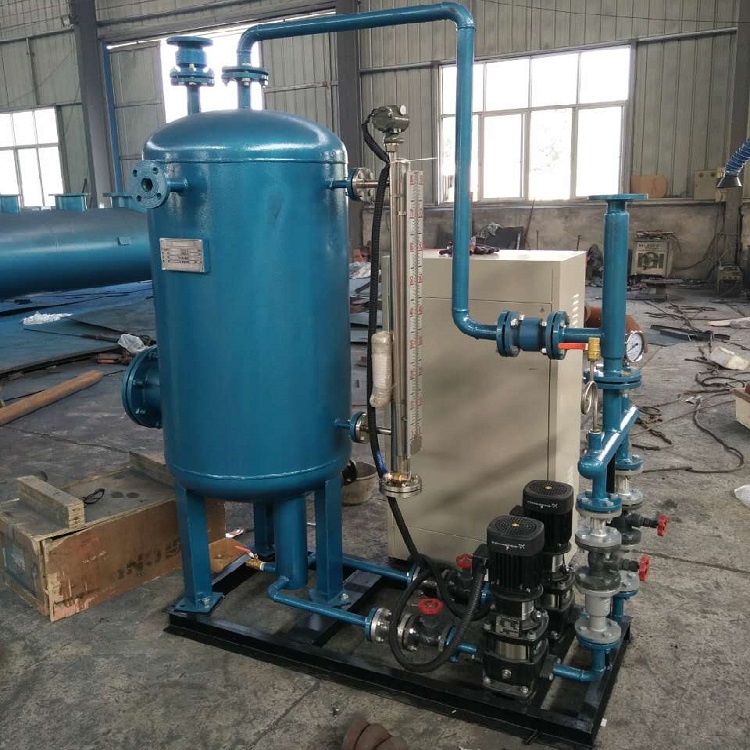
Condensate recovery units typically consist of heat exchangers, filters, controllers, pump sets, and sealing devices. They achieve efficient condensate recovery through multi-stage heat exchange and filtration systems.。
Process Flow
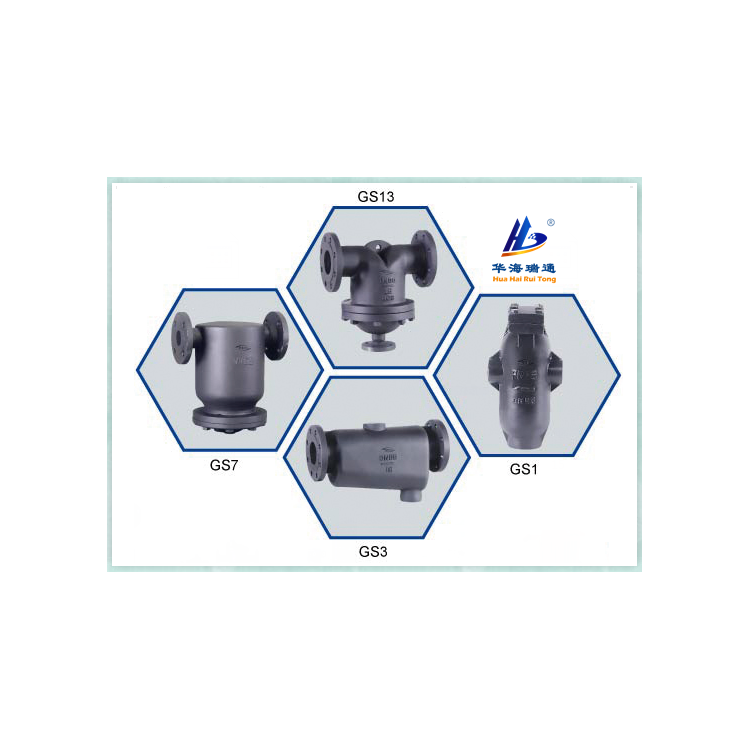
Condensation and Filtration: Steam is introduced through the intake pipe into a filter to remove impurities, then it proceeds to the primary and secondary heat exchangers for condensation conversion.
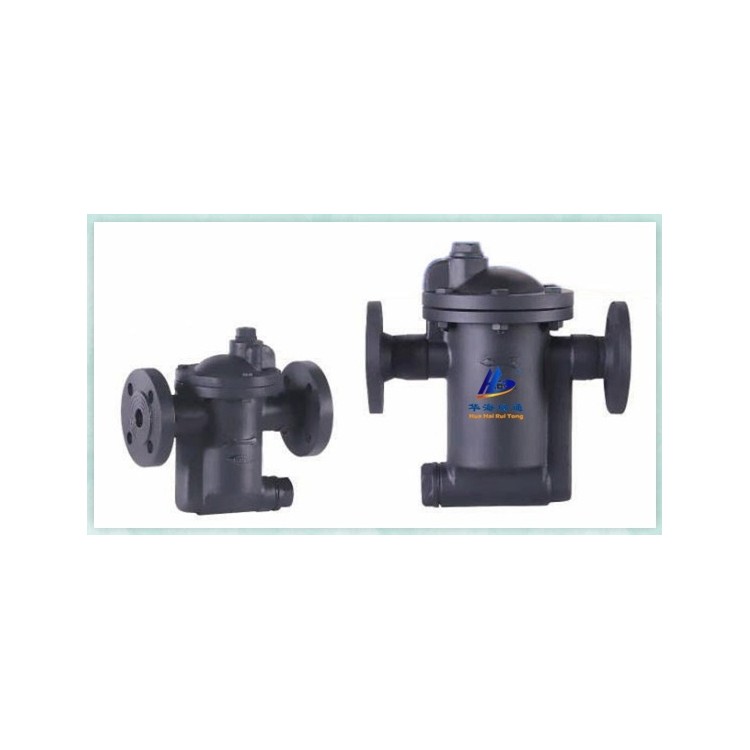
Pressure Control and Conveyance: Adjusts pressure within the pump chamber through a float valve and a power gas system to achieve automatic discharge and recirculation of condensate water.
Intelligent Adjustment: The touch panel, in conjunction with the controller, allows for the setting of liquid level and temperature parameters, supporting variable frequency pressure regulation and dual pump switching, adapting to complex working conditions._
II. Core Technology Features
1High-efficiency heat recovery
Closed-loop system design maintains condensate pressure above atmospheric pressure, reducing heat loss, with the recovered water temperature reaching100Above °C, thermal energy utilization rate improves30%Above.
2Automated Monitoring
Real-time monitoring of traction end anomalies, with timely early warnings via sensor feedback to prevent equipment failure.。
Integrated automatic pressure regulation and alarm function, reducing manual intervention。
3Environmental Protection and Energy Conservation
Reduce secondary flash steam emissions, decrease thermal and noise pollution, while also conserving20%-30%Fuel and90%Softened water.