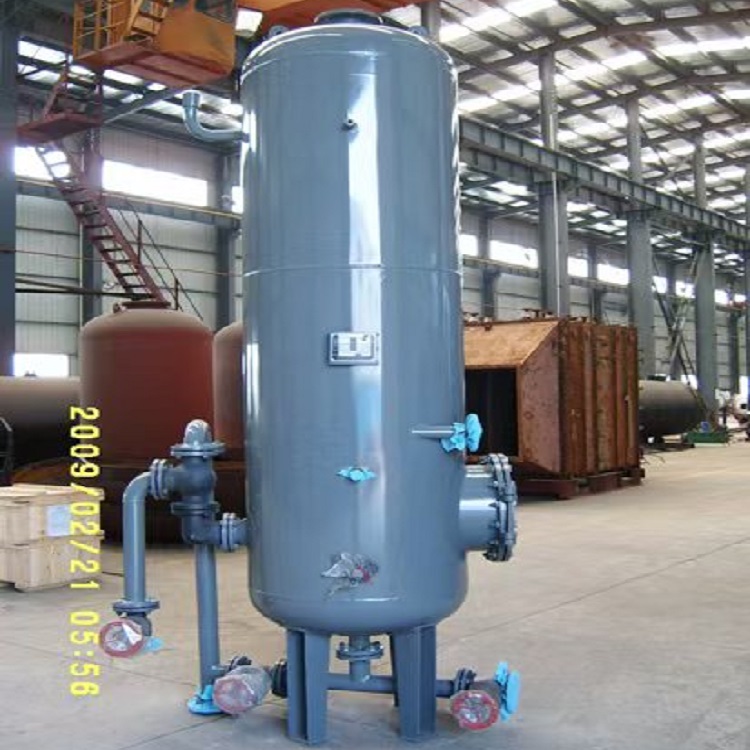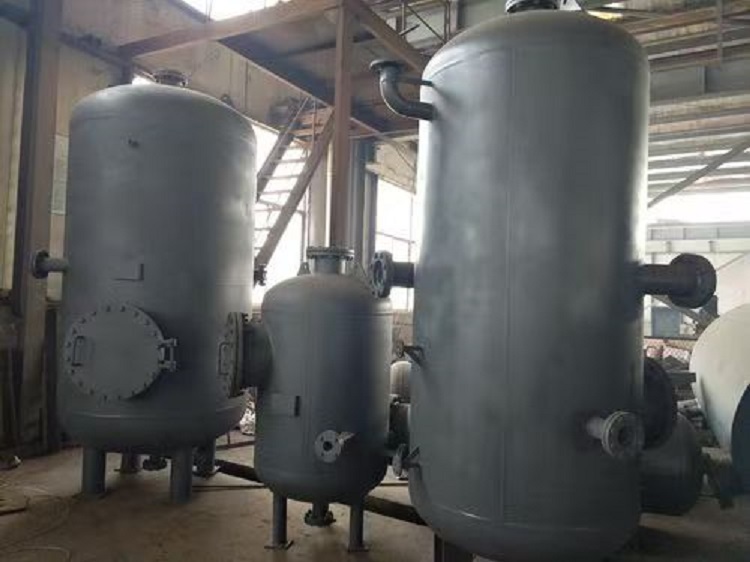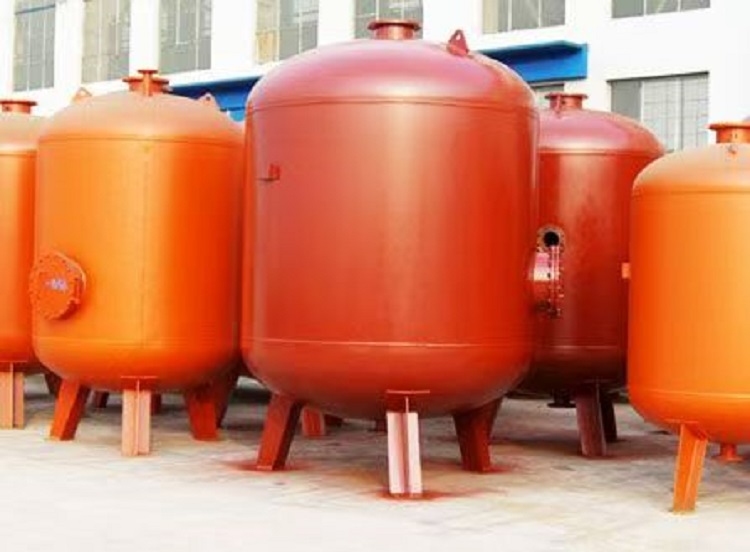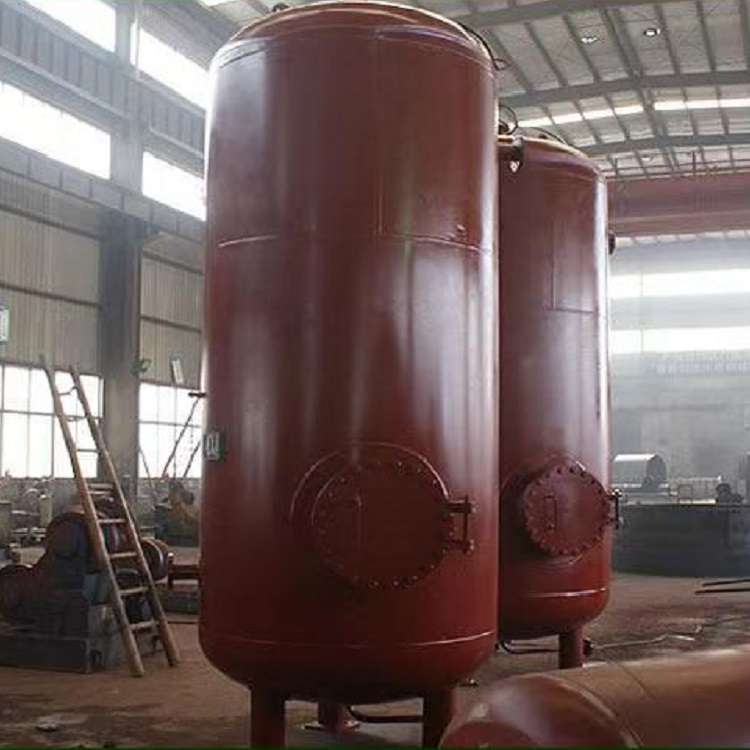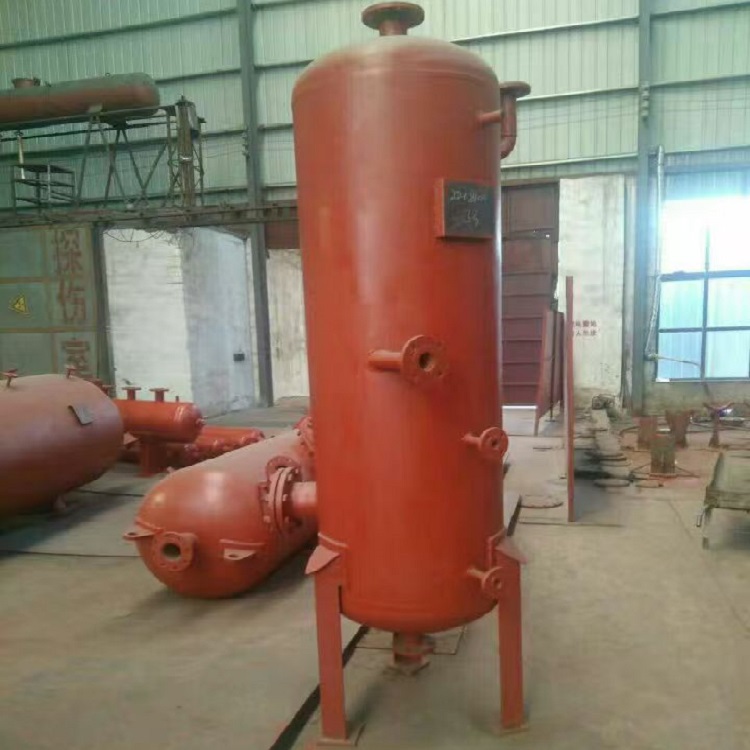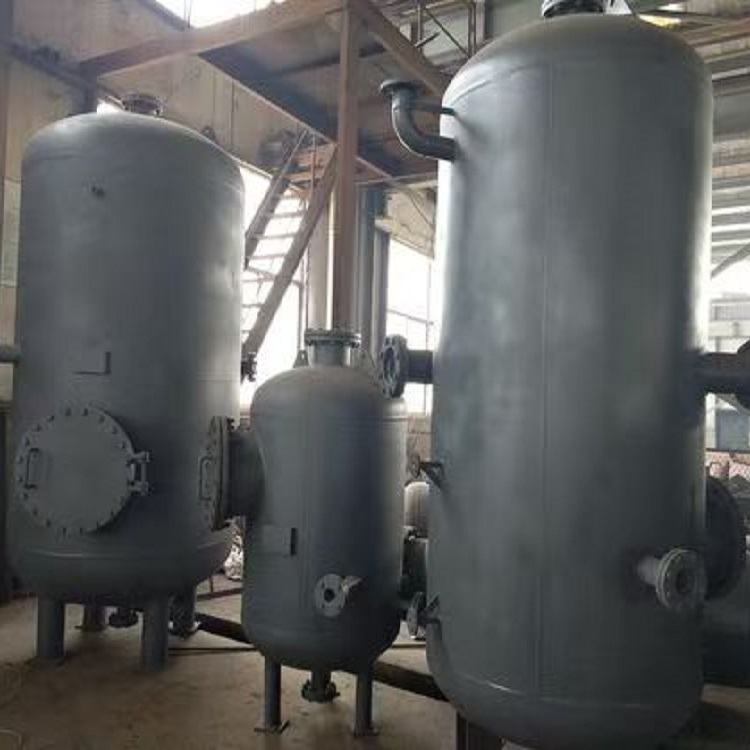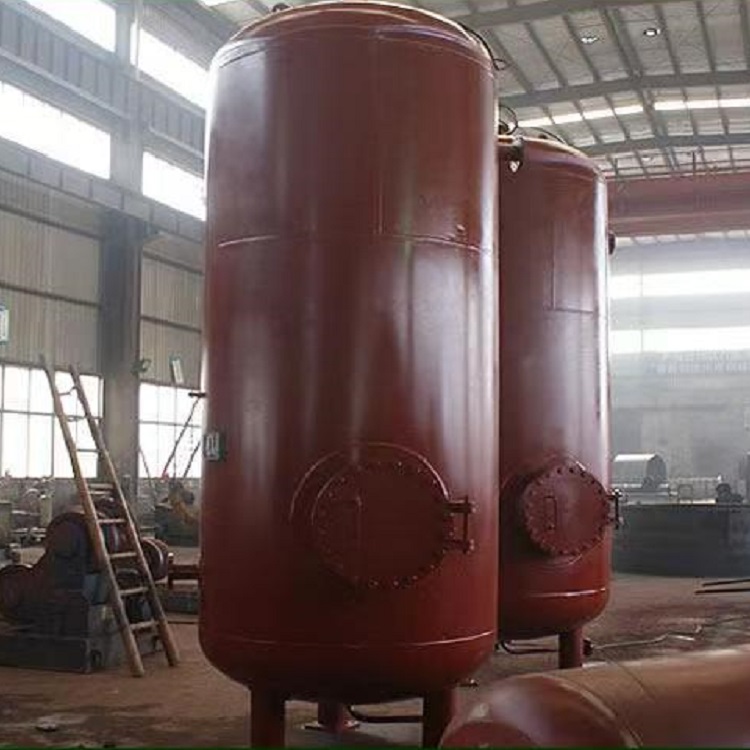

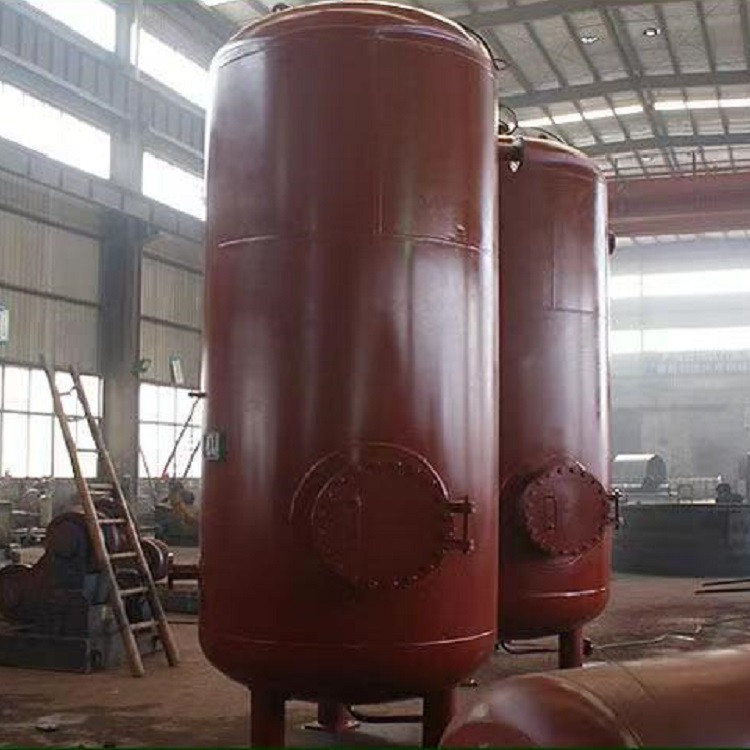
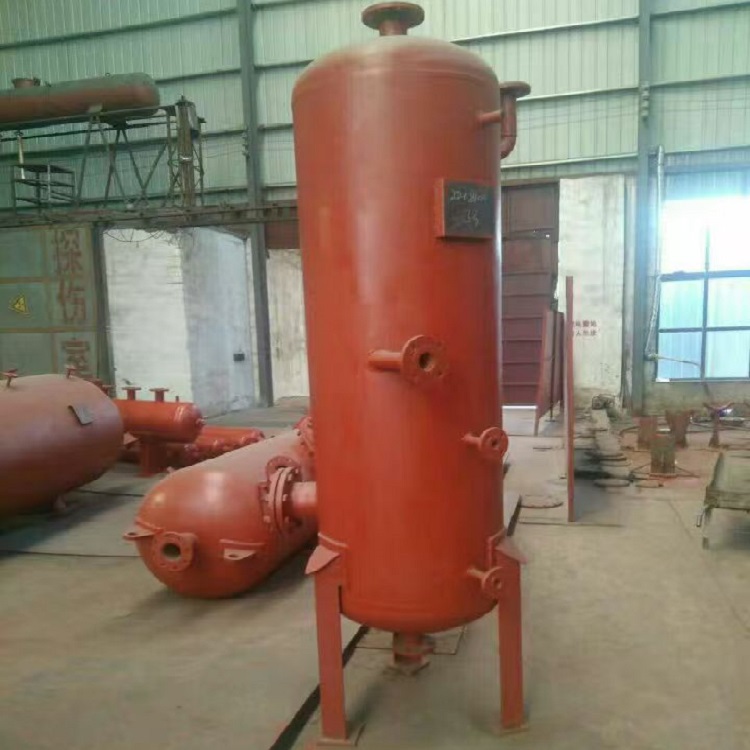
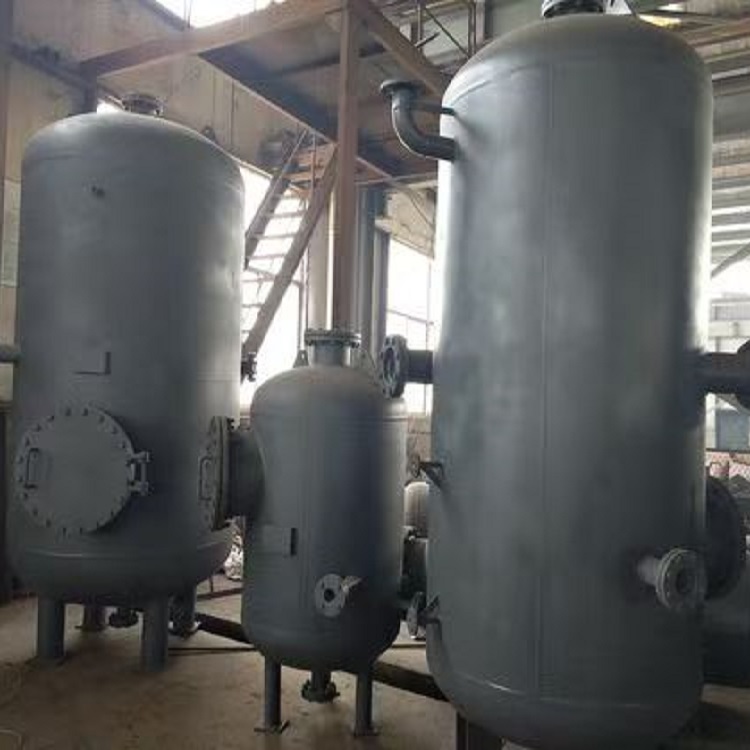


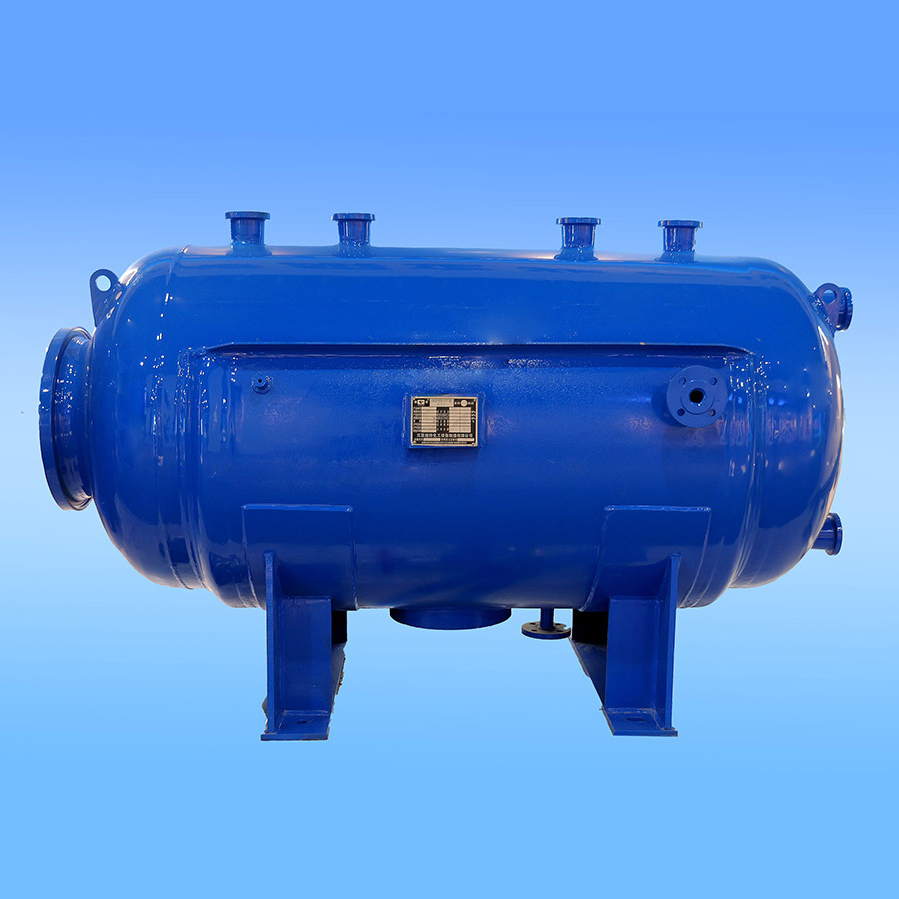
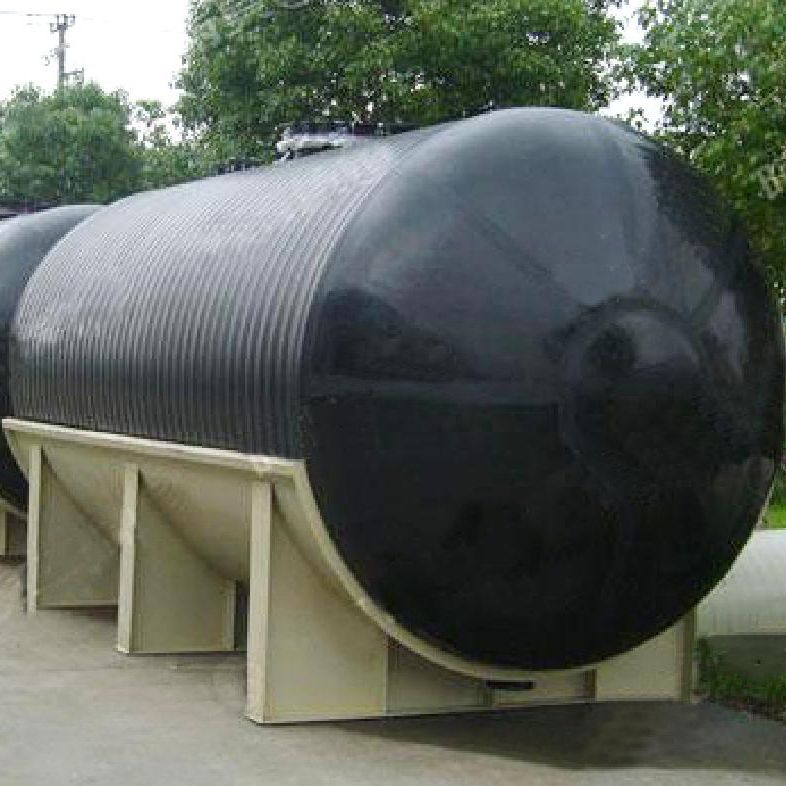
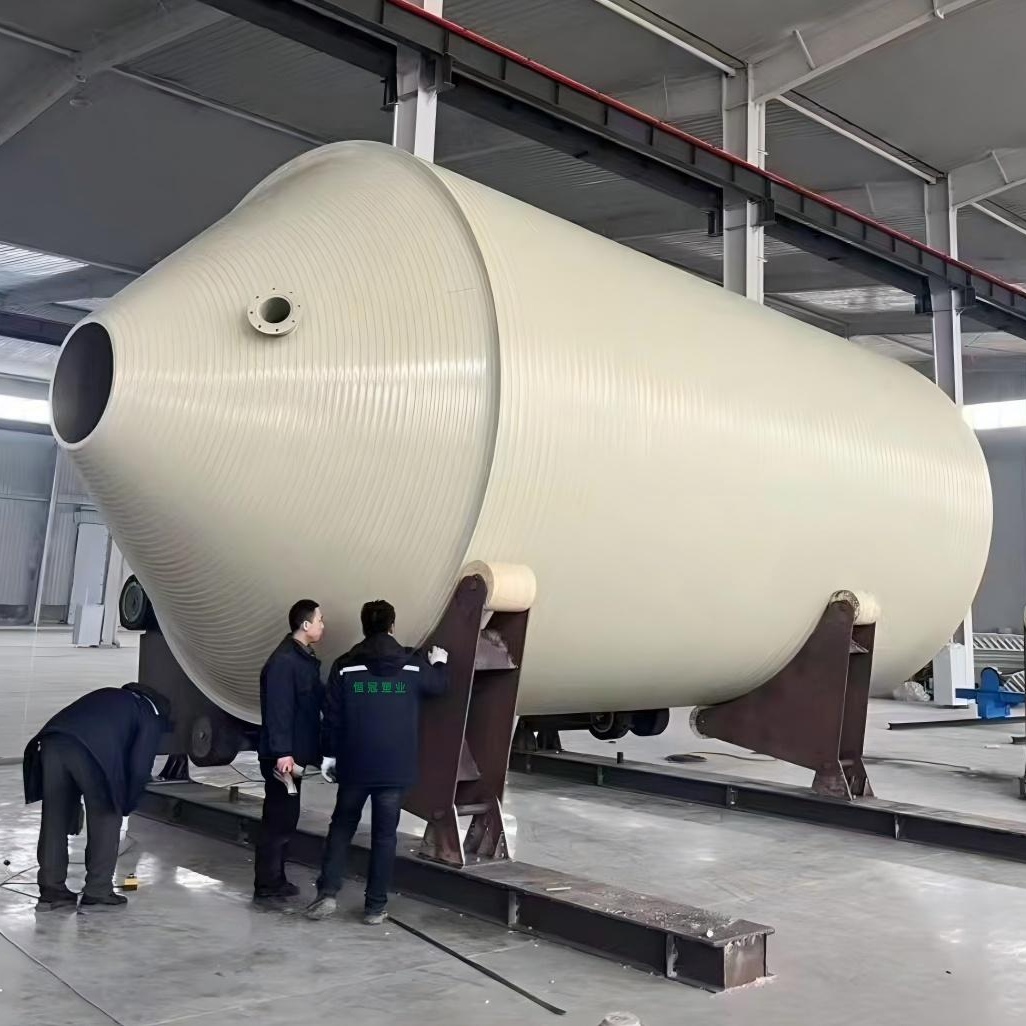
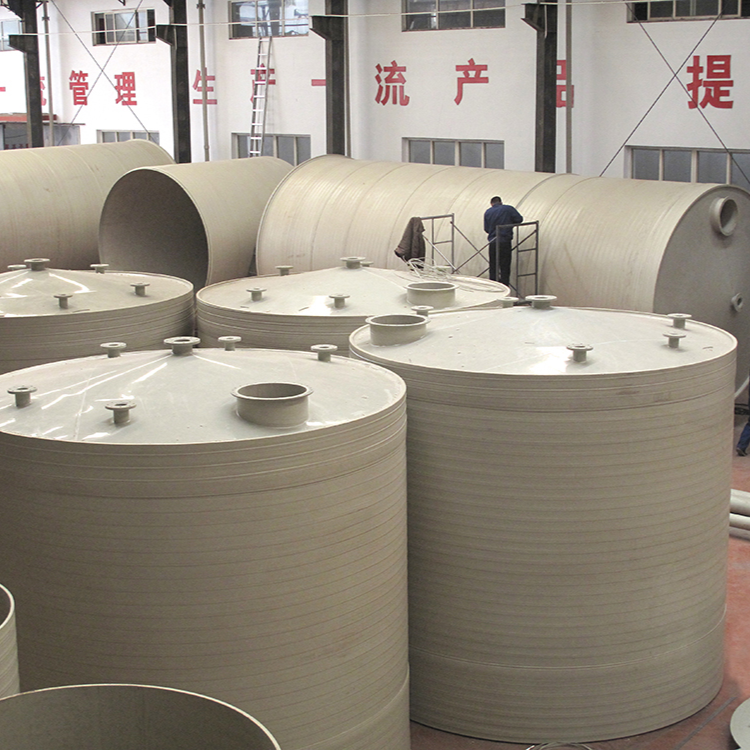





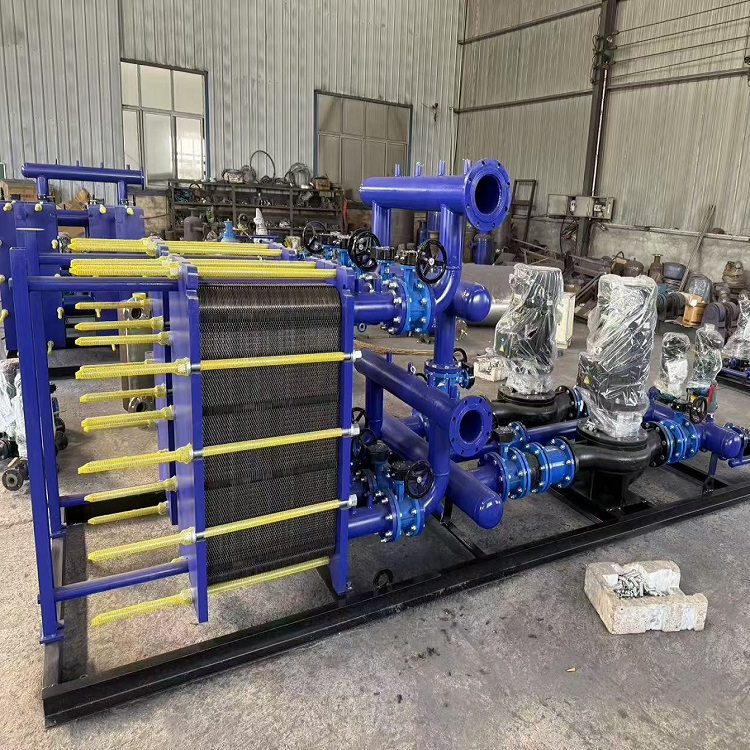
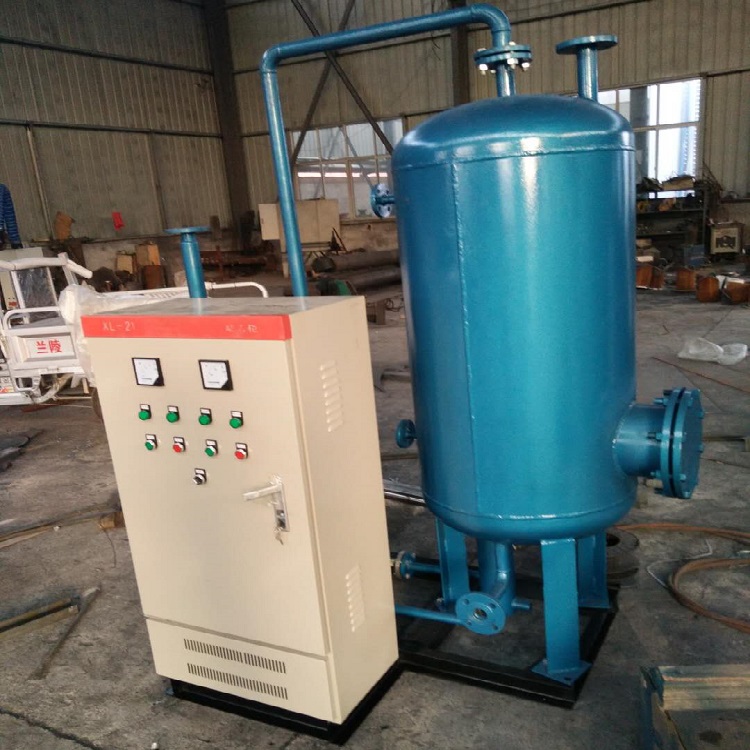
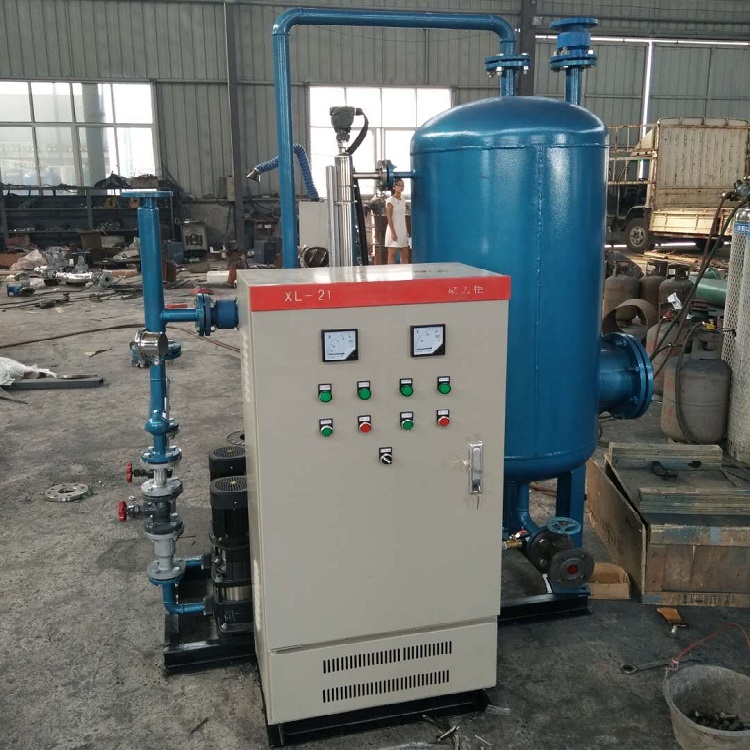
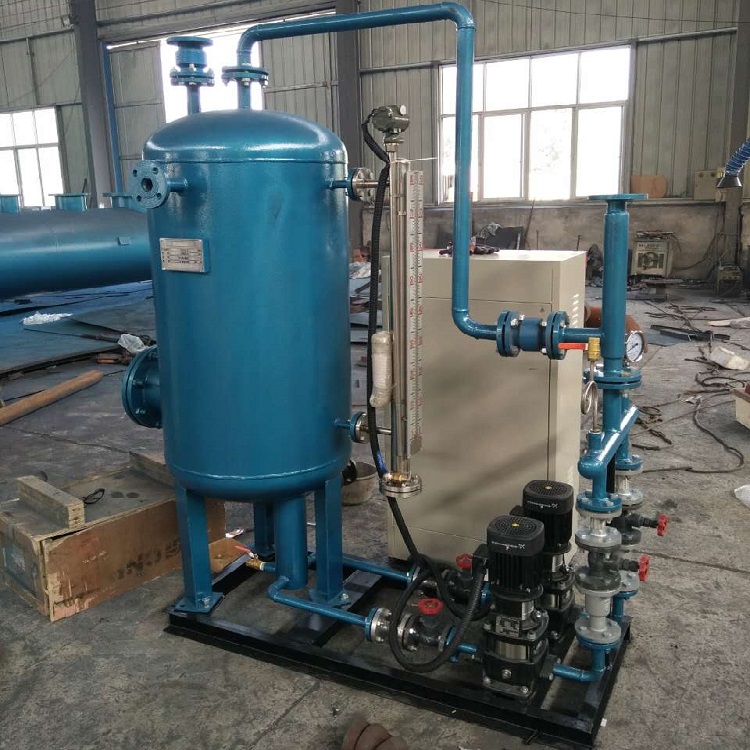
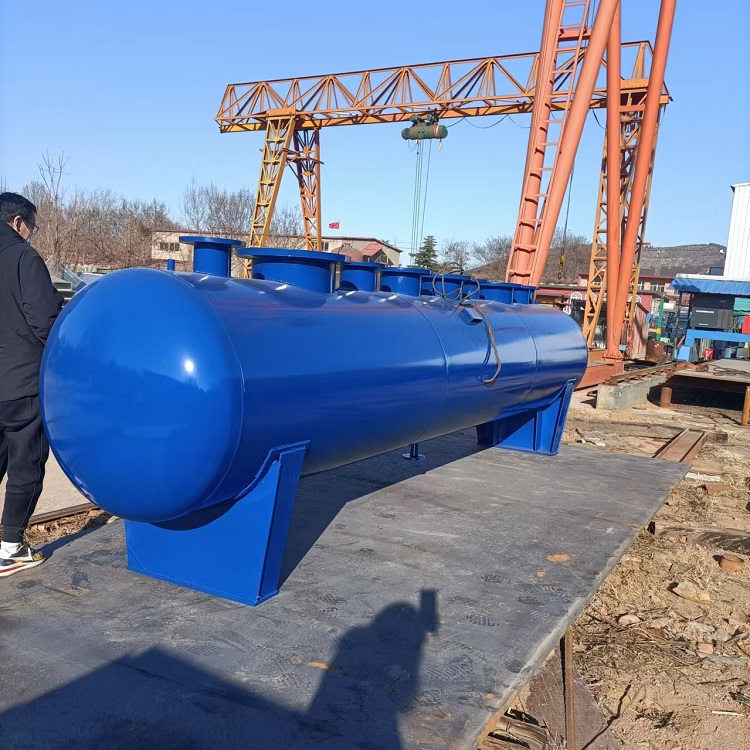
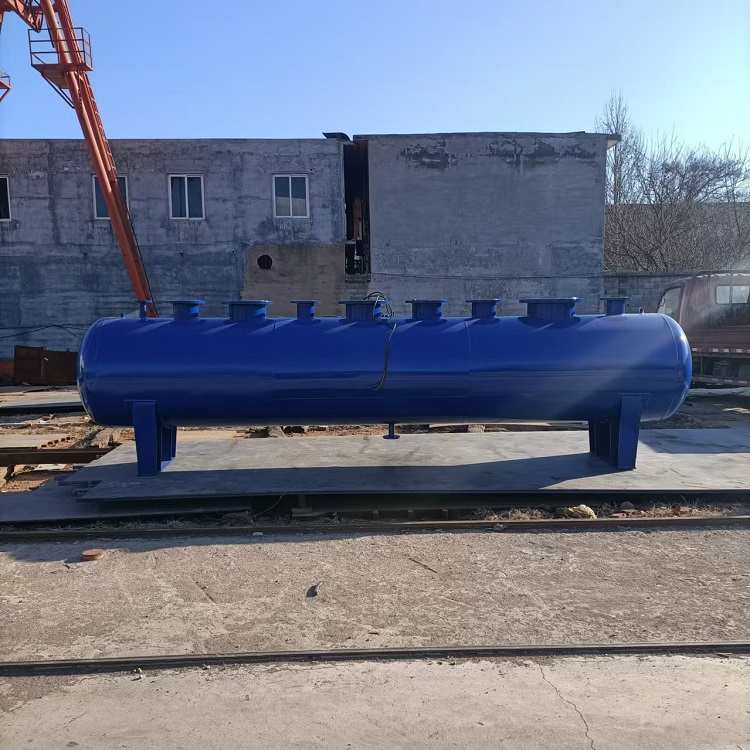
Regular drainage expansion tankIt is a key equipment in the boiler system, primarily used for treating regular waste water, achieving heat recovery, and分流ing waste water. The following are its core points:
I. Definition and Function
Definition: A pressure vessel that separates boiler blowdown into secondary steam and waste hot water through pressure reduction and expansion, classified as an energy-saving and environmentally friendly equipment.
Core Features: Reduces effluent pressure, utilizes flash vaporization evaporation principle to separate secondary steam (reusable) and waste hot water (requires cooling treatment before discharge).
II. Process Workflow
Input Stage: The boiler effluent passes through a throttle valve to reduce pressure and then tangentially enters the expander vessel, forming a swirling flow.
Separation Stage: The wastewater undergoes adiabatic expansion within the container, with part of it evaporating into secondary steam. After being purified through the top louvered steam-water separator, it is discharged.
Emission Stage: The remaining waste hot water is discharged after being treated by the water level regulating valve or the waste water drainage and cooling pond.
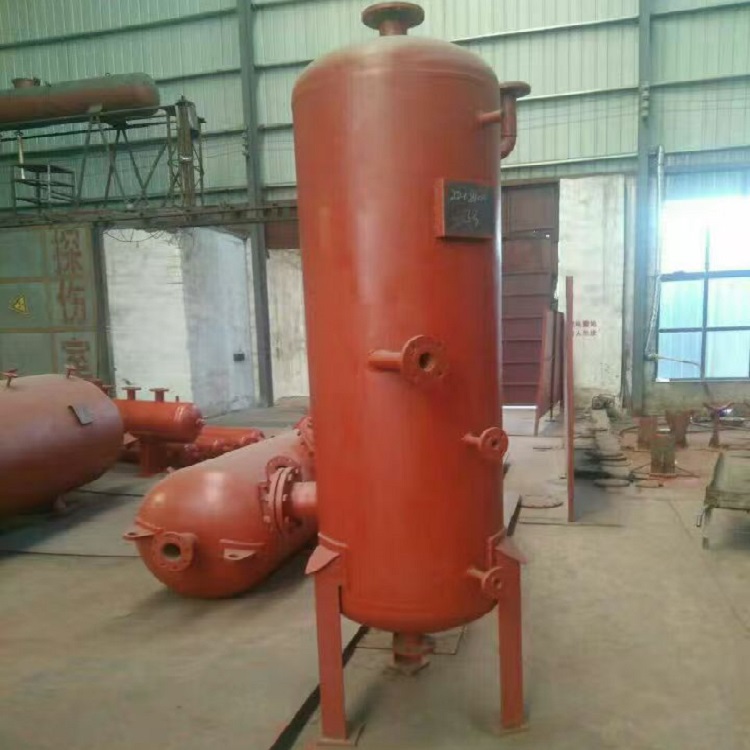
Section 3: Design and Application Key Points
Heat Recovery: The secondary steam can be introduced into a deaerator or other thermal system, and the waste hot water's residual heat can preheat softened water.
Emission Control: Regular effluent treatment primarily targets sediment at the bottom of boilers, with an emission rate of approximately equal to the boiler's evaporation volume.0.1%-0.5%。
Safety Design: Must be equipped with safety valves, operating platforms, and steel support structures to ensure safe operation of pressure vessels.
IV. Distinction from Continuous Discharge Expansion Vessels
Purpose Difference: Regular effluent focuses on removing bottom sediments, while continuous effluent is used to control the salt content in the boiler water._
Discharge Frequency: Periodic discharge with intermittent operation as needed; continuous discharge requires stable control of discharge rate (approx.)1%)。
Through this design, the regular sewage expansion tank reduces boiler heat loss and improves system efficiency while ensuring the long-term safe operation of the boiler.。