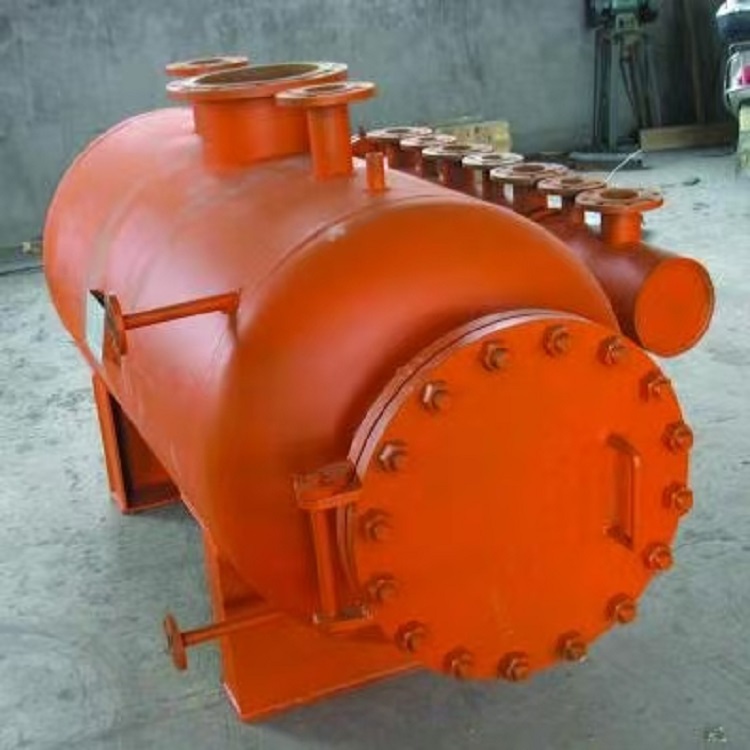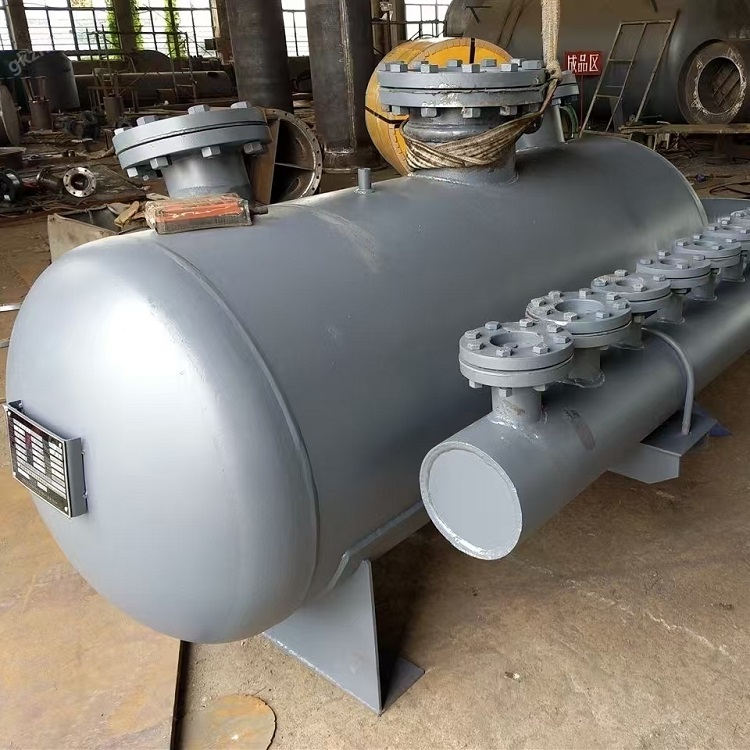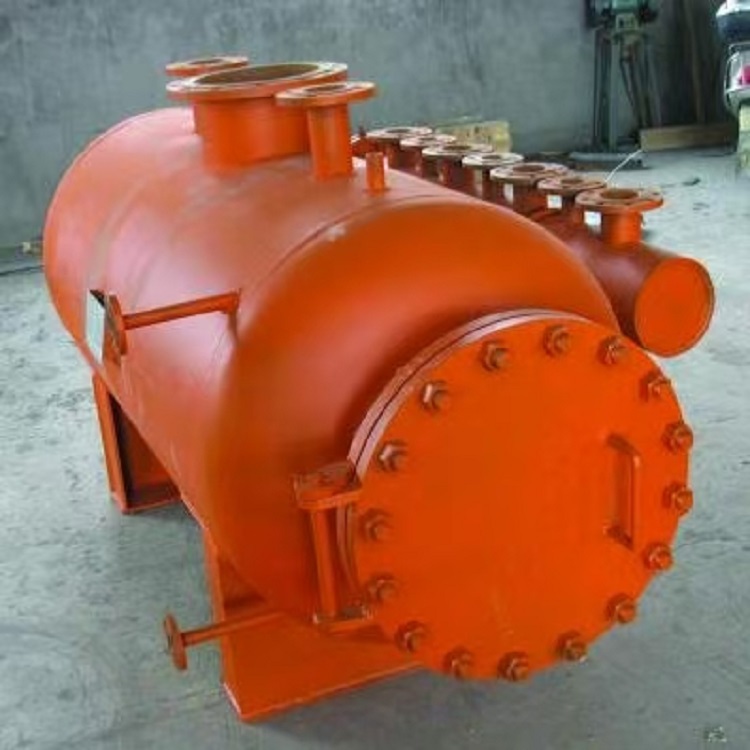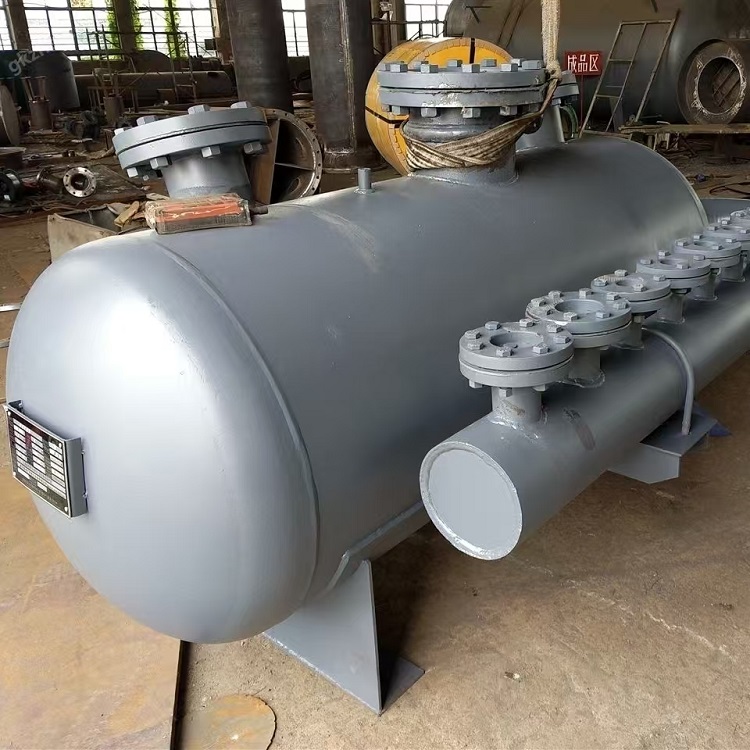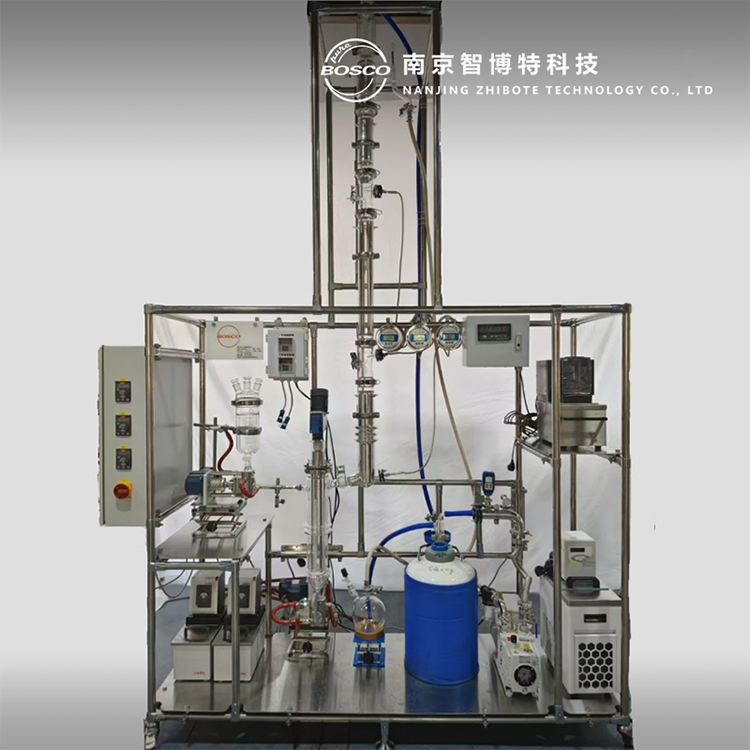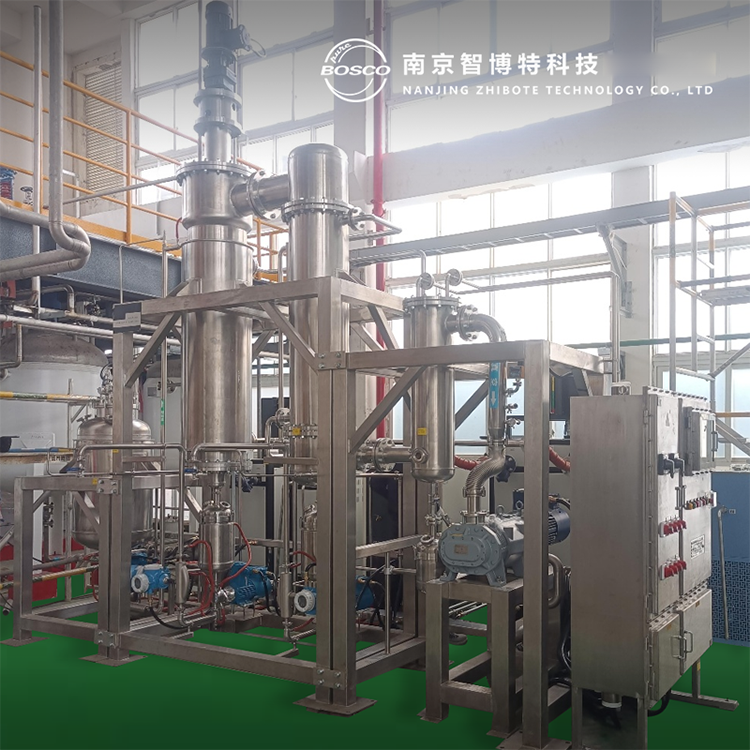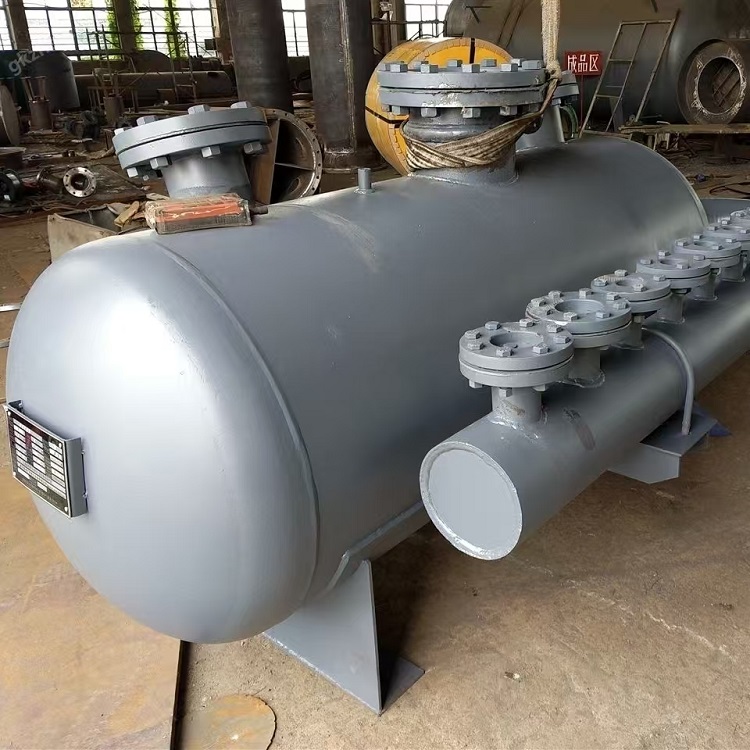

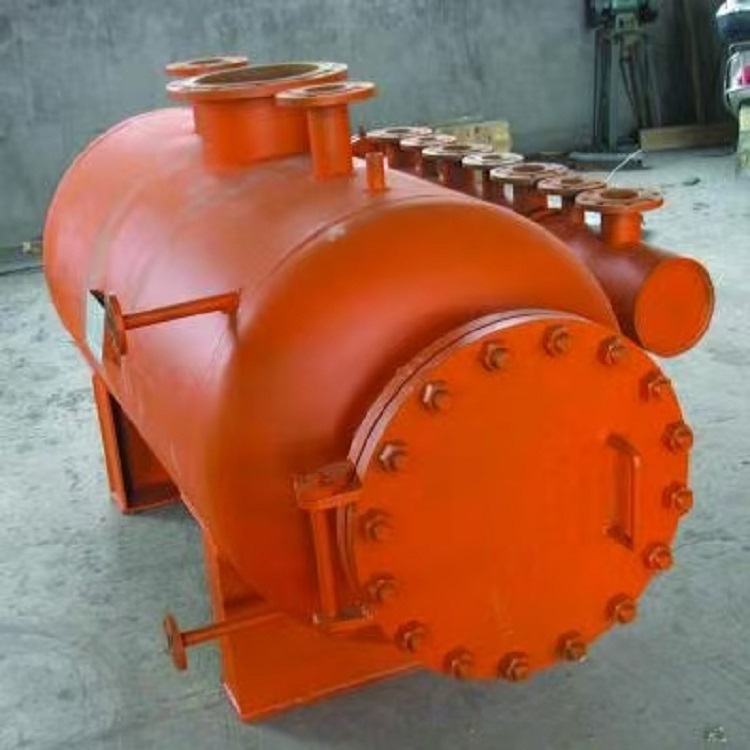
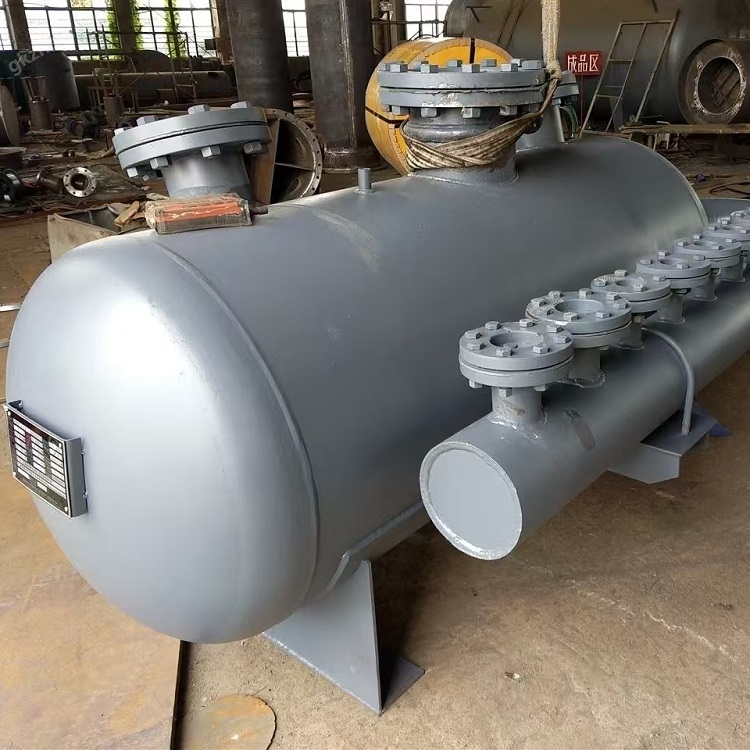







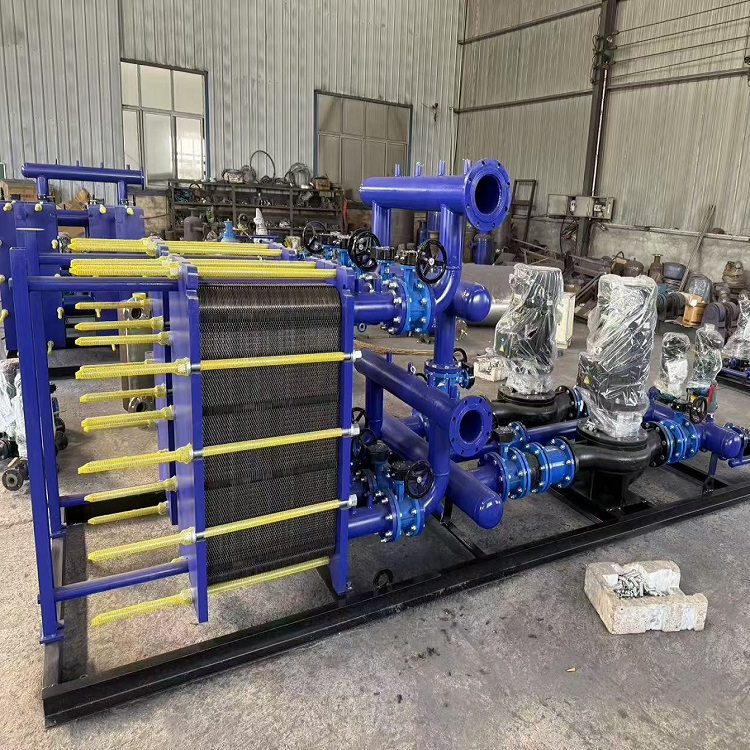
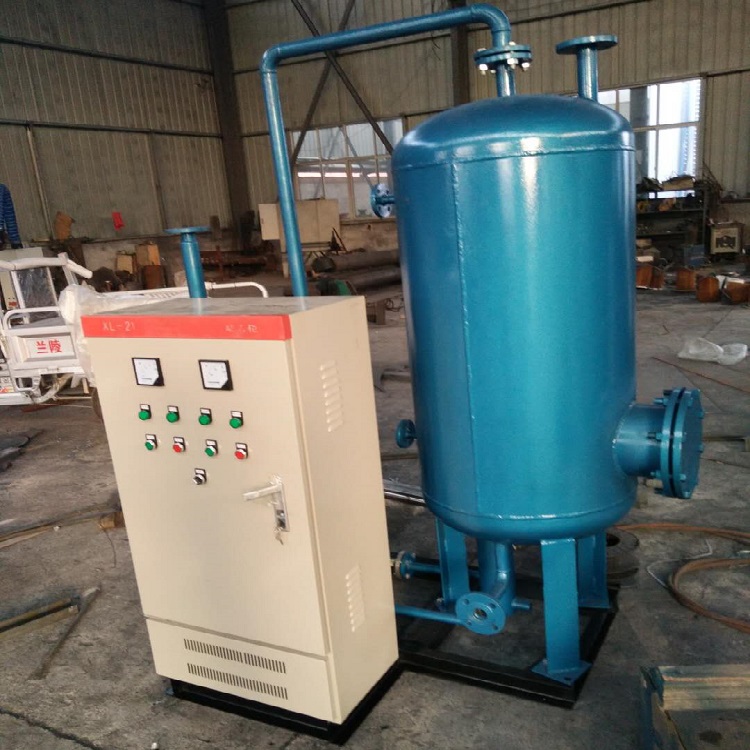
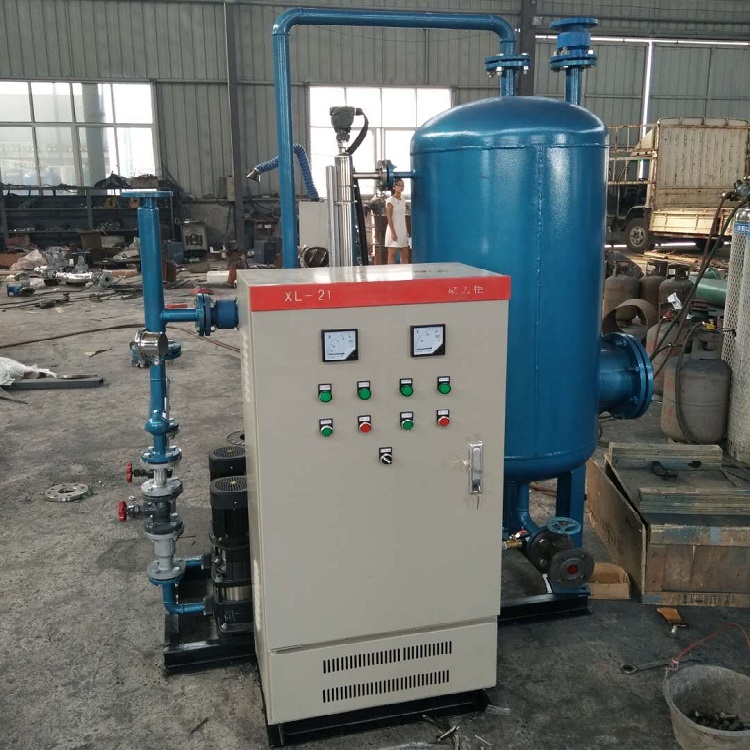
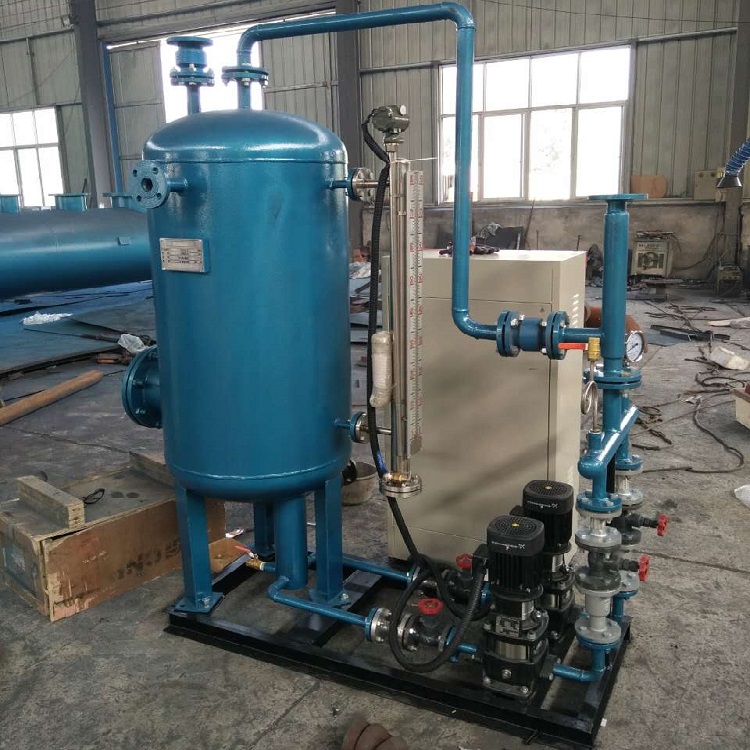
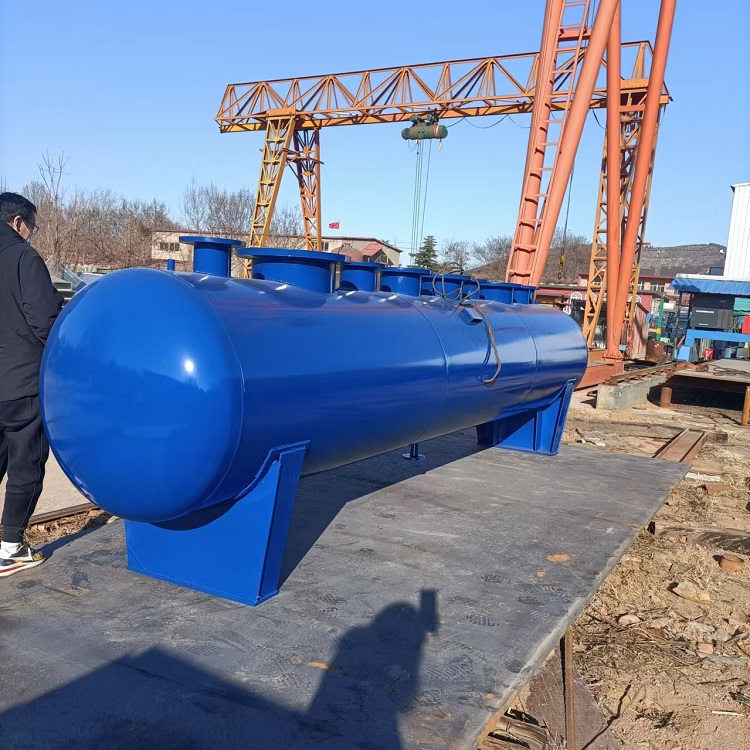
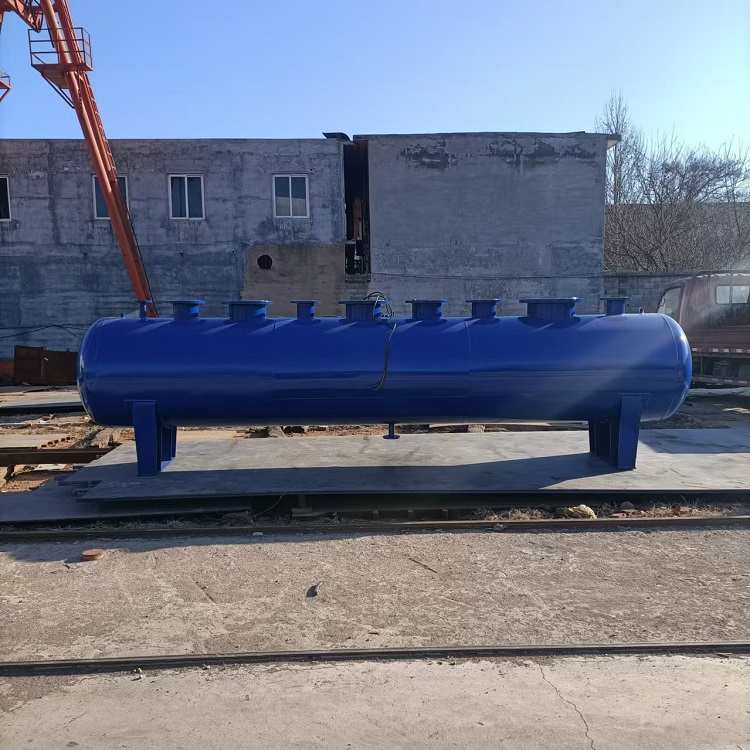
A desuperheater is designed to expand and reduce the pressure of the condensate line, separating steam and condensate. The steam is then introduced into a heat exchanger or deaerator to maximize its thermal energy, while the condensate is directed to a condensate tank for regular transfer to the feedwater system. Primarily, it is used to lower pressure; if high-pressure steam is directly fed into a condenser, it can cause overpressure. This device can reduce pressure, prevent overpressure, and also includes a temperature-reducing device to lower temperatures.
Mechanical drain valves, such as free floating ball, lever floating ball, and inverted bucket types, operate using the principle of buoyancy. They can automatically distinguish between steam and water and are commonly used in situations requiring continuous drainage with high flow rates, where the drained water is collected and reused. Among them, the lever floating ball and inverted bucket drain valves have complex structures, while the free floating ball drain valves have simple structures, do not leak steam, and are generally used for pipeline or equipment drainage.
Thermal motored (disc-type, pulse-type) traps utilize aerodynamic principles to switch valves by utilizing the pressure drop generated from the redirection of vapor. They are used in locations with low flow rates, high differential pressures, and low requirements for continuity. They feature a simple structure, have pulsating leaks, and are generally employed for pipeline drainage.