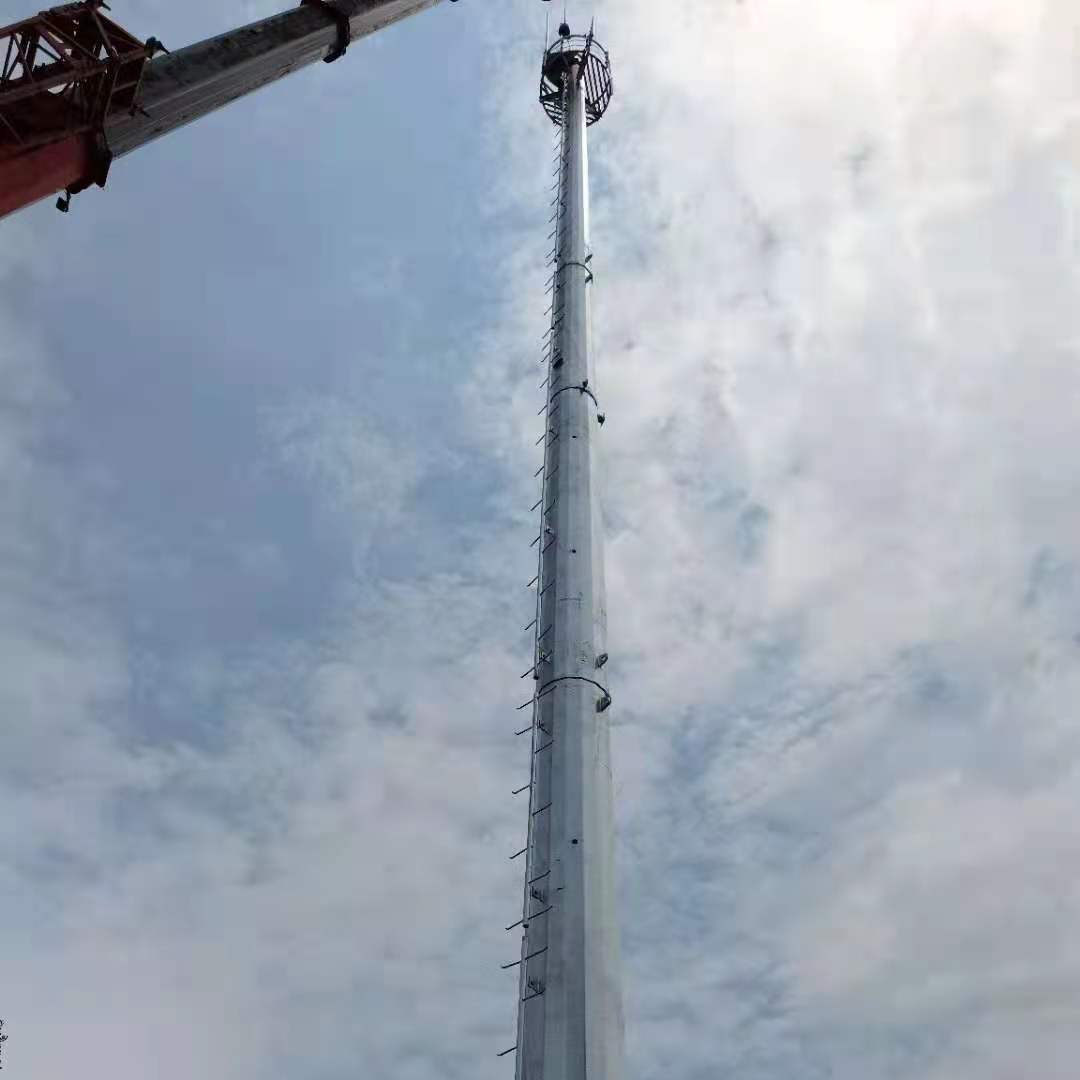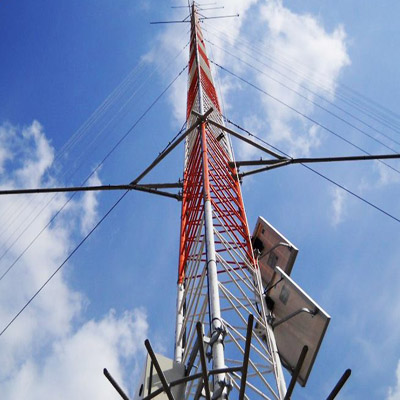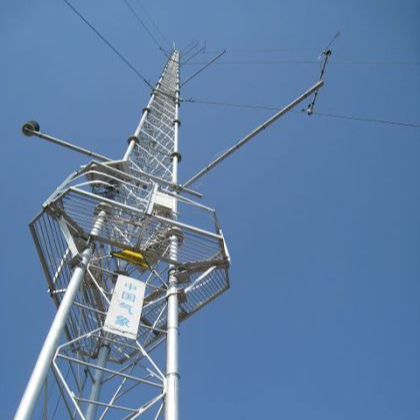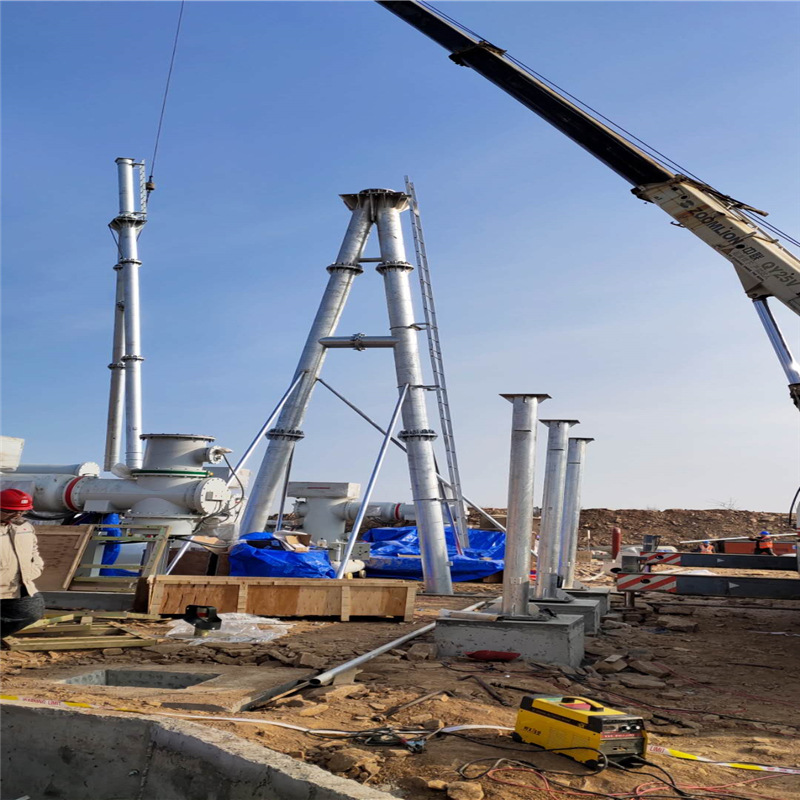








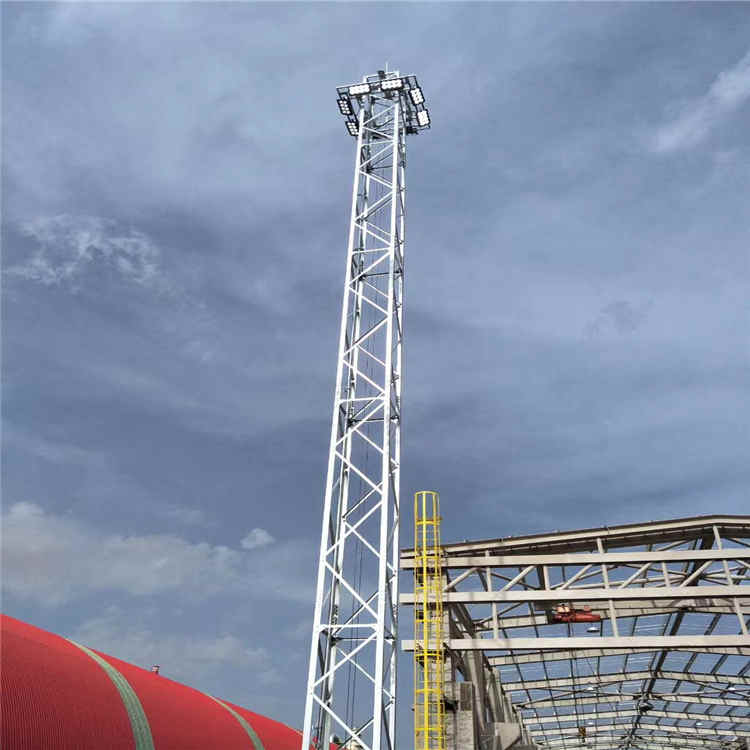
A monopole tower is a self-supporting tall structure widely used in communication and power sectors. The following sections will elaborate on its core definition, technical details, industry applications, and future trends.
I. Core Definitions and Structural Features
- Definition
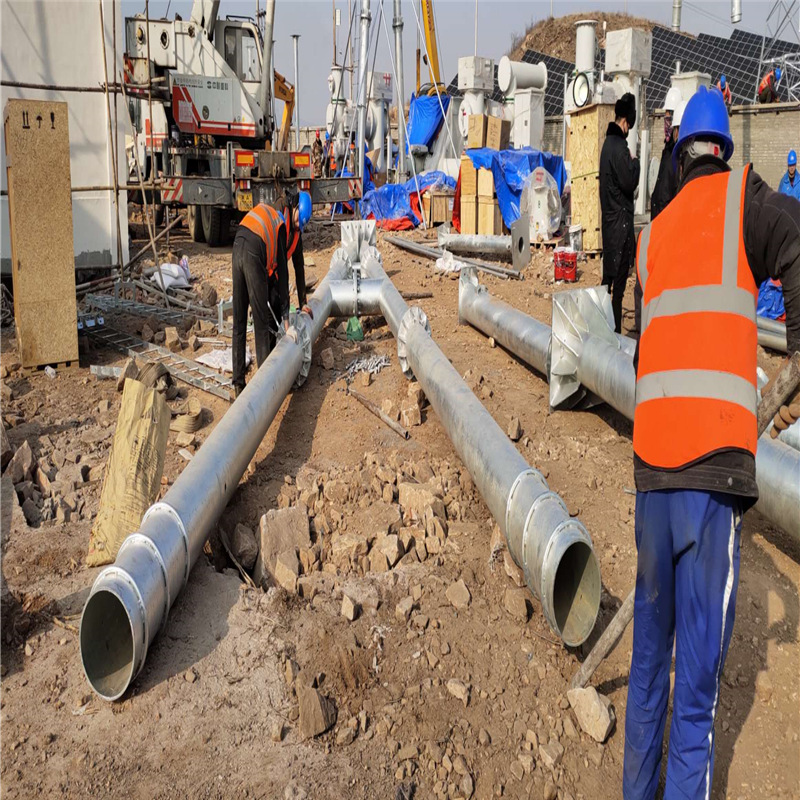
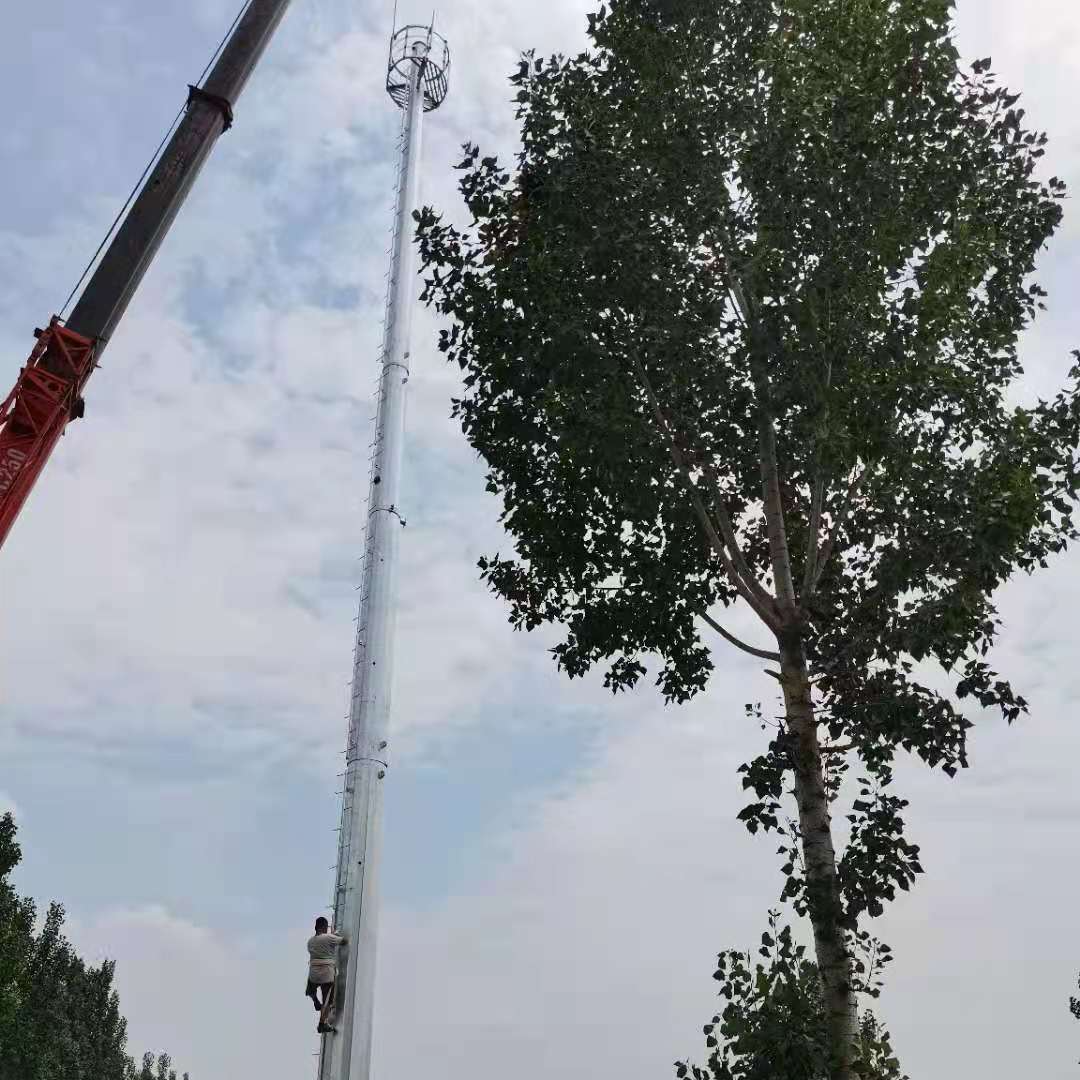
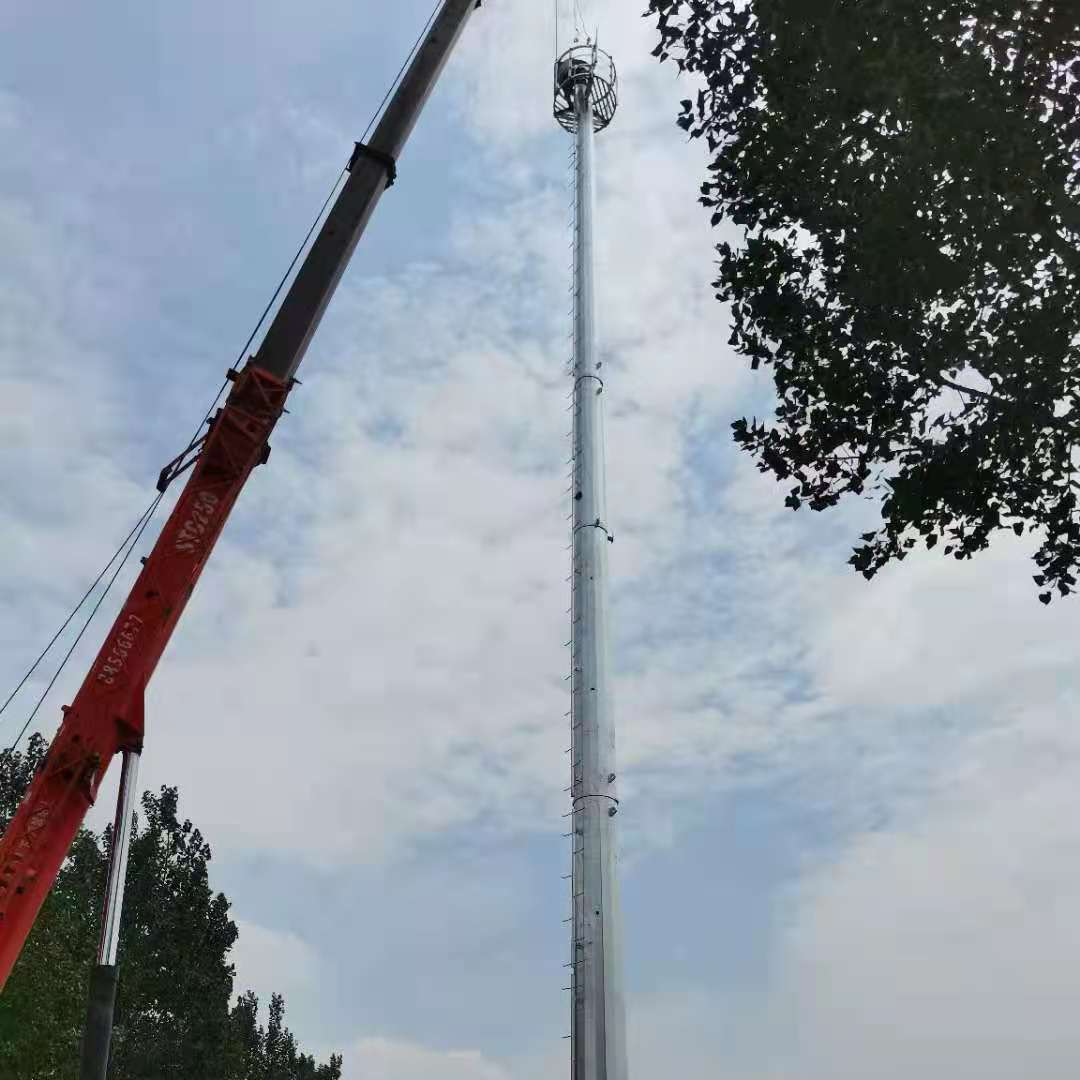
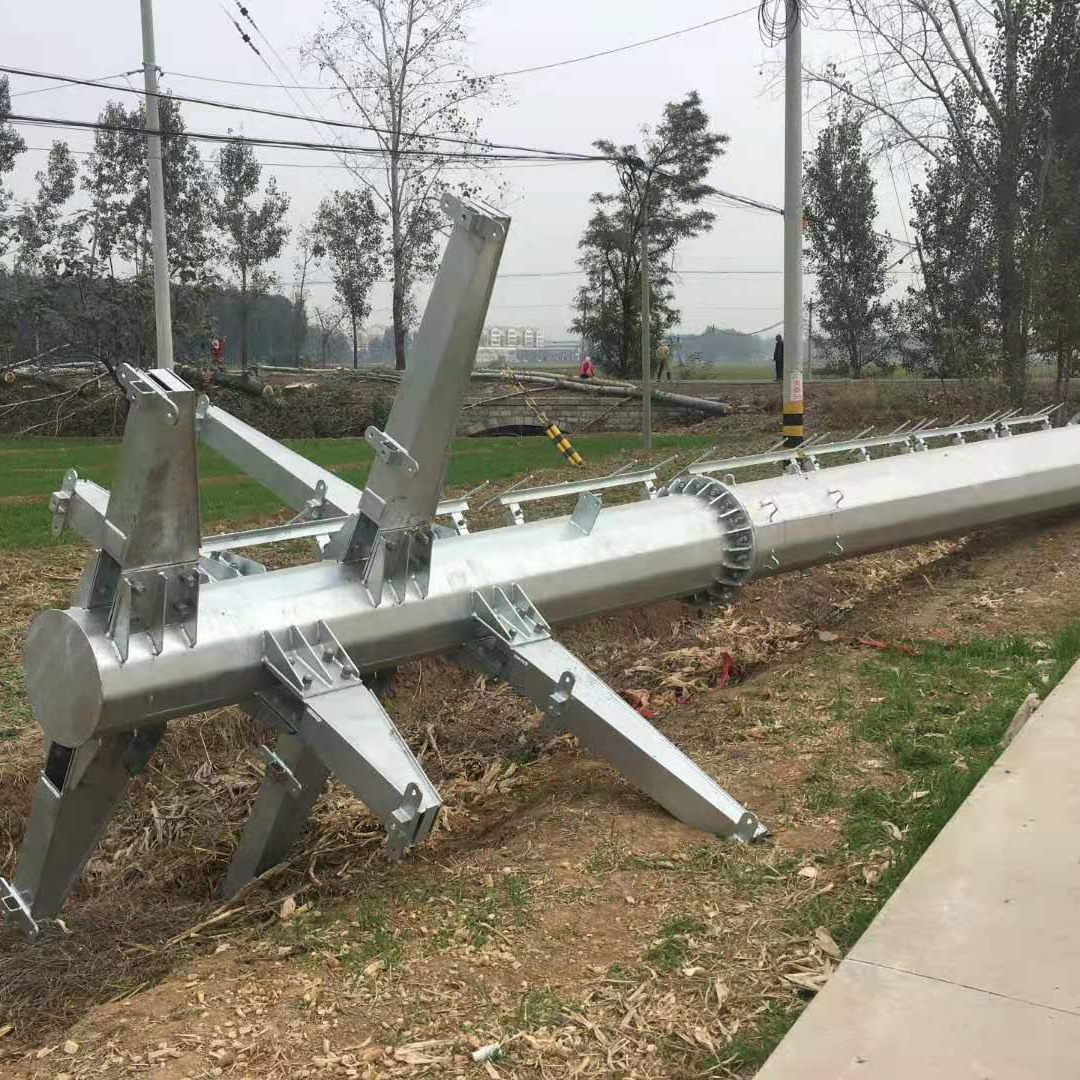
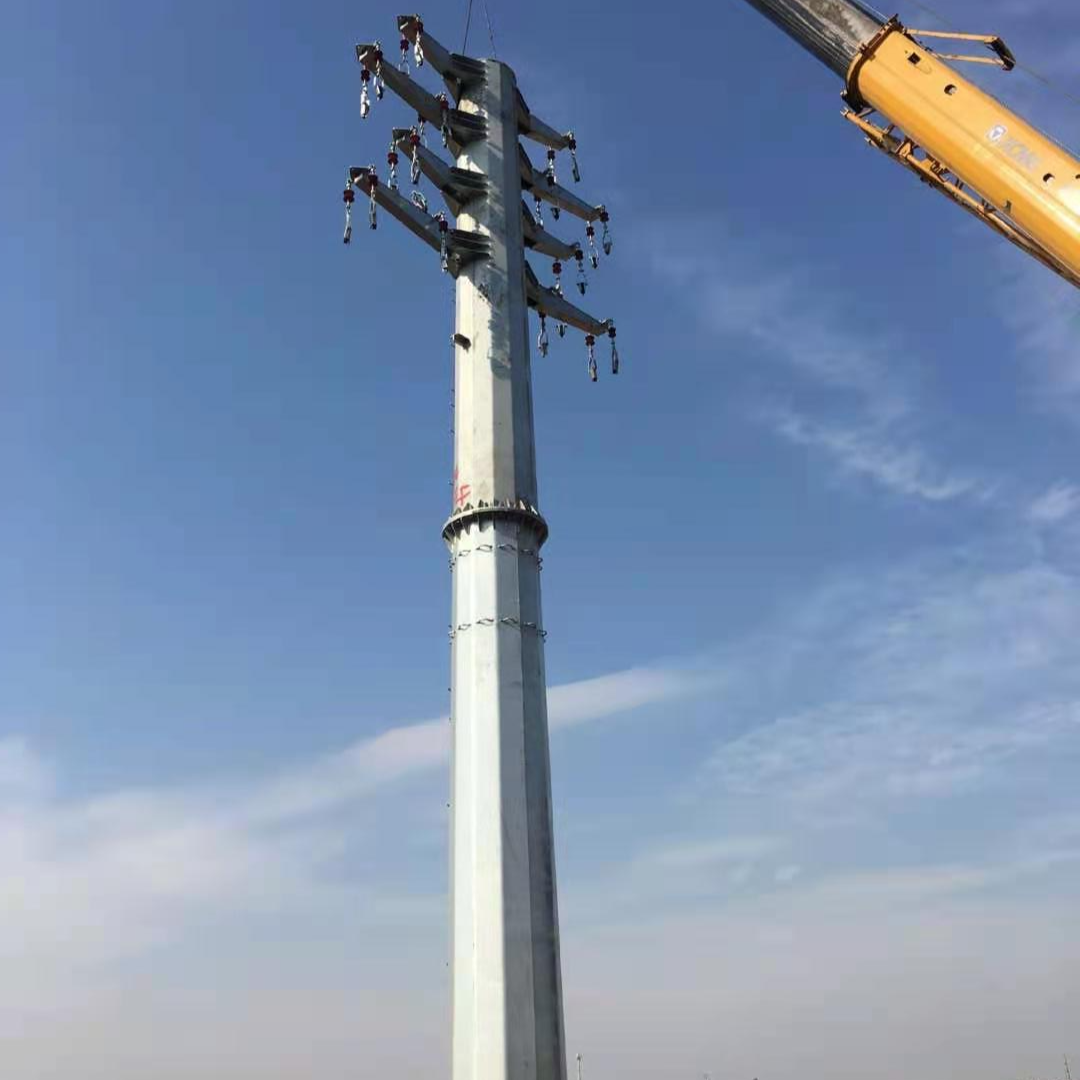
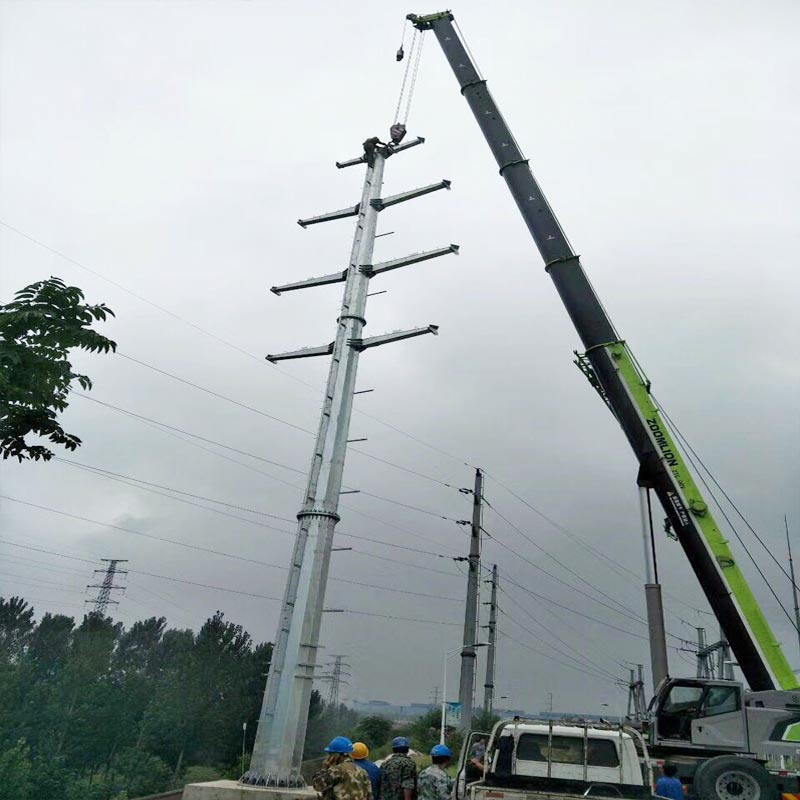
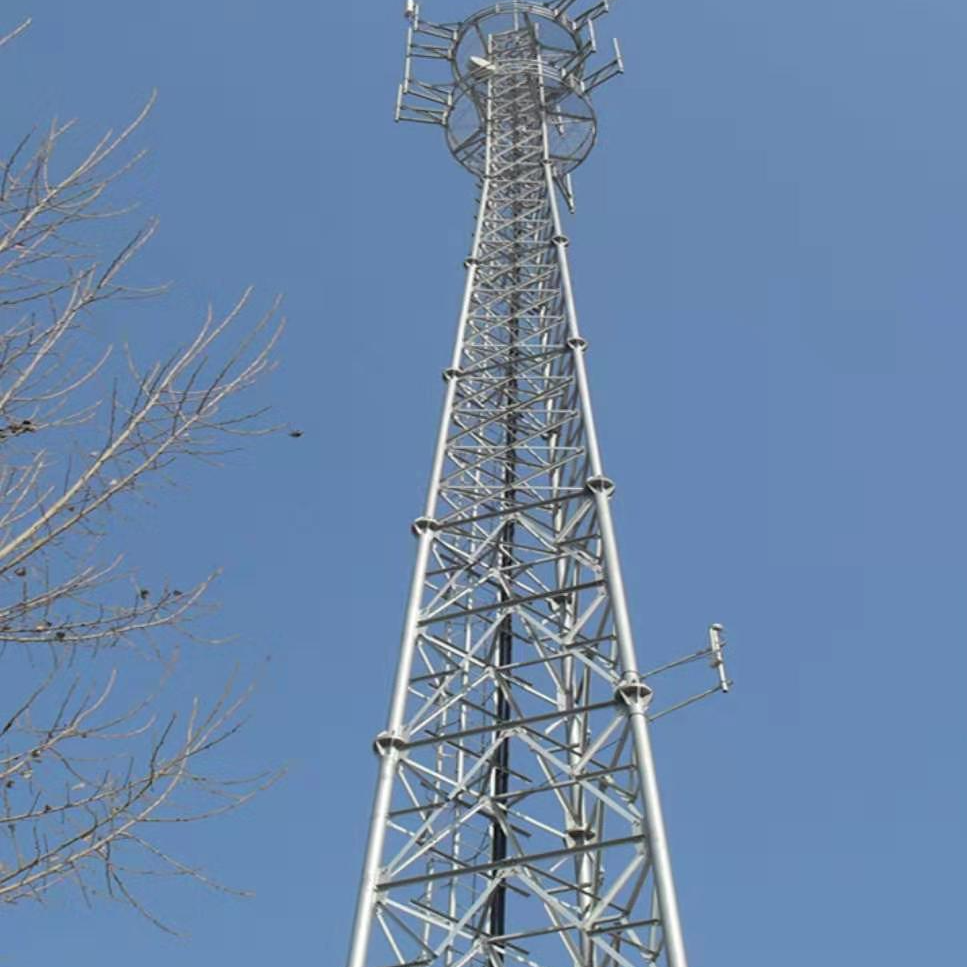
- A single-tube tower consists of a self-supporting structure made from a single large-diameter conical steel pipe. The main cross-section is circular or polygonal, with a pyramidal shape from larger at the bottom to smaller at the top. It is typically connected in segments through insertion or flange joints, and its height usually ranges from 25 to 50 meters.
- Structural Details
- Connection Method: The tower sections are connected via plug-in or flange bolts, suitable for installation in complex terrains.
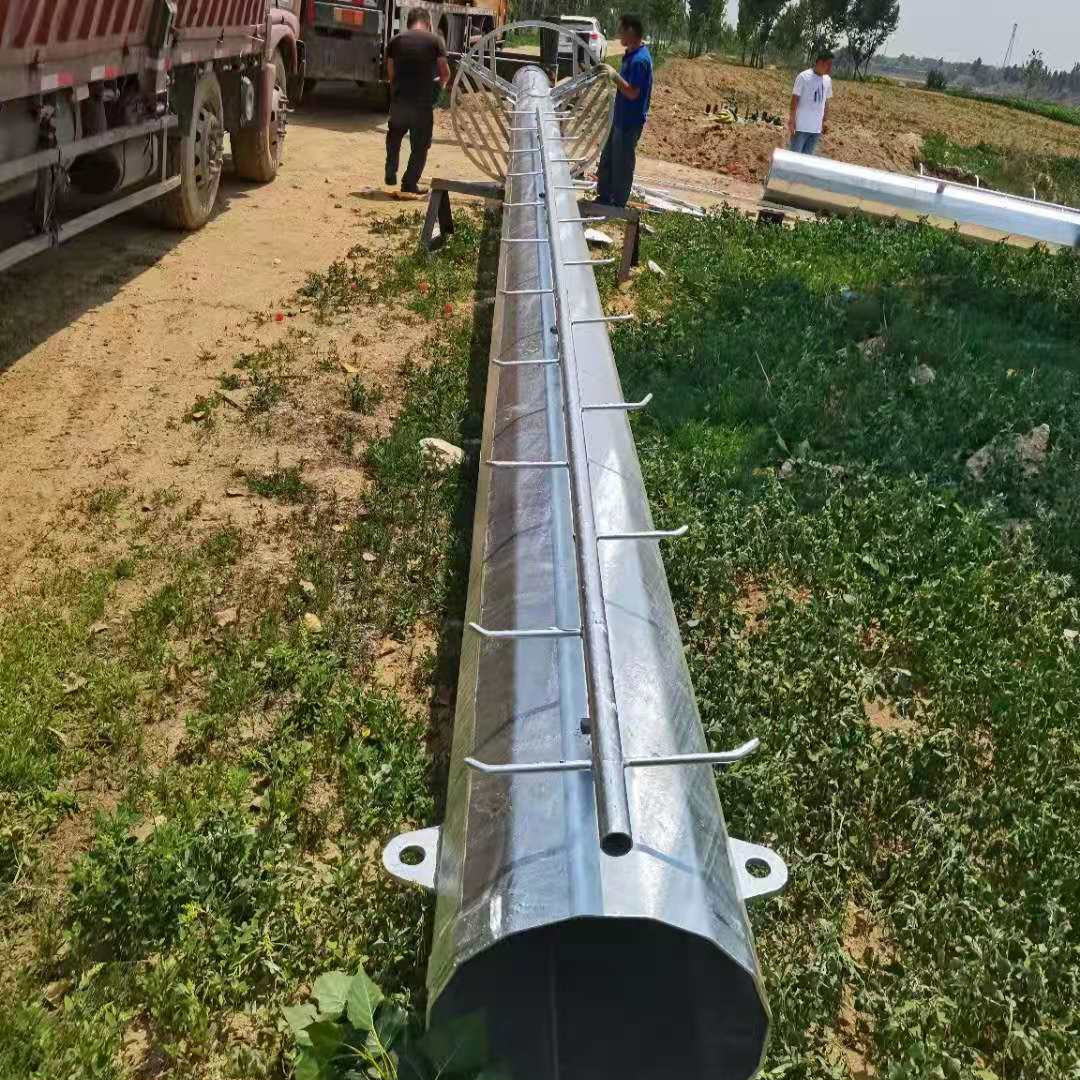
- Built-in Design: Equipped with climbing ladders and wiring channels, it facilitates maintenance personnel's operations while protecting the feedlines from sun and rain, thereby extending their service life.
- Material and Process: The main material is Q235-Q345 steel, with a hot-dip galvanized surface for corrosion resistance, designed for a lifespan of 30 years, capable of withstanding an 8-level earthquake and wind loads that occur once every 50 years.
II. Technical Advantages and Parameter Comparison
Technical specifications: Single-pipe tower and other tower types (such as angle steel towers) cover an area of 9-18㎡ (small) to large (requires assembly of multiple angle steels). Aesthetically simple and modern, suitable for urban environments with strong industrial feel but weaker aesthetics. Short construction period (modular installation) and long period (large amount of welding) with higher cost (high material cost) and lower cost (low material unit price). Suitable for urban areas, scenic spots, residential areas, suburban areas, rural areas, or regions with low aesthetic requirements. Industry applications and scenario compatibility:
- Communication Field
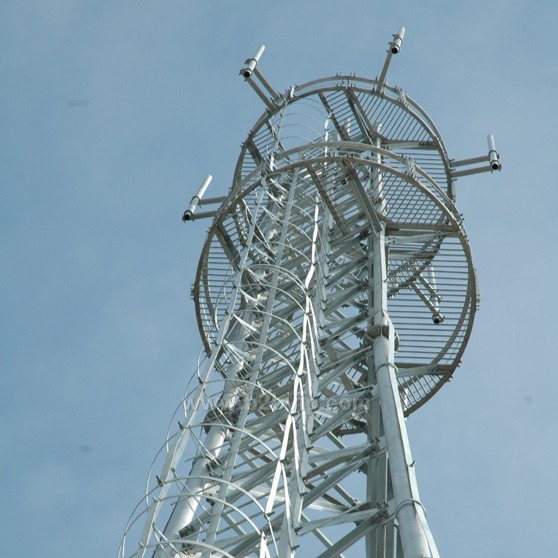
- Wireless Network Coverage: Equipped with multi-band antennas, supports 4G/5G base stations, commonly found in urban dense areas and along railway lines.
- Emergency Communication: Rapidly deployed to disaster sites or large events, providing temporary signal coverage.
- Municipal and Energy
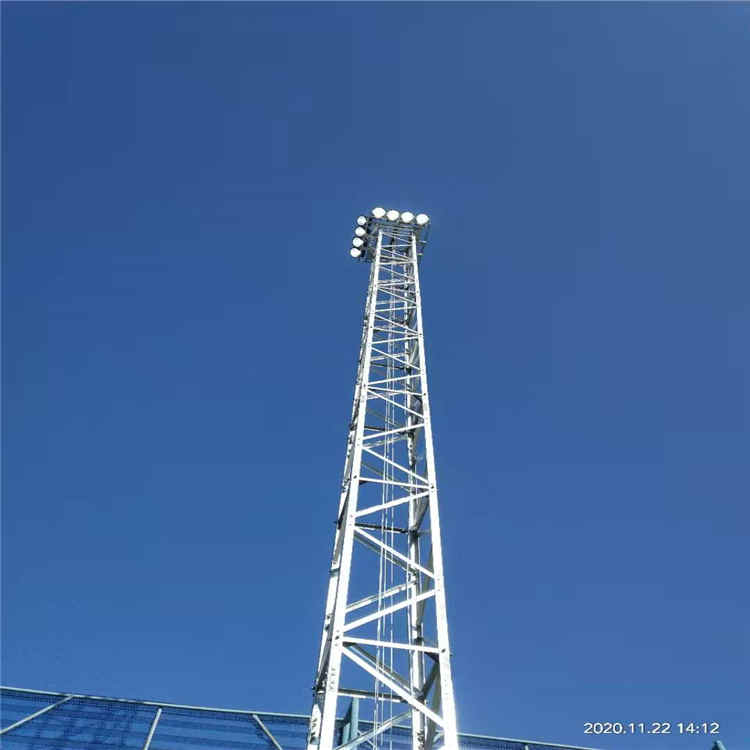
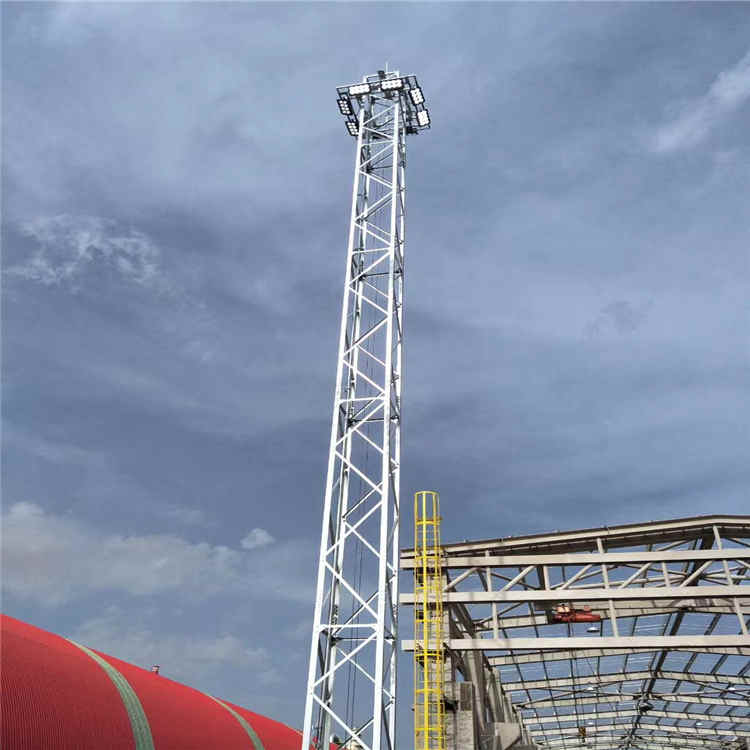
- Smart City Construction: Integrates monitoring, lighting, and environmental sensors for a multifunctional unified solution.
- Power inspection: Serving as a transmission line maintenance platform, it replaces traditional scaffolding, enhancing operational safety.
- Special Environment Compatibility
- Coastal Areas: Wind-resistant design (withstanding typhoons up to 12 on the Saffir-Simpson scale), corrosion-resistant coating to protect against salt and alkali erosion.
- High-Latitude Areas: Suited for -45℃ temperatures, material toughness prevents cracking.
IV. Future Trend Development
- Intelligent upgrade
- Integrated edge computing and AI monitoring modules for real-time tower status monitoring and early warning.
- Equipped with drone inspection interface, enhancing maintenance efficiency.
- Green Energy-Efficient
- Pilot solar power supply system, providing clean energy for equipment on the tower.
- Low aerodynamic resistance design for reduced energy consumption.
- Landscape Integration
- Develop camouflaged forms such as "bionic trees" and "streetlight poles," balancing functionality and aesthetic requirements.
Summary
Single-pipe towers have emerged as a key carrier for the upgrade of communication infrastructure, thanks to their efficient space utilization, modern aesthetics, and strong adaptability. With the integration of materials science and intelligent technology, single-pipe towers will further evolve towards multifunctionality and greenness, supporting the construction of smart cities and the next-generation networks.