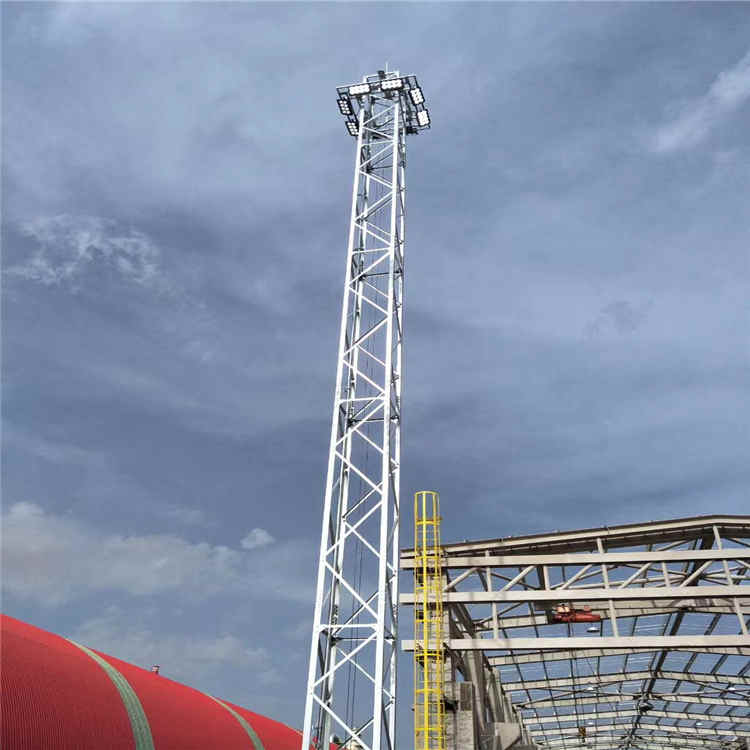

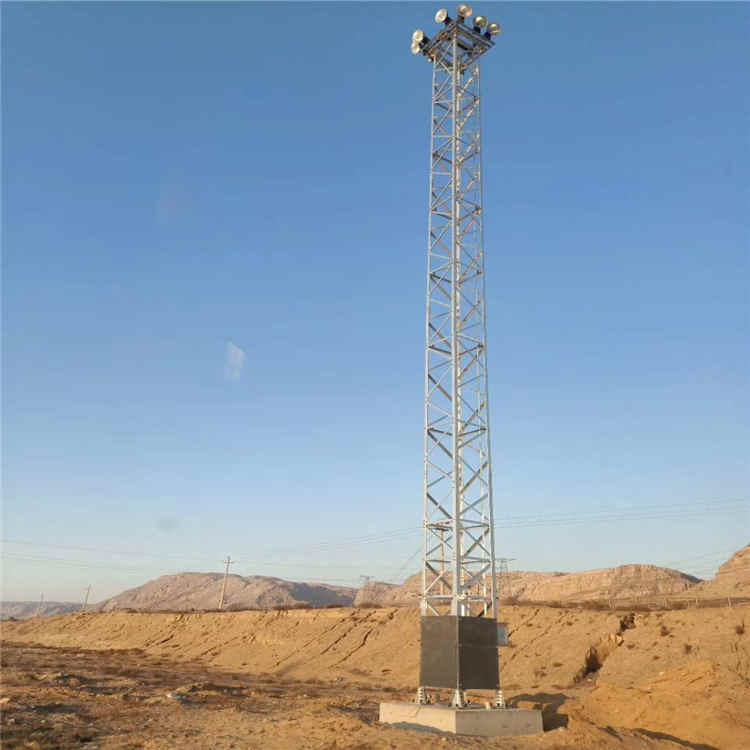
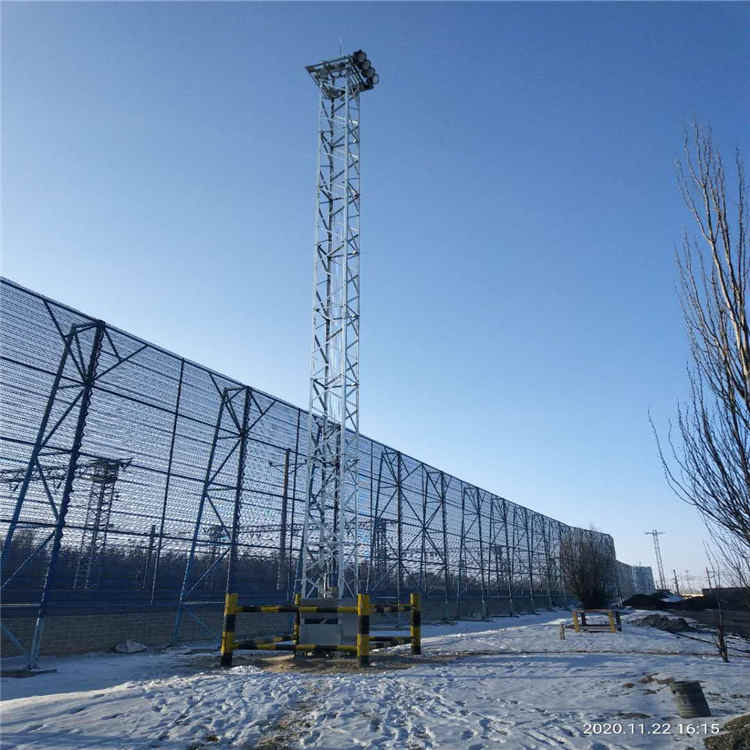







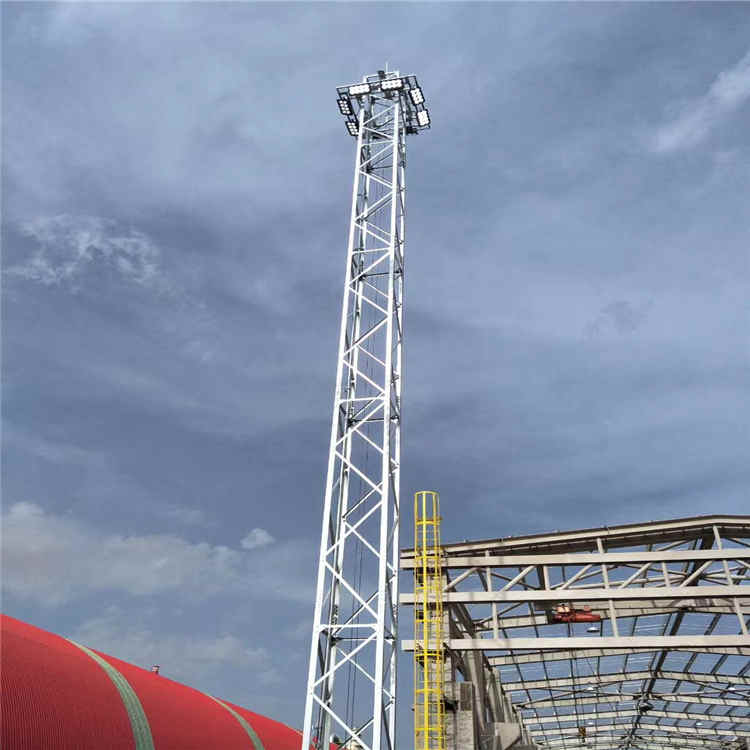
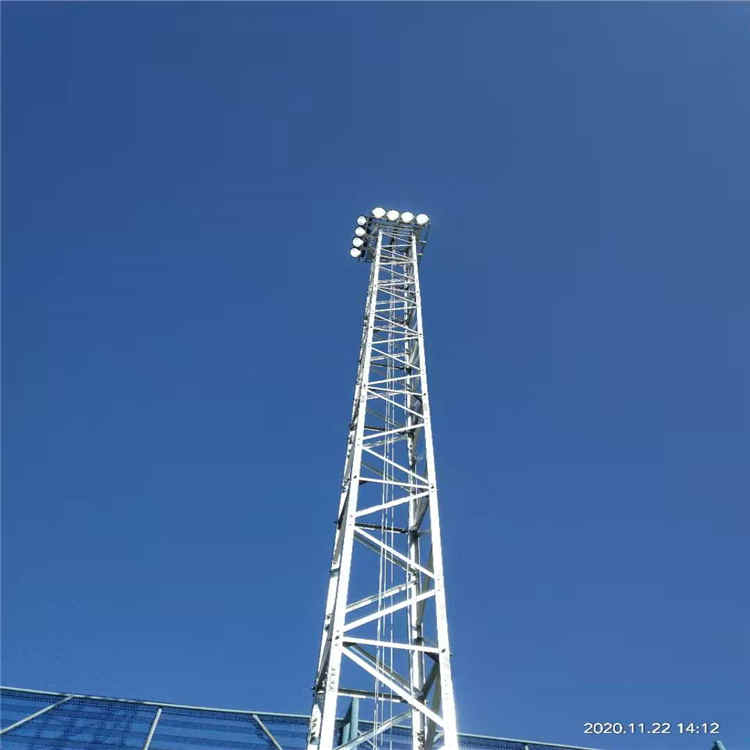
Microwave Towers, also known as Microwave Iron Towers or Microwave Communication Towers, are critical infrastructure for the transmission and emission of wireless communication signals. They are widely used in wireless communication, broadcasting and television, radar detection, and other fields. The following provides a detailed introduction from aspects such as definition, structural characteristics, application scenarios, technical requirements, and development trends.
I. Definition and Function
Microwave towers are a vital component of wireless communication systems, primarily used to support the transmission antennas for microwave, ultra-shortwave, and wireless network signals, ensuring efficient signal transmission and coverage. Their core functions include:
Signal Transmission and Reception: Provides support for communication antennas, ensuring stable signal transmission.
Service Radius Expansion: By installing antennas on tall towers, we enhance signal coverage and improve communication quality.
II. Structural Features
Materials and Construction
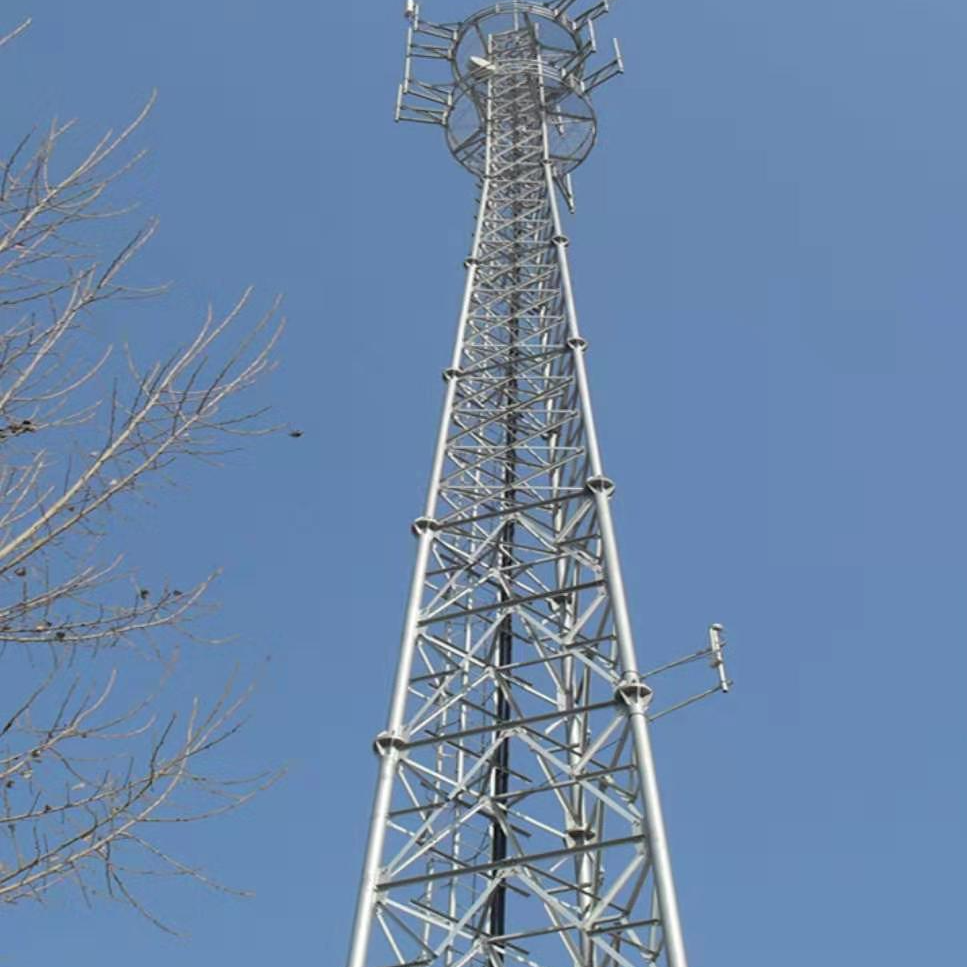
Tower Frame Material: Generally made of angle steel with steel plate reinforcement, or fully constructed from steel tube material, offering high wind resistance and structural stability.
Corrosion Treatment: Tower components are hot-dipped galvanized for enhanced durability, with a lifespan of over 20 years.
Connection Method: Components are connected by bolts for easy installation and maintenance.
Tower design
Self-standing structure: The tower frame plane shape includes triangular, quadrilateral, or polygonal shapes, with the web system divided into cross-webbing and K-shaped webbing.
Segmented Design: The tower is divided into several segments for easier transportation and on-site assembly.
Ancillary facilities
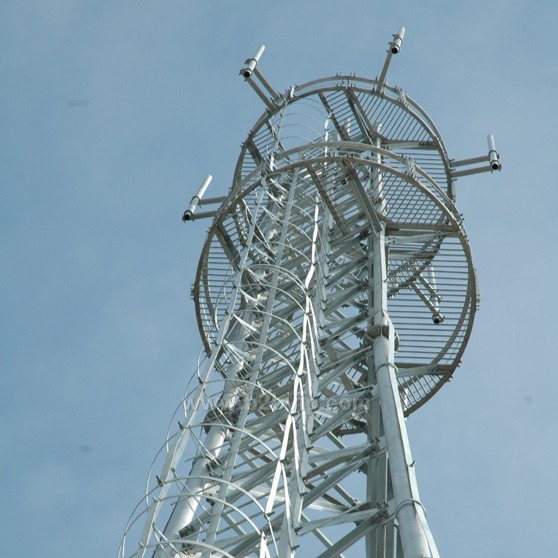
Platform and Ladder: Set up work platforms and ladders for easy antenna installation, maintenance, and inspection.
Surge Protection System: Equipped with lightning rods and down conductors to ensure the safety of the tower and equipment.
Feeder line bracket: Used to secure communication feeder lines, reducing signal loss.
Section 3: Application Scenarios
Microwave towers are widely used in the following fields:
Wireless Communication: Supports microwave and ultra-short wave signal transmission, suitable for complex terrains such as mountains and water surfaces.
Broadcast Television: Install television transmitting antennas to expand signal coverage area.
Radar Detection: Provides antenna support for radar systems, ensuring detection accuracy.
5G Network: A crucial component of 5G base stations, facilitating high-speed data transmission.
IV. Technical Requirements
Structural Design
Height and stability: Must meet antenna installation height requirements and ensure structural stability under maximum wind load.
Seismic Design: Employed rigid or articulated schemes to minimize whip effect under seismic action.
Installation and Maintenance
Standardized production: Tower sections are processed in segments for easy transportation and on-site assembly.
Routine Inspections: Regular maintenance of the tower structure, protective coating, and auxiliary facilities is required to ensure safe operation.
Environmental Protection and Energy Efficiency
Green Design: Choose environmentally friendly materials and optimize the structure to reduce energy consumption.
Energy Efficiency Enhancement: Improve communication efficiency through intelligent technology, reducing resource waste.
V. Trends
Technological Innovation
New Material Applications: Research and develop high-strength, lightweight materials to enhance tower performance.
Smart Upgrade: Integrated IoT technology for remote monitoring and intelligent maintenance.
Green and environmentally friendly
Energy-efficient Design: Optimized tower structure, reduced energy consumption, and decreased carbon emissions.
Recycling: Promote recyclable materials to achieve sustainable resource utilization.
5G and the Future of Networking
Demand Growth: The widespread adoption of 5G networks will drive an explosive increase in microwave tower demand.
Technological Integration: Combining with big data, artificial intelligence, and other technologies to promote innovative development in the communication industry.