







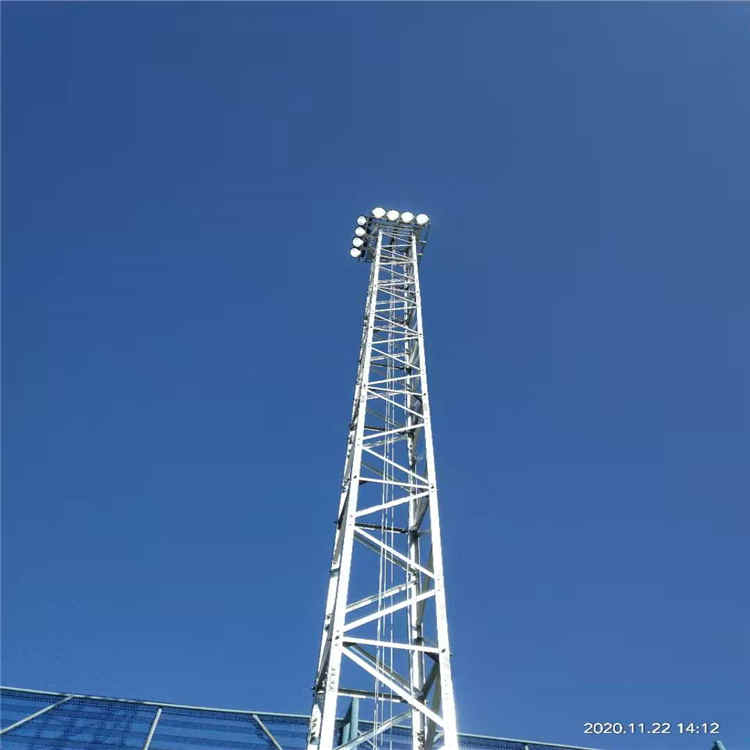
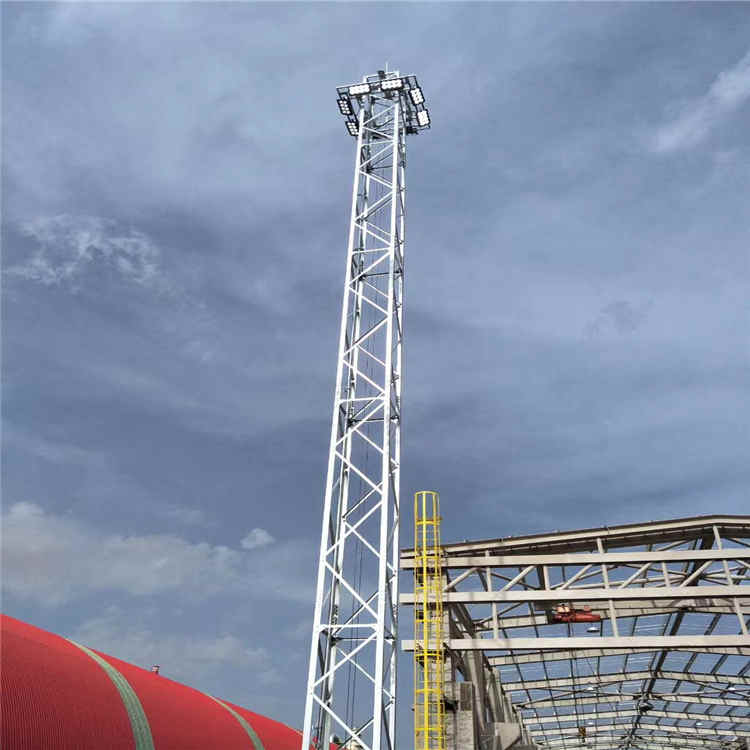
The GFL series lightning rods and lightning towers are professional lightning protection devices, widely used in various locations requiring lightning protection. Below is a detailed introduction to these two types of equipment:
Section 1: GFL Series Lightning Rod
1. Definition
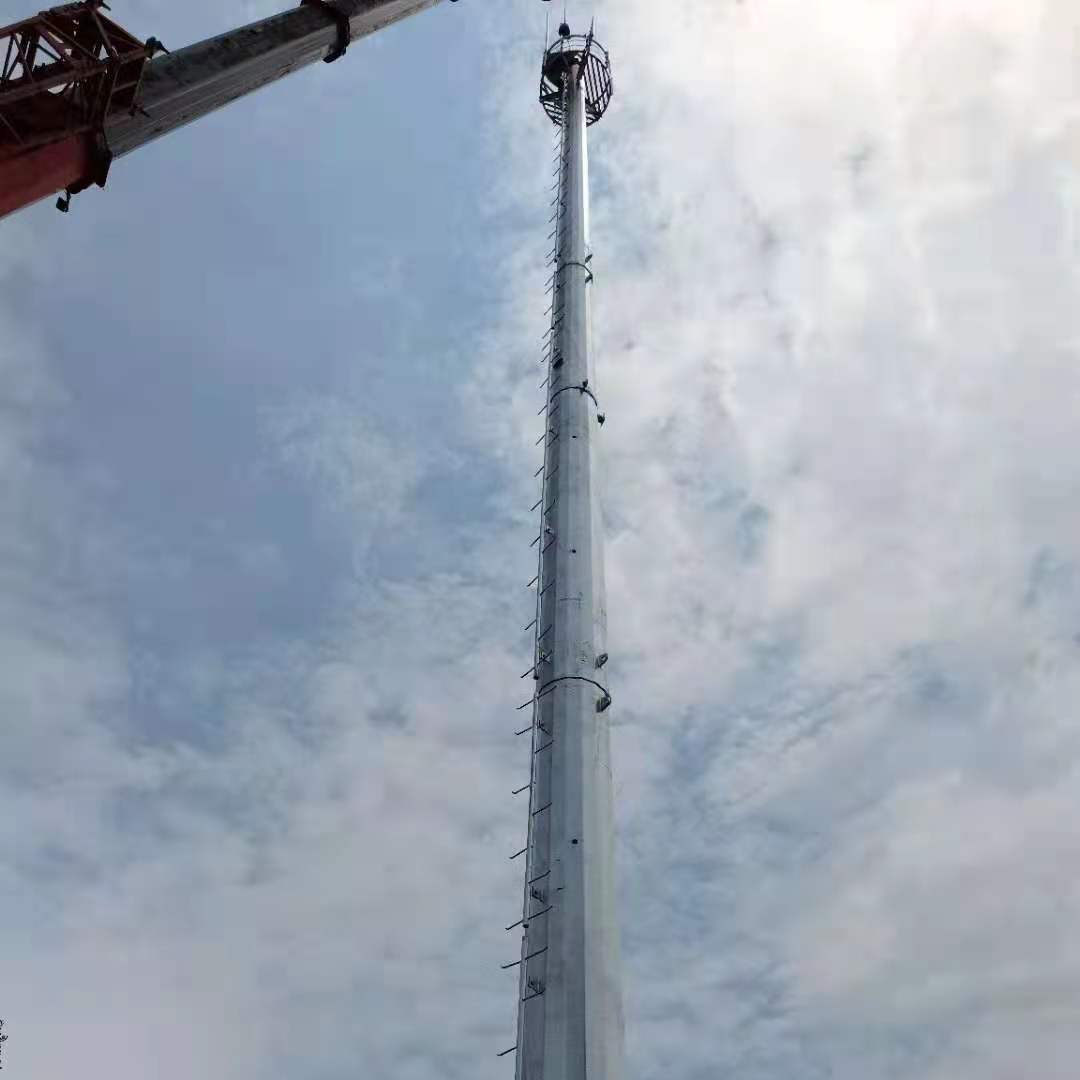
The GFL series lightning rod, also known as the GFL lightning rod, is the core component of the GFL lightning rod tower. It is made of materials with good conductivity, such as stainless steel, and the top is designed in a pointed structure to effectively channel lightning into the tower, which is then introduced underground through the grounding system.
2. Working Principle
- Sharp Discharge Effect: The top of the lightning rod is designed to be pointed, utilizing the sharp discharge effect to attract lightning, actively guiding it towards the lightning rod for discharge.
- Lightning current conduction loop: The lightning rod is connected to the grounding device through the down conductor at the bottom, forming a complete lightning current conduction loop to ensure that lightning energy is safely channeled into the ground.
3. Structural Features
- Material: Typically made of materials such as stainless steel with good conductivity.
- Shape: Top features a pointed structure, conducive to lightning guidance.
- Connection: Connected to lightning rods and grounding devices via down conductors.
4. Technical Specifications
The technical specifications of the GFL series lightning arrestor rods are related to the overall design of the lightning rod tower, including height, material, corrosion protection treatment, basic wind pressure, seismic intensity, etc. Specific parameters must be determined based on the overall design of the lightning rod tower.
5. Application Scenarios
The GFL series lightning rods are widely used in various locations requiring lightning protection, such as communication base stations, radar stations, airports, oil depots, and meteorological stations. They are an essential part of the lightning protection system, effectively safeguarding buildings and equipment from lightning damage.
GFL Series Lightning Rod Tower
1. Definition
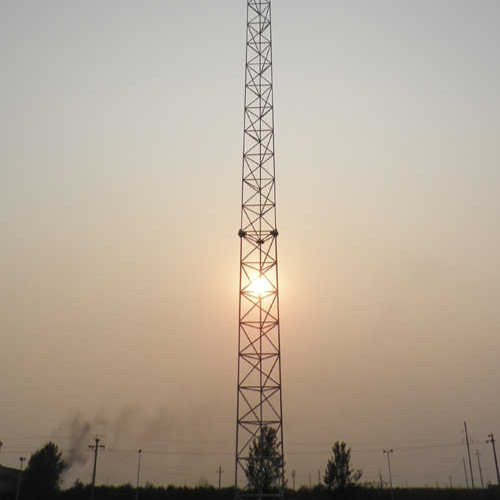
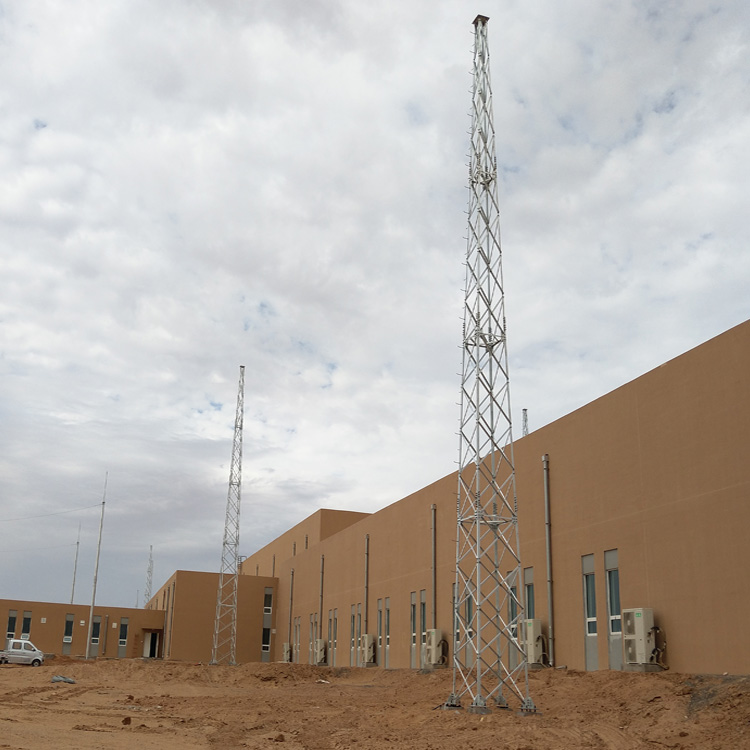
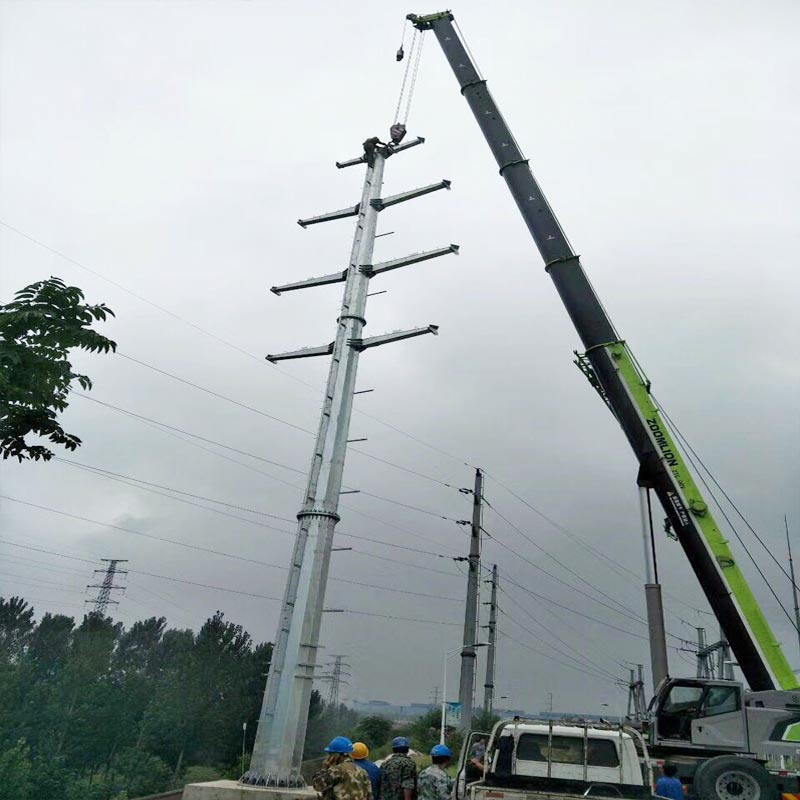
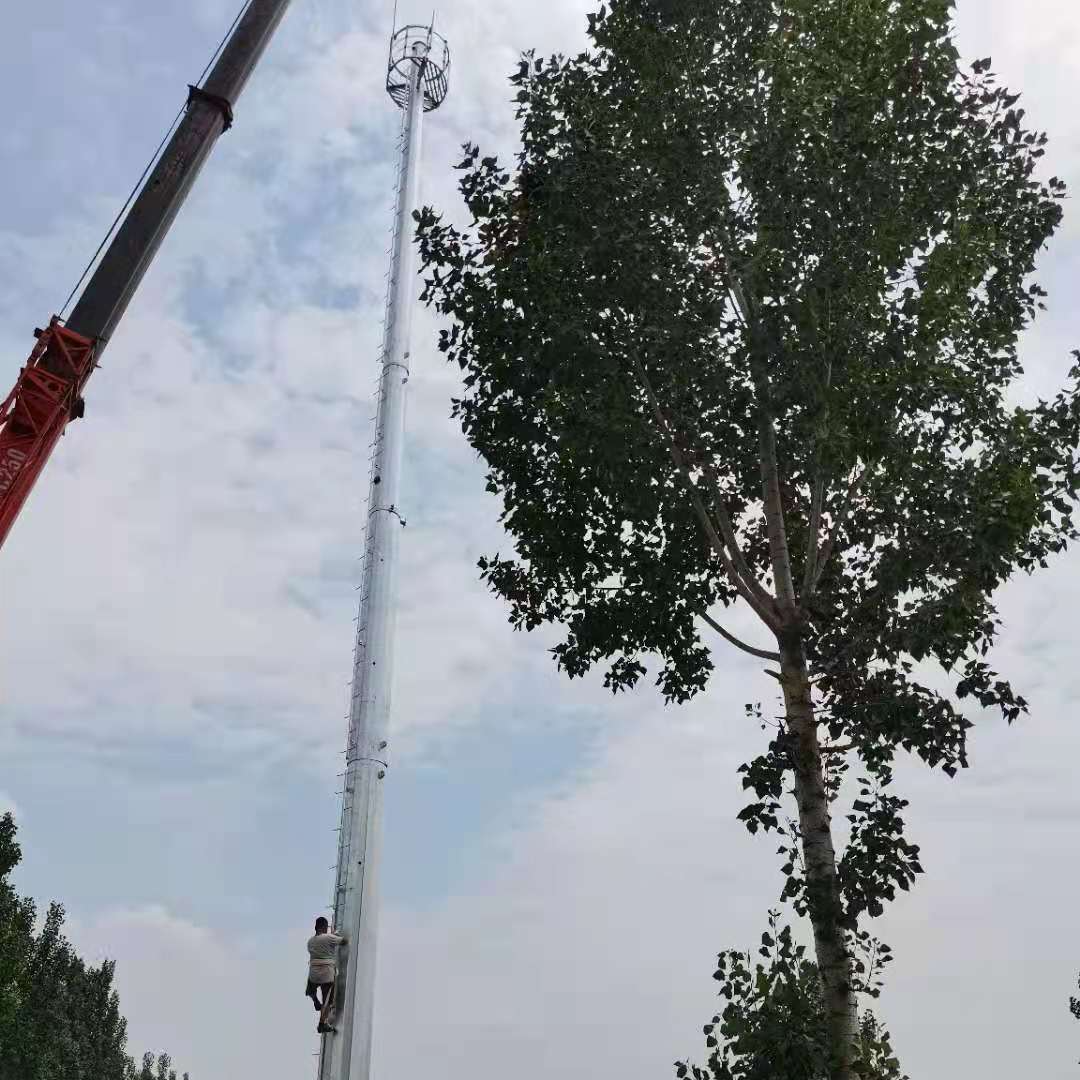
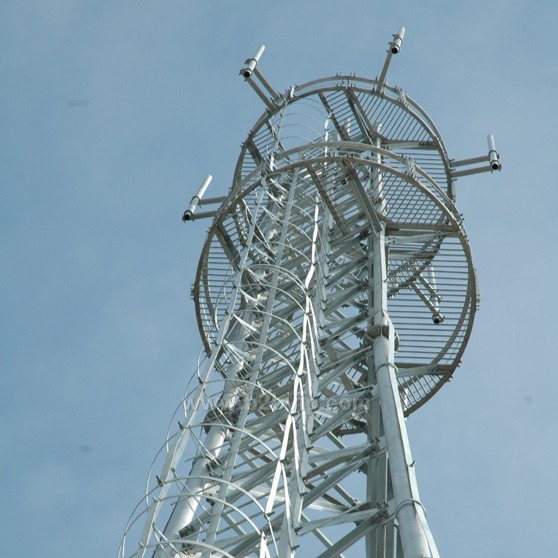
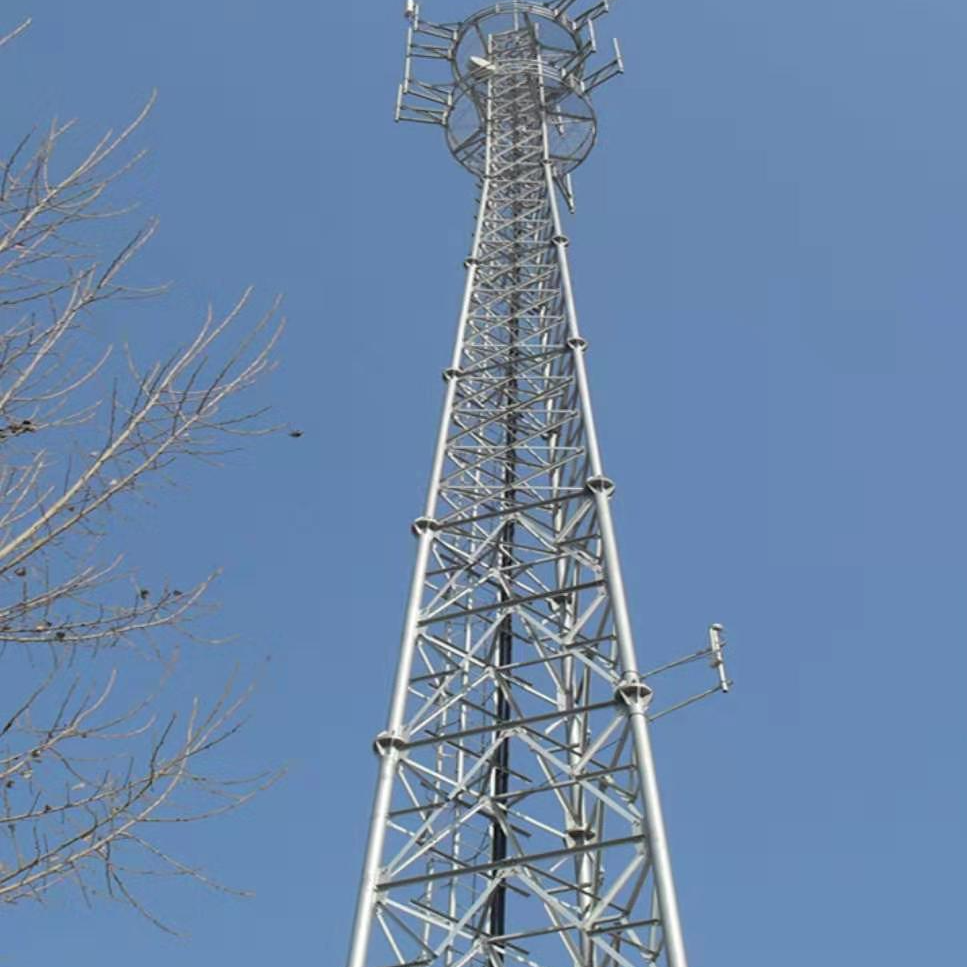
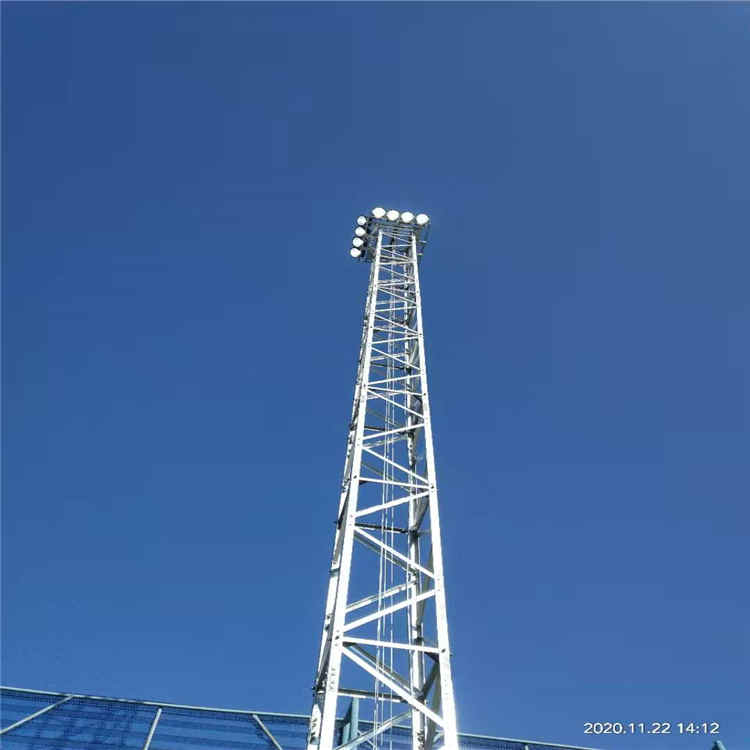
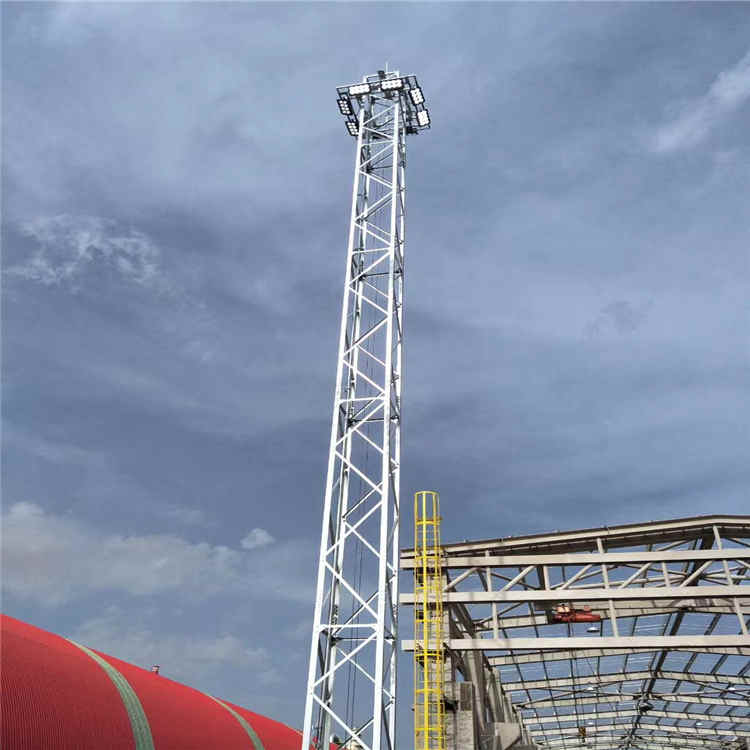
GFL Lightning Rod Tower, also known as a lightning rod or lightning rod tower, is a tall metal structure specifically designed to protect buildings, equipment, and personnel from lightning damage. It is typically made of steel pipes or angle irons and can reach heights of several dozen to over a hundred meters.
2. Structural Features
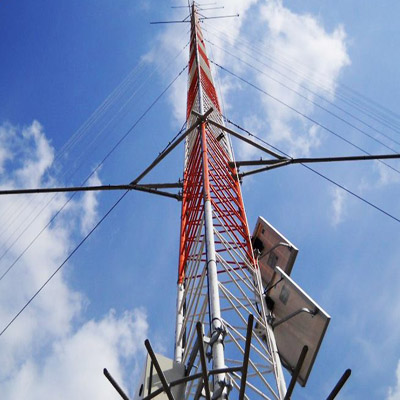
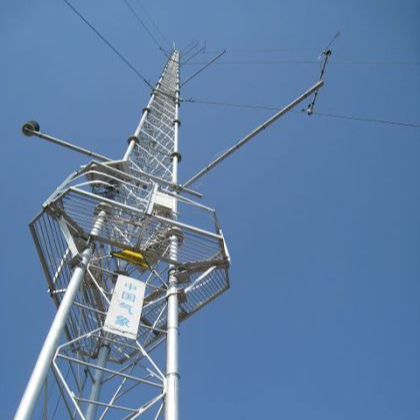
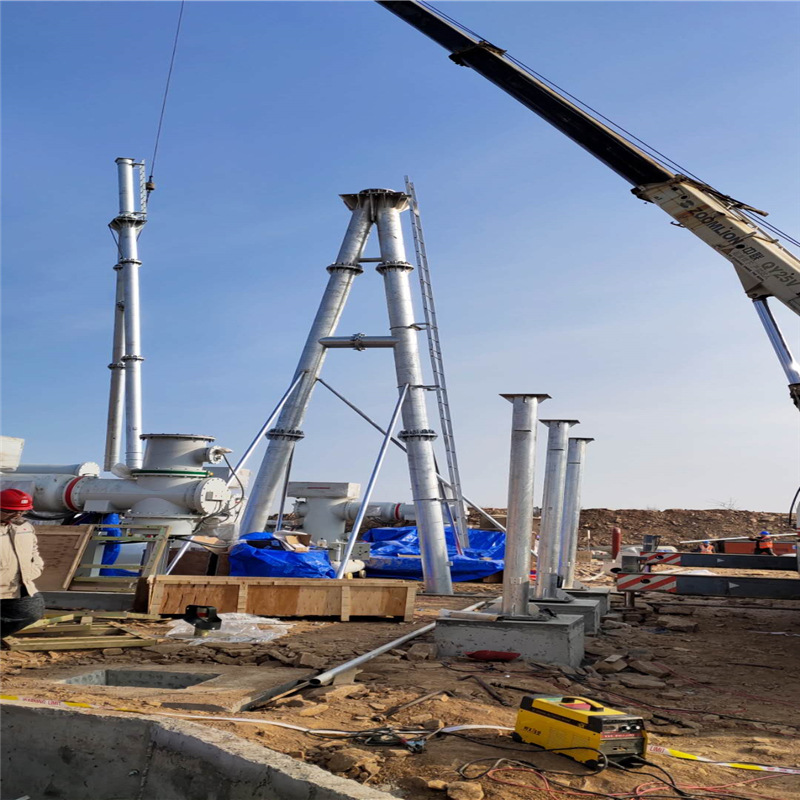
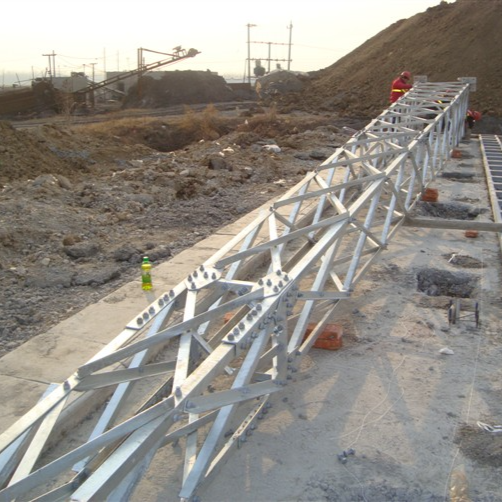
- Frame Structure: The GFL lightning rod tower typically features a four-column structure, composed of four angle steel columns and lightning rods, interconnected by crossbeams to form a stable four-column structure. This design is capable of withstanding strong wind and lightning impacts.
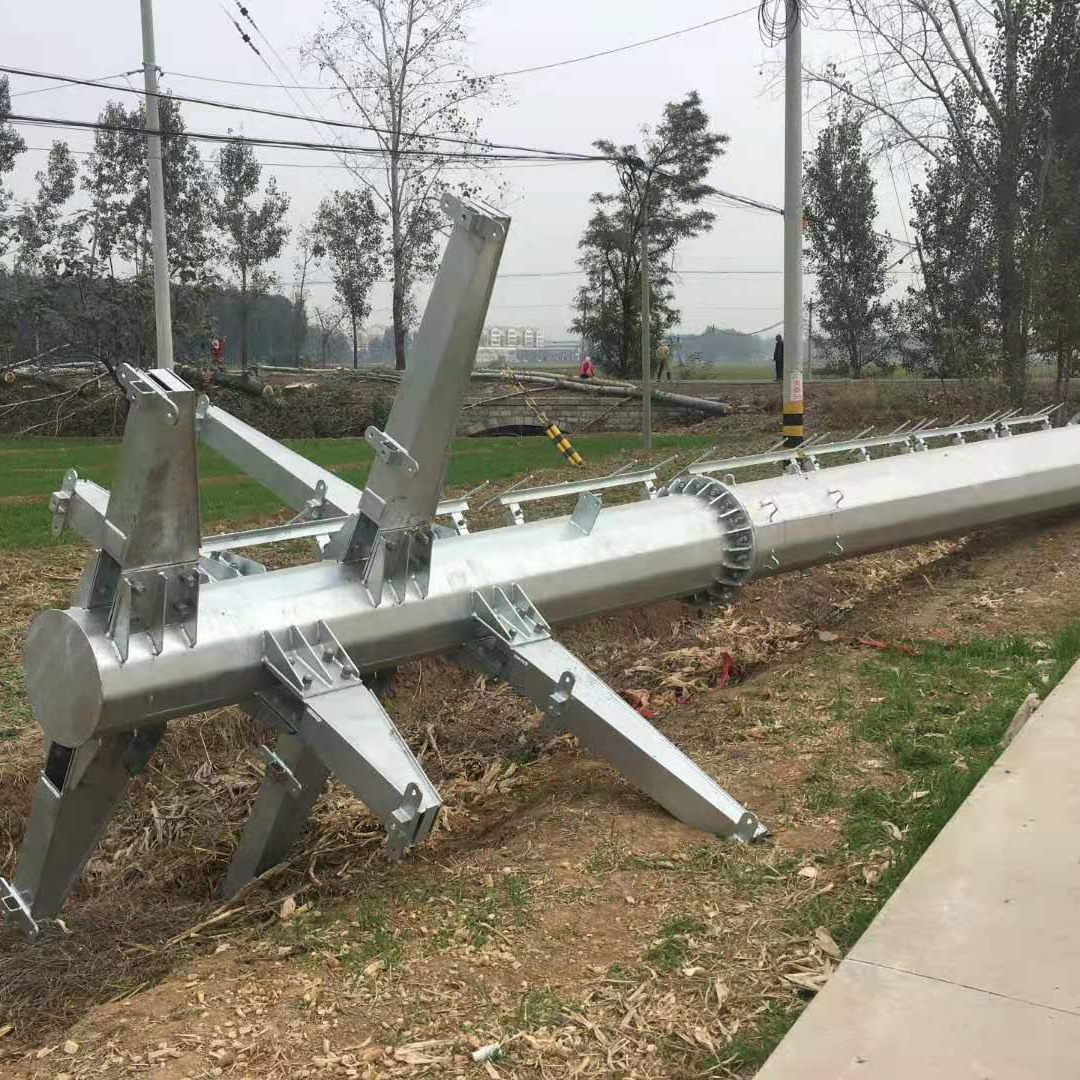
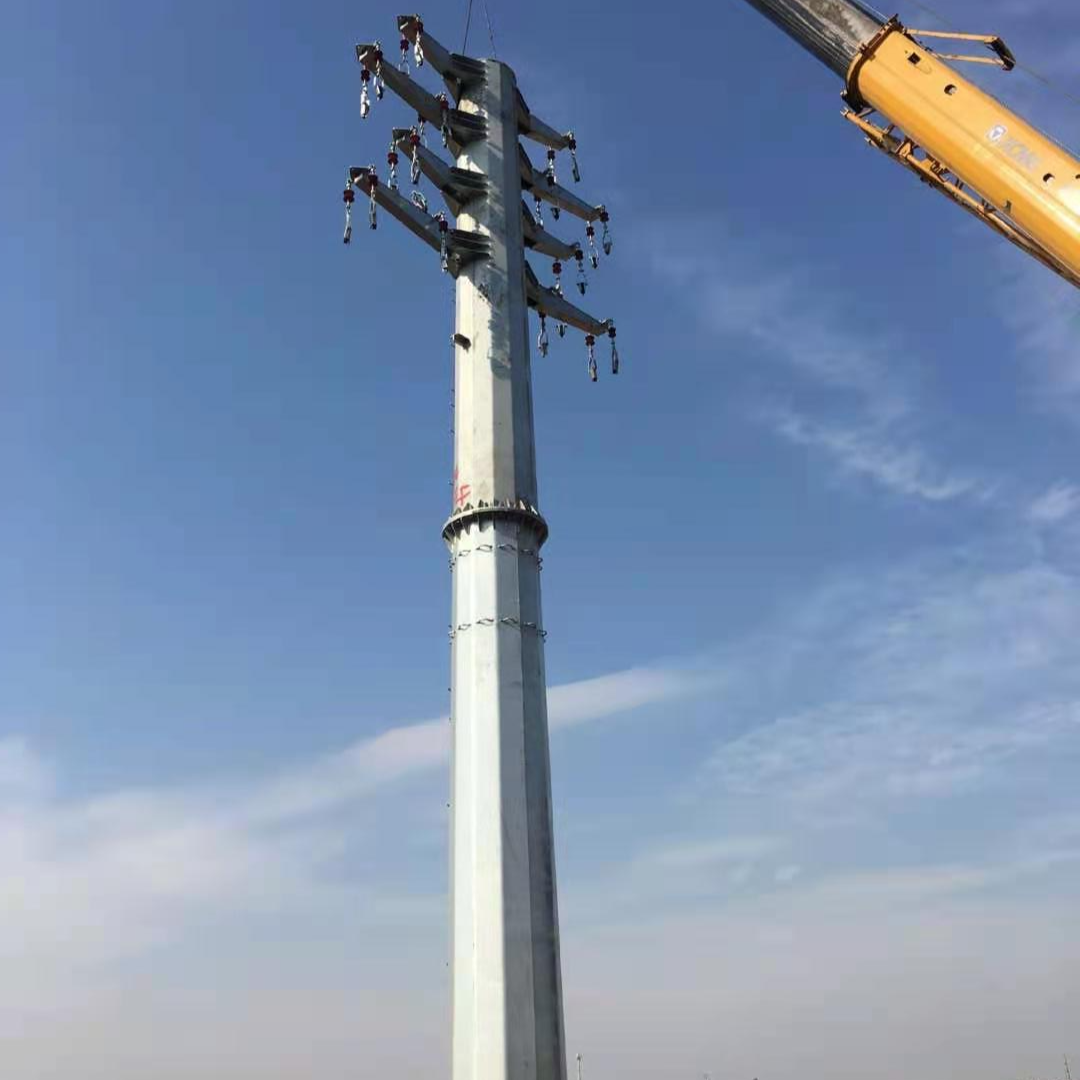
- Material: The tower structure is mainly made of hot-dip galvanized angle steel or steel pipe, such as Q235 or Q345 steel, which offers excellent corrosion resistance.
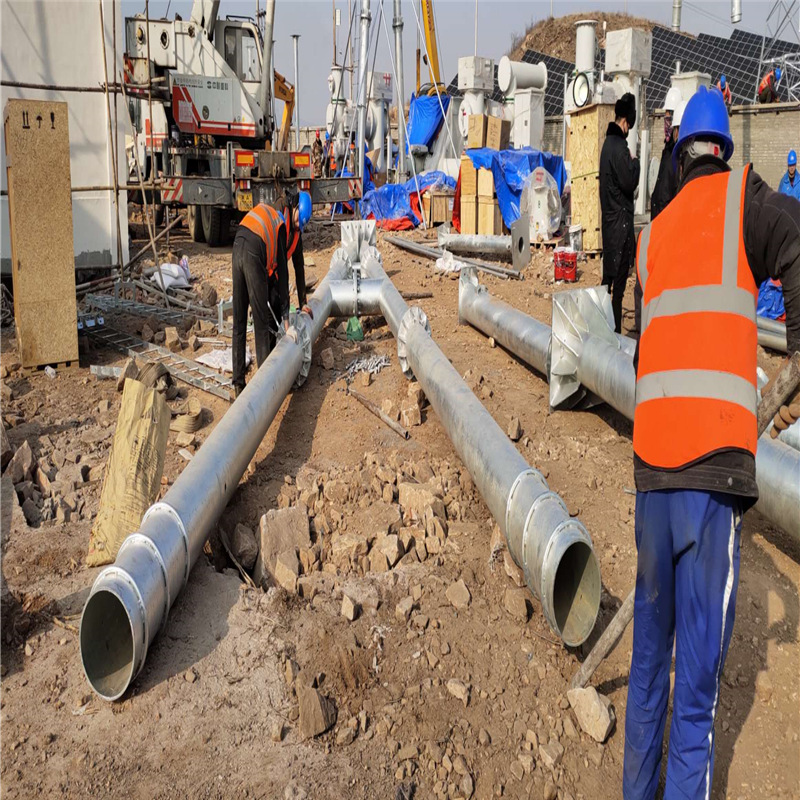
- Connection Method: The four upright pillars are reinforced with crossbars and diagonal bracing, enhancing overall stability. The tower columns are connected using external flange discs, with bolts under tension, making them less prone to damage.
3. Technical Specifications
- Height: The GFL lightning rod tower comes in heights ranging from 15 meters to 40 meters, customizable to meet your requirements.
- Material: Hot-dip galvanized angle steel or steel pipe, such as Q235 or Q345 steel.
- Corrosion Treatment: Surfaces are treated with hot-dip galvanizing for enhanced corrosion resistance.
- Basic Wind Pressure: Generally 0.4 KN/㎡ or 0.7 KN/㎡, capable of withstanding various wind intensities.
- Seismic Intensity: Suitable for earthquake zones with an intensity of 8 degrees or less.
- Ice Thickness: Can withstand up to 10mm of icing.
- Ground Resistance: The ground resistance is typically 1-10 ohms to ensure that lightning currents can be smoothly channeled into the earth.
- Service Life: Up to 30 years under normal use and maintenance conditions.
4. Working Principle
The GFL lightning rod operates on the principles of corona discharge and Faraday cage. The top of the lightning rod is designed to be pointed, which, as a thundercloud approaches, causes an abrupt increase in the electric field strength, ionizing the air and creating a conductive path. This attracts lightning to the lightning rod. The lightning rod releases the lightning overvoltage into the ground through down conductors connected to the grounding system, achieving the effect of lightning protection and lightning prevention.
5. Application Scenarios
The GFL Lightning Tower is widely used in various locations requiring lightning protection, such as:
- Petroleum & Petrochemical Industry: Refineries, gas stations, chemical plants, etc.
- Electric Power Industry: Substations, power plants, high-voltage transmission lines, etc.
- Transportation Industry: Airports, communication base stations, radar stations, etc.
- Other Locations: Warehouses, outdoor event venues, construction sites, etc.
6. Performance under Extreme Weather Conditions
- Wind Resistance: The GFL lightning rod tower is constructed with hot-dipped galvanized angle steel or steel pipe for the tower column, offering excellent mechanical properties and corrosion resistance, enabling it to withstand strong winds and other adverse weather conditions.
- Seismic Performance: The GFL lightning rod has a certain capacity to withstand seismic intensity, suitable for regions prone to earthquakes.
- Corrosion Resistance: The GFL lightning rod is coated with hot-dip galvanized treatment, effectively resisting erosion from rain, moisture, and chemical gases, thereby extending its service life.
- Lightning Protection Effectiveness: Under extreme weather conditions, the GFL Lightning Rod Tower maintains excellent lightning protection performance, ensuring the safety of buildings and equipment.