







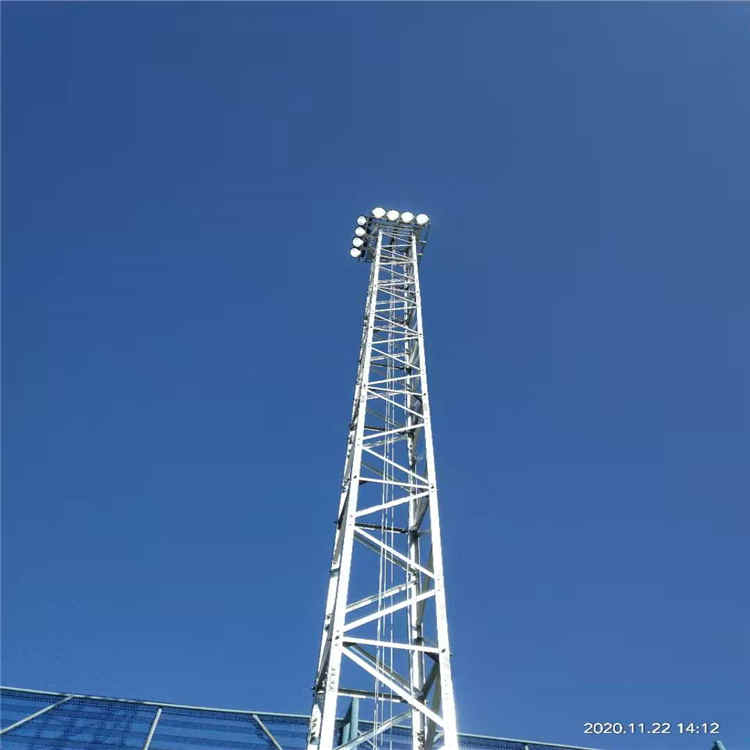
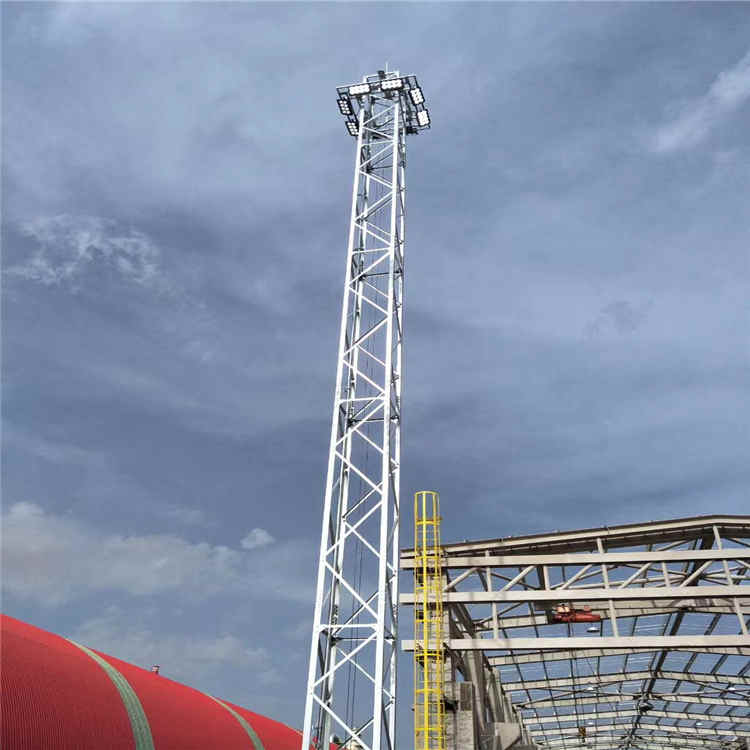
Custom Requirements
Customization requirements for fire training towers primarily follow standards such as the "Urban Fire Station Design Code" to ensure the towers meet the training needs of firefighters. Key customization aspects include:
- Number of layers and height:
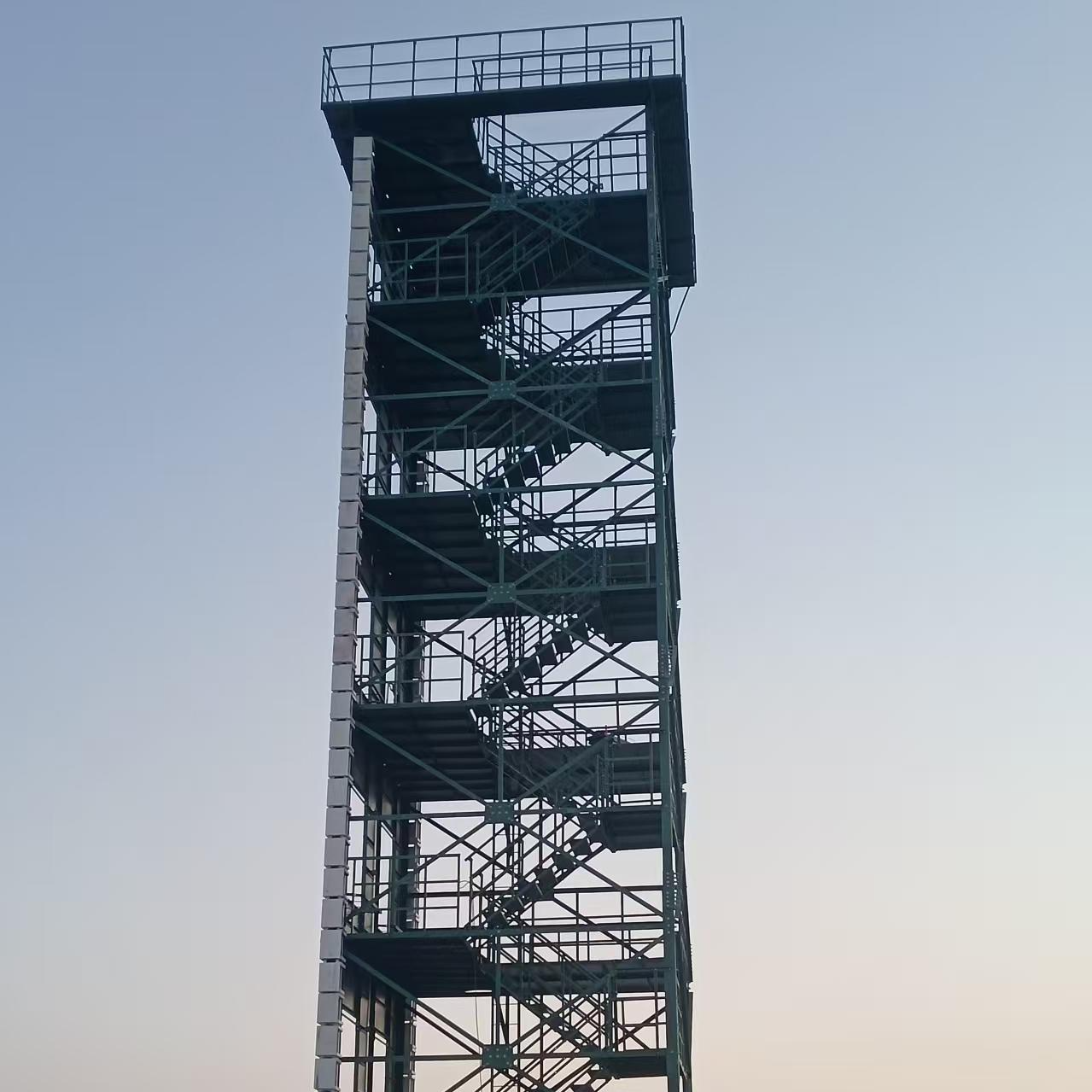
- The training tower should have no fewer than six stories. For special duty fire stations and areas with a high number of high-rise buildings, the number of stories in the training tower can be increased.
- The ceiling height should be 3.5m, with the ground floor height measured from the outdoor ground level. The top floor's height is usually slightly reduced, such as designed to be 3m, to accommodate various training content and for safety considerations.
- Window Settings:
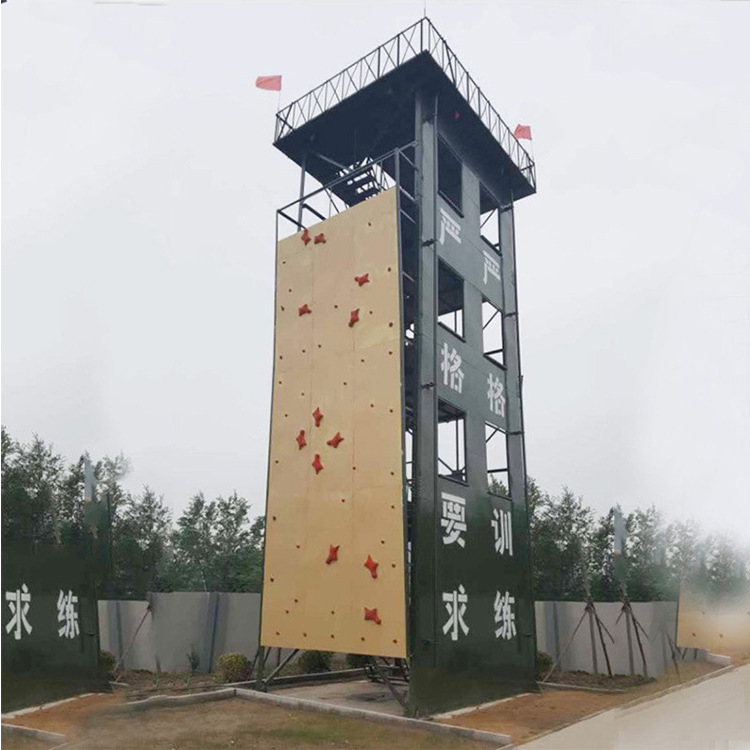
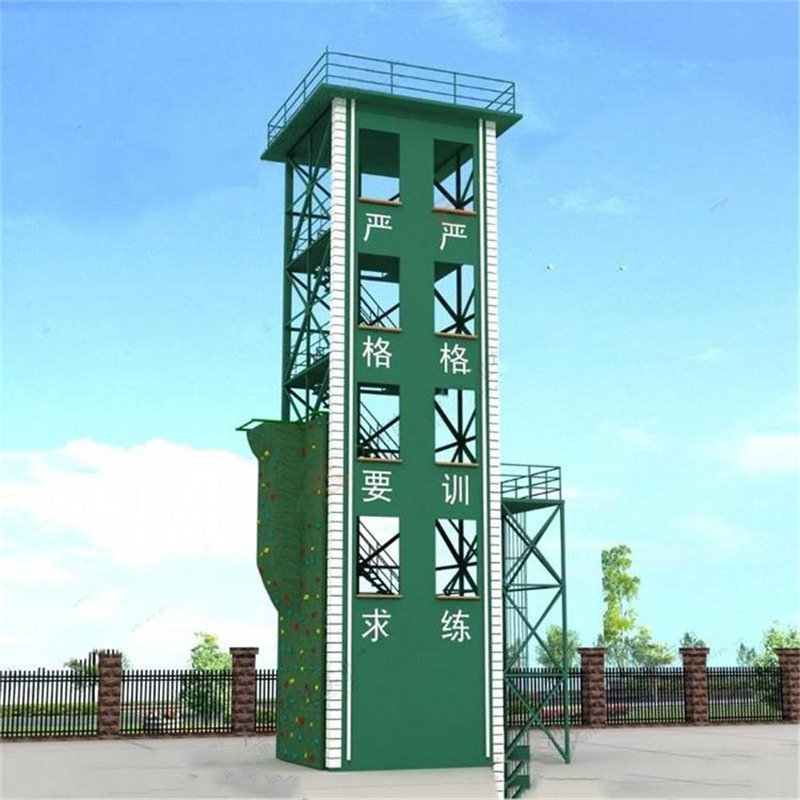
- The training tower's facade should have at least two windows per floor, with the horizontal distance between windows and the tower edge not less than 0.65m, and the width of the wall between the windows should not be less than 1.0m.
- The window size should be 1.2m x 1.8m, and the height of the window sill from the floor level of that floor (including the window sill height) should be 0.8m.
- Stairs and Platforms:
- The training tower should be equipped with an internal staircase with a clear width of not less than 0.7m.
- Each level should have an interior platform with a width of no less than 1.5 meters, and the top level should be equipped with a floor.
- Other Facilities:
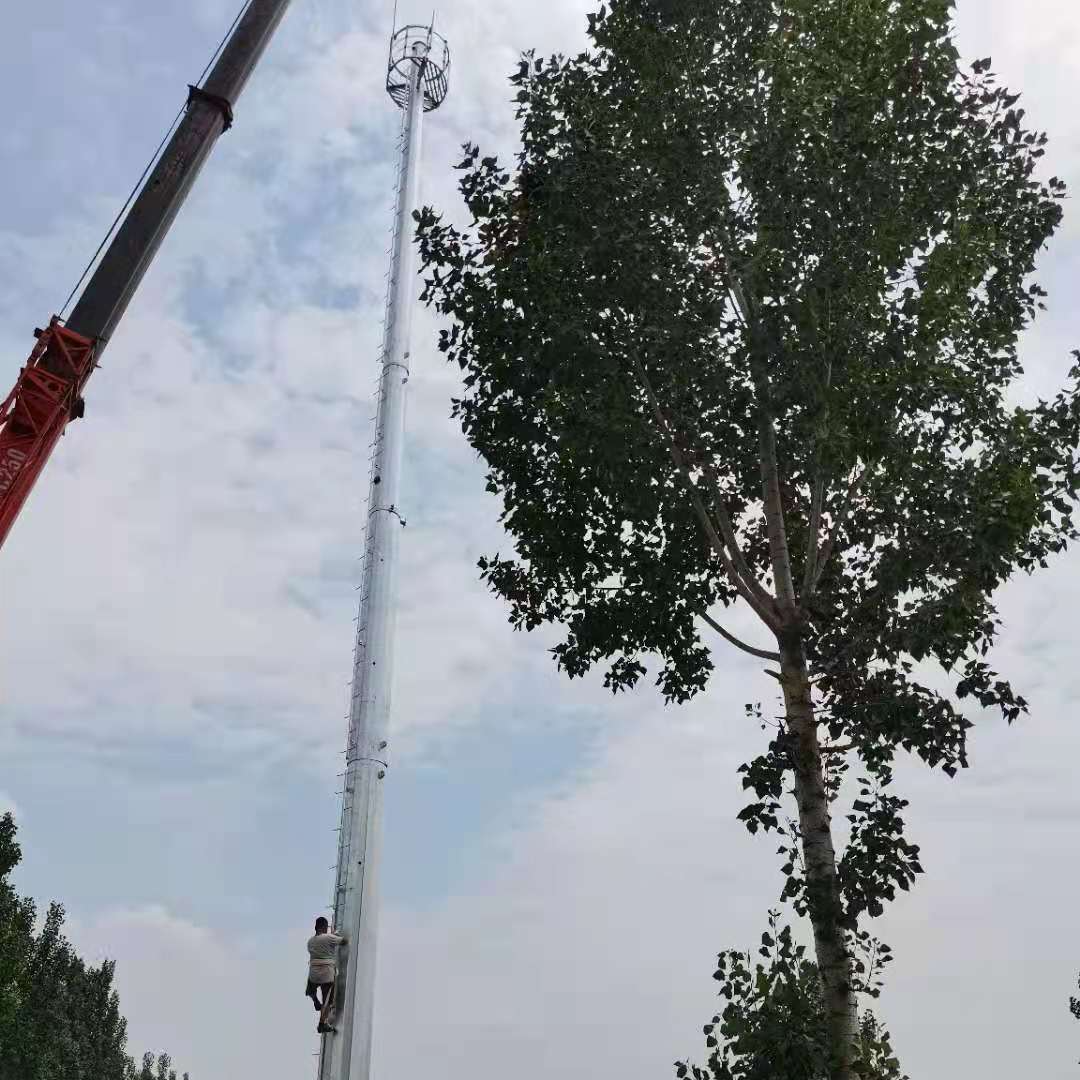
- The training tower should be equipped with an outdoor fire ladder, which directly reaches the top of the tower. The height from the ground is 3 meters, and the ladder width is 0.5 meters.
- The top of the training tower should be equipped with safety protection pulleys, safety hooks, belay device mounts, and ropes for rope rescue training.
- The training tower should simulate actual combat environments to enhance training capabilities, scientifically set up indoor and outdoor fire hydrants, pump connections, and elevated training safety auxiliary facilities.
- Safety Requirements:
- The window sills on the training tower should be equipped with interchangeable wooden window sill boards, with a width of 0.4 meters and the window sill boards should project 0.05 meters beyond the front tower wall.
- Wooden pads should be installed on the wall of the training tower.
- The steel structure training tower should be made of galvanized steel or undergo thermal spraying for anti-rust and corrosion protection.
Section II: Customization Process
The custom process for fire training towers typically includes the following steps:
- Construction Preparation:
- Construction Survey: Understand design intent, project characteristics, construction site conditions, and natural conditions, etc.
- Technical Preparation: Attend technical briefings, ensure accuracy of documents, and compile the implementable construction organization design.
- Construction Team Preparation: Select professional construction teams with extensive experience in similar projects, and provide technical training and safety education to the workers prior to deployment.
- Material and Equipment Preparation: According to the construction organization design and material/equipment plan requirements, the material personnel should adjust the materials as soon as possible.
- Construction Site Preparation: Coordinate with the construction unit to ensure "Three Connections and One Leveling," understand and deal with underground obstacles such as water pipes and cables, conduct surveying and layout, and set up temporary facilities.
- Basic Construction:
- Basic earthwork excavation: Excavated in layers by excavators, with manual assistance for cleaning the bottom.
- Compacted and leveled natural soil: Compacts the subsoil layer, ensuring no water accumulation in the soil.
- Laydown浇筑: Utilizing C10 concrete for the underlay.
- Rebar tying: Construction strictly follows the design, requiring secure tying and accurate embedded positions.
- Install embedded parts: Under the guidance of relevant professionals to ensure accurate placement.
- Casting Concrete: Utilizing truck-mounted pumps for pouring, with concrete grade C30 and vibration for dense compaction.
- Concrete curing: Curing period must be at least 7 days.
- Structural Steel Erection
- Rigging Preparation: Verify the component space placement dimensions, inspect the component's strength, integrity, appearance, geometric dimensions, flatness, etc.
- Verify component stability: Calculate the stability of components during hoisting, and reinforce components with poor lateral rigidity.
- Inspection and preparation of lifting equipment: Check if the lifting equipment, auxiliary machinery, tools, and ropes used for lifting are complete and in good condition.
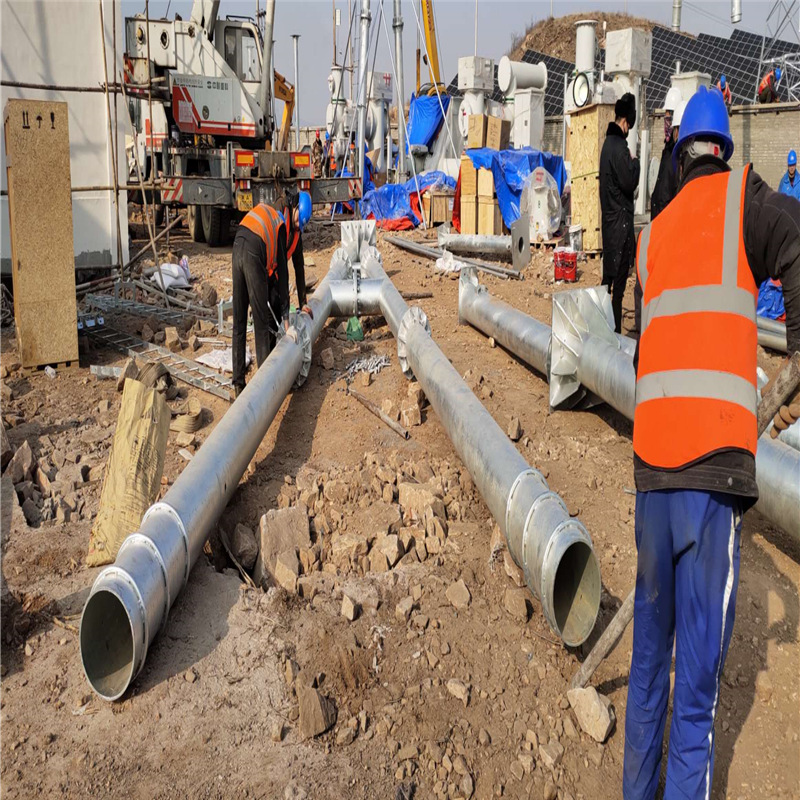
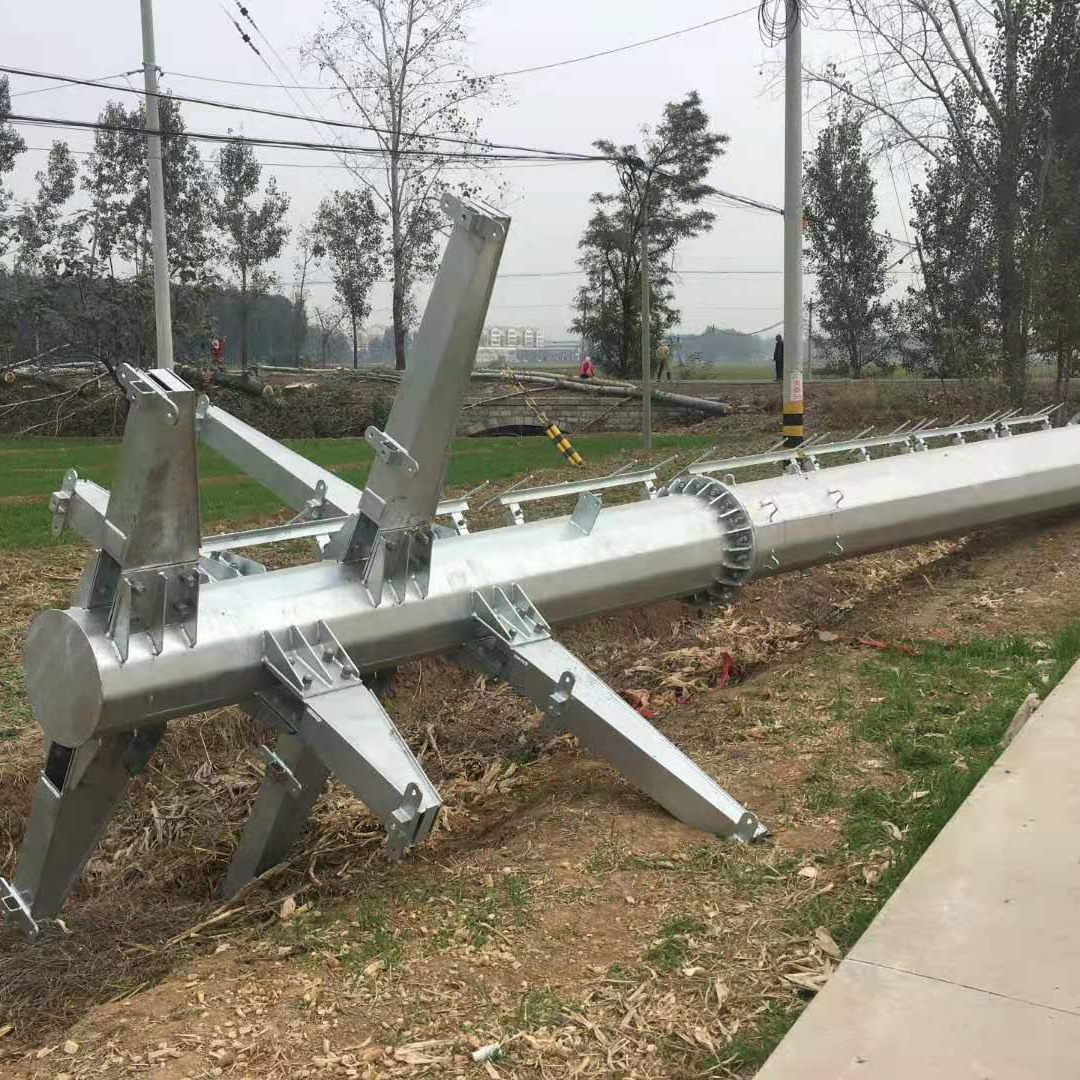
- Steel structure on-site assembly: Employed vertical assembly method, set up a construction platform, level the components, check and level the component dimensions, temporarily fix with bolts, and weld.
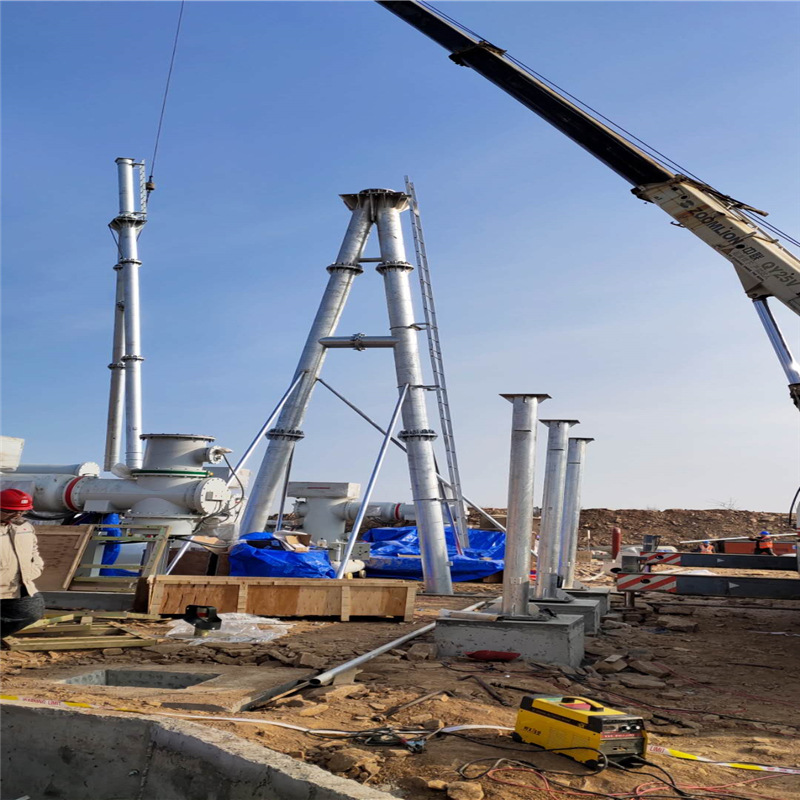
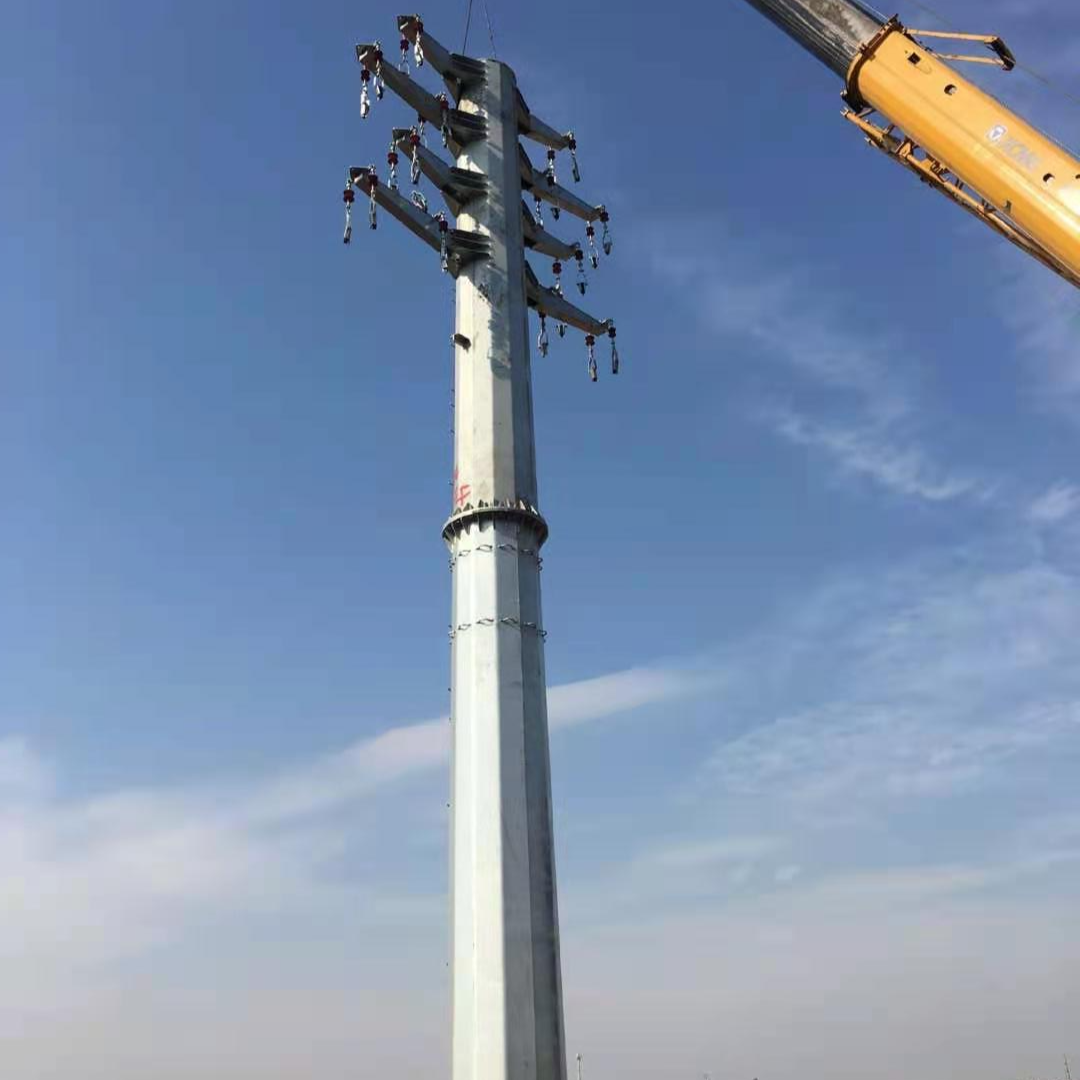
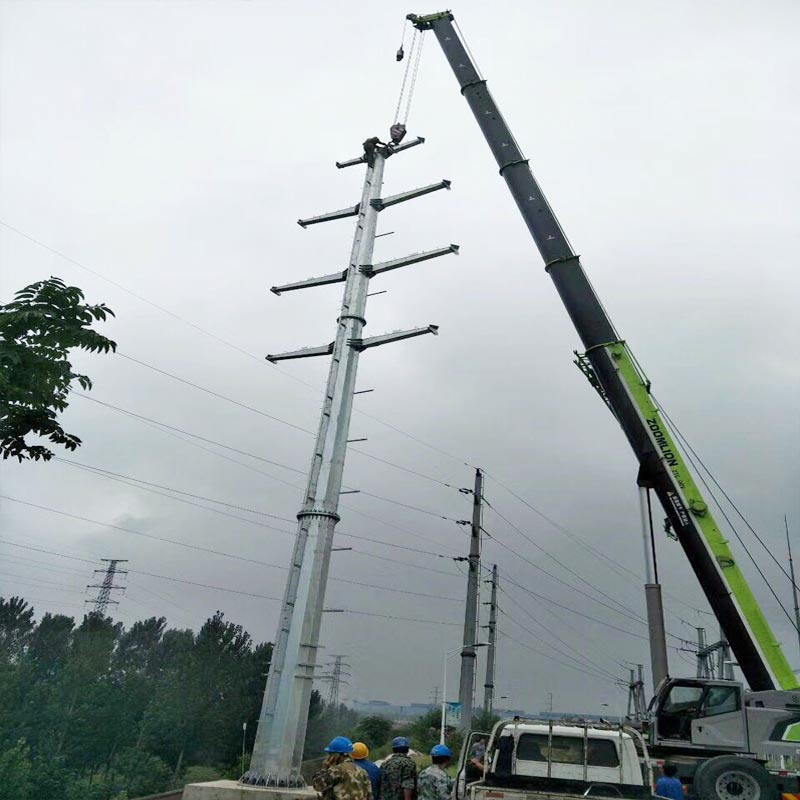
- Steel column hoisting and alignment: Utilize a 15T truck crane for lifting operations. For longer components, a two-point tie-down (skewed hoisting) can be employed. After initial alignment, the lifting crane can be detached once the vertical deviation is controlled within 20mm, and checked with a theodolite.
- Component Alignment: Utilizes wedges and jack alignment methods, plane axis alignment, grade alignment, and verticality alignment.
- Methods for preventing and treating common quality issues, measures for ensuring project timeline, quality assurance measures, safety assurance measures, and measures for ensuring civil construction practices:
- Preventive Measures for Common Quality Issues: Formulate corresponding preventive measures for potential quality problems.
- Guaranteed Construction Schedule Measures: Optimize construction plans, utilize advanced construction equipment, a proficient construction team, meticulous organization, and scientific construction methods to ensure the project is completed on time.
- Quality Assurance Measures: Implement quality management and technical, quality responsibility contracting systems to ensure the project quality meets the quality objectives set forth in this proposal.
- Safety Assurance Measures: Implement the responsibility system for safety goals, establish safety assurance measures, strictly adhere to safety procedures, and prevent the occurrence of safety accidents.
- Civil Construction Guarantee Measures: Strengthen civil construction management to ensure a clean and orderly construction site.
Section 3: Custom Options
During the customization of the fire training tower, the following options can be selected based on actual needs:
- Material Selection:
- The steel structure training tower can be made from galvanized materials or subjected to thermal spraying for rust and corrosion prevention, enhancing the tower's lifespan and safety.
- Training Facility Configuration:
- Based on training requirements, configurable facilities such as smoke and heat training rooms and deep well rescue equipment are available to enhance firefighters' practical capabilities.
- Adjustable features include simulated windows, floor partitions, rear skeletons, observation, command platform skeletons, and the main steel structural frame, to simulate real fire scenarios.
- Additional Customization Options:
- Based on the actual needs of the fire department, other training facilities and functional modules can be customized, such as fire ladders, safety protection pulleys, safety hooks, fixed descent devices, and ropes, etc.