











Static fracturing is a method that gradually breaks down bridge structures under static forces, achieved through drilling and inserting expanding agents. This method has minimal impact on the surrounding environment and is suitable for situations with high requirements for noise and vibration control. However, the removal speed of static fracturing is relatively slow, requiring a longer duration.
Flame cutting is a common method for bridge cutting and demolition. When cutting with fire, oxygen-acetylene or oxygen-acetylene flame cutting is required. By adjusting the temperature of the flame and the position of the nozzle, the structure of the bridge can be cut open. This method is suitable for larger bridges and can carry out cutting work.
Post-demolition treatment of the bridge:
Waste Management: Waste generated during the dismantling process must be properly disposed of. Recyclable waste, such as rebar and concrete blocks, can be recycled for reuse; non-recyclable waste must be treated in accordance with relevant regulations.
2. Environmental Monitoring: After the dismantling work is completed, surrounding environments must be monitored to ensure that the dismantling has not caused pollution or damage.
Carefully operate the bridge cutting process to accurately sever a part of the bridge to cause distortion or destruction of the debris. When cutting and removing the bridge, great effort must be placed on ensuring accuracy to meet relevant requirements. Additionally, it is crucial to ensure no environmental pollution during the cutting process. For this purpose, operators must have extensive experience and specific skills to correctly cut at reasonable locations and sizes, reducing waste.
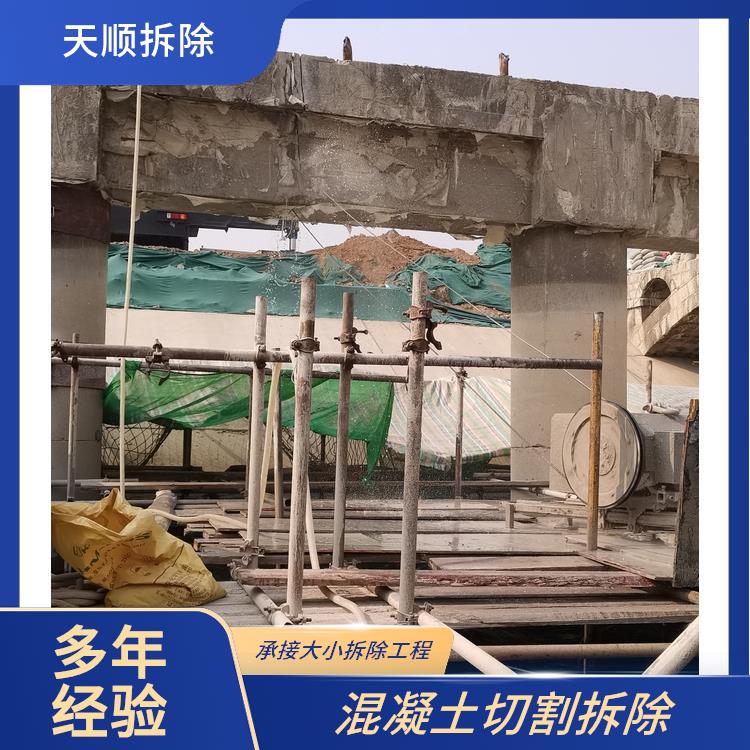
Wire-cutting is a method that uses diamond rope or metal wire as the cutting tool, cutting through bridge structures with high-speed reciprocating motion. It is suitable for bridge components of various materials and thicknesses, offering high cutting precision and minimal environmental impact.
Bridge Demolition Steps
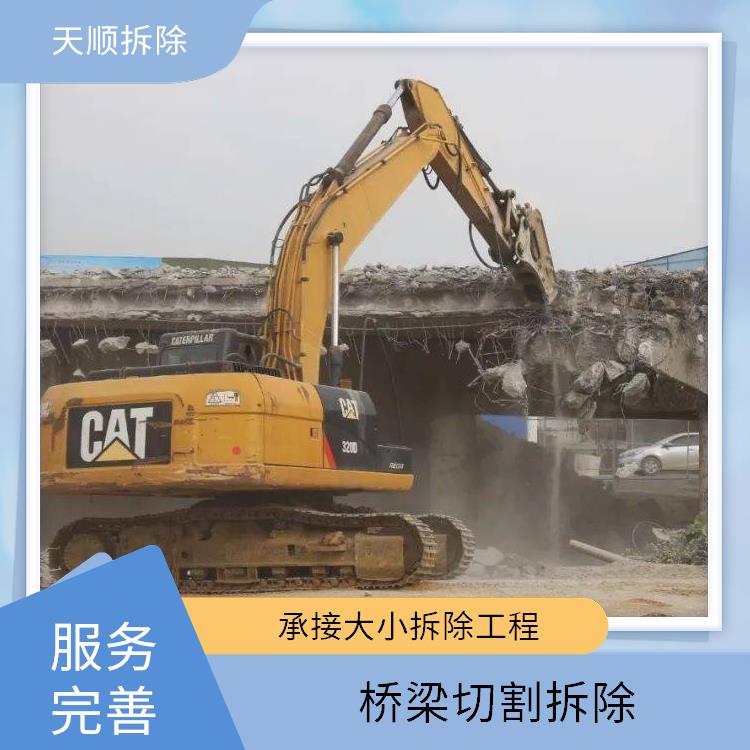
Remove bridge deck surfacing: First, dismantle the deck surfacing layer, such as asphalt, concrete, etc. Pay attention to protecting the main structure of the bridge during the dismantling process to avoid damage.
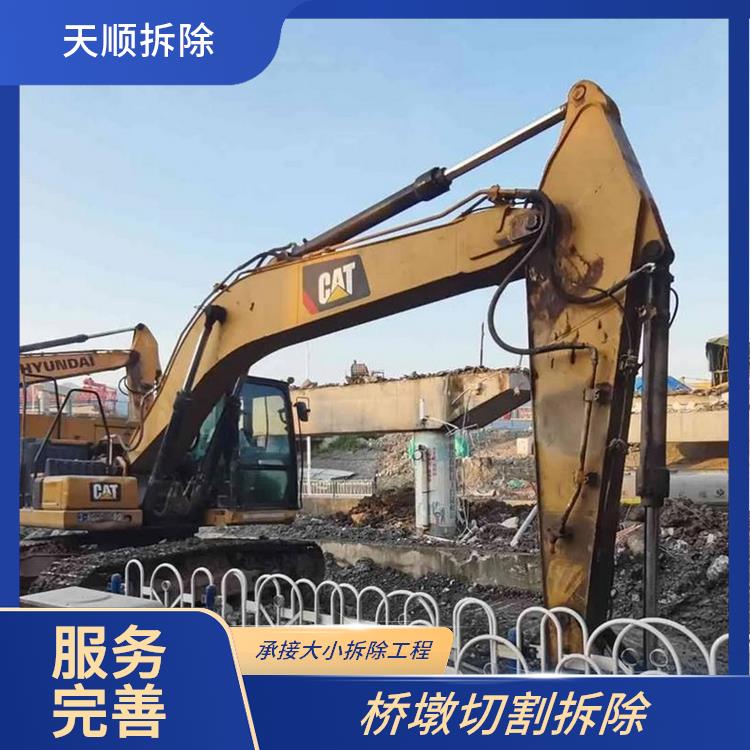
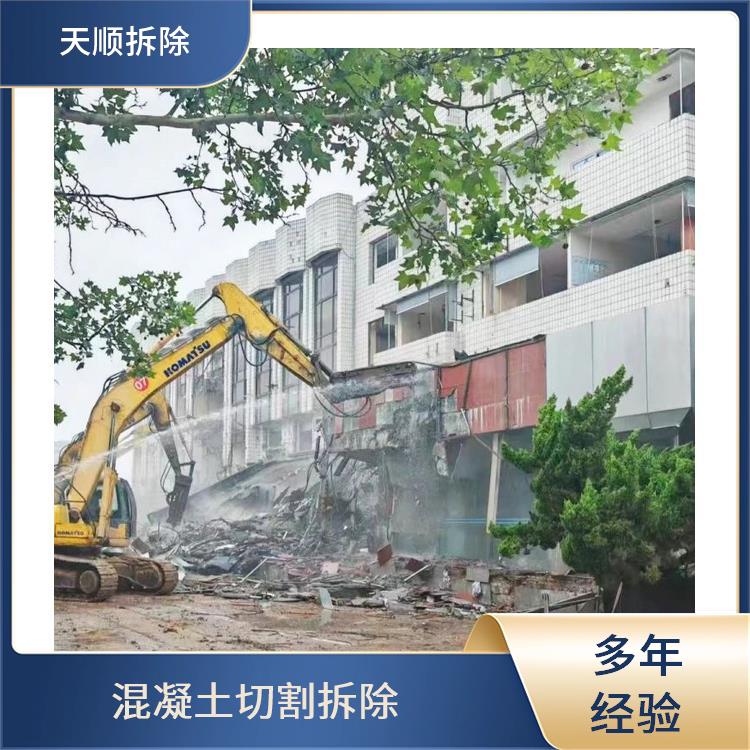
2. Demolition of Bridge Piers and Abutments: After the bridge deck is removed, begin the demolition of the piers and abutments. Use appropriate machinery, such as excavators and cutting machines, during the demolition to ensure smooth progress.
3. Site Cleanup: After dismantling is complete, the site must be cleared and waste removed. Organize and repair the dismantled area to ensure the surrounding environment is clean and aesthetically pleasing.
WeChat Official Account

Scan to follow Official Account