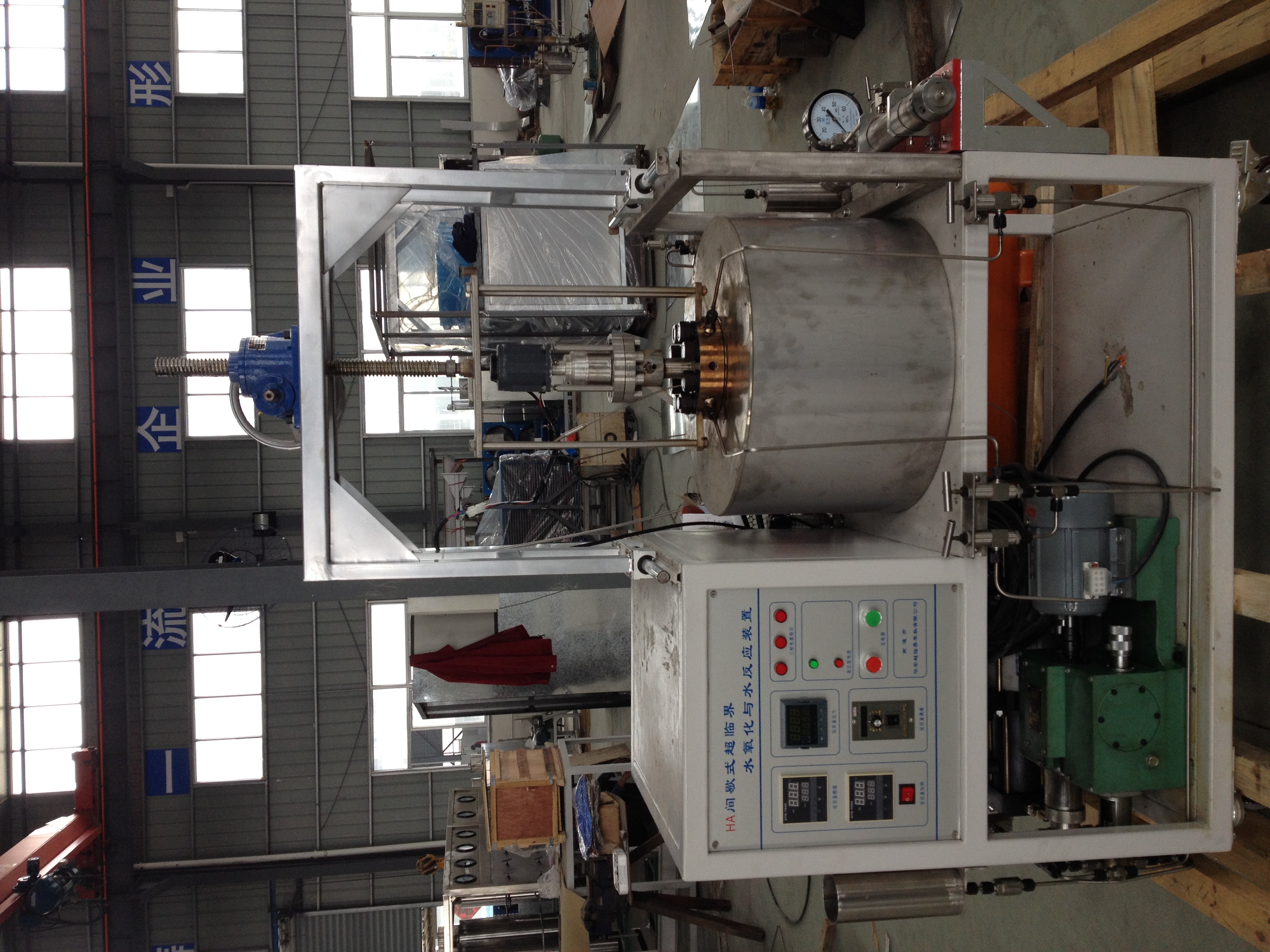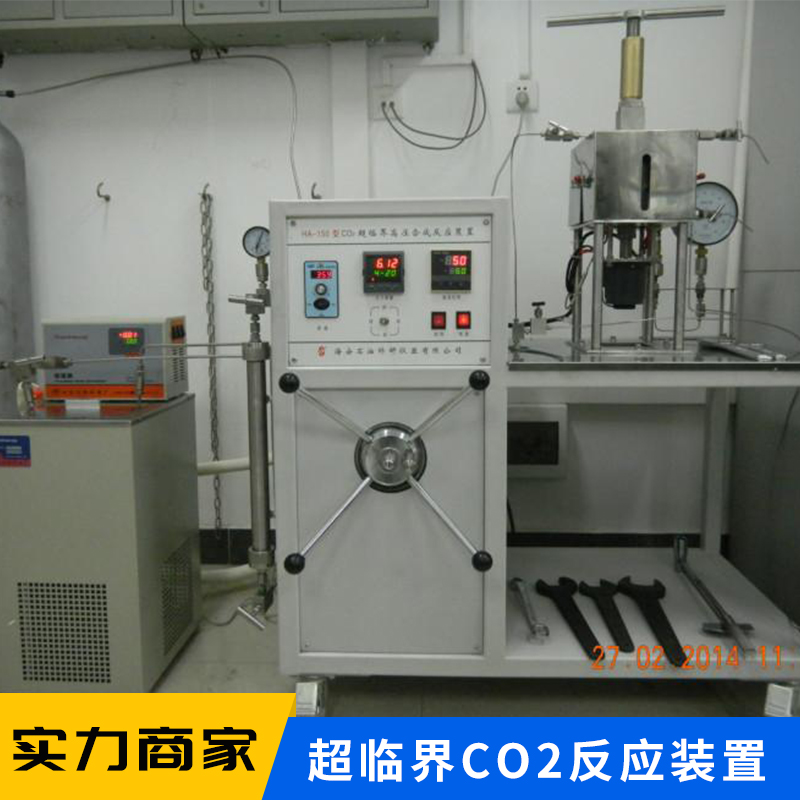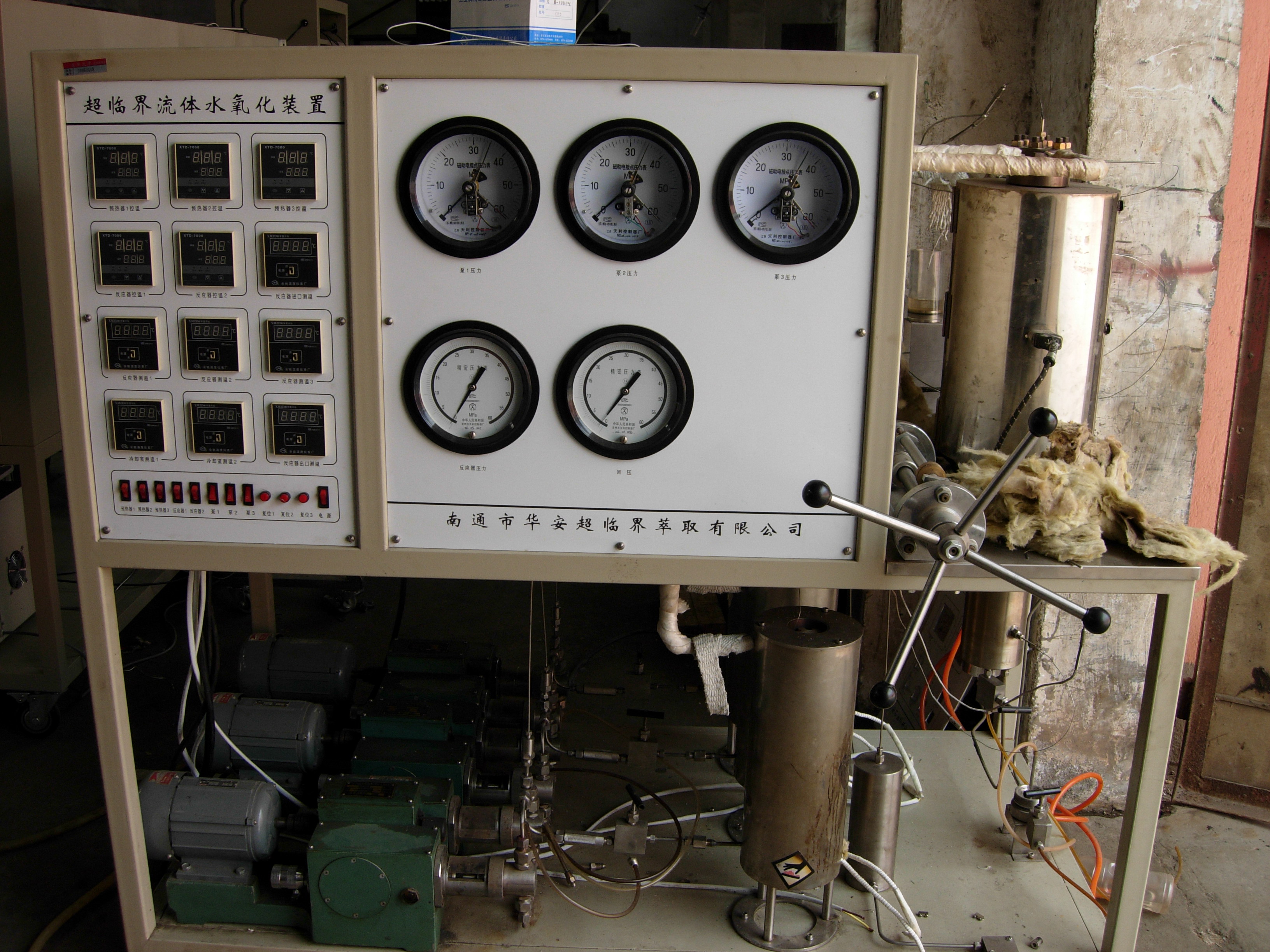

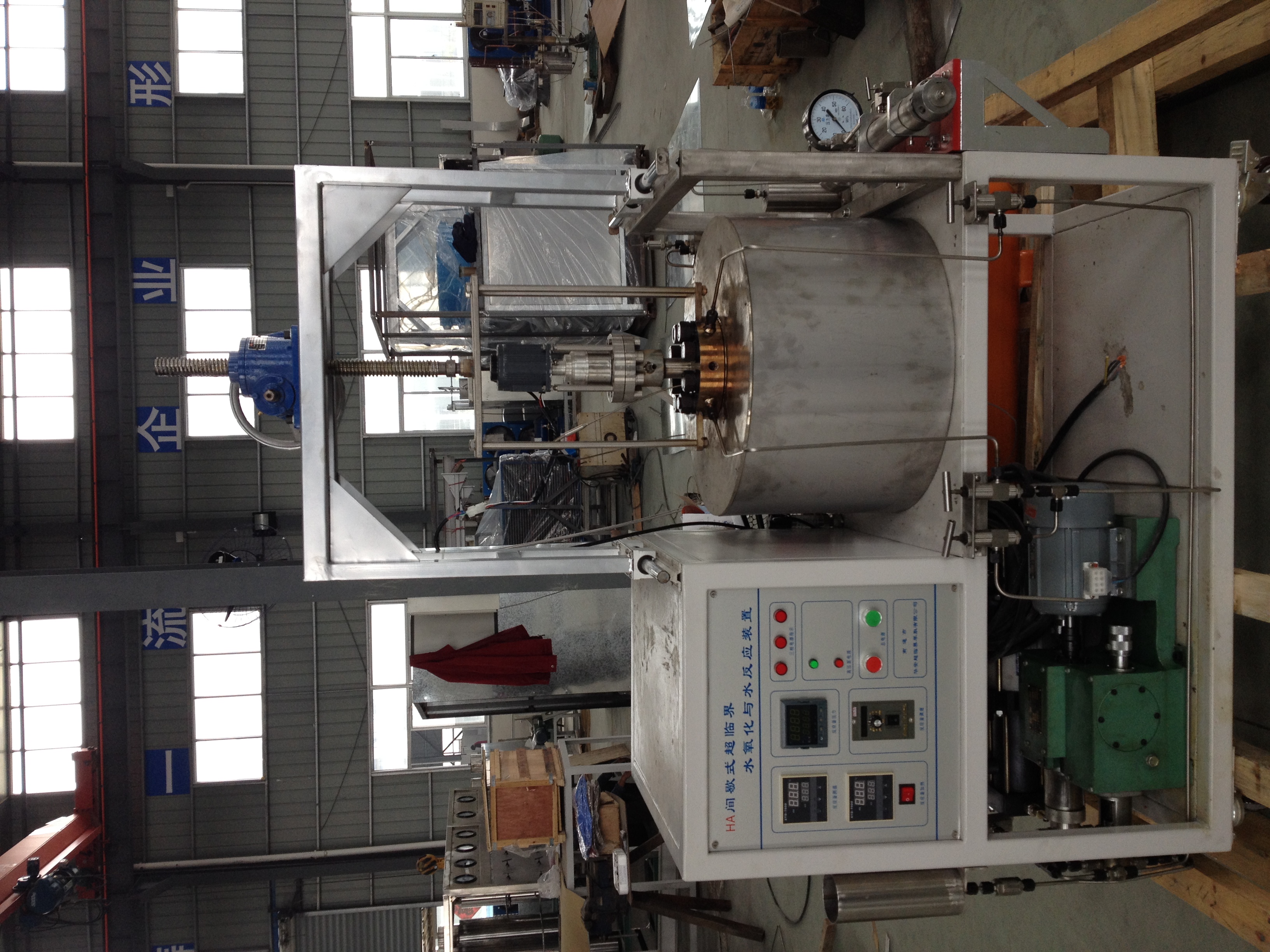
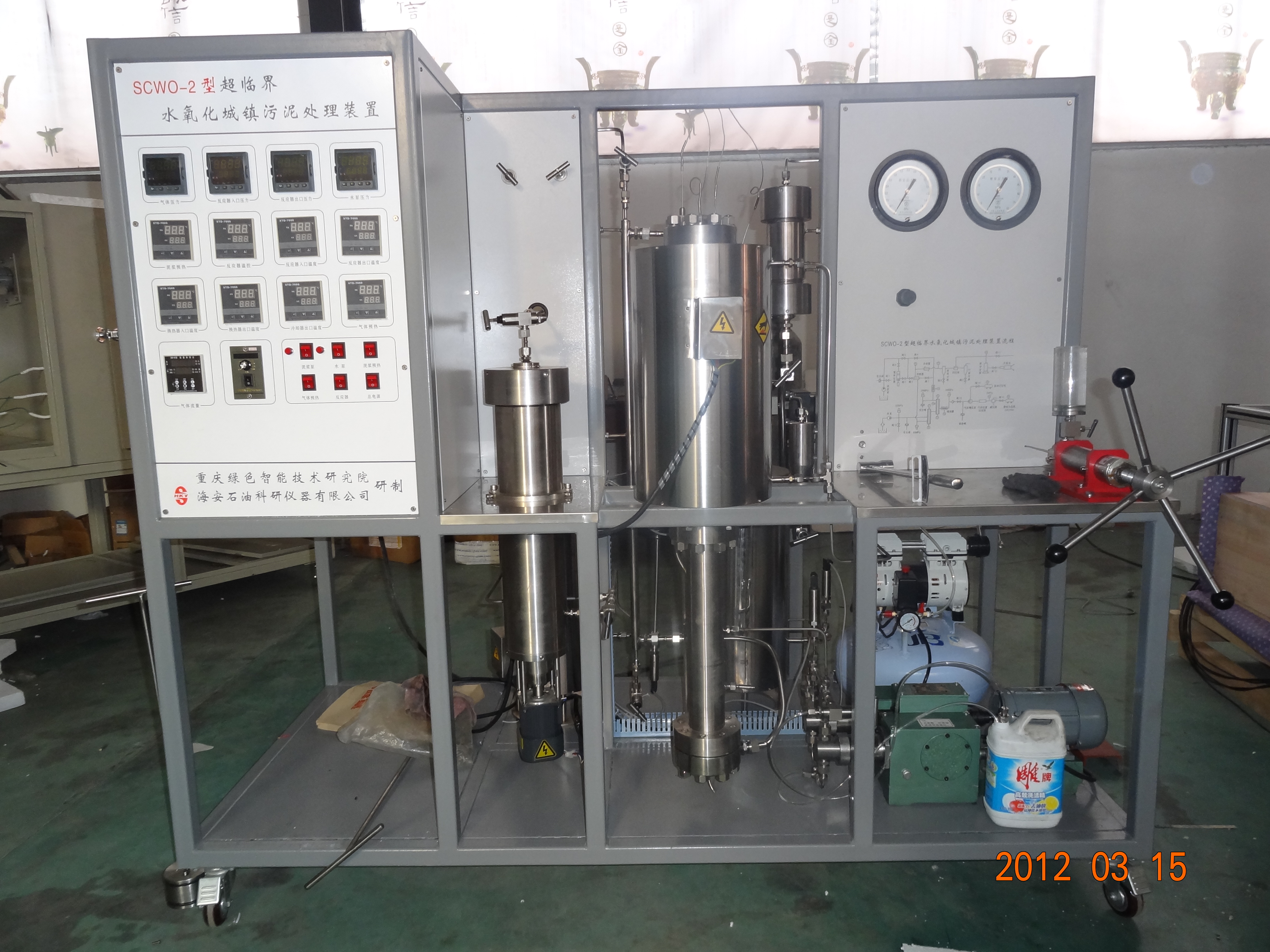









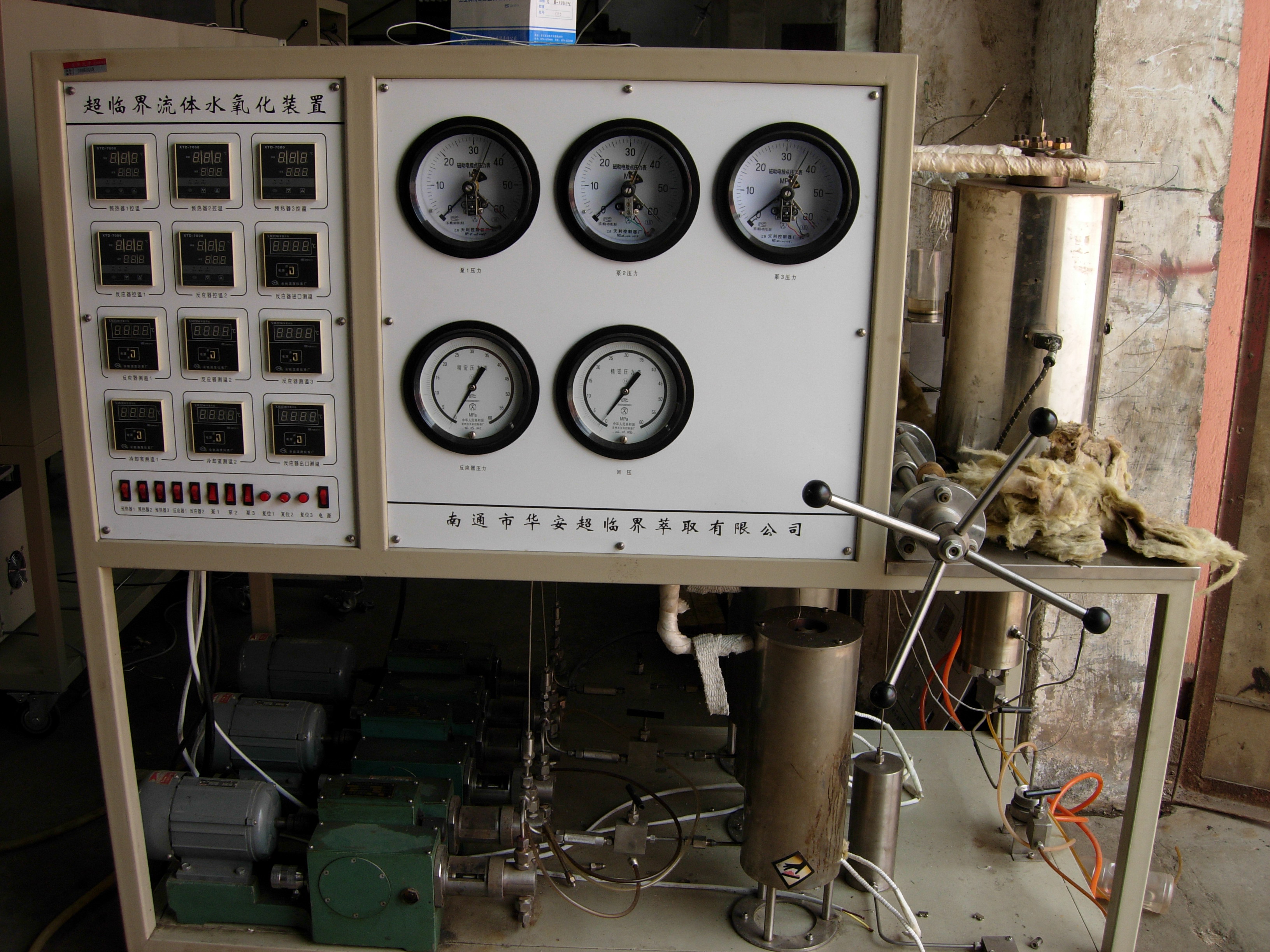
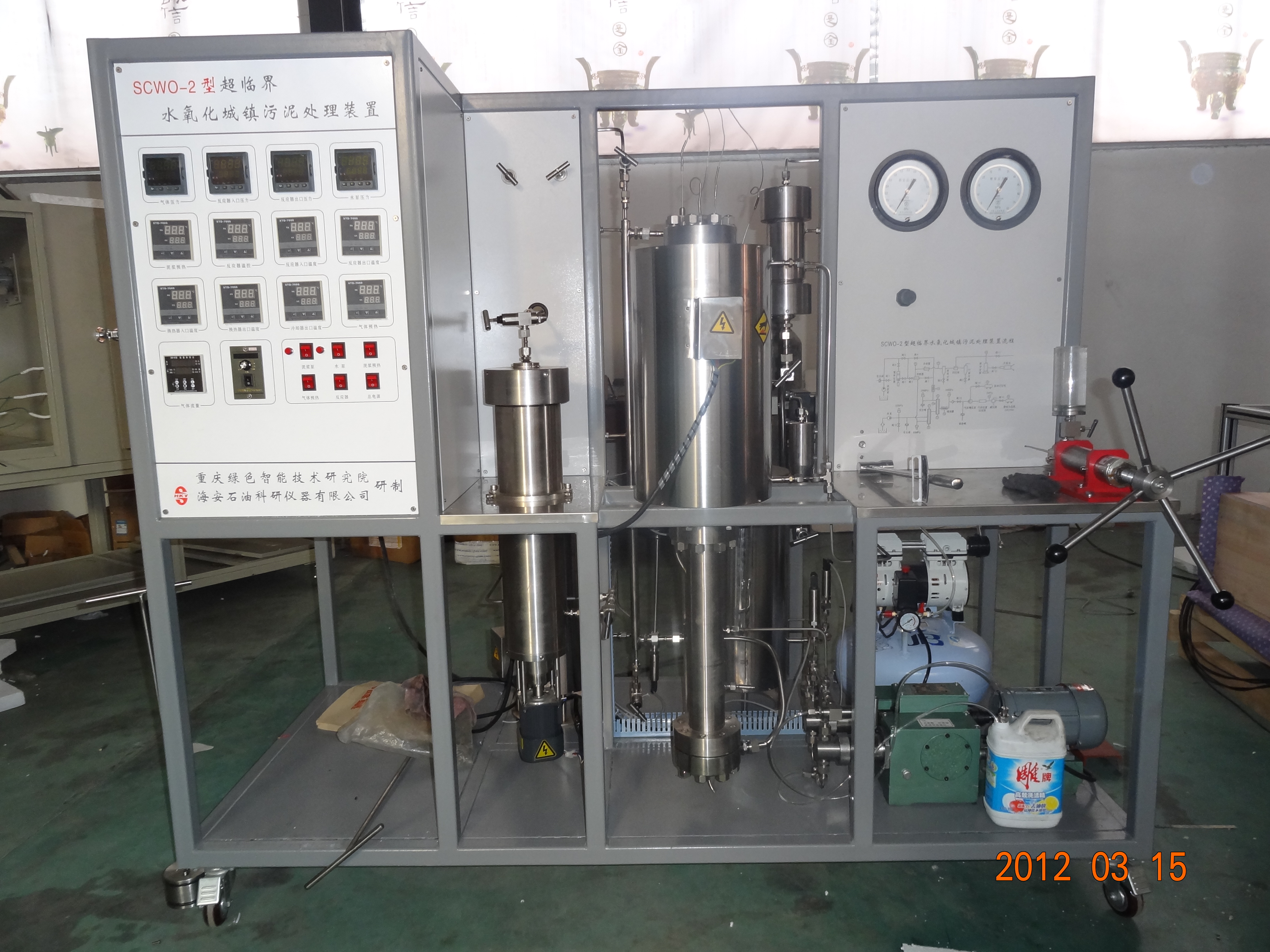
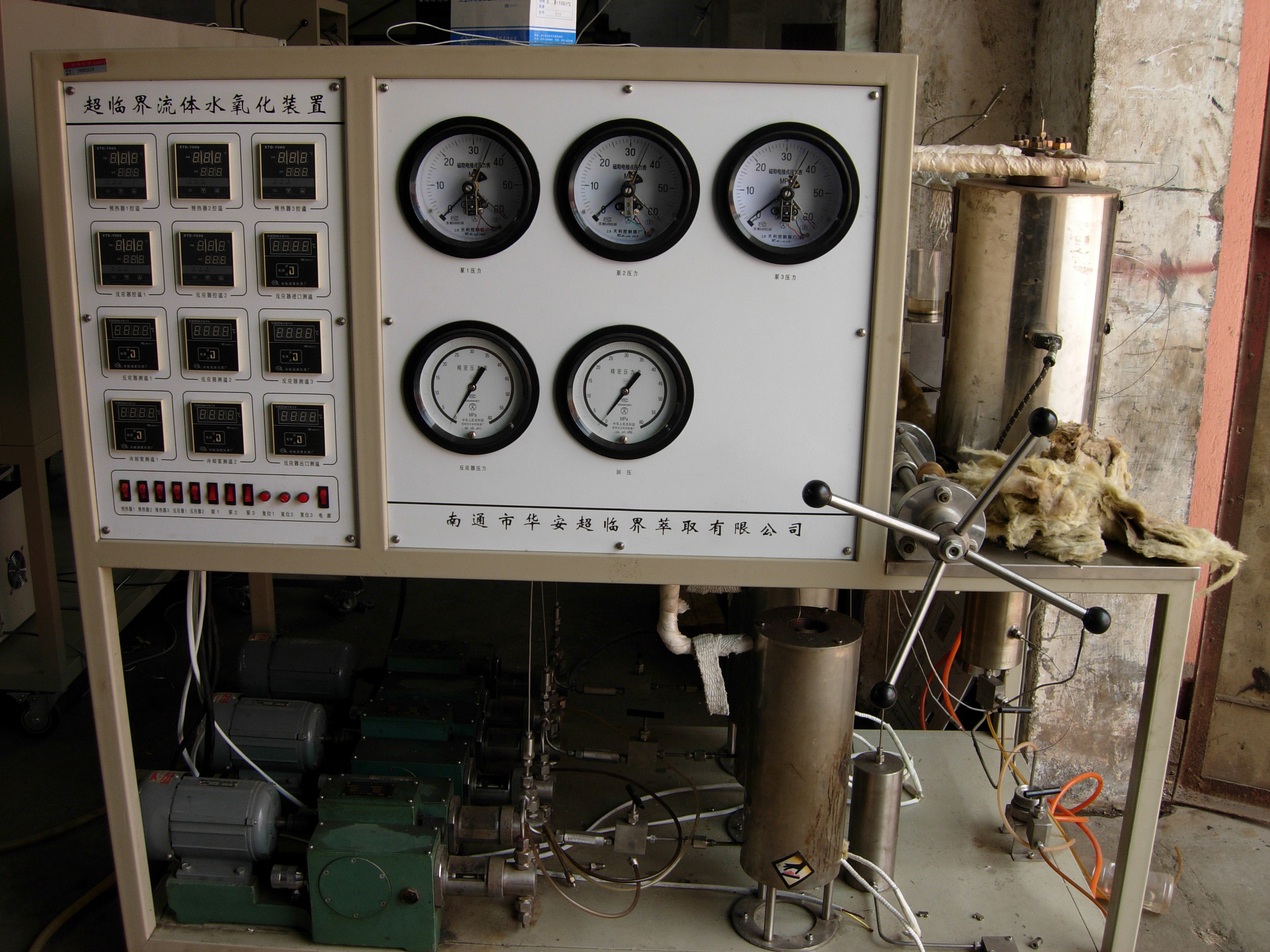
I. Overview Supercritical water refers to a dense fluid with temperatures and pressures above its critical point. When the temperature exceeds the critical temperature of water at 374.3°C and the pressure is greater than the critical pressure of 22.1 Kpa, water's properties undergo significant changes. In supercritical water, hydrogen bonds are almost non-existent, and it has a very low dielectric constant and excellent diffusion and transfer properties. Many toxic wastes, biological contaminants, and organic wastewater cannot be effectively treated using traditional technologies. Supercritical fluids, due to their unique properties, have attracted the attention of scholars worldwide. Some developed countries have competitively developed supercritical water oxidation reactors for wastewater treatment, with some already achieving industrialization. In China, most research is currently at the laboratory stage. Our factory's SCWO experimental unit is a high-temperature, high-pressure reaction unit specifically developed for laboratory research on supercritical water oxidation reactions. II. Introduction to the Experimental Process The SCWO experimental unit process is as shown in the figure. Its working principle is as follows: wastewater and hydrogen peroxide are separately pumped through high-pressure pumps, heated to a certain temperature in a preheater, then enter a mixer, and subsequently flow into the reaction tube for reaction. After reaching the reaction time, they pass through a cooler, are depressurized through a back-pressure valve, and finally enter a gas-liquid separator to separate the gaseous and liquid products.