







Shanghai Red Cedars Manufacturer Directly Sells Processed Red Cedars, Custom Orders, Wholesale Canadian Red Cedars


Red Cedar
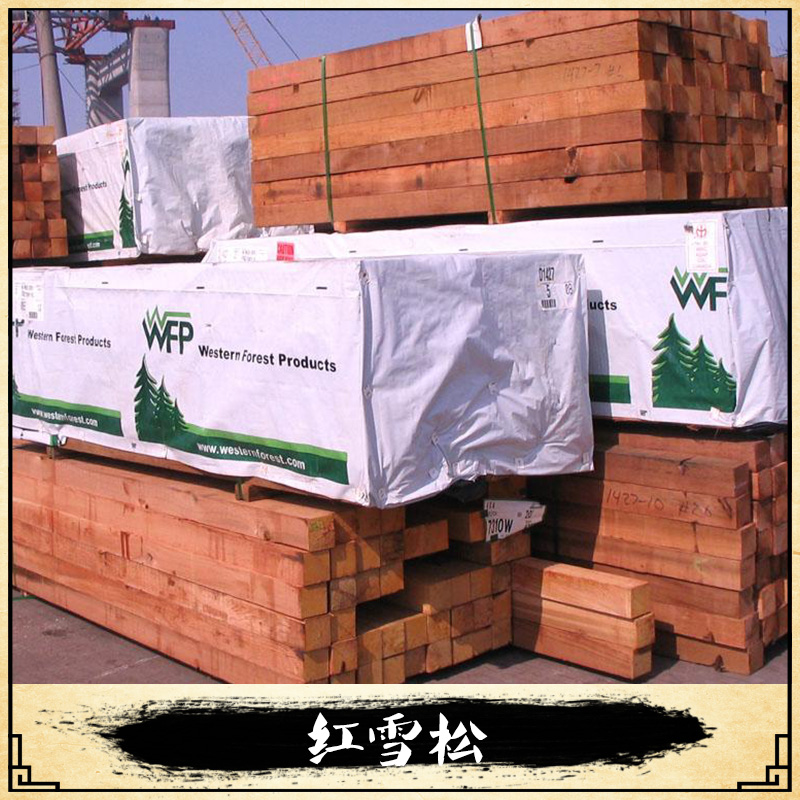
1. Wood Name: Western Red Cedar
2. Unstandardized Names: Redwood, Red cedar
3. Macrostructure: Semi-circular hole material. Vessels are slightly visible to the naked eye, gradually decreasing from the inside to the outside, reducing in size.
4. Axial thin-walled tissues exhibit slightly visible wheel-like boundaries and annular vascular bundle under a microscope.
5. Wood ray magnifying lens, medium density, narrow to slightly wide
6. Trees and Distribution: Large trees reach heights of 25~35m, with diameters up to 1.5m
7. Western Red Cedar is found in Southeast Asia and Oceania. Commonly imported from Papua New Guinea, it is less frequently seen.
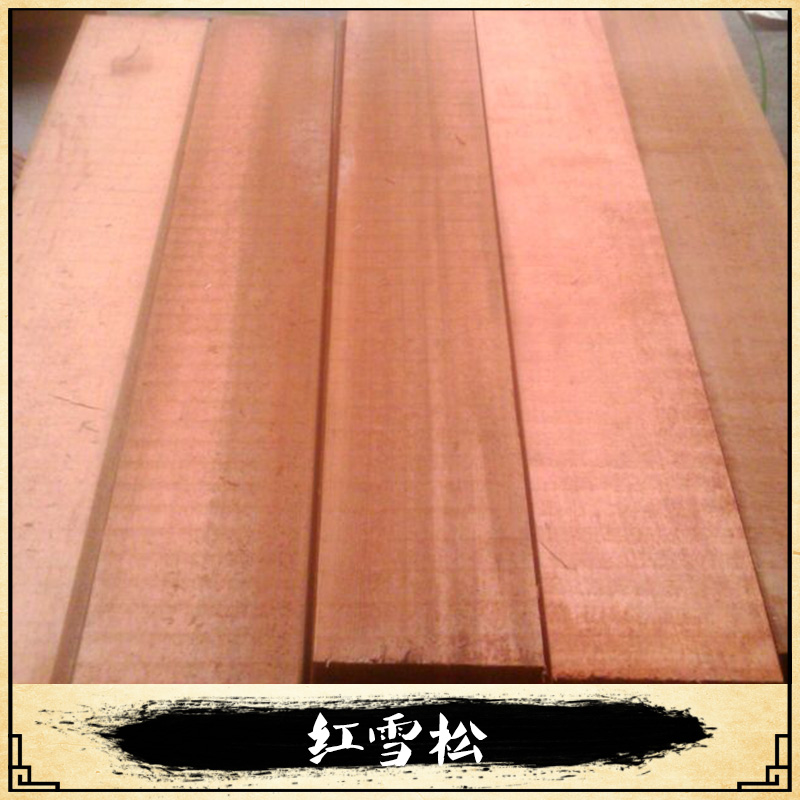
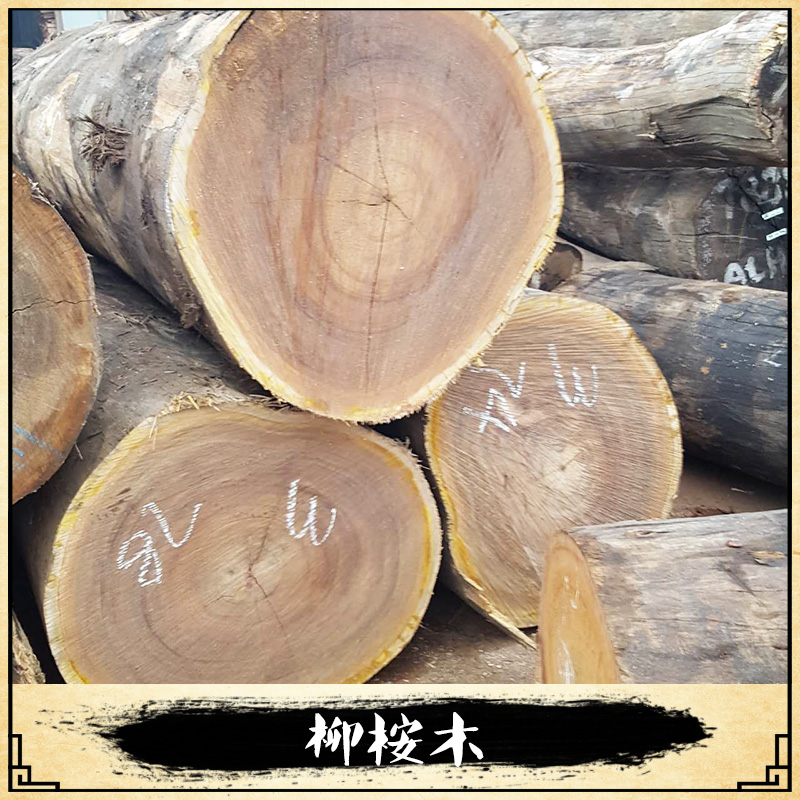
8. Cross-section: Distinct difference between heartwood and sapwood; heartwood ranges from light brick red to reddish-brown.
9. Compressive Strength in Grain Direction: 1.4 MPa
10. Parallel shear strength: 175 MPa
11. Tensile Strength along Grain: 475 MPa
12. Sapwood is pale yellowish-white. Growth rings are faintly visible.
13. Bark: Thickness 1.0~1.5 cm, relatively soft, prone to strip off in strips.
14. Grayish-brown outer skin; has cracks; prone to small-scale flaking. Inner bark reddish-brown
15. Rind fibers are well-developed, easily torn into short strips; with stone cells
16. Apparent Density: 0.45
17. Western Red Cedar Wood Properties: Lustrous: Aromatic scent
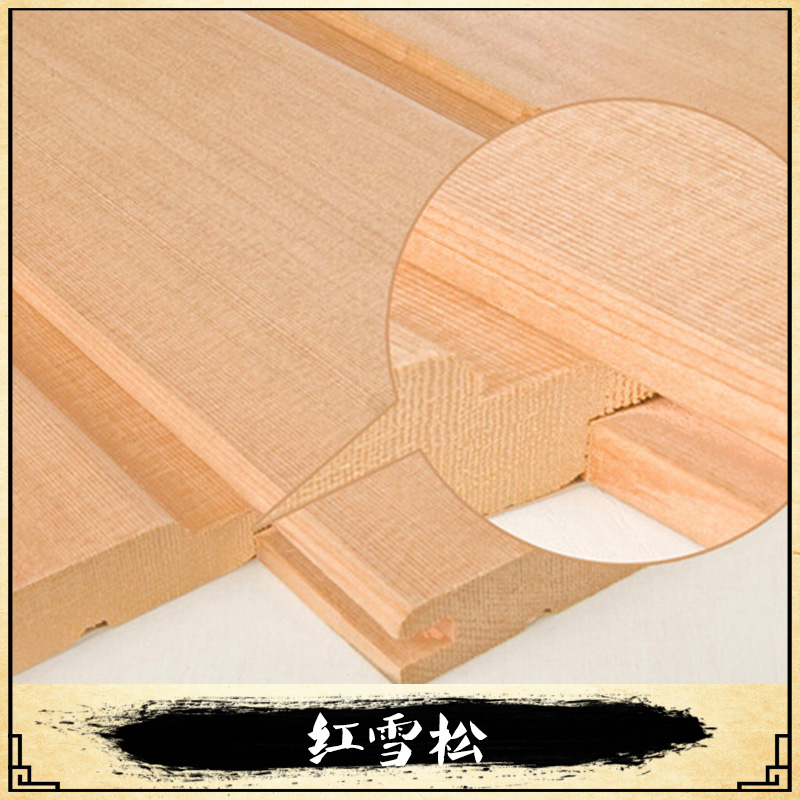
18. Texture straight, structure slightly coarse. Lightweight and soft: very low strength; shrinkage when dry.
19. Specifications: 45*102, 153, 203, 254, 305
20. Easy to process, with a tendency to fray on cutting surfaces; good performance with nails, adhesives, and paint.
21. Non-corrosive. Slightly slower drying, with slight deformation and warping. Air-dry density 0.33~0.47g/cm³
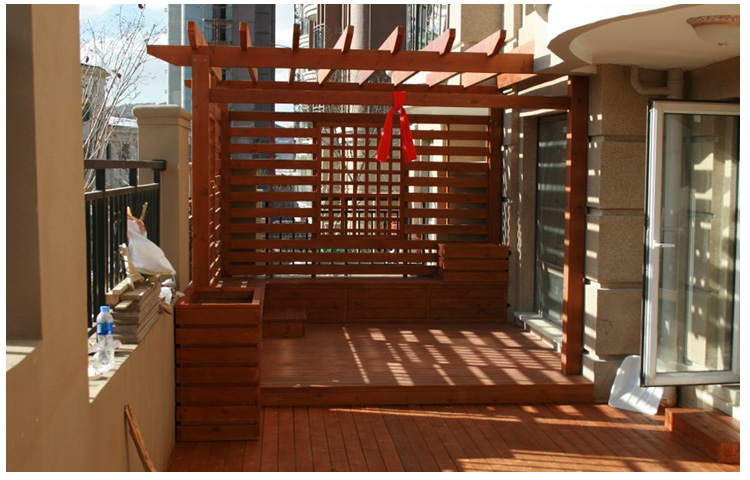
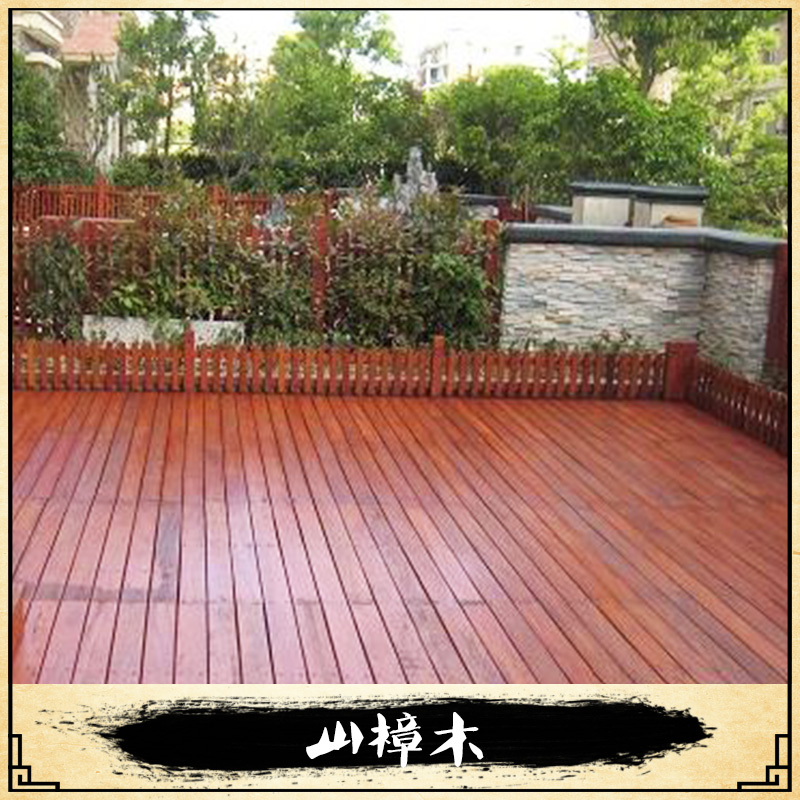
22. Wood Applications: Suitable for dry slicing of veneers, planed thin wood, high-grade decorative plywood, furniture, cabinetry, interior decoration, 23. Carving, piano cases, cigar box wood, etc.
24. Key Identification: Well-developed bast fibers, easily torn into short strips. Heartwood ranges from light brick red to reddish brown.
25. Semi-circular hole material. Holes contain inclusions and red gum.
26. The annular tube holes form a dark red mountain-like pattern in the tangential section, resembling Mahogany. The wood is light and soft, with straight grain.